Through high school and into her undergraduate studies at the University of Vermont, Alison Fox built close ties with people who have intellectual and developmental disabilities. What surprised her most, she says, was how frequently service providers seemed unready to meet those individuals’ needs.
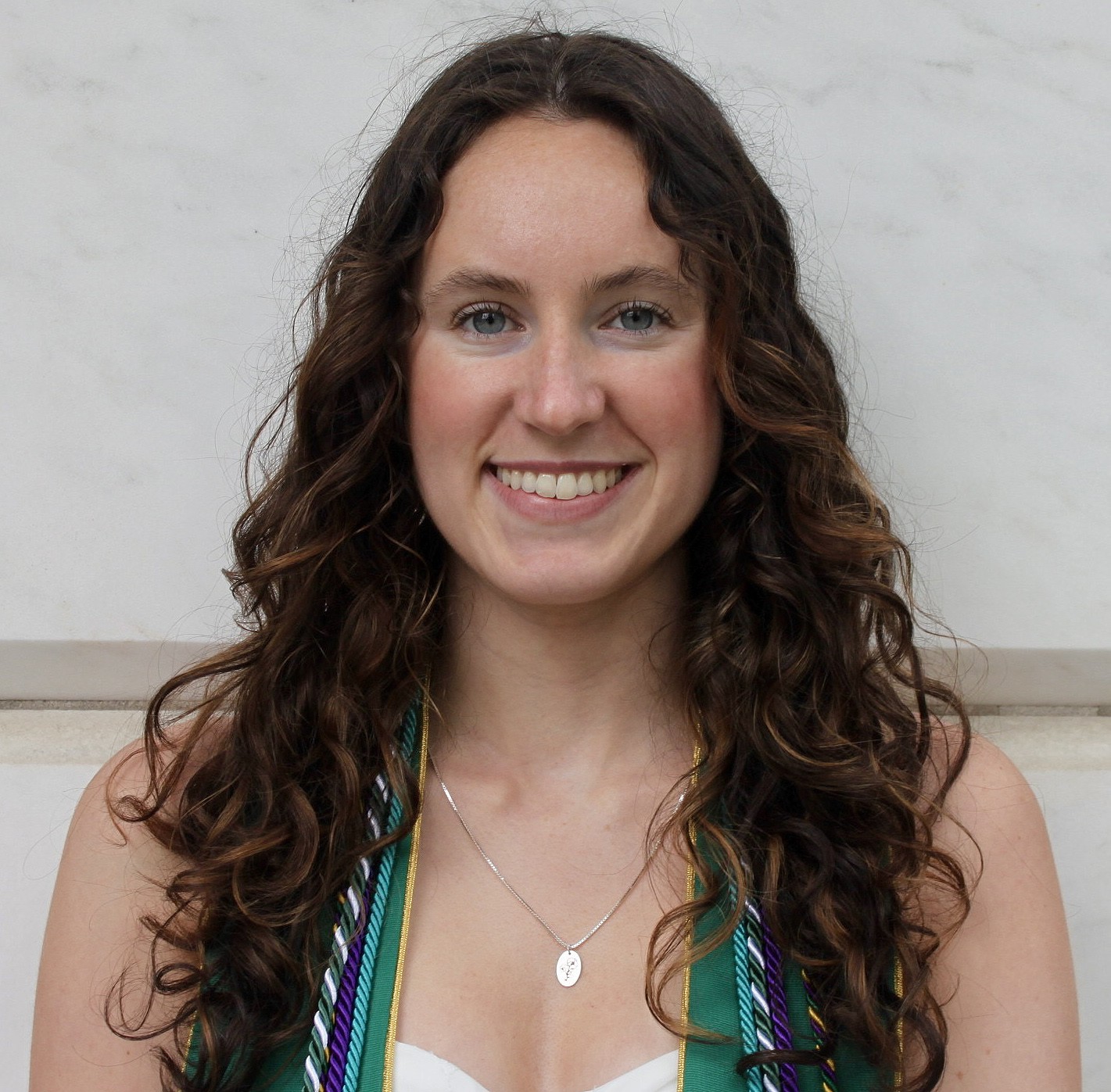
Now a UConn MSW student concentrating in Individuals, Groups, and Families Practice (IGFP), Fox MSW ’26, is learning ways to improve the health care delivery system for children with autism and other neurodevelopmental disabilities as a 2025-26 Connecticut Leadership Education in Neurodevelopmental and Related Disabilities (CT LEND) Fellow.
“Being a LEND fellow is preparing me to work with children with disabilities through direct service as well as advocacy work,” Fox says. “I have learned, and am continuing to learn, about the systemic barriers that many children and families face when receiving an education. It’s important that these children feel seen and heard in the education system.”
As CT LEND Fellows, Fox, along with MSW students Quinn Meehan and Grace Hartmann, receive a tuition waiver and a $29,000 stipend over one year. The training program includes research studies, advocacy projects, and community practicum assignments with infants, children, youth, and adults with developmental disabilities—including autism—and their families, comprising more than 700 hours of training annually.
Meehan, who’s concentrating in Community Organizing and is Disabled and Autistic themself, is deeply committed to mobilizing disabled people and their communities around issues that disproportionately impact multiply marginalized disabled individuals. Their research focuses on queer and disabled relationality, collective care, and movement- and world-building grounded in disability justice. As a LEND Fellow, Meehan serves as a community organizing and policy intern for the Universal Health Care Foundation of Connecticut, where they engage in health justice advocacy and support grassroots organizations in integrating disability justice principles.
Meehan also co-organizes Crip Care, a disability justice project that cultivates community, disability culture, and collective action among disabled, neurodivergent, mad, deaf, and chronically ill individuals.
For Hartmann, her goal is simple. “It’s to save lives‚ and that’s why I chose social work.”

During her junior year at Sacred Heart University, she interned at the Bridgeport Juvenile Detention Center, developing skills in case management, advocacy, and behavioral intervention. She later served as a social work intern at the Yale New Haven Intensive Outpatient Program (IOP), supporting children and families navigating complex mental health challenges. She’s currently completing her MSW field placement at Shoreline Therapy Center in Madison, Connecticut.
Through these internship experiences, Hartmann has been exposed to working with a wide range of clients—individuals with diverse abilities, socio-economic backgrounds, and varying levels of need.
“These experiences have deepened my commitment to this field and strengthened my desire to continue supporting individuals who require compassionate and effective care,” she says. “LEND has strengthened my ability to advocate effectively on behalf of individuals and families with disabilities. It has expanded both my knowledge and my confidence in using my voice to support meaningful change.”
The CT LEND program provides high-quality interdisciplinary education that emphasizes integrating services across state and local agencies, private providers, and community organizations.
LEND has been directed by Mary Beth Bruder, professor of public health sciences, pediatrics and educational psychology since its inception in 2009. Funded by the Autism Cares Act, and awarded to the School of Medicine, the 16 LEND students (representing eight graduate programs at UConn), receive funding to participate from the Office of Dean of the School of Medicine, Dr. Bruce Liang, to demonstrate his commitment to interdisciplinary leadership education on disability.
Fellows also learn innovative practices that enhance cultural competency, family-centered care, and interdisciplinary collaboration.
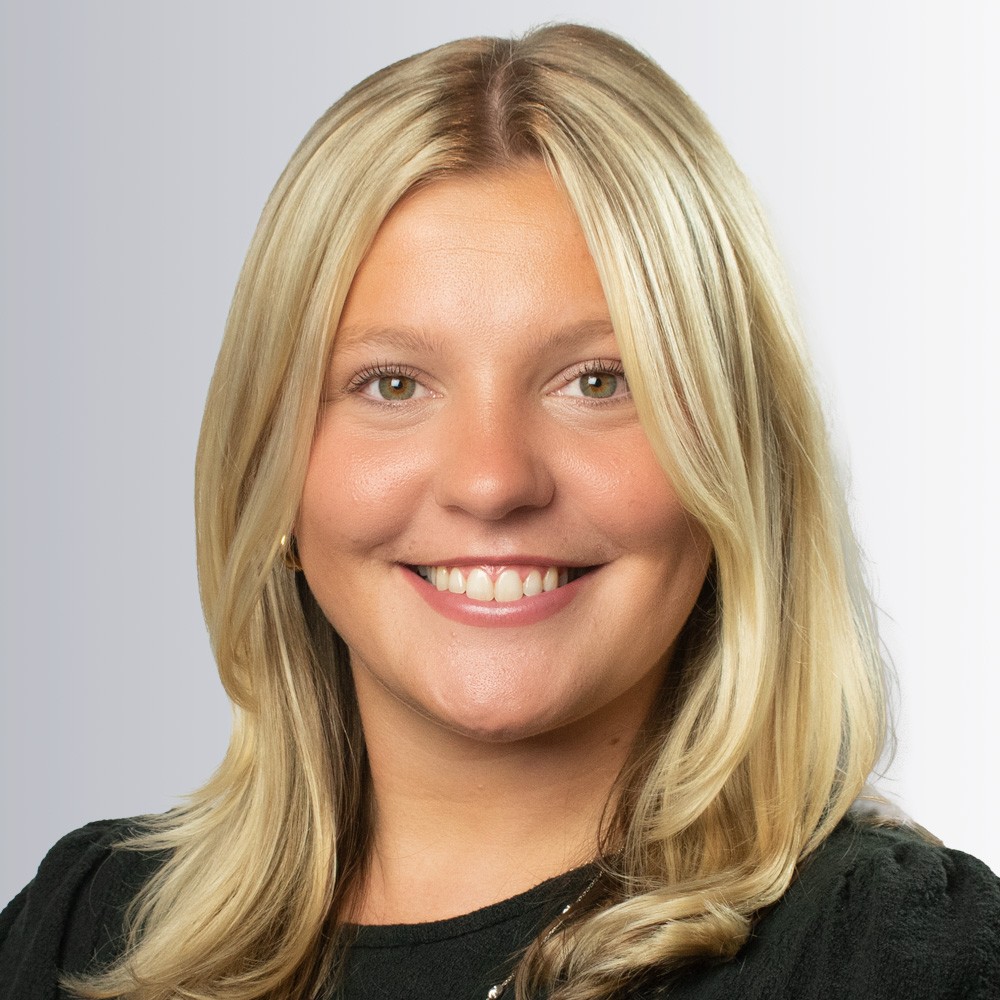
Fox, Meehan, and Hartmann are among 16 LEND Fellows at UConn. The 2025–26 cohort also includes graduate students in school psychology, school counseling, audiology, genetic counseling, public health, social work, special education, and speech-language pathology.
Cristina Wilson, Zachs Endowed Professor in the School of Social Work and CT LEND coordinator, says the program’s impact extends well beyond academic training.
“I’m constantly inspired by the passion our Fellows,” Wilson says. “They become not only skilled practitioners, but also thoughtful collaborators who understand how to improve systems of care.”
After graduation, Fox hopes to pursue a career in school social work.
“I enjoy working with children of all ages,” she says. “My goal as a social worker is to be someone who can connect with individuals in a way that allows them to feel safe and understood so that they can achieve their educational and personal goals.”