For second-year MSW student Alexis Nelson, researching veteran mental health is both an academic pursuit and a deeply personal mission.
Nelson, who is concentrating in Individual, Groups, and Families Practice (IGFP) at the UConn School of Social Work, recently completed a comprehensive literature review examining post-traumatic stress disorder (PTSD) among U.S. Veterans as part of an independent study. Her work explored risk factors for PTSD, disparities among at-risk subpopulations such as combat veterans and female veterans, utilization of U.S. Department of Veterans Affairs services, evidence-based treatment approaches, and emerging therapeutic options.
“The goal of the review was to synthesize the current state of the literature while identifying gaps in services and research,” Nelson says. “Those gaps could help inform future studies and potentially lead to an original research or grant proposal.”
Nelson was one of three MSW students to complete a semester-long Research Independent Study this fall. Now in its second year, the class offers graduate students the opportunity to pursue specialized research topics not typically covered in the standard MSW curriculum. The three-credit elective, IS 5394: Research Independent Study, pairs students with a full-time School of Social Work faculty mentor for one-on-one supervision and collaboration.
Under the guidance of Hsiu-Ju Lin, associate research professor in the School of Social Work, Nelson took full ownership of her project—from defining its scope to shaping its structure and outcomes.
“The independent study required a high level of self-direction, which I found incredibly valuable,” she says. “Working one-on-one with Professor Lin allowed me to take ownership of the project while also benefiting from her expertise in research methods and grant writing. She helped me fine-tune the focus of the review and think about where the project could go next.”
By the end of the semester, Nelson produced a literature review that lays important groundwork for future research in veteran mental health and highlights where current systems and interventions are falling short.
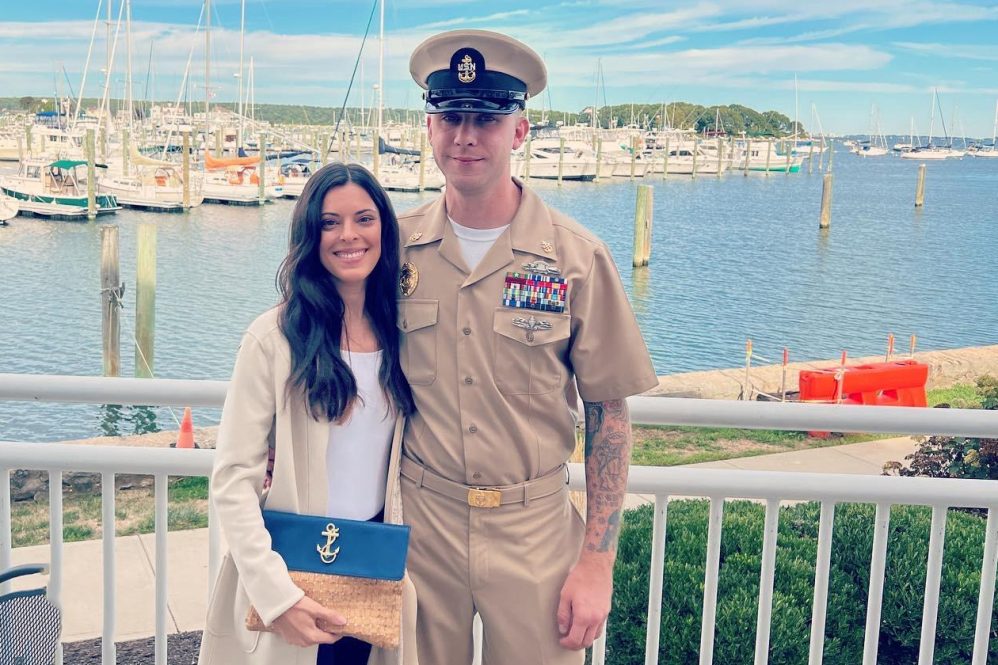
Her motivation for the project is rooted in family experience. Nelson’s husband is a Senior Chief Petty Officer in the U.S. Navy with 17 years of service and four deployments, and her grandfather also served in the Navy.
“Veteran mental health is an epidemic that doesn’t get enough attention,” she says. “This work is personal for me, and I’m passionate about contributing to research that can improve care and outcomes for veterans and their families.”
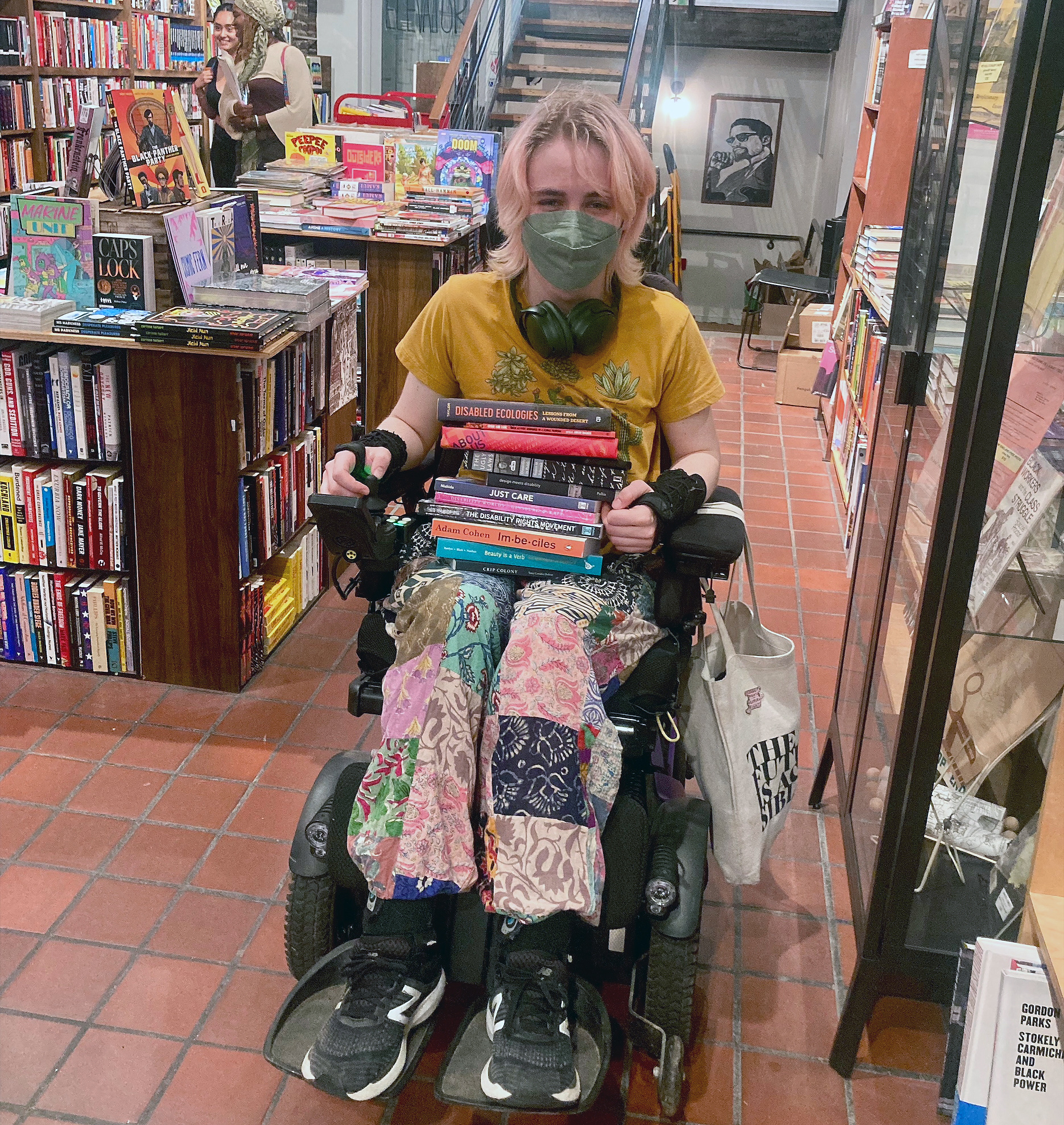
While Nelson focused on synthesizing existing research, fellow MSW student Quinn Meehan used their independent study to engage across multiple original research projects grounded in disability justice, queer and trans studies, and community organizing.
Meehan, a second-year MSW student concentrating in Community Organizing, completed their independent study under the mentorship of Associate Professor Meg Paceley. Rather than producing a single research product, Meehan worked across several collaborative and independent projects, many of which center lived experience as a site of knowledge.
Meehan completed an autoethnographic project titled “Cripping Queer Intimacies: Reimagining Love, Care, and Intimacy in an Ableist World,” which examines their experiences as a queer, transgender, Disabled person navigating relationships. Meehan presented this work at the LGBTQ Research Symposium and the Lesbian Lives Conference in New York City this fall and will present again at the Sexuality, Disability, and the Power to Disrupt Conference in February 2026.
Meehan also served as second author on a manuscript titled “Queer and Trans Disabled Imagined Futures as Resistance to a Hostile Sociopolitical Climate: An Arts-Based Disability, Sexual, and Gender Justice Study,” which is forthcoming in a special issue of Women’s Reproductive Health. In addition, they contributed new material to a revised book chapter on “Trans Sexualities” for the second edition of Social Work and Healthcare with Transgender and Nonbinary Individuals and Communities.
“Working one-on-one with Dr. Paceley has been an incredibly generative experience,” Meehan says. “Their mentorship allowed me to engage deeply in collaborative research while also developing projects that have personal meaning for me.”
Paceley notes Meehan’s efforts encouraging other members of their research team to integrate more disability justice. “Quinn has shown great promise as a researcher, gaining skills and experience in qualitative and arts-based methods, academic writing, and even navigating the ethics board review process,” Paceley says. “I’m excited to see where they go next in their career.”
According to Jennifer Manuel, professor and associate dean for research in the School of Social Work, the Research Independent Study course allows students to “dive deeply into questions they care about while developing the research skills that inform strong social work practice,” she says. “It’s an experience that builds confidence, curiosity, and the skills needed to engage in thoughtful, ethical research throughout their social work careers.”
To enroll, MSW students must complete Research I: Research Methods for Social Work Practice and submit a proposal outlining their project goals and methods to the associate dean for research. Students are responsible for identifying a faculty mentor.
At the end of the semester, students present their work and reflect on their research experiences with classmates and faculty. The experience provides a pathway toward research-focused careers, and can lay the groundwork for future scholarship, clinical practice, or doctoral study.
For both Nelson and Meehan, the independent study offered more than academic credit—it provided a space to pursue research with purpose.
“It’s work I hope to continue long after graduation,” Meehan says.