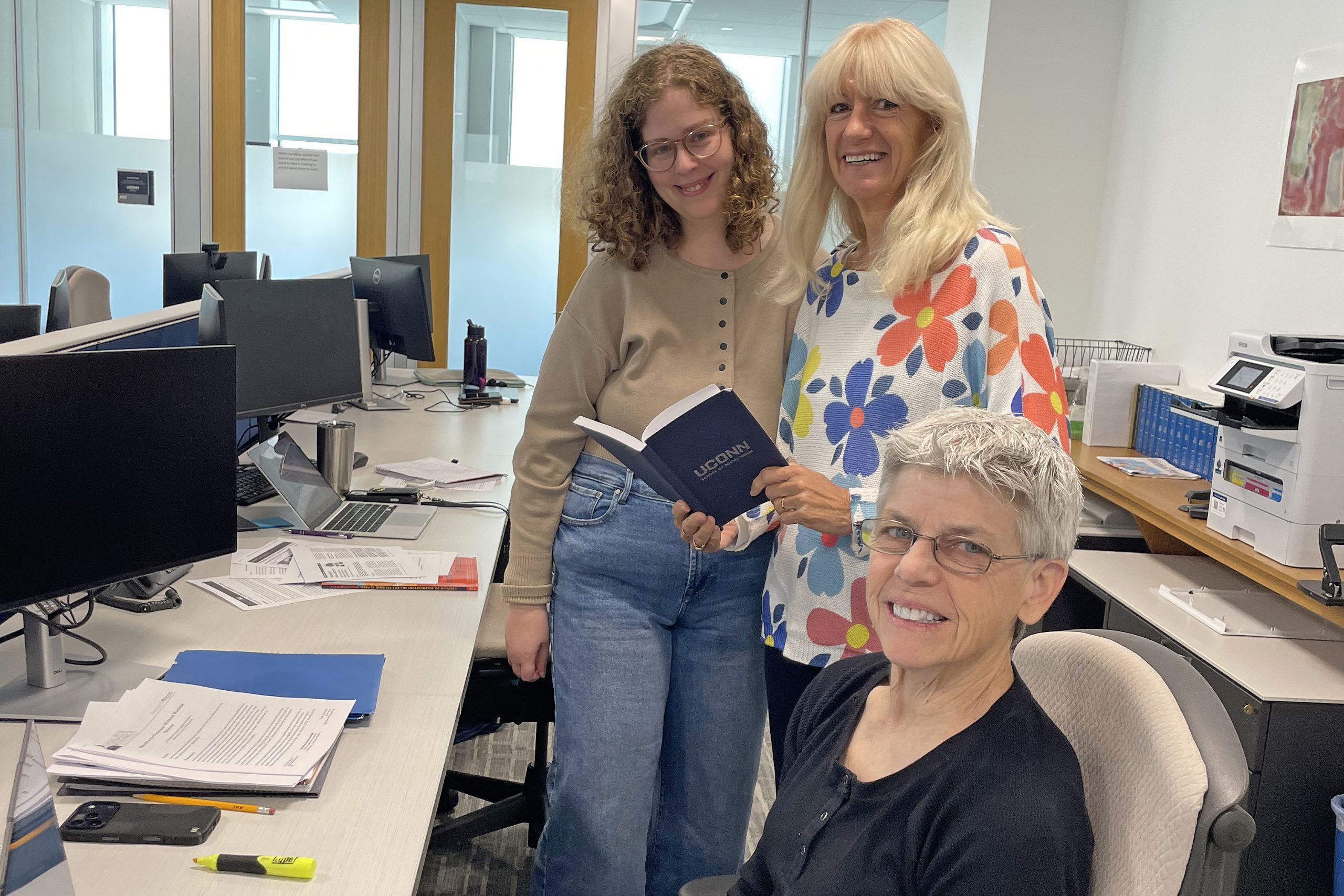
Seventeen years ago was the last time second-year UConn dental students Faith Joy Kollie and Asonyu Nshanji visited Africa. Kollie was born in Liberia, while Nshanji briefly lived in Cameroon as a child.
But this summer, both returned to the continent together, for one mission—to complete a five-day clinical internship and lead oral health workshops in Liberia.
The idea to go back to her home country came to Kollie after doing a few oral health workshops as a first-year dental student, seeing firsthand the importance of teaching oral health education in the community.
“After 17 years, I finally went home to Liberia this summer,” says Kollie. “The reason it took me so long was because I always knew that when I returned, I wanted to give back. Serving underserved communities has always been a passion of mine. Two years ago, I hosted an oral health workshop in the U.S., and after seeing how many people it impacted, I knew had to bring that same preventative care.”
She was joined by Nshanji, who had plans to go back to Cameroon this summer to do medical and dental outreach with her mother, a Doctor of Nursing Practice, under her nonprofit organization, Kindred Health Mission. However, those plans were put on hold due to the ongoing conflict known as the Anglophone Crisis, which has made travel to the English-speaking region where Nshanji’s family is from increasingly unsafe.
When Nshanji heard about Kollie’s trip to Liberia, she was moved by her mission and wanted to still have the opportunity to reconnect with Africa. So, she decided to join her.
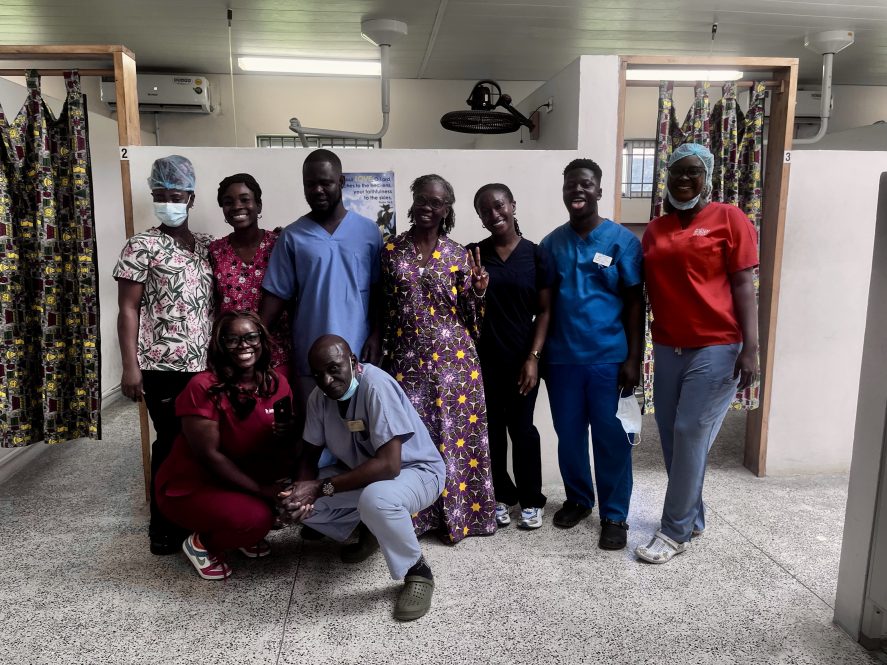
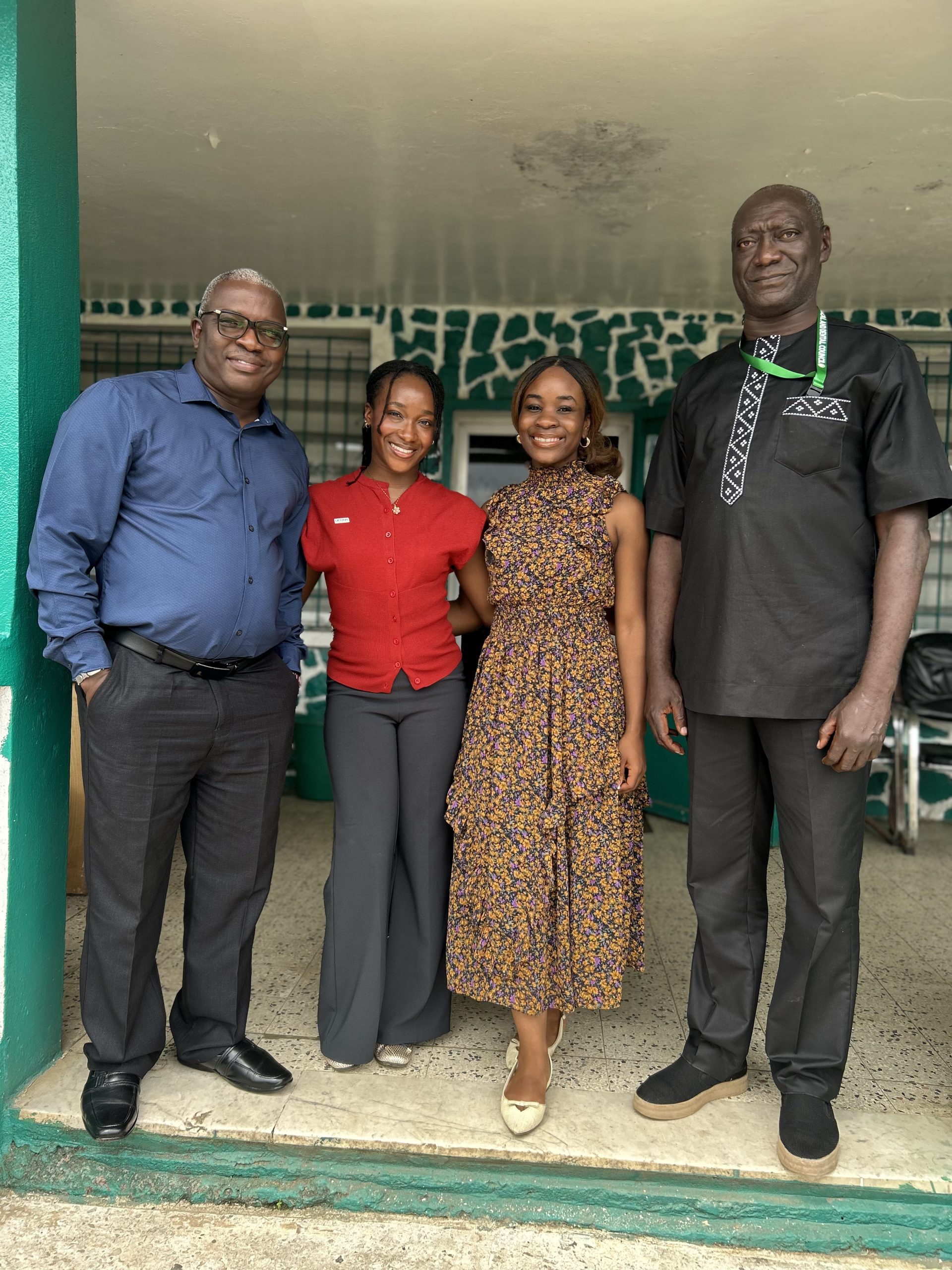
After meeting with the Liberia Medical and Dental Council, Kollie and Nshanji were placed at a mission clinic called ELWA Trinity Dental Care, supervised by Dr. Jerene B. Sackie, an early-career Liberian dentist trained in the European country Georgia, to help gain clinical exposure.
Liberia operates with an extreme scarcity of specialized dental resources, with only five licensed dentists serving the entire country of about 5.7 million. The system relies heavily on mid-level providers such as dental therapists, hygienists, and assistants.
Shadowing Sackie at the clinic was an eye-opening experience for Kollie and Nshanji. The pair observed and assisted with procedures including extractions, anesthesia, and jaw wiring. They also confronted widespread misconceptions surrounding oral health, witnessed firsthand how limited preventative care can lead to advanced and sometimes extreme dental conditions.
The students gained an even deeper understanding of the community they were preparing to serve.
“Dr. Sackie told us that we’re going to see extreme cases,” Nshanji recalls. “Some patients believed a toothache is caused by witchcraft and not the natural decaying process of the teeth. So instead of going to the dentist, they’re maybe going to church and praying against it. Some patients will get natural herbs, called country medicine, and pack the herbs into their teeth. One patient packed the country medicine herbs into a tooth that was hurting her, causing her enamel to feel like crystal material. When it came time to extract it, it kept cracking, breaking, and became a very complicated procedure, very fast.”
Kollie and Nshanji also experienced significant equipment limitations, such as worn or broken burs, malfunctioning handpieces, and missing instruments—making even simple procedures more complicated.
“This could be so much easier and so much better,” Nshanji says, referring to the lack of adequate equipment in the clinic. “There was a patient, they had to take out her wisdom tooth. They didn’t have anything to prop her mouth open. She had to hold her mouth for an hour.”
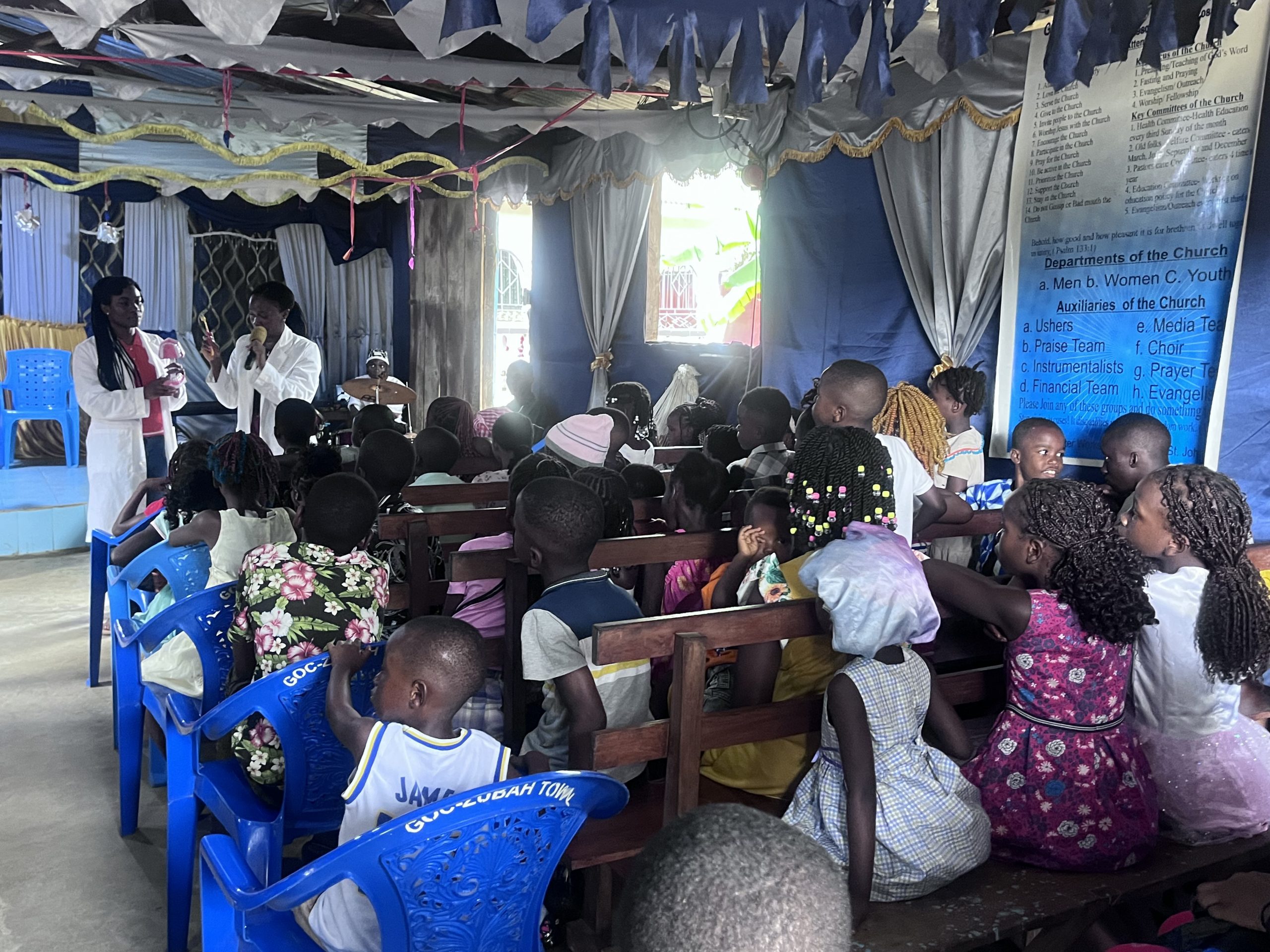
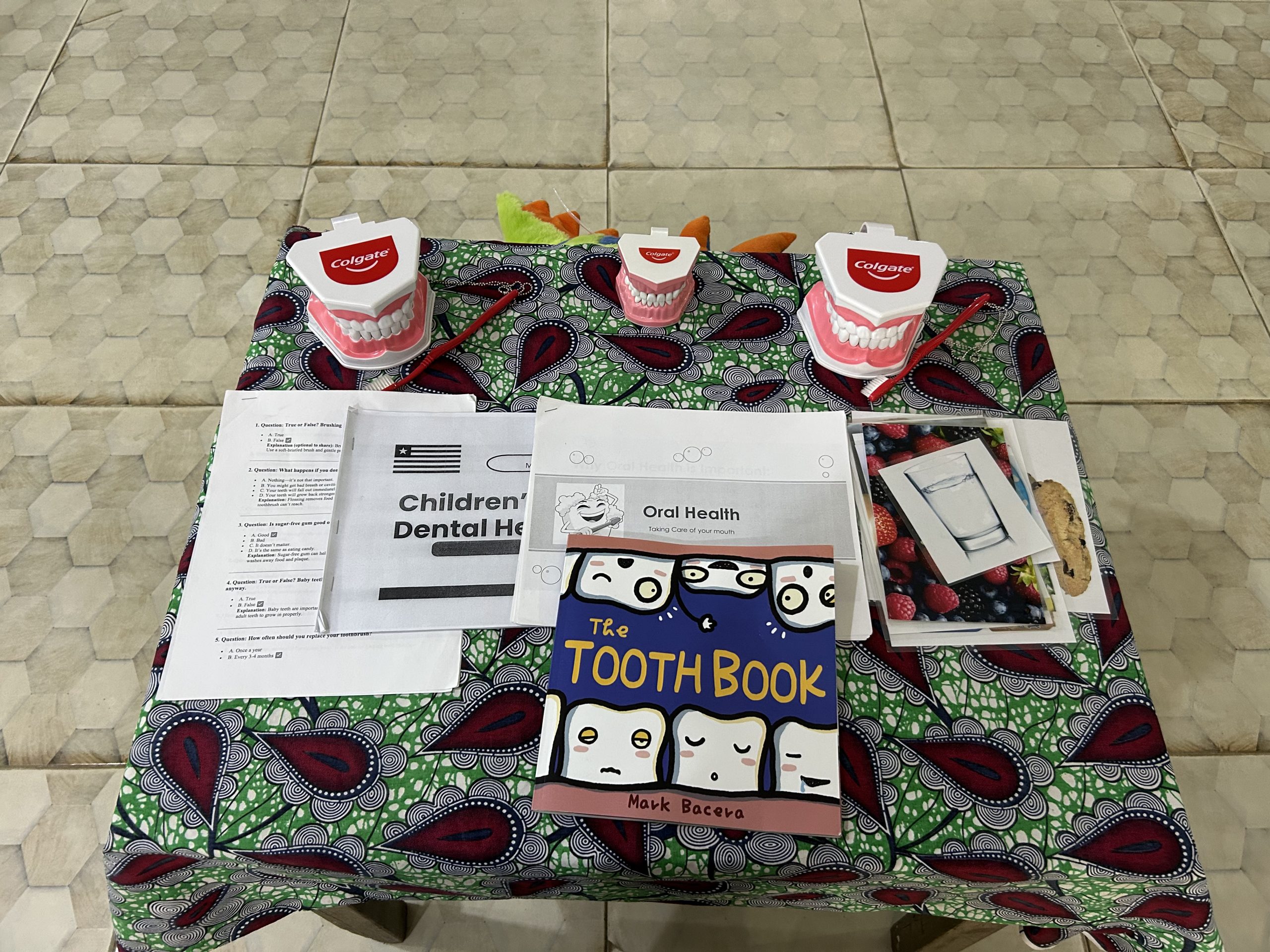
For the oral education component of the trip, the pair hosted an oral health workshop at a church across two locations and two days. The first day brought in over 250 people, and the second had more than 100. Nshanji worked with children ages 3-12, while Kollie focused on ages 13 and older. On the second day, they combined children, youth, and adults into two interactive sessions and took turns leading.
The response was incredibly meaningful.
“Many participants shared how much they learned about their oral health, and we were able to address and debunk several common misconceptions we had encountered during our time in the clinic,” says Kollie.
At the end of each workshop, Kollie and Nshanji distributed oral health kits containing toothbrushes, toothpaste, and floss, with supplies generously donated by the UConn School of Dental Medicine and Colgate.
“This reminded me that service is not just about giving what you have; it’s about listening, learning, and meeting people where they are,” says Kollie. “Going home after 17 years and being able to serve my community through dentistry was truly a full-circle experience, and one I will carry with me throughout my career. I am sharing this to motivate all of us to use the skills and gifts that God has given us to also make an impact on others’ lives.”
The experience validated Kollie’s decision to pursue general dentistry, emphasizing that general dentists can deliver critical care in low-resource environments. Both students plan to continue global health outreach, focusing on underserved populations, orphanages, and regions with limited healthcare access.
“I see myself moving throughout Africa and other underprivileged areas to provide care,” says Kollie. “It is my dream to also go to underrepresented communities in general, and whether it’s in the U.S., whether it’s in Africa, whether it’s in Europe, I hope to do it globally because the places you don’t expect need you the most. And I believe education is the biggest and most important way to do that.”