Across the United States, experts are warning of an unprecedented mental health emergency among children. A 2020 UNICEF report ranked the United States 36th out of 38 high-income countries for child well-being, based on mental health, physical health, and educational development. Further research from 2021 found that one in six U.S. children has been diagnosed with a mental health disorder — yet nearly half receive no treatment.
Community organizations and mental health providers have increasingly sounded the alarm, emphasizing a growing need for professionals trained specifically in child and youth behavioral health.
In response, the University of Connecticut School of Social Work (UConn SSW) has launched a new Certificate in Child and Youth Behavioral Health for students enrolled in its Master of Social Work (MSW) program, concentrating in Individuals, Groups, and Families at UConn’s Hartford campus.
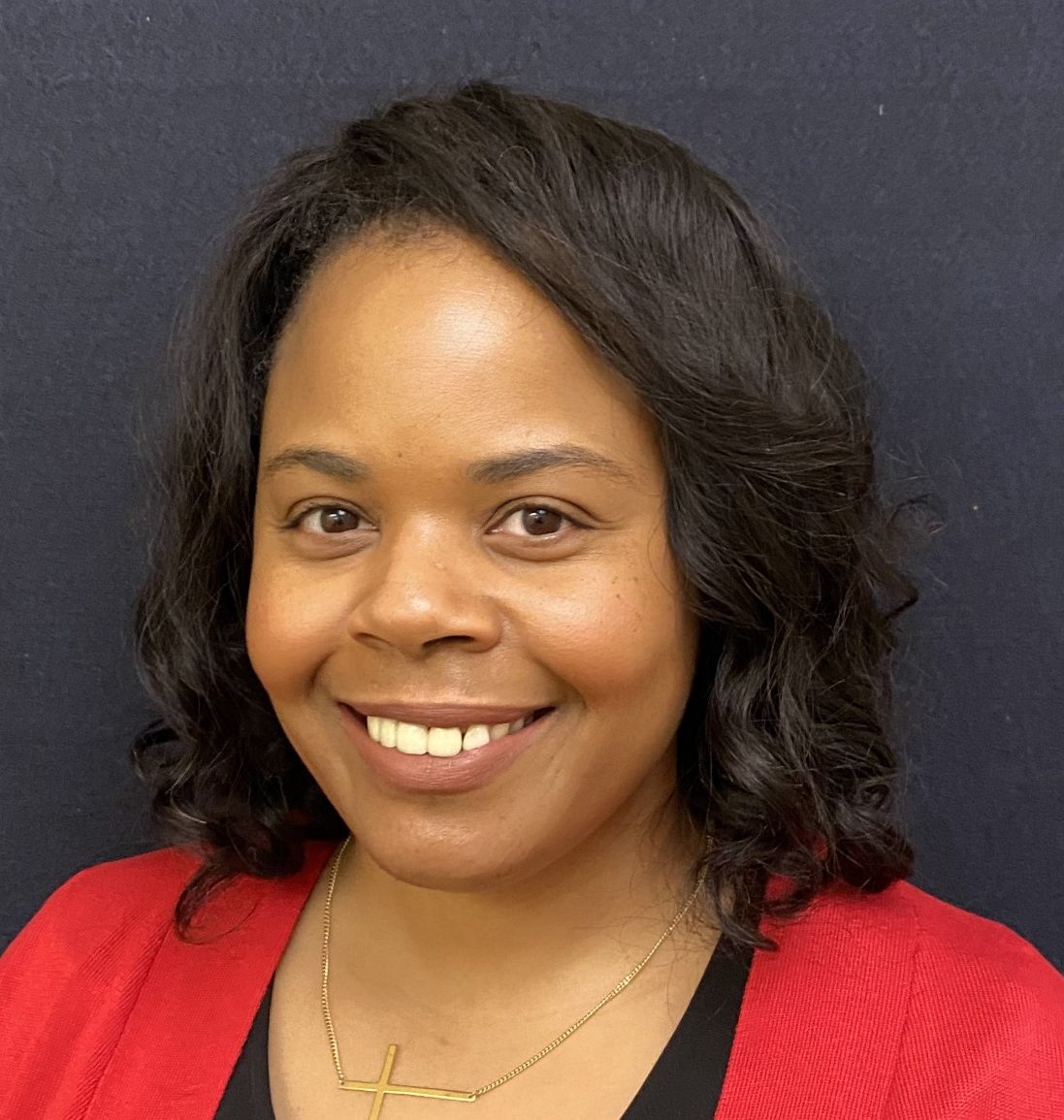
“The need for specialized training in child and youth behavioral health has never been more urgent,” explains Regina Lester-Harriat, assistant professor-in-residence. “Social workers are often the first and, on some occasions, the only mental health professionals that children and families encounter in schools, clinics, and community settings. To respond effectively, they need deep expertise in trauma-informed care, culturally responsive practice, and the developmental realities that shape children’s behavior and well-being.”
The new certificate is one of 10 special program opportunities offered by the SSW for MSW students.
“The certificate aims to equip our MSW students with the skills to deliver evidence-based, trauma-informed, anti-oppressive, and culturally and linguistically inclusive mental health services for young people,” explains Rachel Schwartz, director of the MSW program and associate professor-in-residence in the School of Social Work.
To earn the certificate, students complete three specialized courses and an advanced year of practicum focused on child and youth behavioral health—totaling 17 credits.
“These requirements also fulfill existing degree requirements, meaning the certificate adds no extra time or cost to the MSW program,” Schwartz explains.
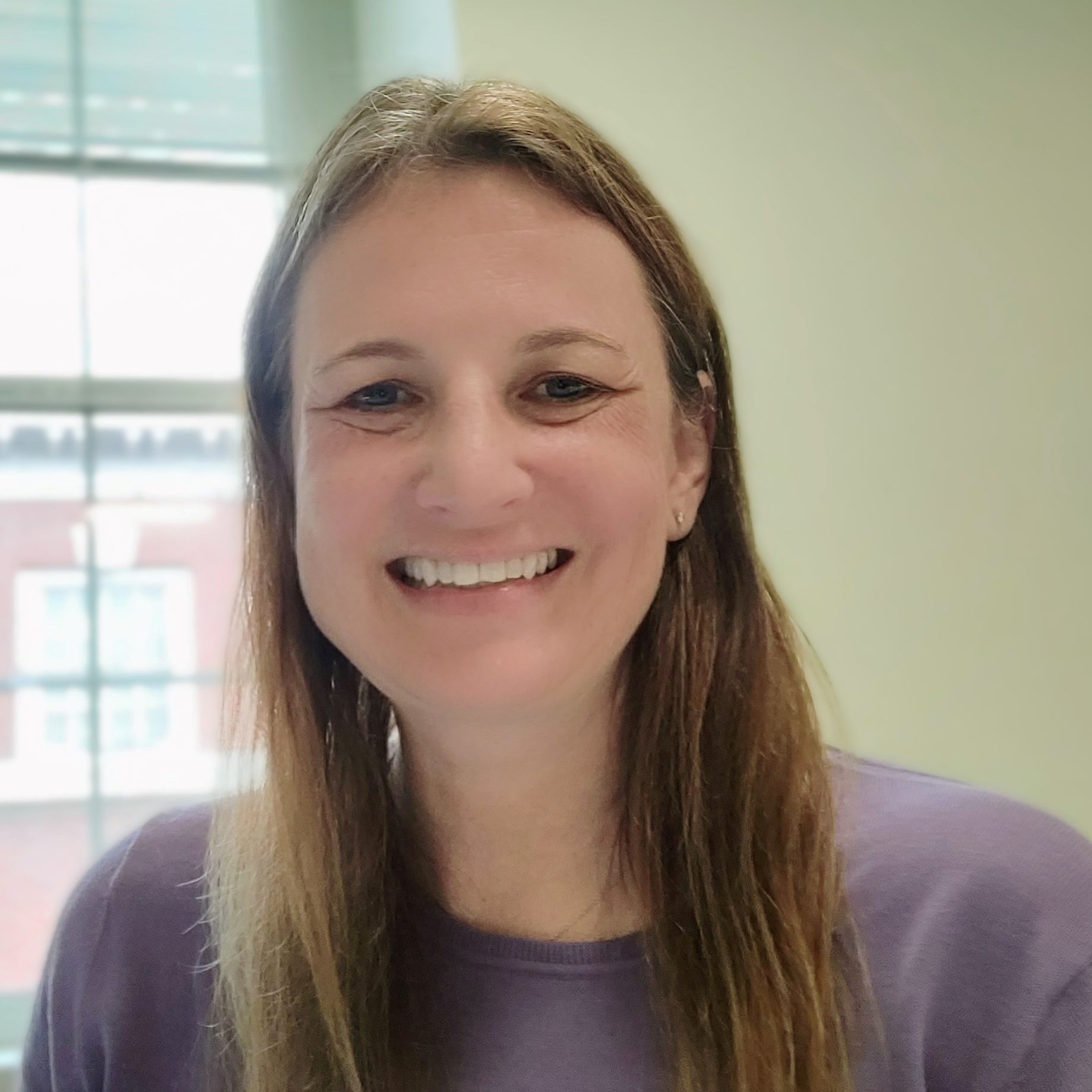
MSW student and Behavioral Health Scholar Kimberly Rios is pursuing the Certificate for Child and Youth Behavioral Health to support families who are Spanish speaking and struggling with mental health. Her personal interest in child behavioral health comes from her aspiration “to be the adult that I needed when I was a child,” she says.
“Sometimes, Spanish speaking families stigmatize mental health, and it is important to validate our lived experiences,” Rios says.
As part of the certificate program, students are required to take the courses Clinical Conditions with Children and Adolescents and Core Components and Skills for Trauma-Informed Practice with Children and Youth.
Students then choose one of three electives: Child & Adolescent Trauma and Mental Health; Evidence-Based Practice/Family Intervention: Current Trends; Direct Practice in School; or Child Maltreatment: History, Theory, Prevention and Intervention.
In Direct Practice in Schools (DSEL 5320), course instructor Lester-Harriat teaches students to assess, intervene, and collaborate within complex school systems.
“We focus on evidence-based behavioral health interventions, multidisciplinary teaming, crisis response, and engaging families as essential partners. These are the day-to-day skills required of school social workers who are supporting young people facing significant stress, trauma, and unmet mental health needs,” she says.
This certificate ensures that students enter the field not only with strong clinical foundations, but with the specialized tools and confidence needed to support children and adolescents in the settings where they live and learn.
“With this new certificate, UConn SSW aims to strengthen the behavioral health workforce and better prepare future social workers to meet the complex mental health needs of children and youth across the state and nation,” Schwartz says.