As Connecticut heads into the peak of summer, weather patterns linked to El Niño are expected to bring a mix of higher heat, humidity, and the potential for both drought and intense storms. While emergency responders and municipalities play a critical role during disasters, UConn Extension experts provide information so preparedness can begin at home.
“Emergency managers have to prioritize life-threatening situations first,” notes Juliana Barrett, extension educator emerita with Connecticut Sea Grant and UConn Extension. “That means individuals and families need to be ready to take care of themselves, especially in the early stages of an emergency.”
Understanding El Niño’s Local Impact
El Niño is a naturally occurring climate pattern driven by unusually warm ocean temperatures in the Pacific. When sea surface temperatures rise significantly, weather patterns shift across the globe.
In Connecticut, the effects typically become more noticeable by mid- to late summer, as residents already experienced in early July. Conditions include:
- Higher-than-average temperatures and humidity
- Additional heat waves, often peaking in mid-July
- Drier early summer conditions, increasing drought risk
- Greater wildfire potential in dry areas
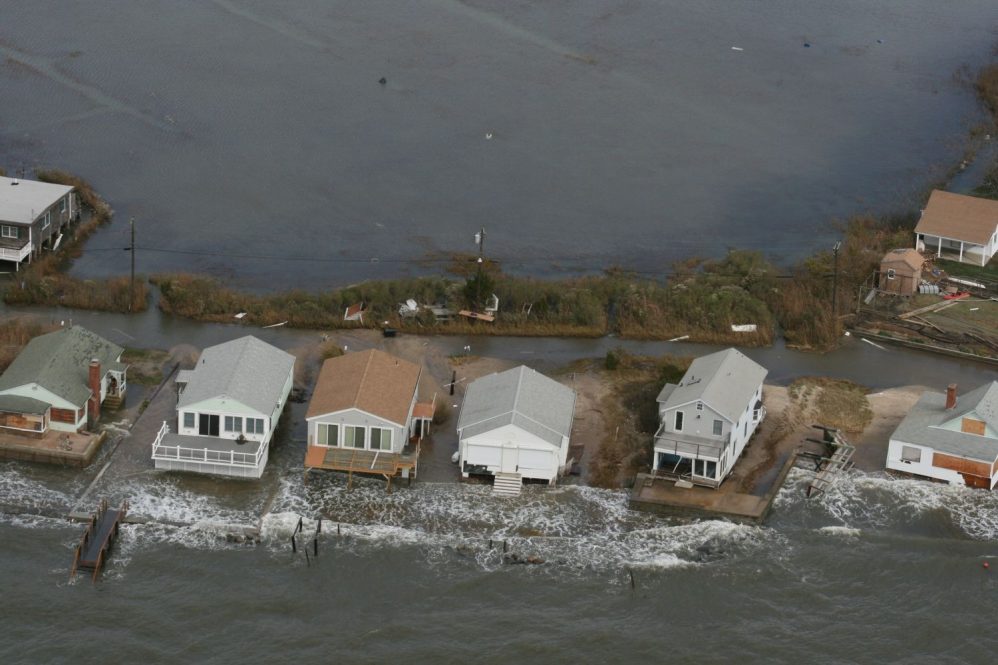
- Periods of intense rainfall that can lead to flash flooding
While these shifts may seem unpredictable, they share one common thread: they increase the likelihood of disruptions that can affect daily life, including power outages, poor air quality, and travel hazards.
A Common Gap: Lack of Basic Preparedness
Despite growing awareness of climate-related risks, many residents remain unprepared for even short-term disruptions, including basic emergency supplies such as flashlights, batteries, and stored drinking water.
Preparedness can feel overwhelming or even unsettling, which causes many people to delay action. However, even small steps can make a meaningful difference.
Five Steps to Get Started
UConn Extension experts recommends a simple, practical approach to preparedness:
- Identify a Trusted Information Source
Not everyone relies on the same channels for news and updates. Some residents trust local television, while others rely on social media or direct alerts. The key is to choose a reliable source and check it regularly during extreme weather events.
- Build a Basic Emergency Kit
Start with widely available, affordable items:
- Flashlights and extra batteries
- Drinking water (at least one gallon per person per day)
- Shelf-stable food
- A battery-powered or hand-crank radio
- Phone chargers or backup power sources
- Plan for Power Outages Year-Round
How you respond to a power outage depends on the season:
- Summer: Prepare for heat by identifying cooling centers and ensuring access to drinking water
- Winter: Focus on staying warm safely, including extra blankets and alternative heat sources if available
Thinking through these scenarios in advance can reduce stress when outages occur.
- Sign Up for Emergency Alerts
Many municipalities and the state offer alert systems that provide critical updates. However, not all towns use the same platforms, and adoption varies. Residents should sign up for both local and statewide notifications whenever possible.
- Check on Neighbors
Preparedness is also about community. Older adults in particular may benefit from additional support during extreme weather events. Extension has found strong interest from organizations serving older adults, where demand for preparedness information continues to grow.
Why Individual Preparedness Matters
Connecticut’s emergency management system is facing increasing pressure. With 169 municipalities, preparedness efforts vary widely, and many local programs rely on limited staff or volunteers. As extreme weather events become more frequent, gaps in capacity are becoming more apparent.
“We’re seeing fewer people responsible for more preparedness work,” Barrett says. “That makes individual readiness even more important.”
At the same time, progress is being made. Utilities and emergency systems have improved significantly since major storms like Tropical Storm Irene and Superstorm Sandy, with better forecasting and communication tools now in place. Still, those systems work best when residents are also prepared.
UConn Extension is working to simplify preparedness through workshops, printed materials, and online resources tailored to local communities. These programs focus on practical, actionable steps that people can take without significant time or expense.
“Even if you’re not ready to create a full emergency plan, just start thinking about it,” Barrett advises. “That awareness alone is a critical first step.”
Extreme weather is becoming more interconnected, with heat, drought, heavy rainfall, and air quality issues often occurring in combination. Preparing for one type of event can help build resilience for others.
UConn Extension has other resources that can help communities and businesses be prepared. The Extension Disaster Education Network (EDEN) is a nationwide community of Extension professionals that UConn Extension participates in. UConn’s EDEN website has resources for farms, municipalities, and residents to prepare for weather-related disasters.
With El Niño expected to influence conditions throughout the season, now is an ideal time to take simple, proactive steps. Preparedness does not require perfection. It starts with a flashlight, a plan, and the understanding that readiness begins at home.
UConn Extension is part of the College of Agriculture, Health and Natural Resources and fulfills the land-grant mission of translating the university’s research for the public. UConn Extension’s statewide locations and programs help serve all 169 Connecticut municipalities. Programs include health and wellbeing, agriculture, horticulture, natural resources, and positive youth development. UConn Extension provides answers you can trust on issues ranging from health and wellness to agriculture, horticulture, natural resources, and positive youth development.
Follow UConn CAHNR on social media