In Connecticut, Latinos experience substantial health inequities exacerbated by social and economic disparities. Health disparities in Hartford are pronounced, with Latinas disproportionately burdened by chronic conditions due to historical factors creating oppressive conditions based on gender, race, and ethnicity.
Spanish language story included below. / Encuentra la historia en español abajo.
The Hispanic Health Council (HHC) and the UConn Health Disparities Institute (HDI) are teaming up to do something about it. With funding from the Patient-Centered Outcomes Research Institute® (PCORI®), HHC’s and HDI’s goal is to increase patient and community voice in decision-making, specifically in patient-centered comparative clinical effectiveness research (CER) that helps people make informed healthcare decisions and improves healthcare delivery and outcomes by producing evidence from research guided by patients, their caregivers and the broader health and healthcare community.
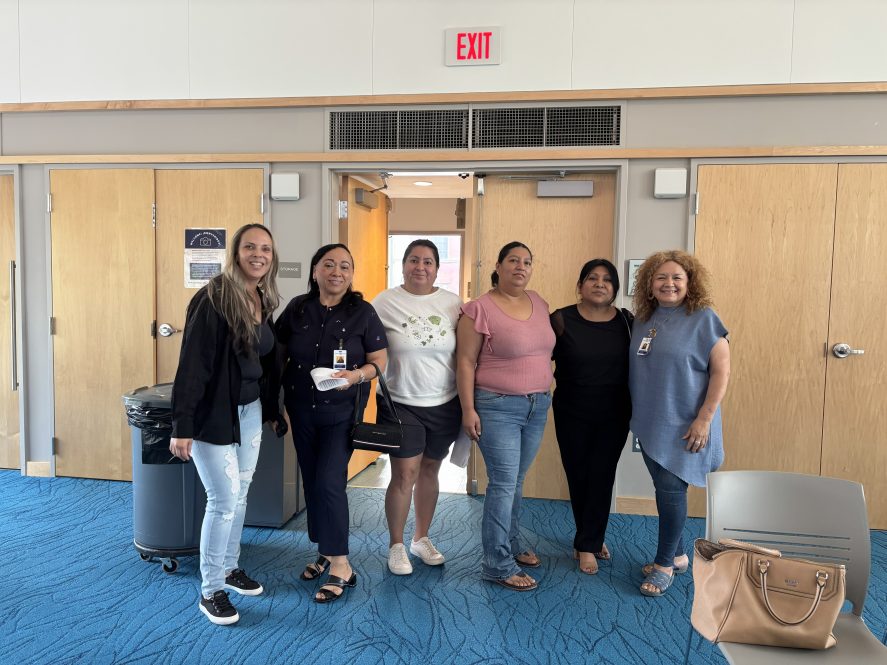
To this end, HDI and HHC convened the Patient Action Leaders Advancing Novel, Transformative, Equitable Healthcare community research team (PA’LANTE team), a group of Latina women from Hartford, to identify patient-centered CER priorities and interests that will improve Latina health.
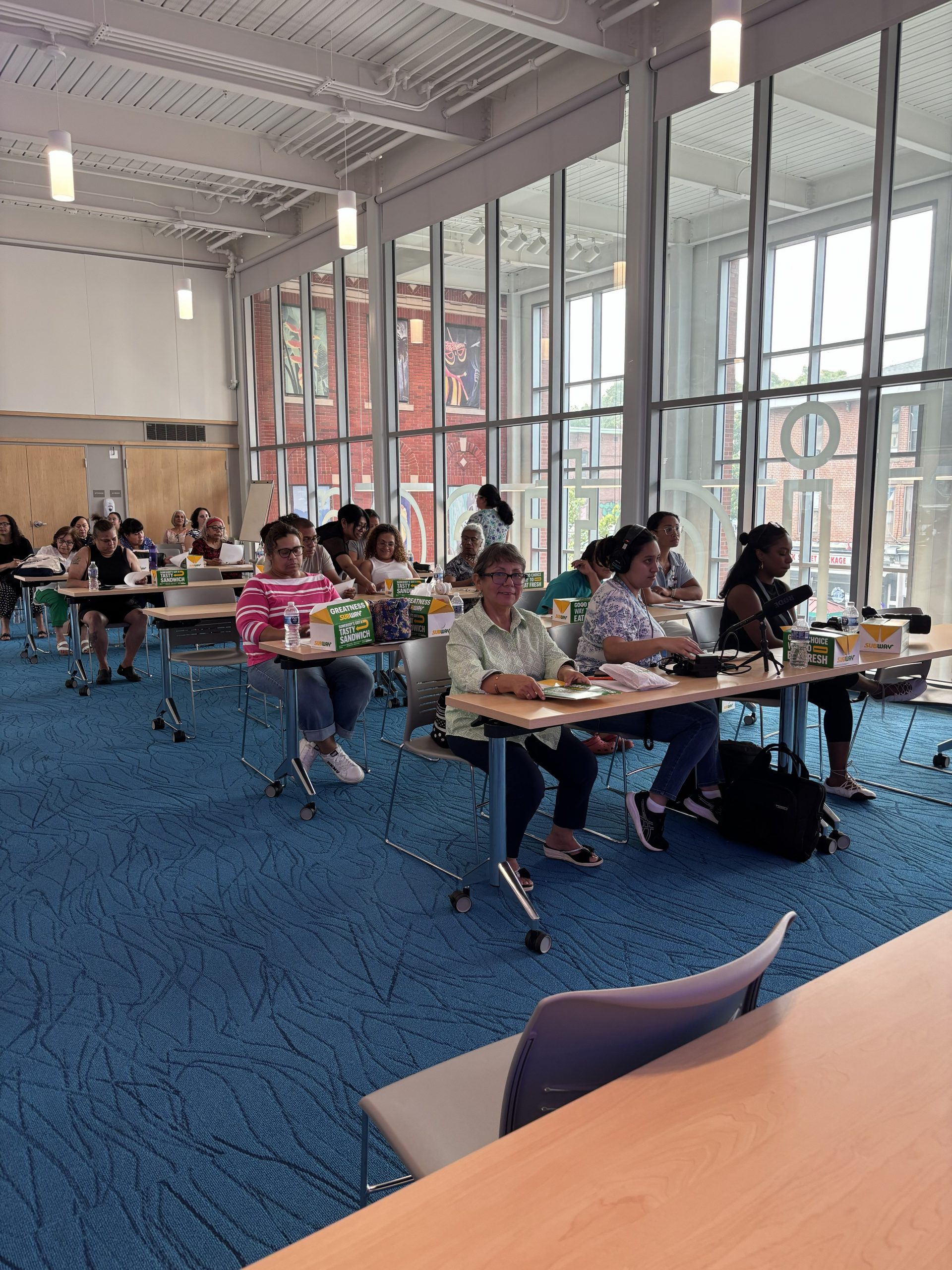
As part of this project, this past Thursday at the Hartford Public Library Park Street Branch, the PA’LANTE team hosted a bilingual English-Spanish community forum focused on amplifying Latina voices to improve healthcare in Connecticut. The forum brought together community members, healthcare providers, and researchers. The PA’LANTE team started by sharing findings from a community assessment they designed and conducted to hear from Latinas about their healthcare experiences and priorities. They heard from 118 Latinas in the greater Hartford area.
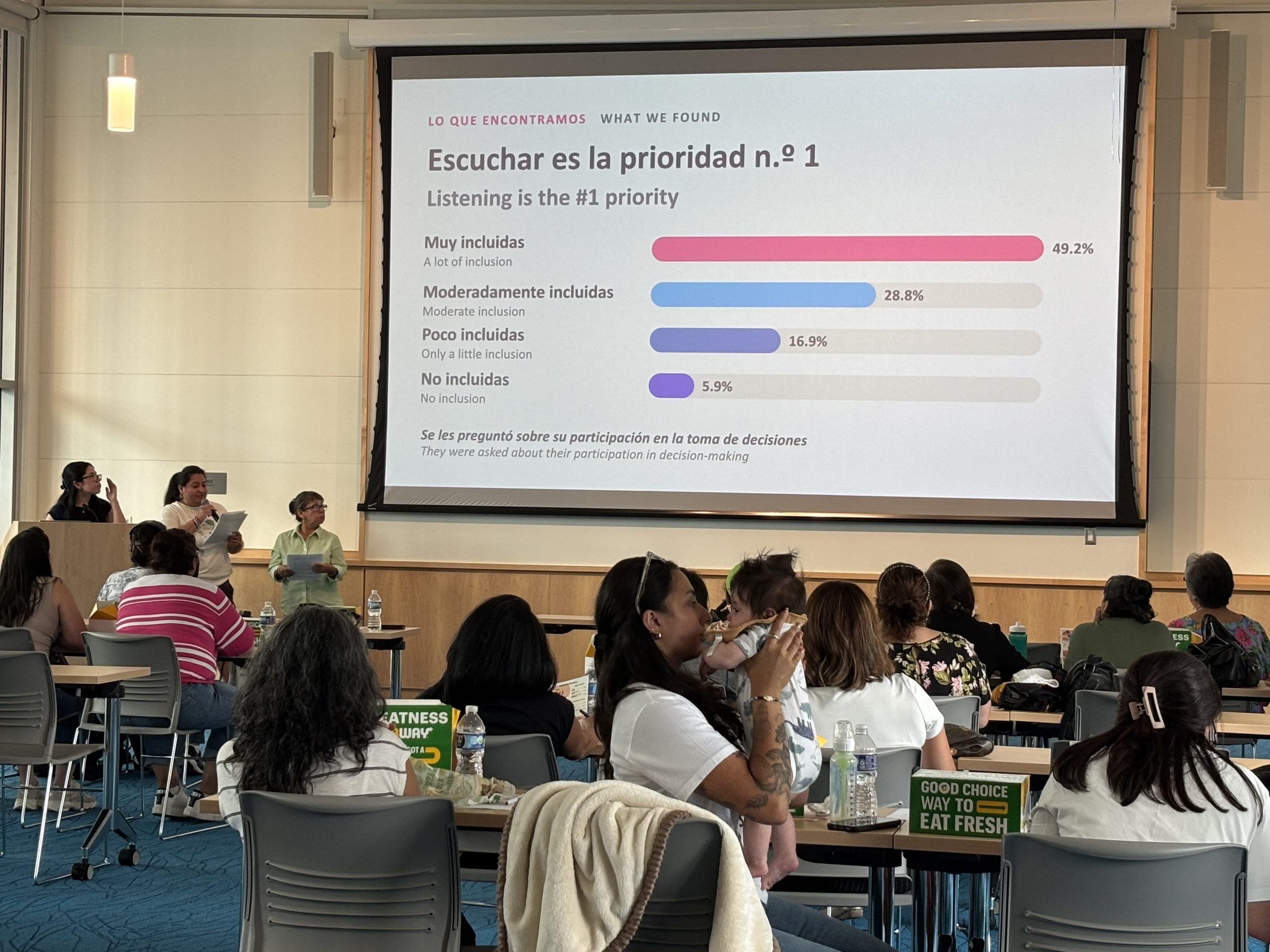
Manuela Reyes, PA’LANTE team member, highlighted some of the findings. “Aquí hay algo que nos llamó mucho la atención. En la encuesta, muchas mujeres dieron calificaciones positivas: el 66% dijo que su doctor las escucha. Pero cuando les dimos espacio para escribir con sus propias palabras, contaron una historia diferente. Solo el 8% dijo que el doctor les pregunta su opinión. Muchas de nosotras crecimos pensando que al doctor no se le duda ni se le pregunta, que solo se le hace caso. Por eso, a veces decimos que todo está bien, aunque por dentro tengamos dudas. También vimos que las mujeres sin seguro médico se sintieron menos tomadas en cuenta. Y que la salud mental fue donde menos contentas se sintieron.”
“Here’s something that caught our attention. In the survey, many women gave positive ratings: 66% said their doctor listens to them. But when we gave them space to write in their own words, they told a different story. Only 8% said the doctor asks for their opinion. Many of us grew up thinking that the doctor is not doubted or asked, that he is only listened to. That’s why we sometimes say that everything is fine, even if inside we have doubts. We also saw that women without health insurance felt less taken into account. And that mental health was where they felt least happy.”
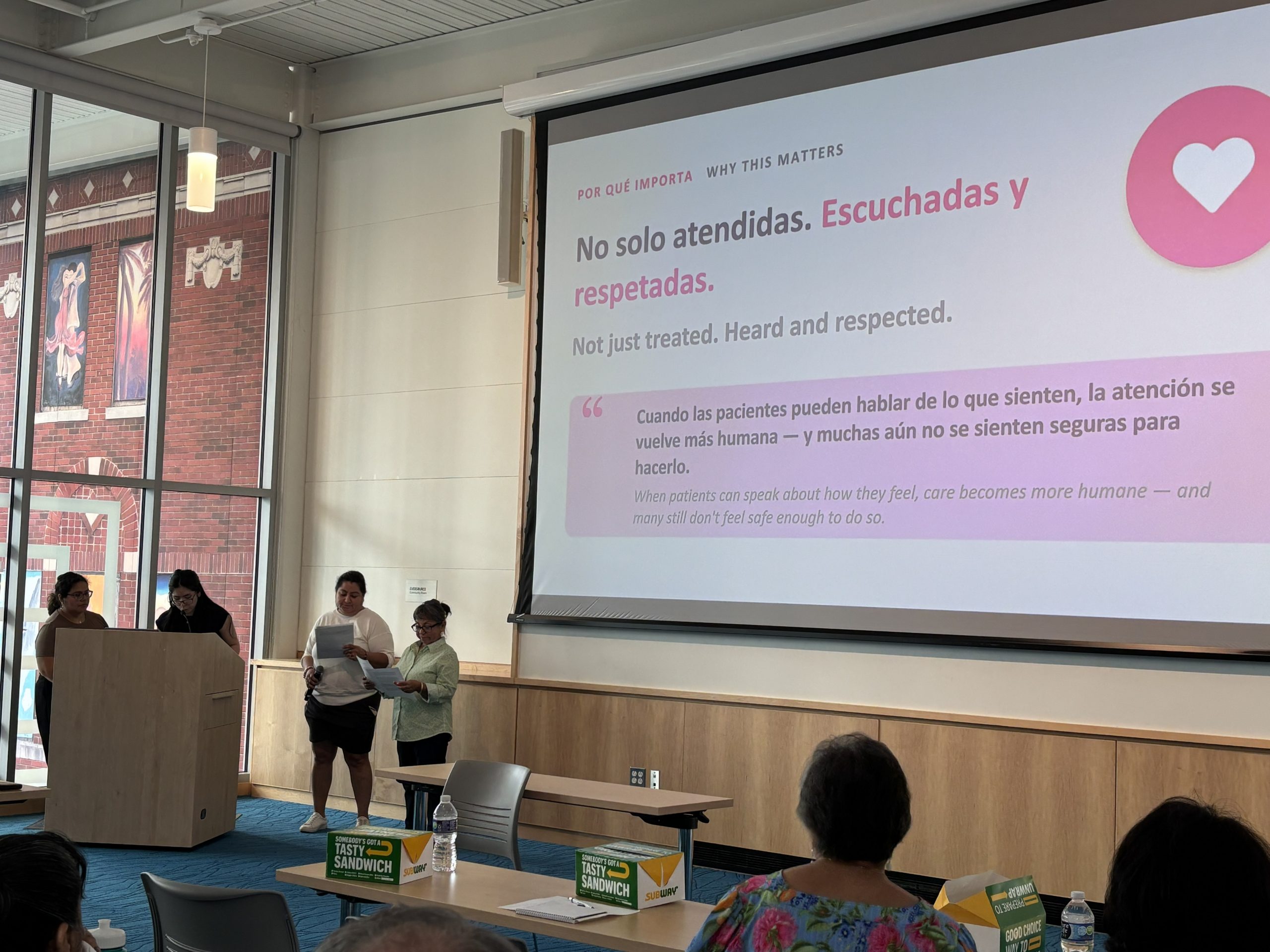
Julissa Díaz, PA’LANTE team member, concluded with the main takeaways from the assessment. “Cuando las mujeres hablaron con sus propias palabras, pidieron cinco cosas, una y otra vez. Uno: que las escuchen. Dos: que las traten con respeto y las incluyan en las decisiones. Tres: que les hablen en su idioma. Cuatro: que les den información clara con explicaciones. Y cinco: que les den más tiempo en la cita. Cinco cosas sencillas pero importantes. Cinco cosas justas.”
“When the women spoke in their own words, they asked for five things, over and over again. One: that they listen to them. Two: that they treat them with respect and include them in decisions. Three: to be spoken to in their language. Four: that they give them clear information with explanations. And five: that they give them more time at the appointment. Five simple but important things. Five fair things.”
Following the presentation of findings, two community members gave testimonials on their healthcare experiences. Yaritza Mogollon Alicea spoke about being a new mother who was excited to breastfeed her baby but experienced significant difficulties breastfeeding. She repeatedly sought support, but none was provided. Mogollon Alicea said, “Me pregunto cuántas otras madres, madres primerizas, querrían dar el pecho pero se rendirían porque esperaron ayuda que nunca llegó.”
“I wonder how many other mothers, first-time mothers, wanted to breastfeed but gave up because they waited for help that never came.”
Another community member, Luisa Joya, highlighted barriers that Latino communities face in accessing healthcare and outlined potential solutions. “Creo que ofrecer más información en español, facilitar el acceso a intérpretes y brindar apoyo para el uso de herramientas tecnológicas ayudaría a mejorar significativamente la experiencia de muchas personas de nuestra comunidad.”
“I believe that providing more information in Spanish, making interpreter services more accessible, and offering support in using technology would significantly improve the healthcare experience of many people in our community.”
The PA’LANTE team then guided the audience in an activity to hear their reactions to the information presented and their own experiences. These themes resonated with forum attendees, who spoke to a variety of topics, including the importance of mental health, diabetes care, reducing health insurance discrimination, holding hospitals accountable for investing in communities, and listening to patients.
Kenneth A. Barela, CEO of HHC, underlined the importance of this work. “True health research begins by listening. This gathering reflects the heart of the PA’LANTE initiative, bringing community members, researchers, and healthcare partners together as equal voices in shaping the future of Latina health. Through our partnership with HDI and support from PCORI®, we’re building a model where community experience is valued as essential evidence, ensuring that future research is grounded in the priorities, lived experiences, and aspirations of the people it is intended to serve.”
Dr. Linda Sprague Martinez, UConn Health HDI director and UConn School of Medicine professor, spoke to the impact of this initiative. “Addressing health disparities necessitates patients leading the way in defining research priorities. The PA’LANTE team is developing a patient‑centered comparative effectiveness research agenda for Latina health in Connecticut that is rooted in lived experience and community power. When Latina women set the agenda, we move beyond documenting disparities, we build the evidence needed to transform systems, so they finally respond to the people they are meant to serve.”
As equitable research partners, the PA’LANTE team is leveraging their lived experience and expertise to influence research to be more patient-centered, relevant and useful. Both this forum discussion and their assessment findings will inform the development of patient-centered CER priorities and interests to improve healthcare delivery and outcomes among Latinas in Connecticut.
PA’LANTE means “keep moving forward”. The PA’LANTE community research team is a group of Latina women from Hartford, CT who came together to improve healthcare for Latinas in their communities. PA’LANTE formed from Mujeres Empoderadas en Acción or the Women’s Empowerment Support Group at HHC.
The mission of HHC is to promote equity and address health disparities for Hispanics, Latinos, and other vulnerable communities through research, advocacy, and culturally resonant services.
Acknowledgements: This project was funded through a Patient-Centered Outcomes Research Institute® (PCORI®) Eugene Washington PCORI® Engagement Award (EACB-38982).
Note, the statements presented in this publication are solely the responsibility of the author(s) and do not necessarily represent the views of PCORI®.
Líderes de Acción de Pacientes Avanzando una Atención Médica Novedosa, Transformadora y Equitativa (PA’LANTE): Amplificando las voces de las latinas para mejorar la atención médica en Connecticut
En Connecticut, las personas latinas experimentan importantes inequidades en salud agravadas por disparidades sociales y económicas. Las disparidades de salud en Hartford son significativas, y las mujeres latinas enfrentan una carga desproporcionada de condiciones crónicas debido a factores históricos que han creado condiciones opresivas basadas en el género, la raza y la etnicidad.
El Consejo Hispano de Salud (HHC) y el UConn Instituto de Disparidades en Salud (HDI) están trabajando juntos para abordar esta situación. Con financiamiento del Instituto de Investigación de Resultados Centrados en el Paciente (PCORI®), el objetivo de HHC y HDI es aumentar la participación de los pacientes y la comunidad en la toma de decisiones, específicamente en la investigación comparativa de efectividad clínica centrada en el paciente (CER, por sus siglas en inglés), que ayuda a las personas a tomar decisiones informadas sobre su atención médica y mejora la prestación de servicios y los resultados de salud al generar evidencia basada en investigaciones guiadas por pacientes, sus cuidadores y la comunidad de salud y atención médica en general.
Con este propósito, HDI y HHC convocaron al equipo comunitario de investigación Líderes de Acción de Pacientes que Promueven una Atención Médica Nueva, Transformadora y Equitativa (PA’LANTE), un grupo de mujeres latinas de Hartford, para identificar prioridades e intereses de CER centrados en el paciente que mejoren la salud de las latinas.
Como parte de este proyecto, el jueves pasado en la sucursal Park Street de la Biblioteca Pública de Hartford, el equipo PA’LANTE organizó un foro comunitario bilingüe en inglés y español enfocado en amplificar las voces de las latinas para mejorar la atención médica en Connecticut. El foro reunió a miembros de la comunidad, proveedores de atención médica y investigadores. El equipo PA’LANTE comenzó compartiendo los hallazgos de una evaluación comunitaria que diseñaron y llevaron a cabo para conocer las experiencias y prioridades de las latinas con respecto a la atención médica. Escucharon a 118 mujeres latinas del área metropolitana de Hartford.
Manuela Reyes, miembro del equipo PA’LANTE, destacó algunos de los hallazgos. “Aquí hay algo que nos llamó mucho la atención. En la encuesta, muchas mujeres dieron calificaciones positivas: el 66% dijo que su doctor las escucha. Pero cuando les dimos espacio para escribir con sus propias palabras, contaron una historia diferente. Solo el 8% dijo que el doctor les pregunta su opinión. Muchas de nosotras crecimos pensando que al doctor no se le duda ni se le pregunta, que solo se le hace caso. Por eso, a veces decimos que todo está bien, aunque por dentro tengamos dudas. También vimos que las mujeres sin seguro médico se sintieron menos tomadas en cuenta. Y que la salud mental fue donde menos contentas se sintieron.”
Julissa Díaz, miembro del equipo PA’LANTE, concluyó con los principales aprendizajes de la evaluación. “Cuando las mujeres hablaron con sus propias palabras, pidieron cinco cosas, una y otra vez. Uno: que las escuchen. Dos: que las traten con respeto y las incluyan en las decisiones. Tres: que les hablen en su idioma. Cuatro: que les den información clara con explicaciones. Y cinco: que les den más tiempo en la cita. Cinco cosas sencillas pero importantes. Cinco cosas justas.”
Después de la presentación de los hallazgos, dos miembros de la comunidad compartieron testimonios sobre sus experiencias con la atención médica. Yaritza Mogollon Alicea habló sobre su experiencia como madre primeriza que estaba emocionada por amamantar a su bebé, pero enfrentó dificultades significativas con la lactancia. Buscó apoyo repetidamente, pero no recibió ayuda. Mogollon Alicea dijo: “Me pregunto cuántas otras madres, madres primerizas, querrían dar el pecho, pero se rendirían porque esperaron ayuda que nunca llegó.”
Otra miembro de la comunidad, Luisa Joya, destacó las barreras que enfrentan las comunidades latinas para acceder a la atención médica y presentó posibles soluciones. “Creo que ofrecer más información en español, facilitar el acceso a intérpretes y brindar apoyo para el uso de herramientas tecnológicas ayudaría a mejorar significativamente la experiencia de muchas personas de nuestra comunidad.”
Luego, el equipo PA’LANTE guió a la audiencia en una actividad para escuchar sus reacciones a la información presentada y conocer sus propias experiencias. Estos temas resonaron con los asistentes al foro, quienes hablaron sobre una variedad de temas, incluyendo la importancia de la salud mental, el cuidado de la diabetes, la reducción de la discriminación relacionada con los seguros médicos, la responsabilidad de los hospitales de invertir en las comunidades y la importancia de escuchar a los pacientes.
Kenneth A. Barela, director ejecutivo de HHC, destacó la importancia de este trabajo. “Las verdaderas investigaciones de salud comienzan escuchando. Esta reunión refleja el corazón de la iniciativa PA’LANTE, reunir a miembros de la comunidad, investigadores y socios de atención médica como voces iguales para dar forma al futuro de la salud de las latinas. A través de nuestra colaboración con HDI y el apoyo de PCORI®, estamos construyendo un modelo donde la experiencia de la comunidad se valora como evidencia esencial, asegurando que las futuras investigaciones estén basadas en las prioridades, experiencias vividas y aspiraciones de las personas a quienes tienen la intención de servir.”
La Dra. Linda Sprague Martínez, directora de HDI y profesora de UConn Health, habló sobre el impacto de esta iniciativa. “Abordar las disparidades de salud requiere que los pacientes lideren el camino en la definición de prioridades de investigación. El equipo PA’LANTE está desarrollando una agenda de investigación comparativa de efectividad centrada en el paciente para la salud de las latinas en Connecticut, basada en experiencias vividas y en el poder de la comunidad. Cuando las mujeres latinas establecen la agenda, vamos más allá de documentar las disparidades; construimos la evidencia necesaria para transformar los sistemas, para que finalmente respondan a las personas a quienes están destinados a servir.”
Como socios equitativos en la investigación, el equipo PA’LANTE está aprovechando sus experiencias vividas y conocimientos para influir en investigaciones más centradas en el paciente, relevantes y útiles. Tanto la discusión del foro como los hallazgos de la evaluación informarán el desarrollo de prioridades y intereses de CER centrados en el paciente para mejorar la prestación de servicios de salud y los resultados entre las latinas en Connecticut.
PA’LANTE significa “seguir avanzando.” El equipo comunitario de investigación PA’LANTE es un grupo de mujeres latinas de Hartford, CT, que se unieron para mejorar la atención médica para las latinas en sus comunidades. PA’LANTE se formó a partir de Mujeres Empoderadas en Acción, o el Grupo de Apoyo para el Empoderamiento de Mujeres de HHC.
La misión de HHC es promover la equidad y abordar las disparidades de salud para las comunidades hispanas, latinas y otras comunidades vulnerables mediante investigación, defensa y servicios culturalmente resonantes.
Descargo de responsabilidad: Las declaraciones presentadas en esta publicación son responsabilidad exclusiva de los autores y no necesariamente representan las opiniones de PCORI®.
Reconocimiento: Este proyecto fue financiado mediante el Premio de Participación Eugene Washington del Instituto de Investigación de Resultados Centrados en el Paciente® (PCORI®) (EACB-38982).