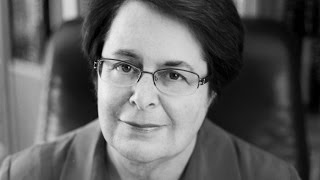
Deborah Fein, Ph.D.
Distinguished Professor, Department of Psychological Sciences
- Storrs CT UNITED STATES
Distinguished Professor focused on autism spectrum disorders and behavioral therapy for autism.
Contact More Open optionsBiography
Dr. Fein has worked on understanding and treating Autism Spectrum Disorders throughout her research and clinical careers. She has published on biological variables, cognitive development, treatment modalities, and co-authored the leading early screening instrument for autism. Recently she has investigated the spectrum of long-term outcomes, including losing the symptoms of autism.
Areas of Expertise
Education
American Academy of Professional Psychology/Clinical Neuropsychology
Diplomate
Clinical Neuropsychology
Boston University – Dept. of Psychiatry and Boston VAMC
Post-doctoral Fellowship
Neuropsychology
Rutgers University
Ph.D.
Clinical Psychology
1975Affiliations
- Fellow, International Society for Autism Research: 2019-Present
Accomplishments
Faculty Excellence Award in Graduate Teaching
University of Connecticut Alumni Association
Links
Social
Media


Media Appearances
The Autism Diagnosis That Isn't Always Permanent
MSN online
2019-03-25
Deborah Fein is a professor of psychology and pediatrics at the University of Connecticut who has done research on children no longer considered to have ASD. She says applied behavior analysis and early intervention appear to be factors that can help young children with ASD. She has been following a group of 34 children who no longer have an ASD diagnosis. In her research, while children in this group continue to have conditions like ADHD or anxiety, those rates go down over time.
Life After Autism
Slate
2015-09-09
It wasn’t until a February 2013 study, led by University of Connecticut clinical psychologist Deborah Fein and published in the Journal of Child Psychology and Psychiatry, that researchers once again began to seriously consider the possibility of recovery from autism…
Guinea Pigs Are Autistic Child’s Best Friend
The New York Times
2015-06-29
Deborah Fein, an autism expert at the University of Connecticut, underscored that distinction. “People might think that if you lower the anxiety of these children, they’ll pick up social skills incidentally,” she said…
New Study Suggests Autism Can be ‘Outgrown’
TIME
2013-01-22
The new research, published in the Journal of Child Psychology and Psychiatry and led by Deborah Fein of the University of Connecticut, involved 34 people ages 8 to 21 who had been diagnosed with autism but no longer met criteria for the condition. The initial diagnosis had to be made in writing by a doctor or psychologist specializing in autism before the child turned five. And, to make sure they were studying severe cases, researchers included only children who had not spoken before 18 months or did not use phrases before age 2…
Articles
Story Goodness in Adolescents With Autism Spectrum Disorder (ASD) and in Optimal Outcomes From ASD
Journal of Speech, Language, and Hearing ResearchAllison R. Canfield, Inge-Marie Eigsti, Ashley de Marchena, and Deborah Fein
2016 This study examined narrative quality of adolescents with autism spectrum disorder (ASD) using a well-studied “story goodness” coding system.
Use of the Modified Checklist for Autism, Revised with Follow Up-Albanian to Screen for ASD in Albania
Journal of autism and developmental disordersLaura Brennan, Deborah Fein, Ariel Como, Iris Carcani Rathwell, Chi-Ming Chen
2016 The Modified Checklist for Autism in Toddlers Revised-Albanian screener (M-CHAT-R-A) was used to screen 2594 toddlers, aged 16–30 months, at well-child visits. Two hundred fifty-three (9.75 %) screened positive; follow up on failed items were conducted by phone with 127 (50 %); the remainder were lost to follow-up. Twenty-six toddlers (21 %) continued to screen positive; 19 received full evaluations, which assessed for ASD with the Autism Diagnostic Observation Schedule and developmental delays with the Parents Assessment of Developmental Status—Developmental Milestones. All evaluated children had significant delays; 17 of the 19 met criteria for Autism/ASD. Removal of three items improved performance. Although Albania and the US are quite different in culture and language, key features of ASD appeared very similar.
Ratings of Broader Autism Phenotype and Personality Traits in Optimal Outcomes from Autism Spectrum Disorder
Journal of autism and developmental disordersJoyce Suh, Alyssa Orinstein, Marianne Barton, Chi-Ming Chen, Inge-Marie Eigsti, Nairan Ramirez-Esparza, Deborah Fein
2016 The study examines whether “optimal outcome” (OO) children, despite no longer meeting diagnostic criteria for Autism Spectrum Disorder (ASD), exhibit personality traits often found in those with ASD. Nine zero acquaintance raters evaluated Broader Autism Phenotype (BAP) and Big Five personality traits of 22 OO individuals, 27 high functioning individuals with ASD (HFA), and 23 typically developing (TD) peers. HFA children displayed higher ratings than their peers on all BAP traits. OO were indistinguishable from TD, with the exception of greater extraversion (e.g., increased talkativeness), a potential tendency to be less emotionally stable, and pragmatic language deficits such as getting sidetracked in conversation. Overall, OO individuals are not showing BAP characteristics, but may be subject to other mild ADHD-like characteristics.
Preschool Predictors of School-age Academic Achievement in Autism Spectrum Disorder
The Clinical NeuropsychologistLE Miller, JD Burke, E Troyb, K Knoch, LE Herlihy, DA Fein
2017 Characterization of academic functioning in children with autism spectrum disorder (ASD), particularly predictors of achievement, may have important implications for intervention. The current study aimed to characterize achievement profiles, confirm associations between academic ability and concurrent intellectual and social skills, and explore preschool predictors of school-age academic achievement in a sample of children with ASD.