A look back at a stellar year for UConn in areas ranging from institutional initiatives to personal achievements in academics, outreach, and athletics.
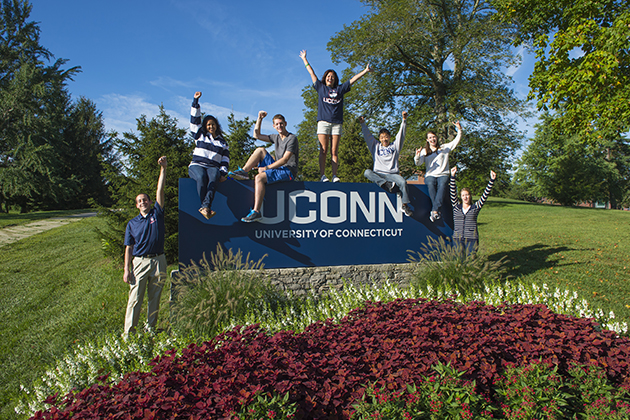
Students cheer while standing with the University sign near the corner of North Eagleville and RT 195 on Sept. 6, 2013. (Peter Morenus/UConn Photo)
The year 2013 was a stellar year for the University of Connecticut in numerous areas, ranging from major institutional initiatives to personal accomplishments in academics, public engagement, and athletics. Here’s a look back.
NEXT GENERATION CONNECTICUT
In January, Gov. Dannel P. Malloy unveiled a groundbreaking proposal, known as Next Generation Connecticut, that will greatly expand educational opportunities, research, and innovation in the science, technology, engineering, and math (STEM) disciplines at UConn over the next decade, while significantly enhancing the state’s economic development efforts. The proposal, one of the most ambitious state investments in economic development, higher education, and research in the nation, was endorsed by more than 100 businesses and other economic development entities across the state, and gained overwhelming bipartisan support in the General Assembly. It was signed into law in June.
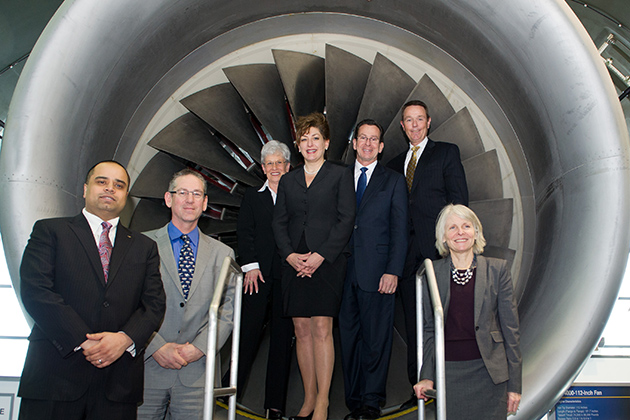
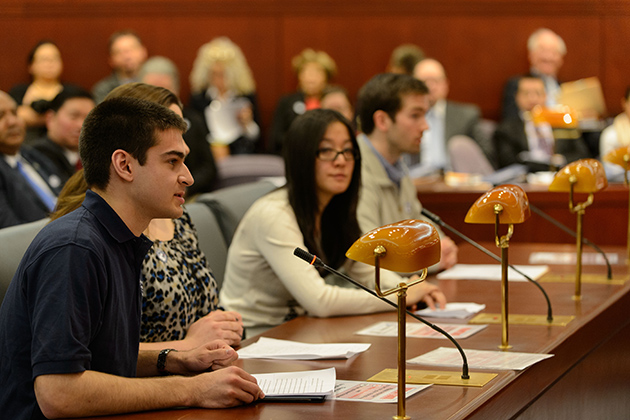
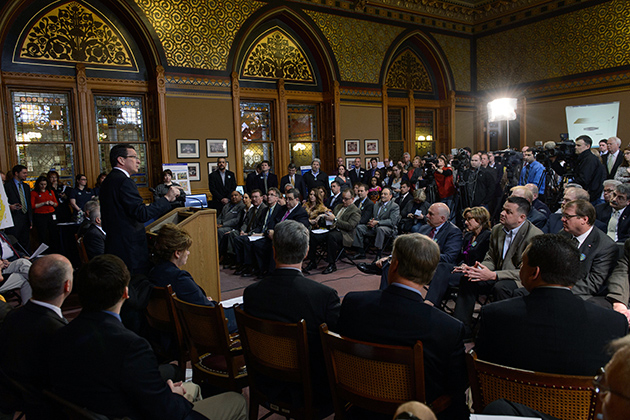
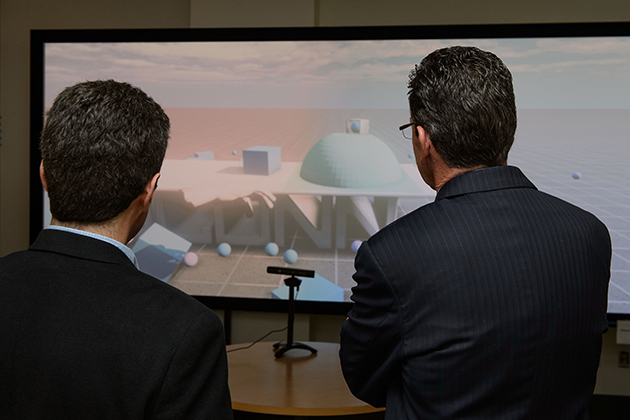
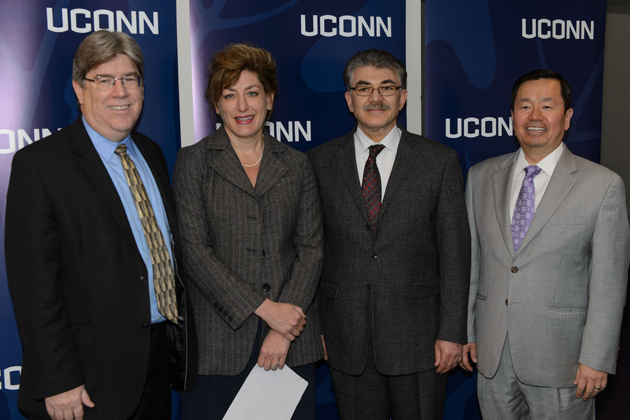
Gov. Dannel P. Malloy held a press conference on Jan. 31 at Pratt & Whitney to announce the Next Generation Connecticut proposal. (Spencer Sloan for UConn)UConn students testified in support of the Next Generation Connecticut initiative at a meeting of the finance committee of the state legislature in March. (Peter Morenus/UConn Photo)The Governor discusses Next Generation Connecticut with business leaders at the state capitol in April. (Peter Morenus/UConn Photo)UConn researcher Horea Ilies, left, shows a virtual reality demonstration to Gov. Malloy after a ceremony on campus in October to celebrate Next Generation Connecticut. (Peter Morenus/UConn Photo)
BIOSCIENCE CONNECTICUT
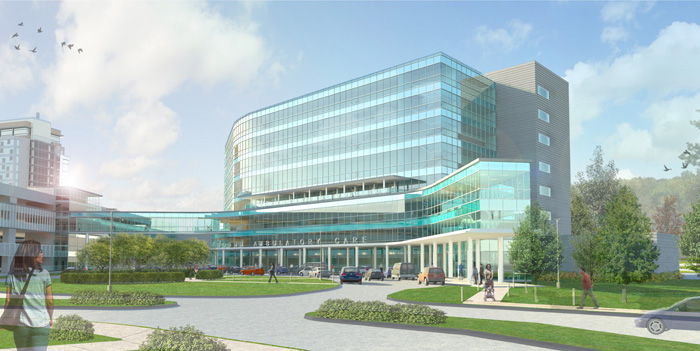
Significant progress was made in the Bioscience Connecticut initiative that was launched in 2011 as part of Gov. Dannel P. Malloy’s plan to boost Connecticut’s economy by generating long-term economic growth based on bioscience. Construction began on both the Jackson Laboratory for Genomic Medicine and the new Ambulatory Care Center at the Health Center, and a major symposium took place in September to officially establish four cross-disciplinary and cross-institutional UConn-JAX research programs in systems genomics, bringing together different areas of expertise to study important biomedical problems.
Gov. Dannel P. Malloy, center, led the groundbreaking for The Jackson Laboratory for Genomic Medicine in January, with Edison Liu, president and CEO of The Jackson Laboratory, and Lt.-Gov. Nancy Wyman. (Janine Gelineau/UConn Health Center Photo)Construction also started on a new state-of-the-art medical office building that will serve as the anchor to the Health Center’s outpatient care services on the Farmington campus. (Architect’s rendering)
MORE ECONOMIC DEVELOPMENT INITIATIVES
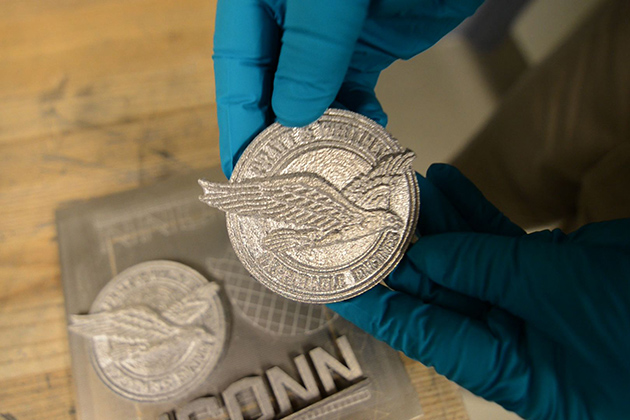
The Pratt & Whitney Additive Manufacturing Innovation Center, which will train a new generation of engineers and designers in the latest manufacturing technology, opened in April. (Angelina Reyes/UConn Photo)After an event launching the Fraunhofer Center for Energy Innovation at UConn in July, Shuai Zhao, a Ph.D. student in chemical engineering, explains her research to visitors. (Peter Morenus/UConn Photo)In November, a major gift from United Technologies Corporation launched the UTC Institute for Advanced Systems Engineering at UConn. Systems engineering focuses on optimizing the interactions between systems and components to enhance complex products. (Peter Morenus/UConn Photo)UConn’s newest department – Digital Media and Design – added new faculty members, new degree programs, and a new Digital Media Innovation Lab that was opened with a ‘digital ribbon cutting’ in October. (Peter Morenus/UConn Photo)
A NEW LOOK FOR A NEW ERA
In the spring, the University launched its new visual identity, with a striking new wordmark… and a new husky dog logo made its debut.
A GROWING REPUTATION
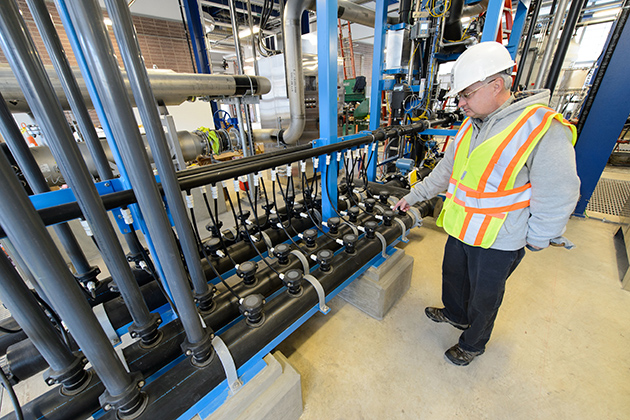
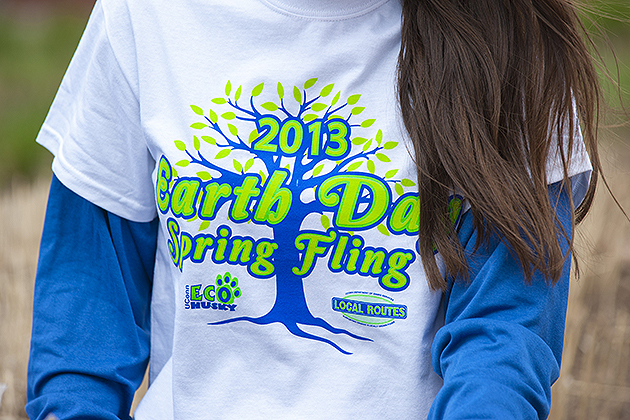
Student achievement and growing reputation were among the factors that earned UConn its highest spot to date, at #19, in U.S. News & World Report’s ranking of public universities.The University also won Sierra Magazine’s top ranking as the coolest school for its efforts to encourage sustainability, green technology, and environmental stewardship. UConn’s ecofriendly initiatives in 2013 included …a new water reclamation facility … (Peter Morenus/UConn Photo)and a Spring Fling festival on Fairfield Way to celebrate Earth Day. (Sean Flynn/UConn Photo)
STUDENTS
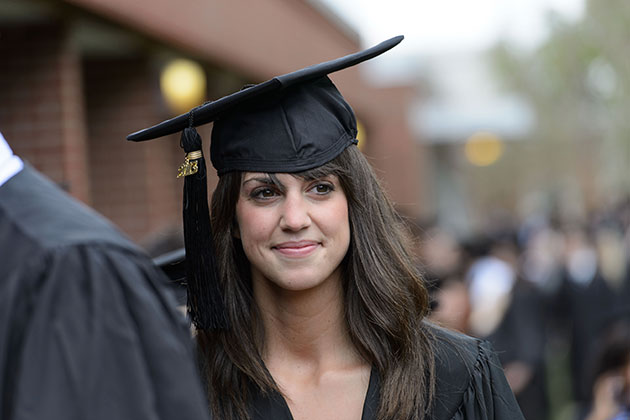
Students in the Class of 2013 became graduates, having made their mark on the University in an impressive variety of ways; and members of the Class of 2017 embarked upon their own UConn journeys, bringing with them a wealth of academic talent and high aspirations.
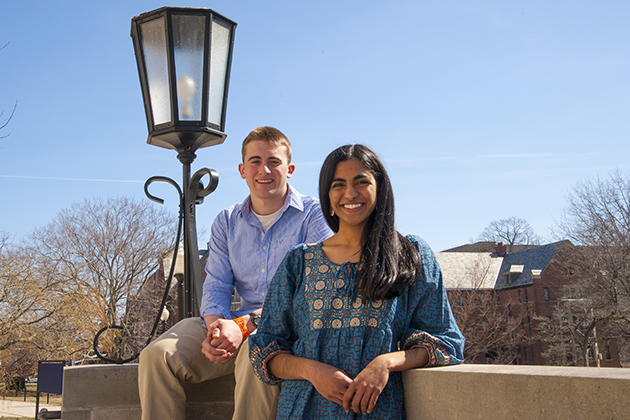
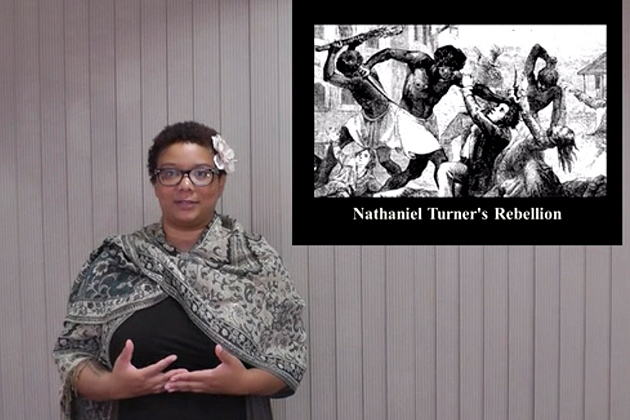
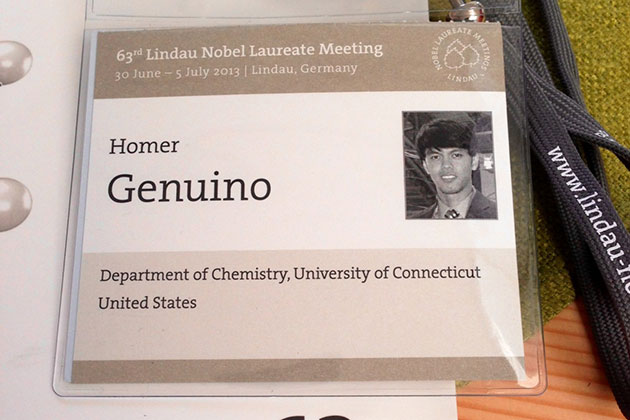
Erin Dinnan of Southington was among the thousands of students who graduated in 2013 and were welcomed into the worldwide community of UConn alumni. (Peter Morenus/UConn Photo)The Class of 2017 is the most academically qualified and diverse incoming freshman class in the history of the University.Ragini Phansalkar ’14 (CLAS & ENG), right, was named a Goldwater Scholar, and Nicholas Gallo ’14 (CLAS) earned an honorable mention. (Sean Flynn/UConn Photo)Three undergraduates and a graduate student received Graduate Research Fellowships from the National Science Foundation. (Ariel Dowski ’14 (CLAS)/UConn Photo)Undergraduate students organized the first TEDxUConn event, with speakers from academia, industry, and medicine offering their 18-minute takes on technological, sociocultural, and global trends. (Shervin Etemad/UConn Photo)Miller Oberman, a Ph.D. candidate in poetry, won a national award from Poetry magazine for her translation of an Old English rune poem, the first student to win the award in the 13-year history of the prize. (Ariel Dowski ’14 (CLAS)/UConn Photo)Vanessa Lovelace, a graduate student in political science, won 1st place and People’s Choice in the Graduate School’s new Three-Minute Thesis competition. (Vanessa Lovelace/UConn Photo)A UConn Ph.D. student in chemistry attended the Lindau Nobel Laureate Meeting in Germany, an opportunity to meet face-to-face with more than 30 Nobel Prize-winners in the sciences. (Homer Genuino/UConn Photo)
FACULTY
UConn’s faculty hiring initiative, begun two years ago, is already paying dividends. Since that time, the University has hired 188 individuals, and the student/faculty ratio has steadily decreased. Faculty members both new and established are making an impact and winning national and international recognition for their accomplishments.
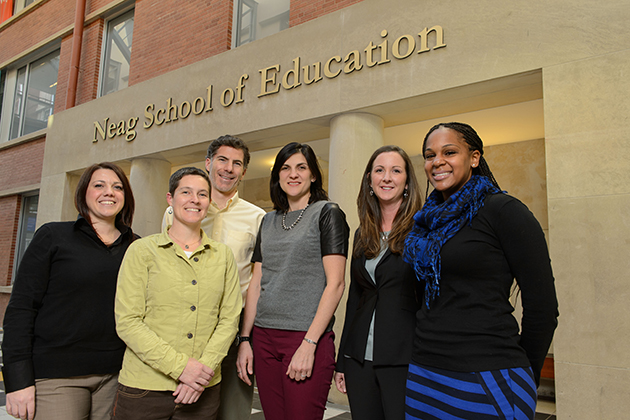
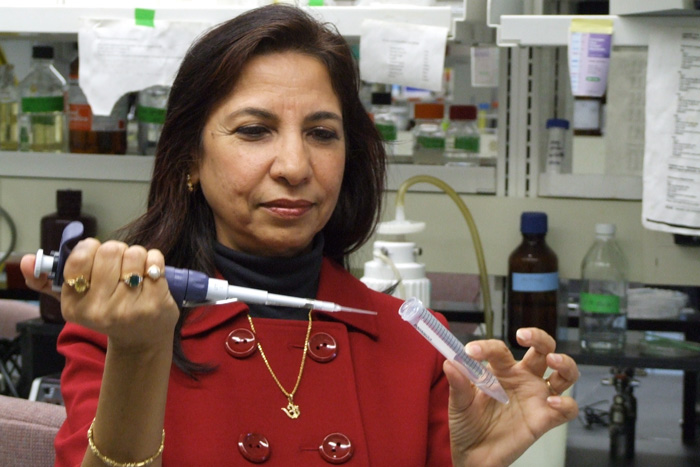
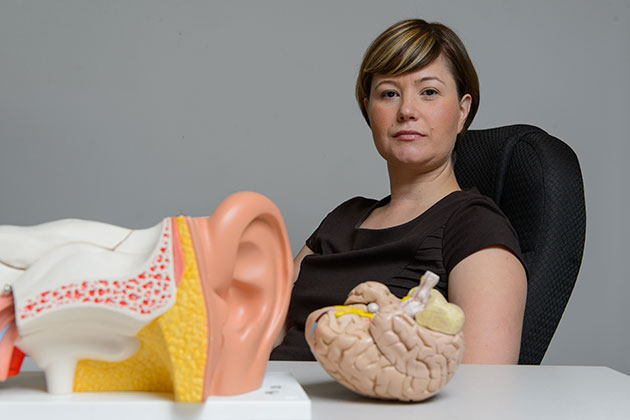
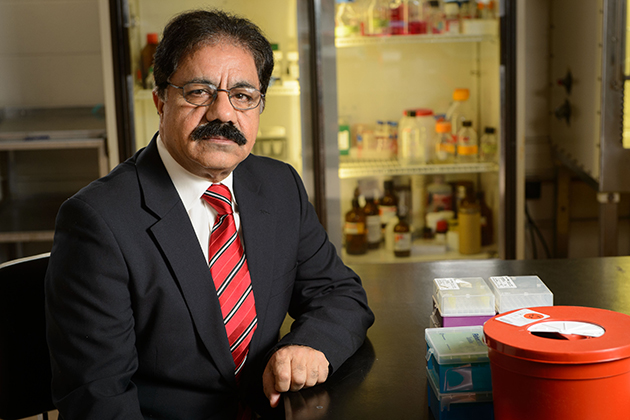
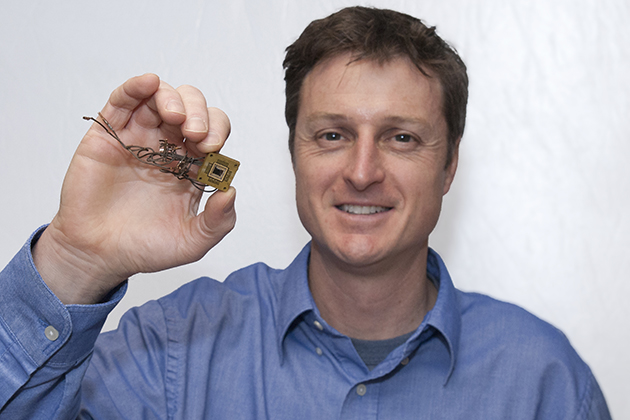
New faculty members Paul Herrnson, Jelani Cobb, and Annabelle Rodriguez-Oquendo are among the senior academics who have joined the University recently.The hiring initiative has enabled UConn to establish or expand clusters of researchers on critical issues, such as this group of new faculty focusing on closing the education achievement gap. (Peter Morenus/UConn Photo)Neuroscience professor Rashmi Bansal received the Javits Neuroscience Investigator Award, a seven-year federal grant, for her study of neurodegenerative diseases. (Chris Defrancesco/UConn Health Center Photo)Erika Skoe, a new assistant professor of speech, language, and hearing sciences, published research showing that children of parents with low levels of education hear differently than their peers. (Peter Morenus/UConn Photo)Pathobiologist Mazhar Khan earned accolades in China for his research developing diagnostic tests and vaccines to help prevent the spread of avian influenza. (Peter Morenus/UConn Photo)A technique patented by biomolecular and chemical engineering researcher Brian Willis could make solar energy cost-competitive with fossil fuels. (Sean Flynn/UConn Photo)
ALUMNI
From Storrs to New York City to the International Space Station, UConn alums continued to reach for the stars, and to keep the connections strong with each other and with their alma mater.
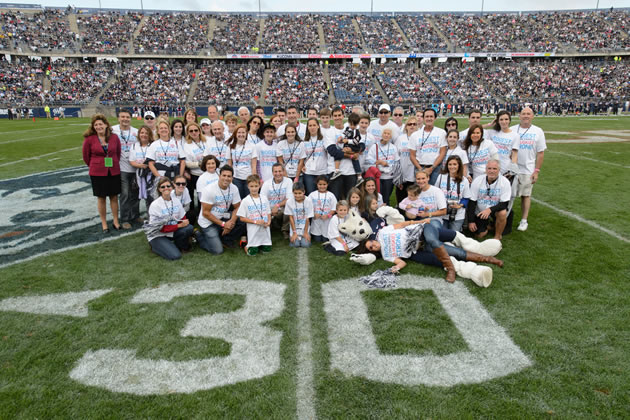
Wally Lamb shared excerpts from his new book ‘We are Water,’ during a book launch event at the UConn Co-op in October. (Juanita Austin ’15 (CLAS)/UConn Photo)The Stamos/Heerdt/Vartelas/Vlandis family was deemed the ‘Biggest UConn Family.’ Many family members attended the Homecoming game at Rentschler Field. (Peter Morenus/UConn Photo)Recent graduate, Dan Rousseau ’08 (SFA) won an Emmy Award for Outstanding Lighting Direction for NBC News’ coverage of the 2012 Presidential election. (Anthony Quintano/NBC News)NASA astronaut and UConn alumnus Rick Mastracchio ’82 (ENG) embarked on his fourth trip to the International Space Station. (NASA Photo)
BUILDING COMMUNITY AT HOME
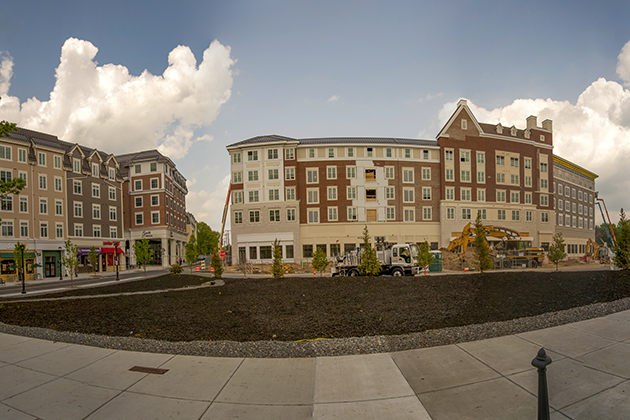
The new Storrs Center is fast becoming a destination for local residents, visitors, students, and others in the University community, while the UConn Reads program, now in its third year, is helping forge ties among the UConn community on campus and beyond.
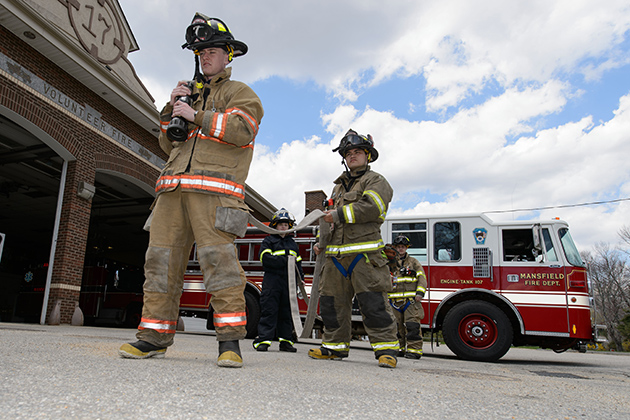
New housing, businesses, and other services opened throughout the year at Storrs Center. (Sean Flynn/UConn Photo)Marjane Satrapi’s ‘Persepolis,’ a graphic novel set in Tehran during the Islamic Revolution and the Iran-Iraq War, was selected as the 2013-14 UConn Reads book. (Ariel Dowski ’14 (CLAS)/UConn Photo)A performance of Beethoven’s 9th Symphony in November brought together choral and orchestral groups from across campus and the local community. (Ariel Dowski/UConn Photo)A handful of UConn students learned professional firefighting skills while helping out in the community as volunteers with the Mansfield Fire Department. (Peter Morenus/UConn Photo)
ENGAGING WITH THE BROADER COMMUNITY
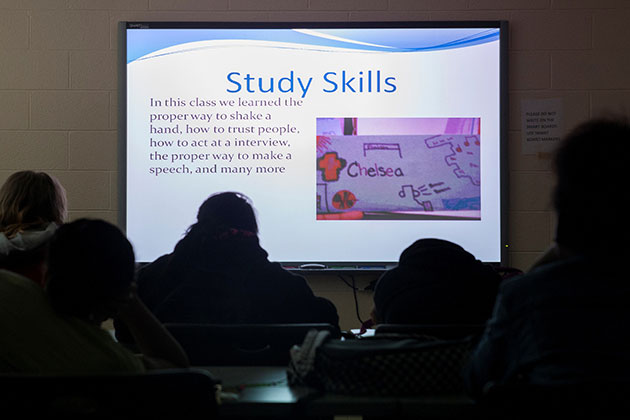
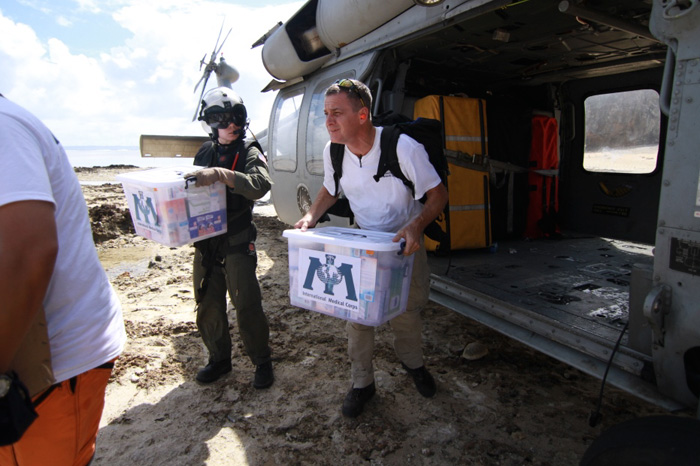
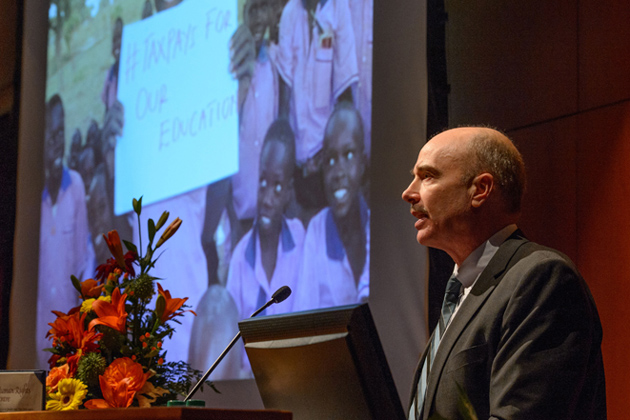
UConn was among five universities named to the 2013 President’s Higher Education Community Service Honor Roll, the highest honor a university can receive for its work in service-learning programs, civic engagement, and commitment to volunteerism.A new residential summer program for high school students in foster care, UConn’s First Star Academy, offered 19 foster kids from across the state the opportunity to form bonds, earn college credits, and learn that college is not beyond their reach. (Sean Flynn/UConn Photo)Dr. Robert Fuller, medical director of the UConn Health Center Emergency Department, led an International Medical Corps team providing emergency medical care to survivors of the typhoon in the Philippines. (International Medical Corps/Margaret Aguirre)UConn’s 2013 Thomas J. Dodd Prize in International Justice and Human Rights was awarded to The Business and Human Rights Resource Centre in November, in recognition of the increasing role that businesses can have in promoting human rights in a global economy. (Peter Morenus/UConn Photo)
ATHLETICS
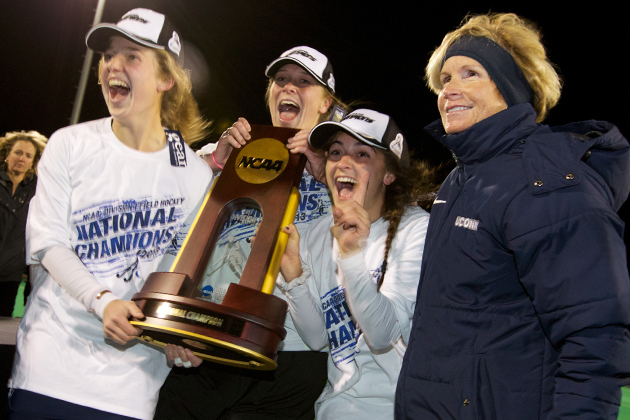
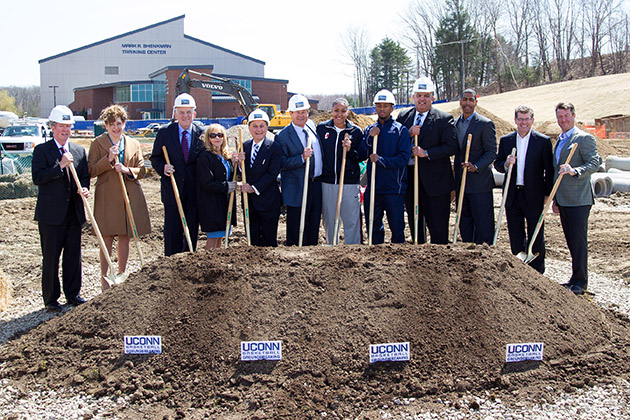
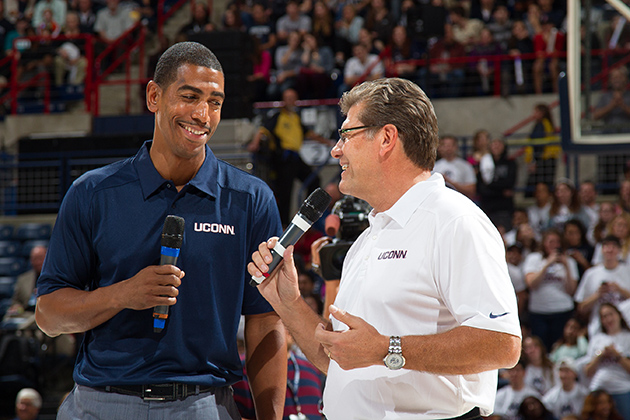
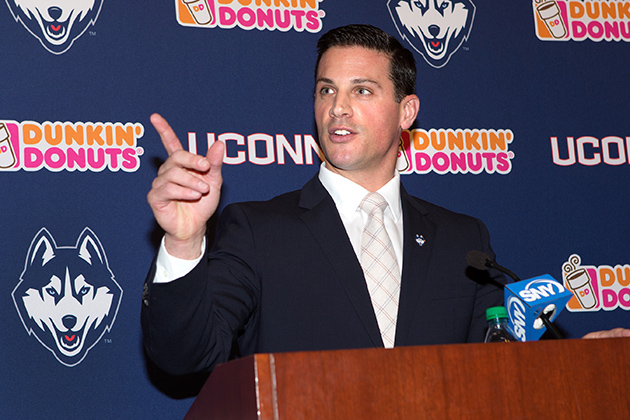
The women’s basketball team was honored by President Obama at the White House for winning the 2013 NCAA National Championship, the team’s eighth national championship. (Bret Eckhardt/UConn Photo)Field hockey head coach Nancy Stevens led her team to the NCAA National Championship in December. It was the team’s third national championship, but the first for Stevens as head coach. (Keith Lucas for UConn)In April, UConn officials and friends celebrated the groundbreaking for the University’s new basketball practice facility at the site of its new home behind Gampel Pavilion. (Steve Slade ’89 (SFA) for UConn)The two basketball head coaches Kevin Ollie, left, and Geno Auriemma led Husky co-ed teams in a friendly but hard-fought scrimmage at First Night in Gampel Pavilion on Oct. 18. (Steve Slade ’89 (SFA) for UConn)Both the men’s and the women’s ice hockey teams began the 2013-14 season with a new head coach: Mike Cavanaugh, left, women’s head coach, and Chris MacKenzie, men’s head coach. (Sean Flynn/UConn Photo)And in December, Bob Diaco was named UConn’s new football head coach. (Steve Slade ’89 (SFA) for UConn)
Our websites may use cookies to personalize and enhance your experience. By continuing without changing your
cookie settings, you agree to this collection. For more information, please see our University Websites Privacy Notice.
What are cookies?
Web cookies (also called HTTP cookies, browser cookies, or simply cookies) are small pieces of data that websites store on your device (computer, phone, etc.) through your web browser. They are used to remember information about you and your interactions with the site.
Purpose of Cookies:
Session Management:
Keeping you logged in
Remembering items in a shopping cart
Saving language or theme preferences
Personalization:
Tailoring content or ads based on your previous activity
Tracking & Analytics:
Monitoring browsing behavior for analytics or marketing purposes
Types of Cookies:
Session Cookies:
Temporary; deleted when you close your browser
Used for things like keeping you logged in during a single session
Persistent Cookies:
Stored on your device until they expire or are manually deleted
Used for remembering login credentials, settings, etc.
First-Party Cookies:
Set by the website you're visiting directly
Third-Party Cookies:
Set by other domains (usually advertisers) embedded in the website
Commonly used for tracking across multiple sites
Authentication Cookies
Authentication cookies are a special type of web cookie used to identify and verify a user after they log in to a website or web application.
What They Do:
Once you log in to a site, the server creates an authentication cookie and sends it to your browser. This cookie:
Proves to the website that you're logged in
Prevents you from having to log in again on every page you visit
Can persist across sessions if you select "Remember me"
What's Inside an Authentication cookie?
Typically, it contains:
A unique session ID (not your actual password)
Optional metadata (e.g., expiration time, security flags)
Analytics Cookies
Analytics cookies are cookies used to collect data about how visitors interact with a website. Their primary purpose is to help website owners understand and improve user experience by analyzing things like:
How users navigate the site
Which pages are most/least visited
How long users stay on each page
What device, browser, or location the user is from
What They Track:
Some examples of data analytics cookies may collect:
Page views and time spent on pages
Click paths (how users move from page to page)
Bounce rate (users who leave without interacting)
User demographics (location, language, device)
Referring websites (how users arrived at the site)
Opt Out
Here's how you can disable cookies in common browsers:
1. Google Chrome
Open Chrome and click the three vertical dots in the top-right corner.
Go to Settings > Privacy and security > cookies and other site data.
Choose your preferred option:
Block all cookies (not recommended, can break most websites).
Block third-party cookies (can block ads and tracking cookies).
2. Mozilla Firefox
Open Firefox and click the three horizontal lines in the top-right corner.
Go to Settings > Privacy & Security.
Under the Enhanced Tracking Protection section, choose Strict to block most cookies or Custom to manually choose which cookies to block.
3. Safari
Open Safari and click Safari in the top-left corner of the screen.
Go to Preferences > Privacy.
Check Block all cookies to stop all cookies, or select options to block third-party cookies.
4. Microsoft Edge
Open Edge and click the three horizontal dots in the top-right corner.
Go to Settings > Privacy, search, and services > cookies and site permissions.
Select your cookie settings from there, including blocking all cookies or blocking third-party cookies.
5. On Mobile (iOS/Android)
For Safari on iOS: Go to Settings > Safari > Privacy & Security > Block All cookies.
For Chrome on Android: Open the app, tap the three dots, go to Settings > Privacy and security > cookies.
Be Aware:
Disabling cookies can make your online experience more difficult. Some websites may not load properly, or you may be logged out frequently. Also, certain features may not work as expected.