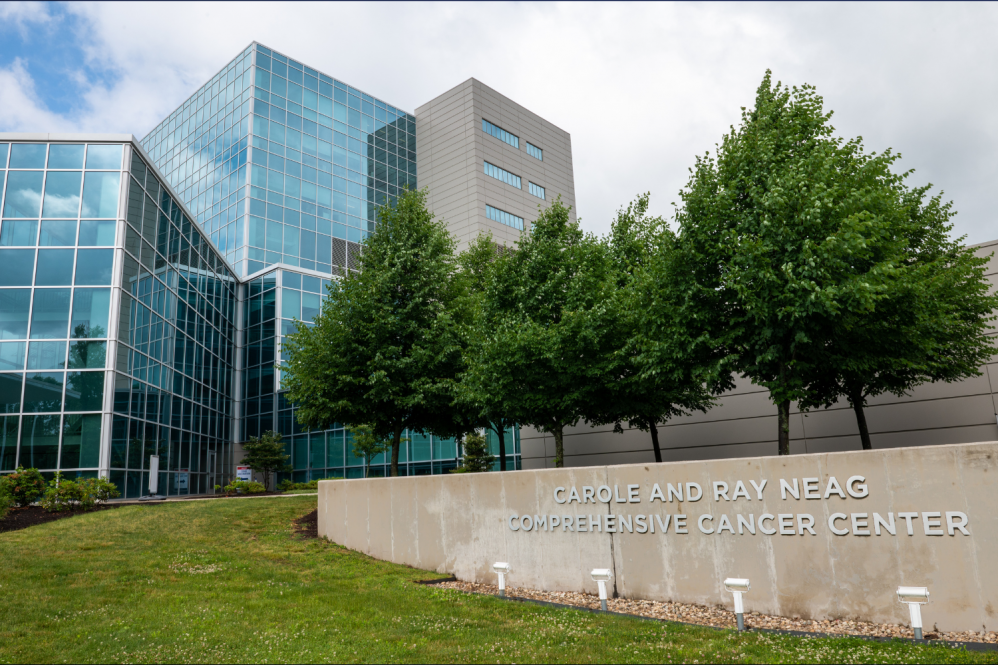
UConn Health’s Carole and Ray Neag Comprehensive Cancer Center has been named a partner with the Connecticut Department of Public Health (DPH) in the state’s statewide cancer coalition the Connecticut Cancer Partnership (CCP), recognizing UConn Health’s leadership in cancer prevention, treatment, and survivorship.
The partnership, supported by $525,000 in federal funding from the Centers for Disease Control and Prevention, will strengthen statewide efforts to reduce cancer incidence and mortality, address health disparities, and improve access to care for all Connecticut residents. DPH selected UConn Health based on its long-standing involvement in statewide cancer initiatives and its deep clinical, research, and academic expertise. UConn Health faculty and staff have played active roles on the CT Cancer Partnership’s advisory committee and working groups that support cancer control efforts throughout the state.
As part of the partnership, UConn Health will provide administrative support for the coalition and serve on the program’s advisory committee through the Connecticut Cancer Partnership, a coalition of more than 150 organizations working collaboratively to reduce the burden of cancer statewide.
Cancer remains one of the leading causes of death in Connecticut, affecting tens of thousands of residents each year and touching nearly every family in the state through prevention and screening, diagnosis, treatment, or survivorship. While advances in early detection and care have improved outcomes, significant challenges remain, including disparities in access to care, long-term survivorship needs, and the ongoing impact of cancer on patients, families, and communities.
Through this collaboration, UConn Health will help ensure that statewide cancer initiatives are informed by clinical expertise, public health data, and the lived experiences of people across Connecticut. Cancer control encompasses a wide range of efforts, from prevention and early detection to effective treatment and addressing the long-term physical, emotional, and social effects of cancer after treatment.
The current Connecticut Cancer Plan runs through 2026, and as the state begins planning for the next phase, UConn Health will play a key role in helping lead the development of the next statewide cancer plan, ensuring it reflects emerging issues, advances in cancer care, and the evolving needs of Connecticut’s diverse communities.
“This partnership reflects the confidence the state has in UConn Health’s cancer expertise,” Dr. Alicia Dugan, associate professor, Department of Medicine at the UConn School of Medicine, principal investigator for the award. “As we look ahead to the next cancer plan, we have an opportunity to help shape a future-focused approach that strengthens prevention, improves survivorship, and advances equity in cancer care across the state.”
The partnership also creates opportunities for medical and public health students across the state to participate in cancer control activities, including guideline development, planning initiatives, and collaborative working groups.
Engaging students in this work aligns with UConn Health’s academic mission while expanding the reach of cancer control efforts across the state. It also helps ensure that the next generation of health professionals is prepared to address cancer as both a clinical and public health challenge.
Together, UConn Health, statewide health centers, and DPH aim to build a more coordinated, equitable, and forward-looking approach to cancer control in Connecticut. By aligning clinical expertise, public health strategy, and community partnerships, the collaboration is expected to strengthen prevention efforts, improve outcomes, and help ensure that people across the state have access to high-quality cancer care and support now and in the years to come.