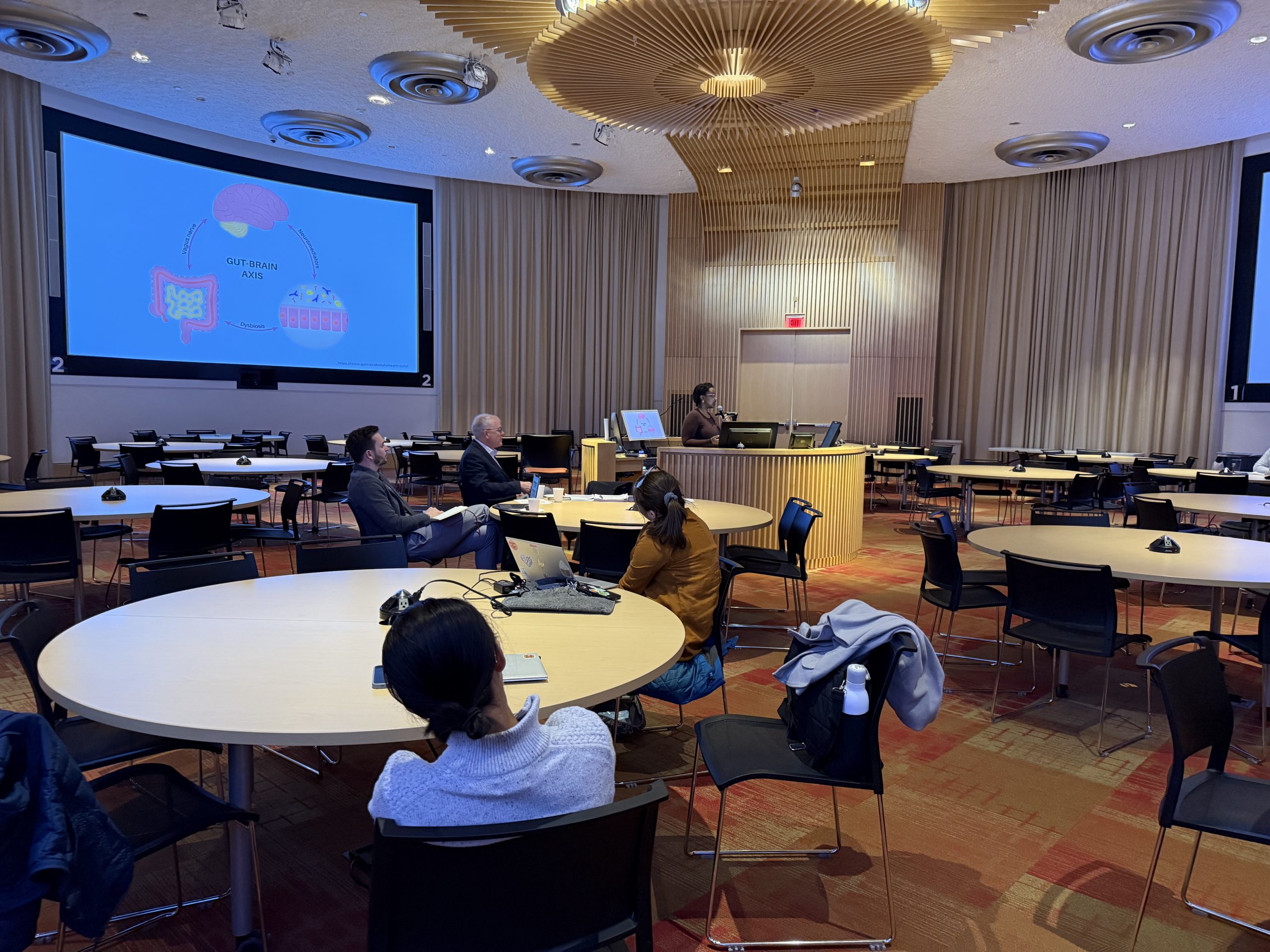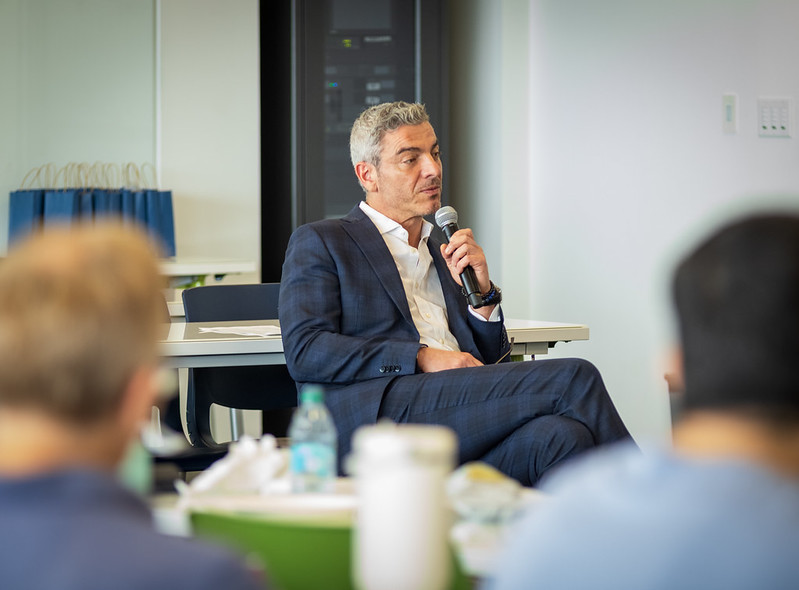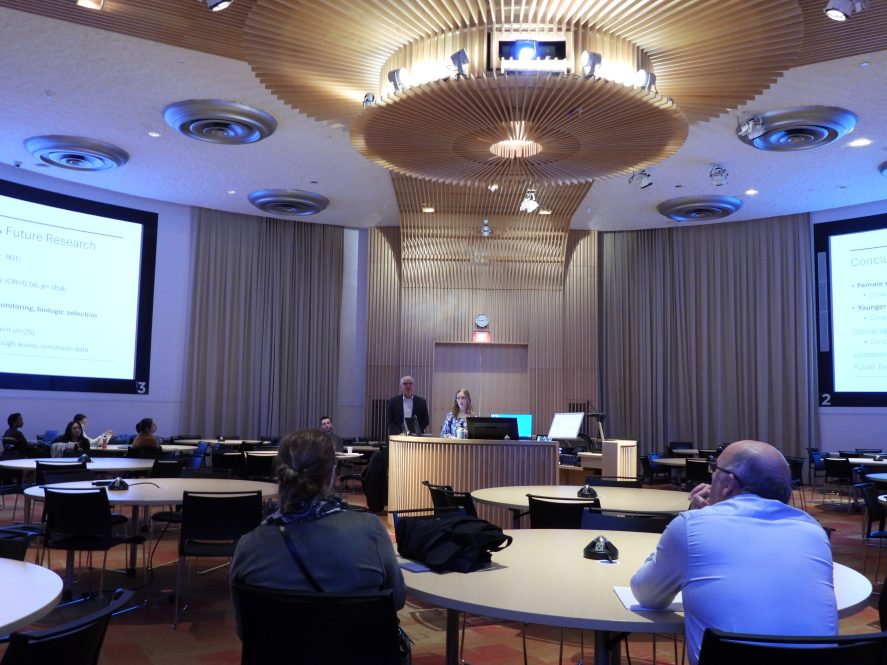
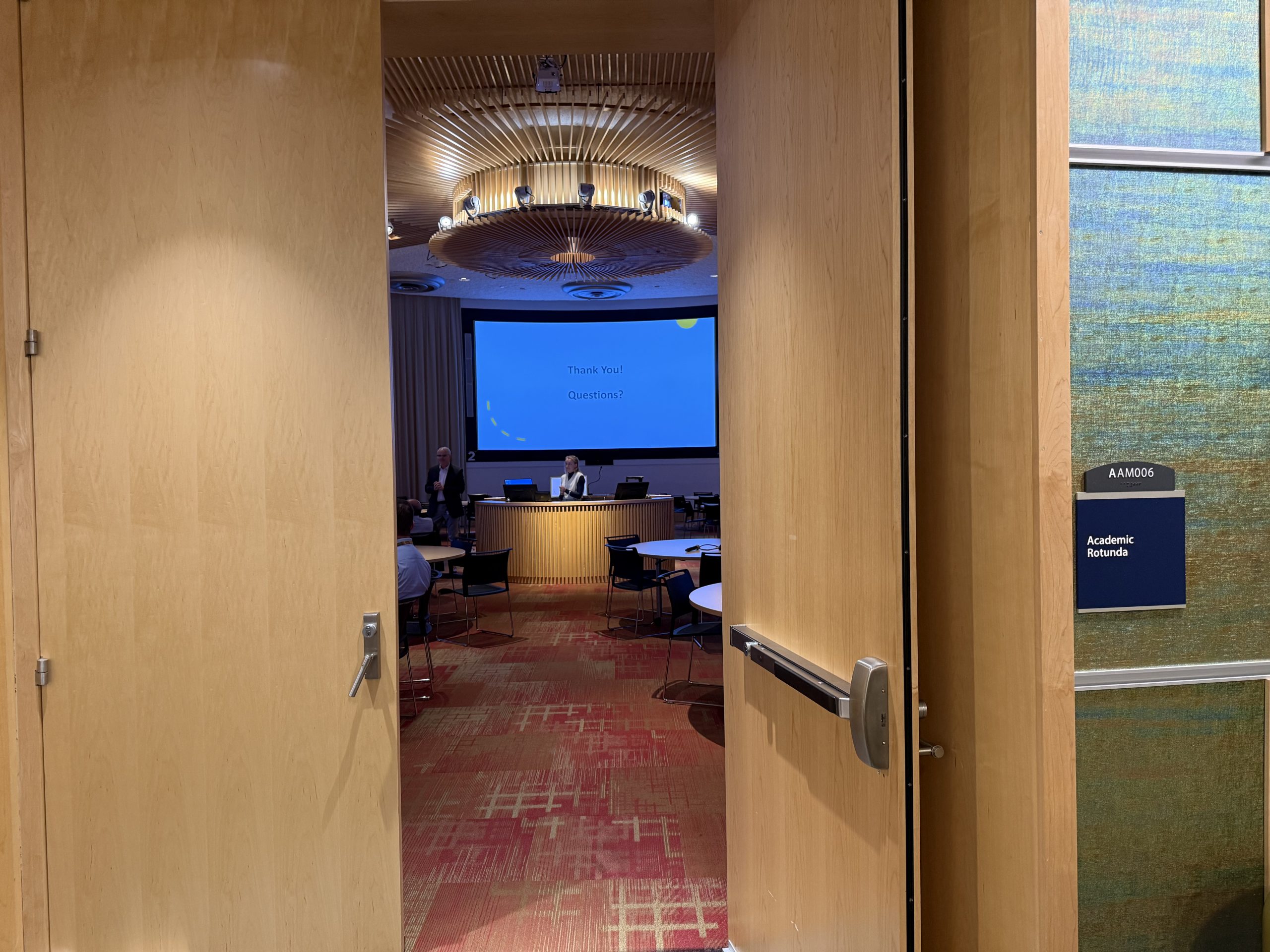
Soon to be future doctors inched closer to earning their medical degrees from UConn School of Medicine with the successful presentations of their scholarly Capstone Projects on March 19.
It’s all part of the annual Clinician Scholar Symposium at UConn School of Medicine. The student presentations are one part of the culmination of their medical school journey as they march toward UConn Health’s 55th Commencement on May 11.
UConn Health’s Dr. Amanda Hernandez who holds both an MD and Ph.D. delivered the keynote address for the 2026 Clinician Scholar Symposium entitled “Pathways Towards Incorporating Translational Research into Your Medical Career, the Importance of Curiosity.”
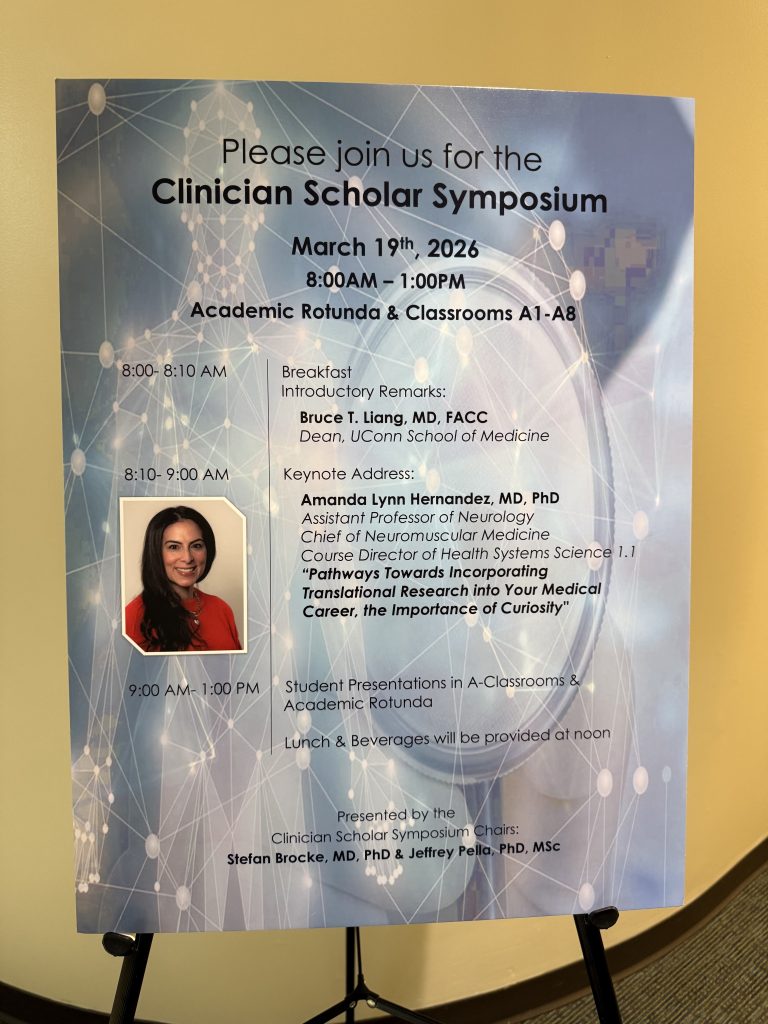
Hernandez cares for neuroimmunology patients at UConn Health experiencing conditions such as multiple sclerosis, neuropathy, and other inflammatory immune system diseases. She has expertise in using botox and Electromyography (EMG) for her patient care. She graduated from Columbia University with a BA and completed her MD and Ph.D. at Yale University along with her neurology residency and neuromuscular fellowship training.
“It’s phenomenal that UConn School of Medicine has a capstone project as part of its curriculum,” says Hernandez sharing how research experience early on in medical school can be “transformative” for the careers of future doctors and their patients.
“We can use patient care experiences as a lens as we work to move discoveries from the bench to the bedside,” she says. “Physicians can be in patient care and also engrossed in research too! It’s important to keep patients at the forefront of all that we do.”
She advises members of the Class of 2026 to: “Stay curious, be inspired, and have passion for your patients.”
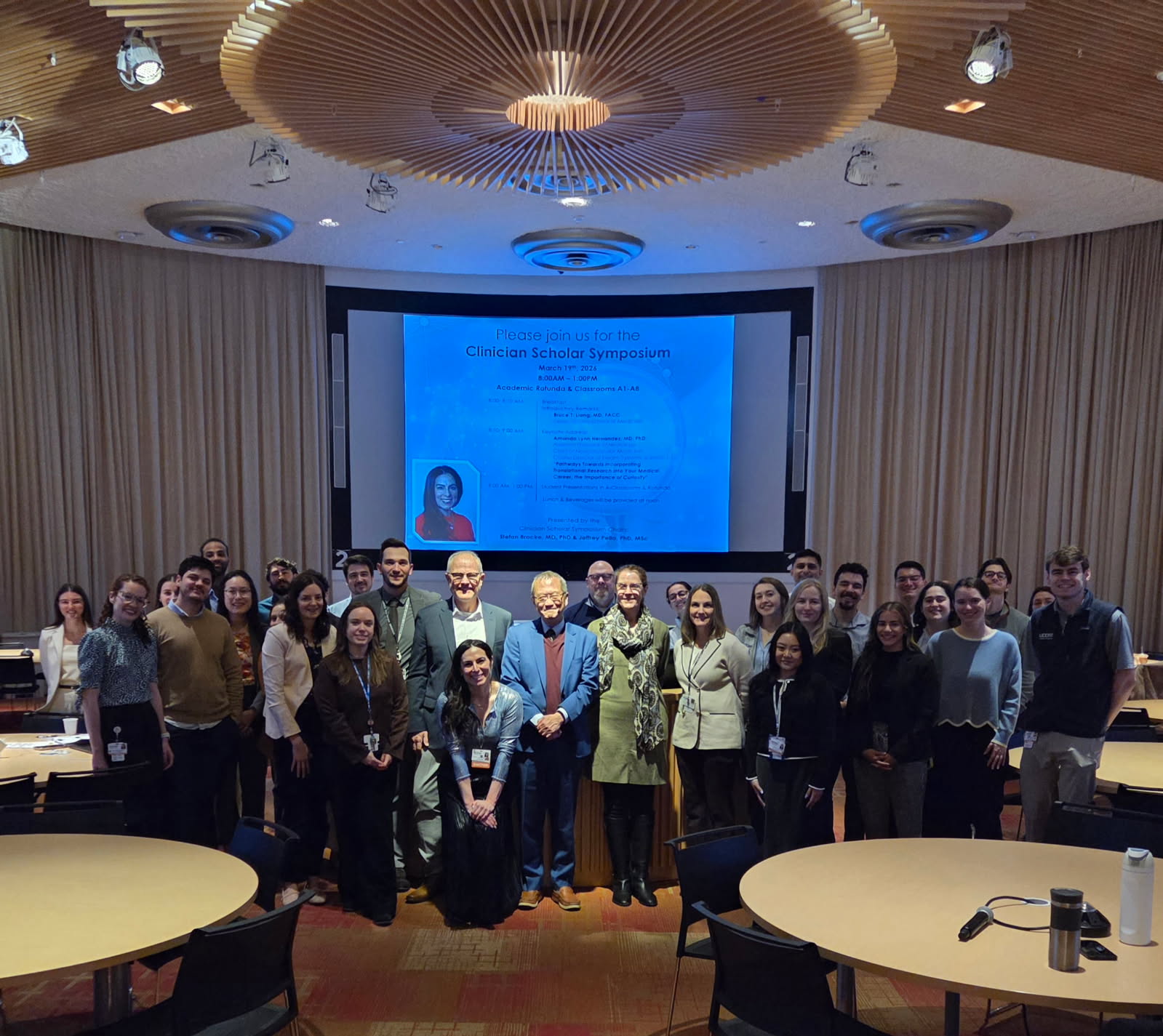
“Our medical students have developed an outstanding portfolio of capstone projects across basic biomedical science, clinical research, medical education, and community health, many of which address pressing questions in patient care and health systems. These efforts have led to numerous presentations at today’s UConn Health Clinician Scholar Symposium, as well as regional and national conferences, and specialty meetings, where our students represent UConn with distinction. Importantly, a growing number of these projects have resulted in peer-reviewed publications, highlighting the rigor and impact of their work,” applauds co-chair of the Clinician Scholar Symposium Stefan Brocke, MD, Ph.D.
“UConn supports students at every stage of their scholarly journey. I am incredibly proud, directing the Scholarship and Discovery Program together with my colleagues, of what our students have accomplished and of the vibrant scholarly community we have built together,” said Brocke. “This program empowers our medical students to pursue meaningful scholarship, build lasting mentor relationships, and prepare for future carers as leaders in medicine and research. The success of this program is truly a shared accomplishment, and we are excited to continue building on this momentum.”

Class of 2026 medical students like Alyssa Lam, 27, of Shelton, Conn. were thrilled to finally present their capstones.
“I am very excited to showcase the project I’ve been working on for the past couple years!” said Lam, whose research adds to the ever-growing field of improving and optimizing patient care.
Her research was on the “Association Between Female External Urinary Catheter Use and Clinical Outcomes Among Older Inpatients: A Retrospective Cohort Study.” Her mentor was Dr. Jennifer Baldwin of UConn Health.
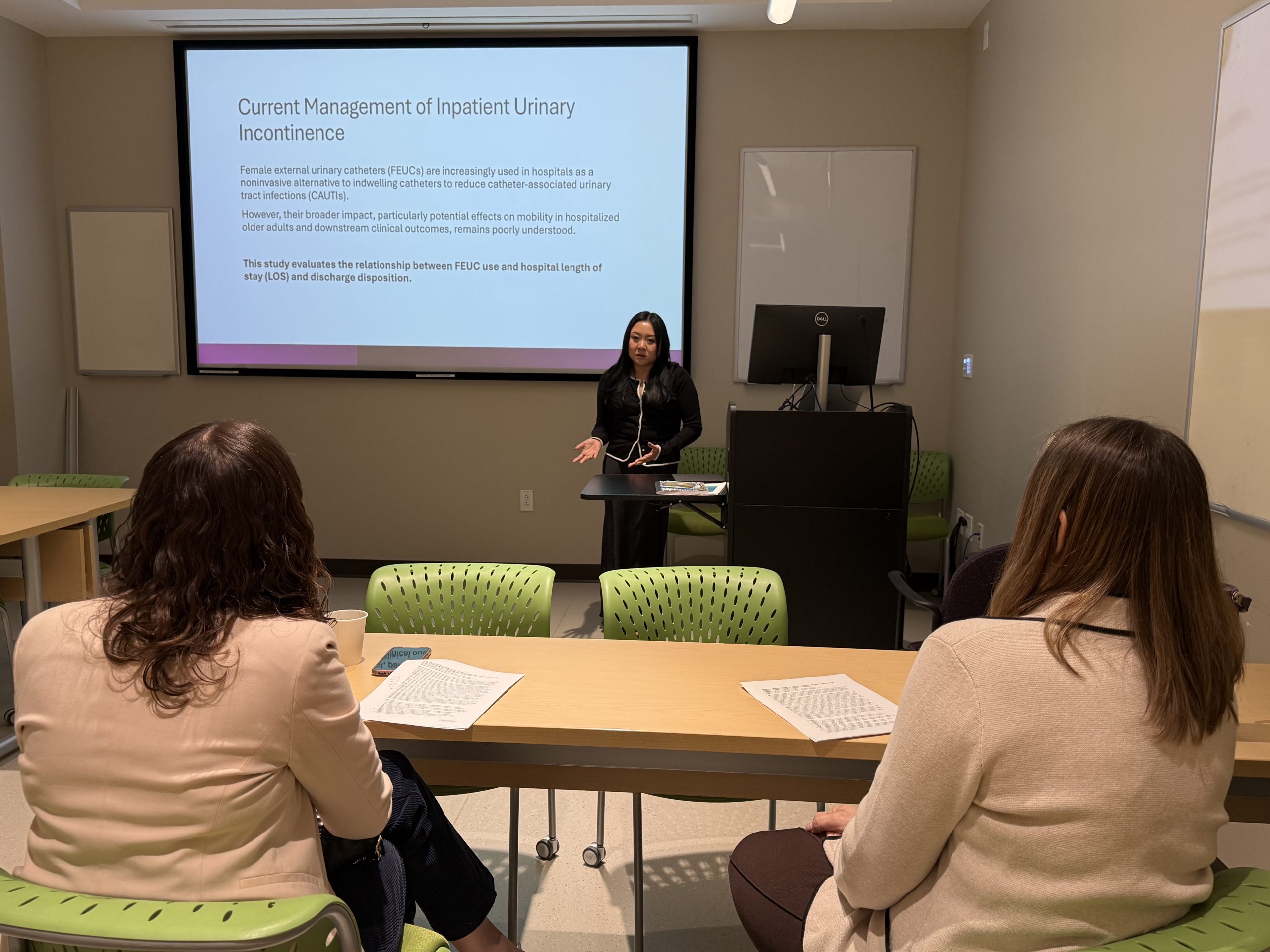
She reports that among older female inpatients, female external urinary catheters (FEUC) use was associated with longer length of stay (LOS) and increased likelihood of discharge to post-acute care settings. “These findings highlight the importance of thoughtful FEUC utilization and suggest opportunities for enhanced mobility support, early therapy involvement, and proactive discharge planning for patients who receive FEUCs,” she reports.
“The practice of medicine is complex and influenced heavily by the healthcare system itself. Every new innovation or process we add to the workflow can have both positive and negative outcomes for patients, though not always understood,” she says.
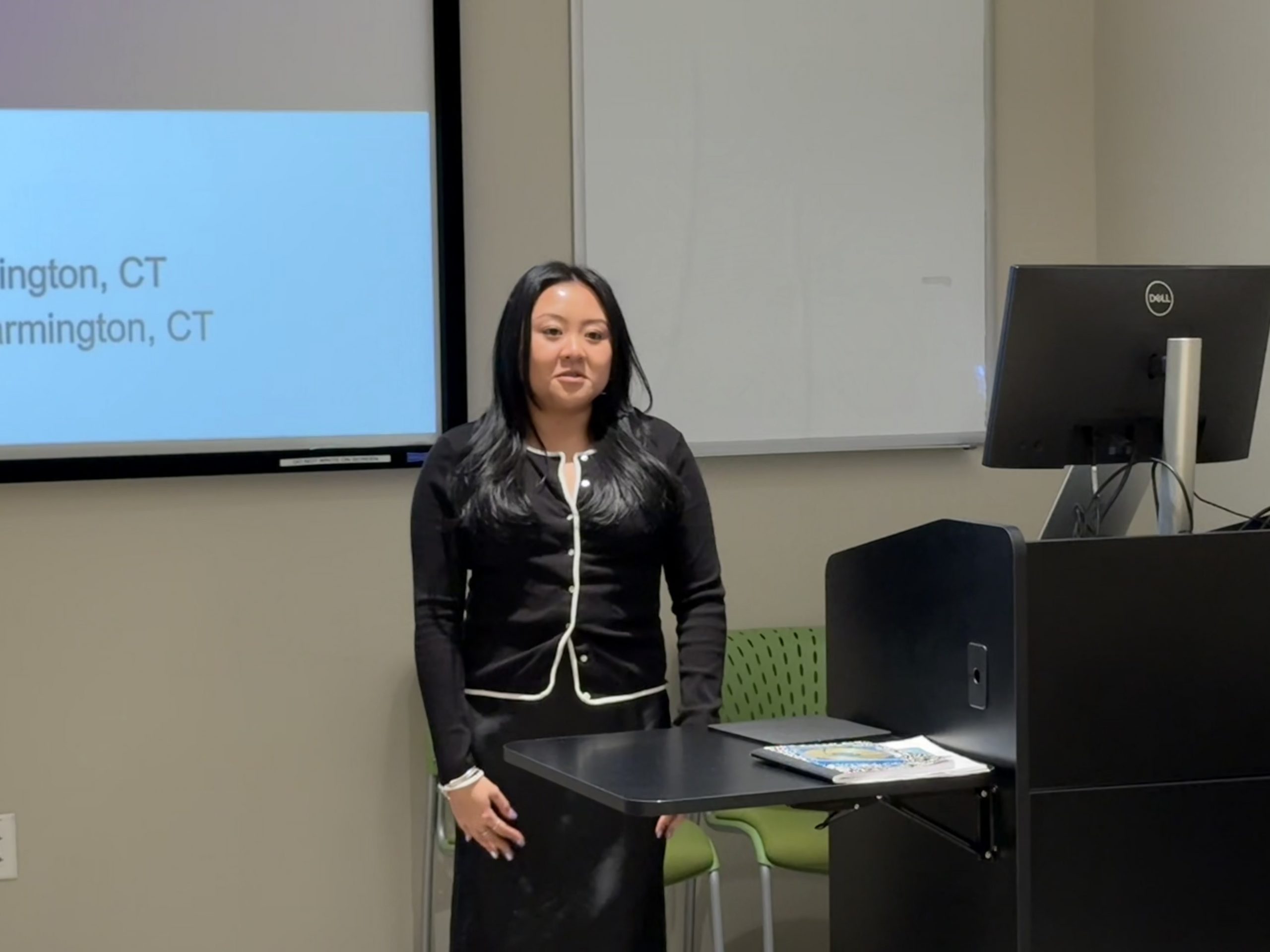
Lam reports in her capstone project that research in patient safety and quality improvement is often overlooked but can have real and helpful implications in how we care for patients as physicians.
“With modern technology, we can easily access data via the electronic health record that can be analyzed statistically and give us a lot of insight,” Lam says.
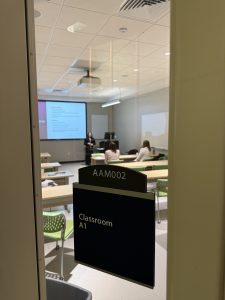
For Lam, being so close to Commencement and receiving her MD feels surreal and so does National Match Day on March 20 when she finds out where she will be entering the field of emergency medicine for her residency training.
“Four years goes by so fast, and I’m both nervous and looking forward to graduating,” says Lam. “I look back on these years with a lot of amazement for how much I’ve learned and grown as a person and all the people I’ve met and experiences I’ve had.”
One of the capstone directors and faculty mentors Dr. Kristyn Zajac shared at the event, “This is really an opportunity for our medical students to showcase all of their hard work.”
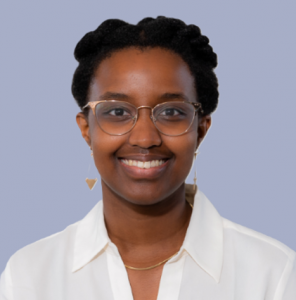
Class of 2026 graduating medical student Chelsea Rutagengwa, 28, of Nashua, New Hampshire says, “I am thrilled to be able to complete my capstone requirement, it was great to see my project come to life and finally conclude.”
She chose to research the relationship between inflammatory bowel disease and mental health. Her mentor was UConn Health’s Dr. John Birk for her capstone entitled, “Evaluation of Gut-Brain Interaction in Chronic GI Disease.”
“I believe there is still so much left to discover in regard to how our brain and gut are related (scientifically referred to as the gut-brain axis). I also have a personal interest in the topic because there are people in my life who have suffered from both gut issues and mental conditions. I wanted to explore if there was a potential connection,” reports Rutagengwa who for her capstone project explored further whether the presence of mental illness gives rise to chronic gastrointestinal pathology.
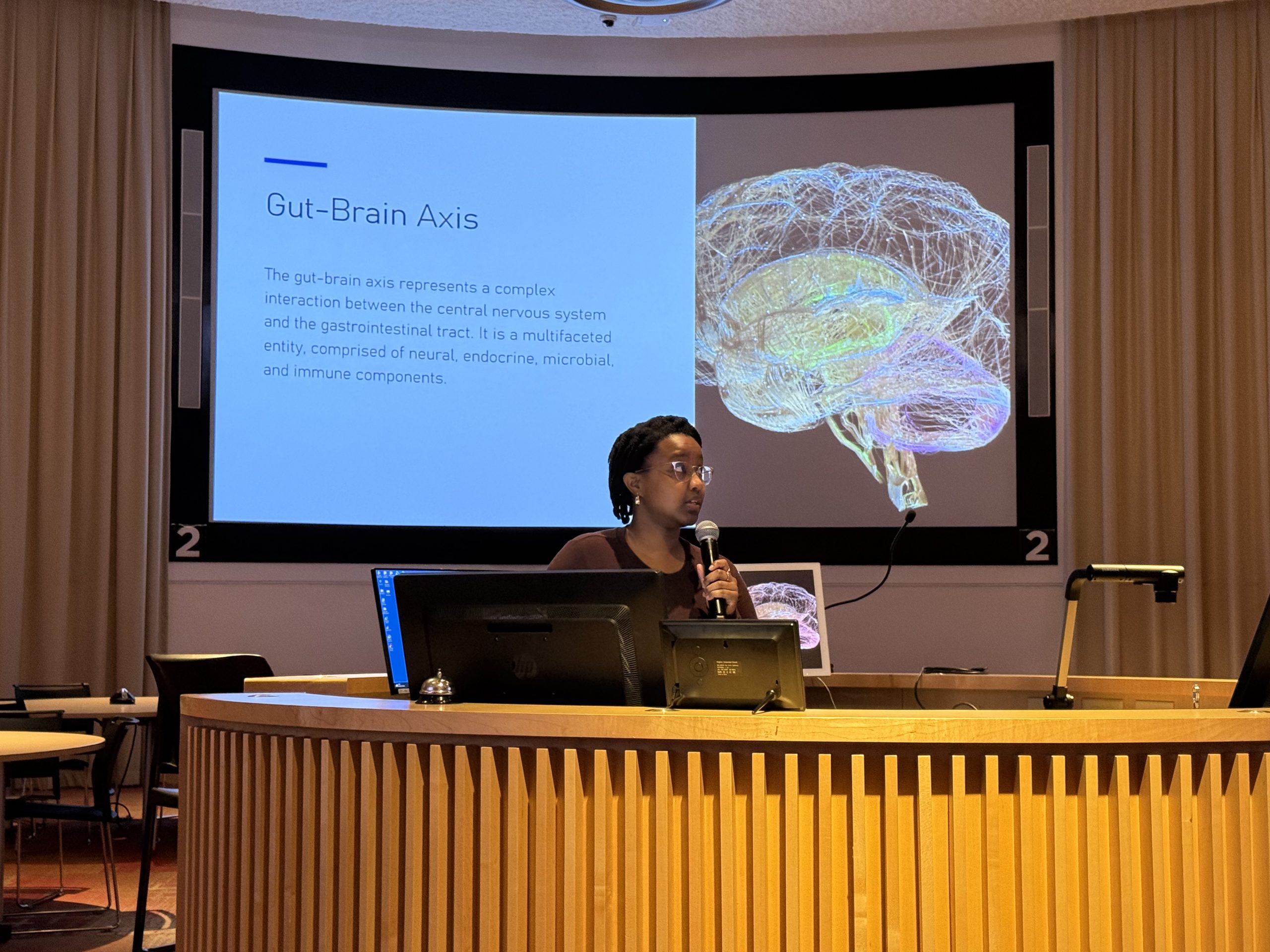
Her research project consisted of a survey that was administered to patients with and without inflammatory bowel disease, and they were asked about their past medical and psychological histories.
“What I found is that the rate of mental conditions was actually the same between the two groups, which suggests there is no significant correlation between IBD and mental health diagnoses,” concludes Rutagengwa.
With graduation from medical school just around the corner on May 11, Rutagengwa also says it feels surreal.
“I’m so glad with how much I’ve grown as a learner and a clinician in the past 4 years,” Rutagengwa says. “After graduation, I hope to continue my medical career in the field of neurology.”
She concludes, “Hopefully sometime in the future, I will get another chance to explore the gut-brain axis in my research.”