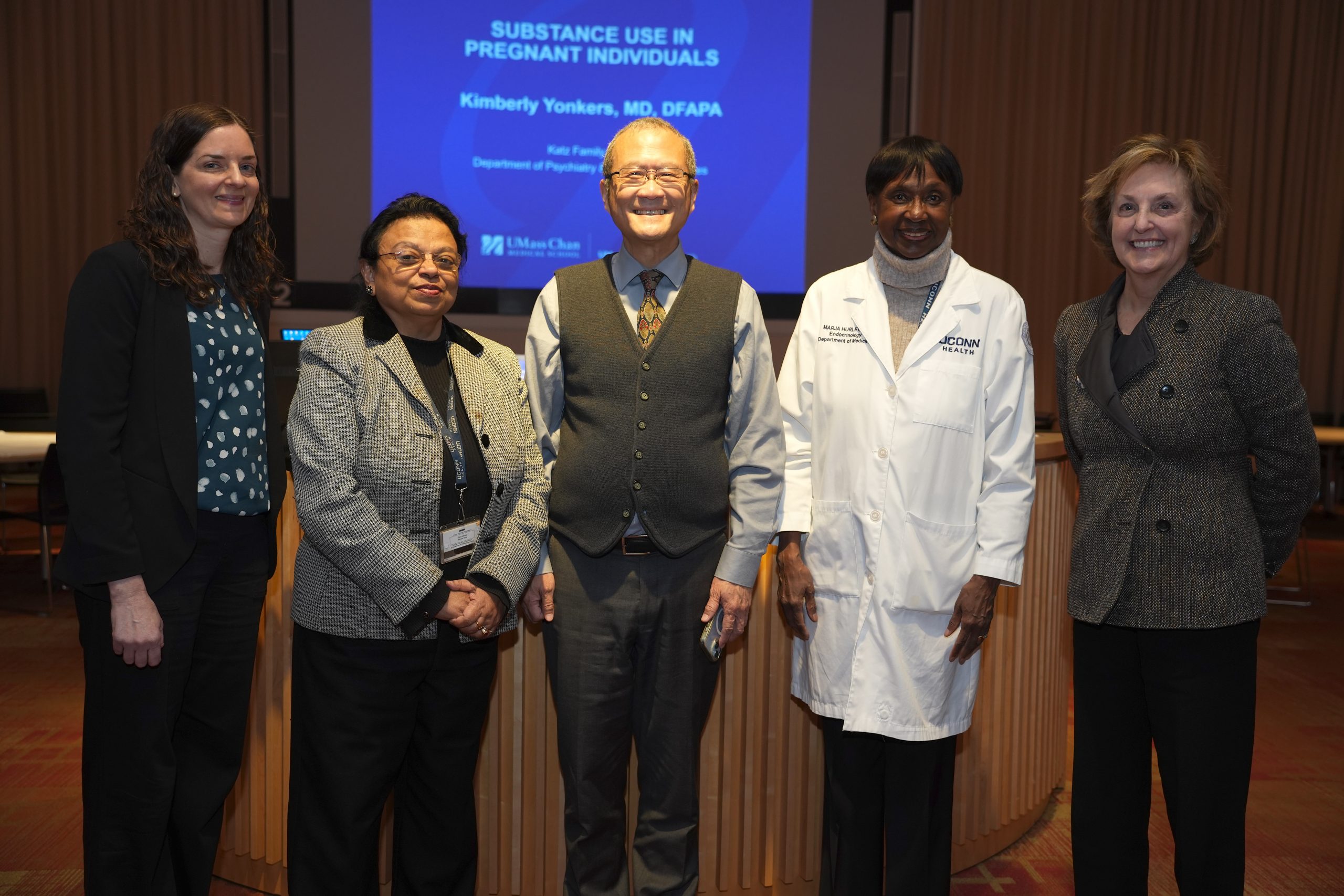
The Group on Women in Medicine and Science (GWIMS) at UConn School of Medicine hosted it 3rd Annual GWIMS Networking Reception and Poster Symposium on Basic Science, Translational, Clinical, and Health Disparities Research that impacts Women’s Health.
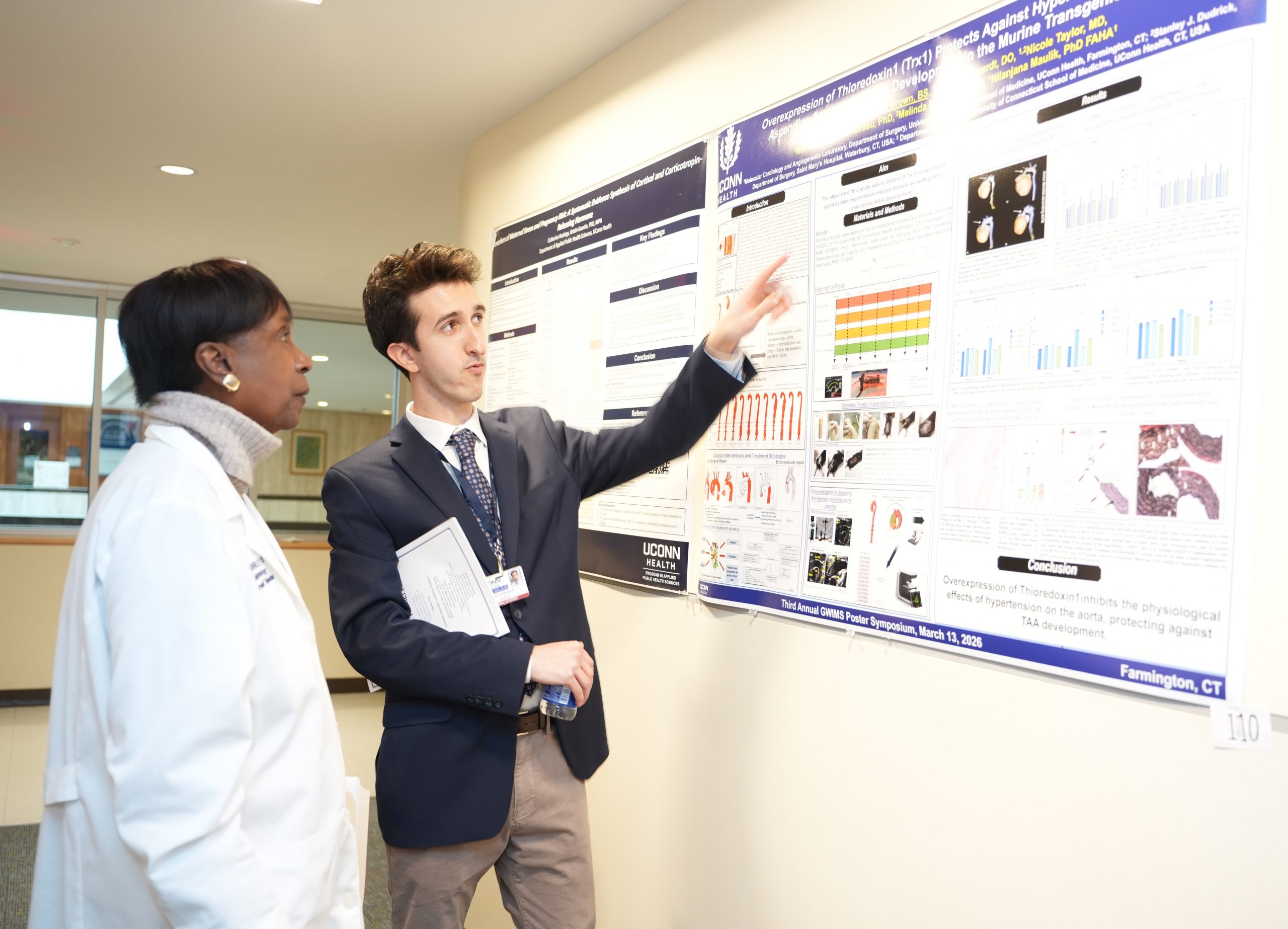
This year’s third annual event had its largest participation yet of researchers presenting nearly 40 research projects focusing on women’s health. Their scientific posters were displayed on March 13 outside the Academic Rotunda by both female and male researchers from across the institution’s robust research enterprise. For the first time judges from the School of Medicine faculty judged the best poster in each category.
Dr. Marja Hurley, founding chair of the GWIMS Steering Committee, who serves as the UConn Board of Trustees Distinguished Professor, professor of Medicine and Orthopedic Surgery, and associate dean of the Health Career Opportunity Programs, couldn’t have been prouder of the amazing turnout of researchers for the GWIMS hosted annual event.
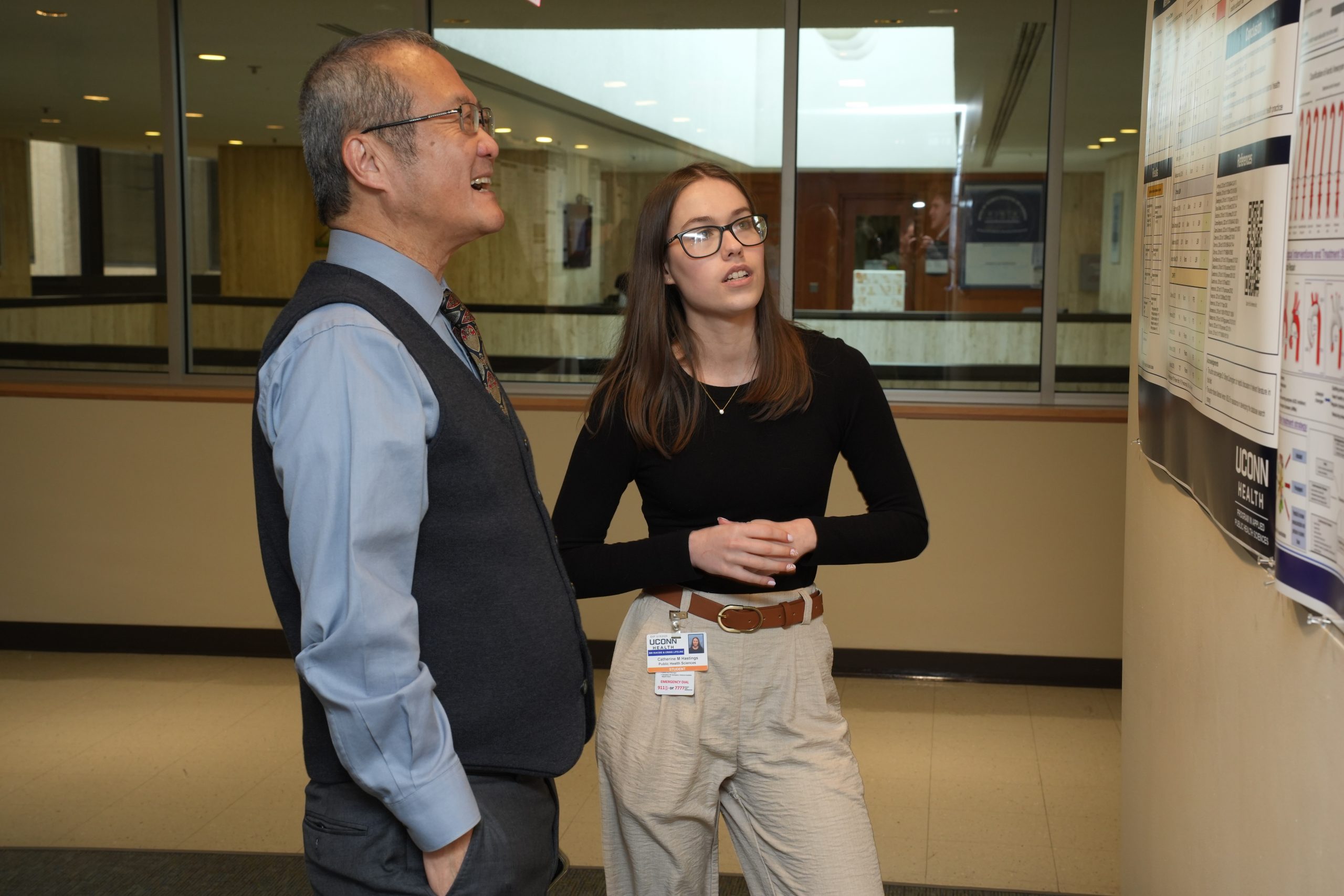
“It’s really nice to see that this year we have grown to 40 abstracts furthering our mission here at UConn to advance women’s health,” applauded Hurley. “This year we also added judging for the first time to recognize individual researchers for their excellence. We have both women and men presenting their latest findings that impact women’s health – and we really want to applaud everyone’s wonderful efforts and for coming together for enhancing women’s health.”
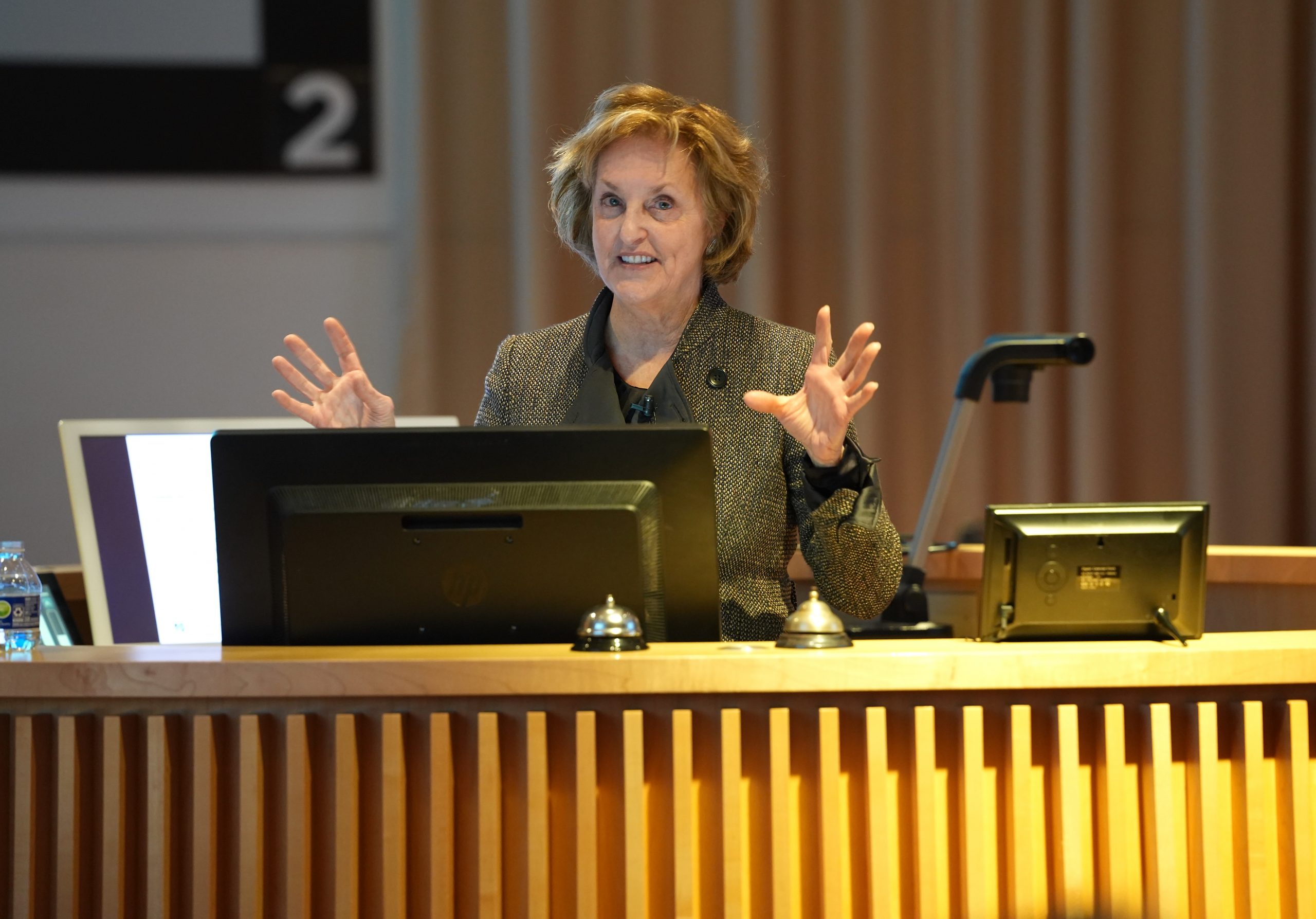
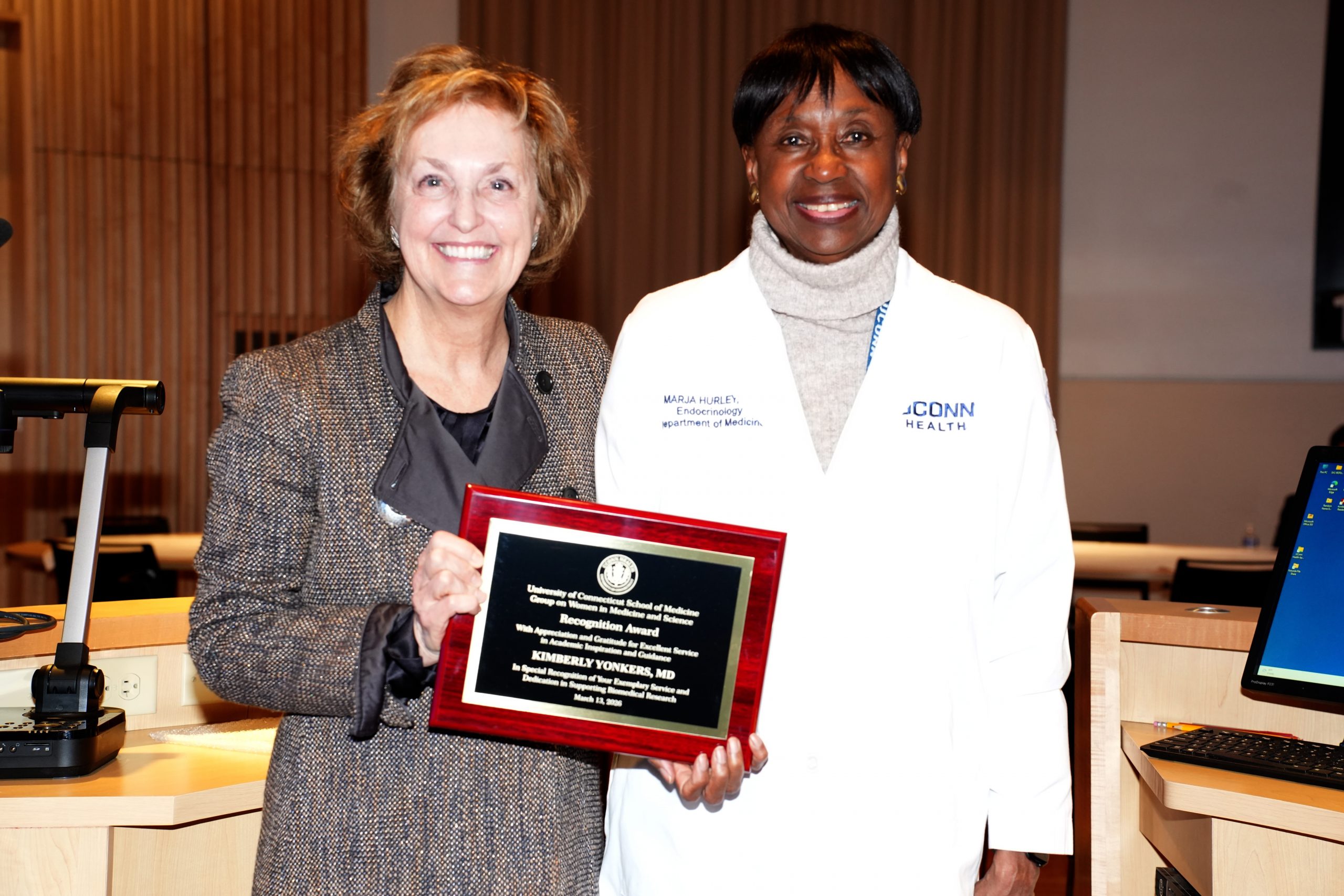
The special visiting keynote speaker for the event was NIH-funded physician-scientist Dr. Kimberly Yonkers whose research career has had a substantial impact on the field of mood and substance use disorders in women. Her keynote presentation on women’s health focused on her research on pregnant women and substance abuse which remains a significant problem. Yonkers serves UMass Memorial Health and UMass Chan Medical School as the Katz Family Endowed Chair, and professor and chair of Psychiatry & Behavioral Sciences.
Some of the members of the GWIMS Steering Committee who served as the annual event’s inaugural judges shared their excitement and difficulty of choosing just one top presenter out of all the excellent posters in each category.
“This is amazing,” said Nilanjana Maulik, Ph.D., FAHA. “All the research presentations are very different, and it’s challenging to choose just one basic science/translational research category winner. All the presentations are honorable mentions.”
“All the posters on women’s health are so exciting,” agreed Beiyan Zhou, Ph.D. “From reviewing all the abstracts, you can see how female sex-based differences play a critical role.”
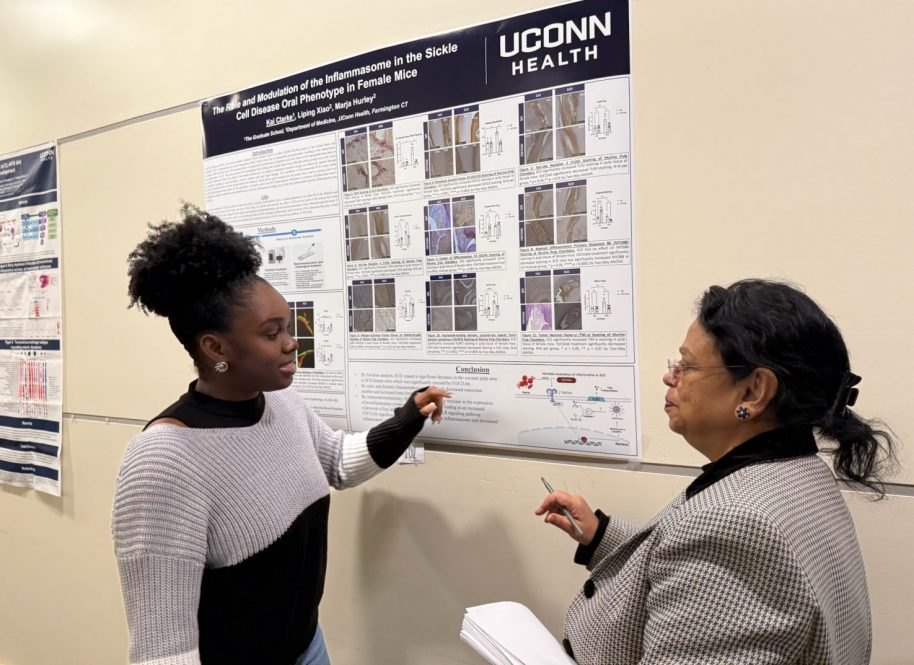
But just like the other research categories, the Basic Science/Translational category judges had to choose one winner and the standout was Ph.D. candidate and graduate student of the last four years, Kai Clarke, for her poster presentation #102 on “The Role and Modulation of the Inflammasome in the Sickle Cell Disease Oral Phenotype.” Her co-researchers are Liping Xiao, MD, Ph.D. and Dr. Marja Hurley.
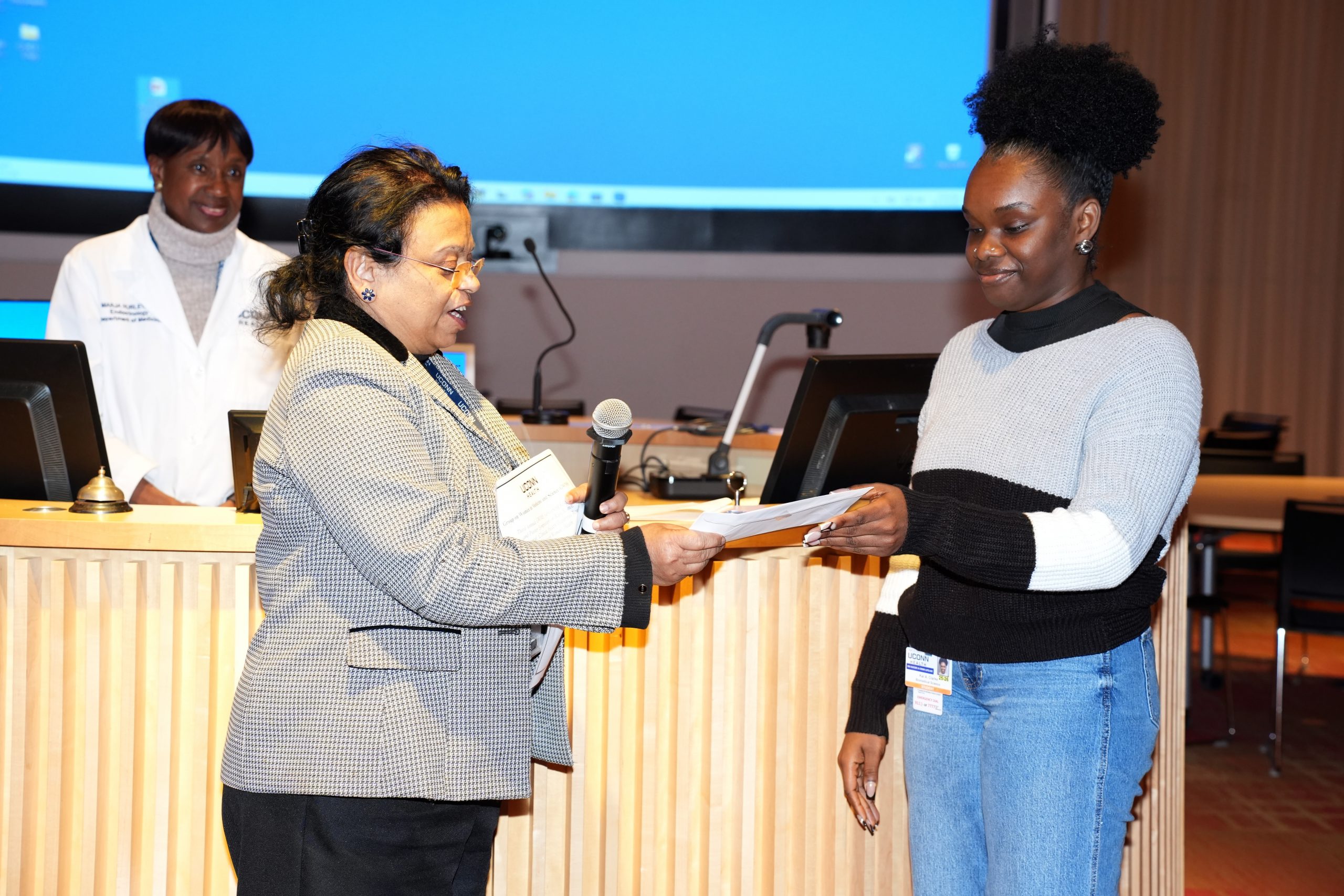
“Congrats, and very nice work,” applauded Maulik of Clarke after hearing her scientific findings.
Clarke has been part of the GWIMS event for the last three years: “I love this event. It’s exciting to see the women’s research event get bigger and bigger.”
Clarke shared how since the newly available cure gene therapy for sickle cell disease, the painful inherited, abnormally-shaped red blood cell condition, is very expensive, research teams like hers are looking for other alternatives such as testing an already approved FDA-drug to see if it could help sickle cell patients too.
“In mice we found using this one antibody can rescue dental pulp from damage,” shared Clarke. The research abstract reports the antibody called FGF23Ab may be a future potential therapy for sickle cell disease-related oral and bone issues.
Clarke is getting really excited to defend her Ph.D. thesis in the coming weeks to graduate from UConn School of Medicine.
“I’m almost done!” shares Clarke who is grateful to Dr. Marja Hurley for her strong mentorship and the opportunity to gain research experience in her lab to help advance sickle cell research forward.
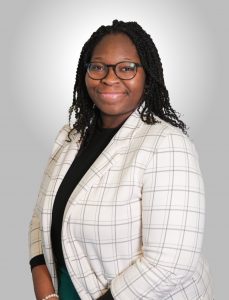
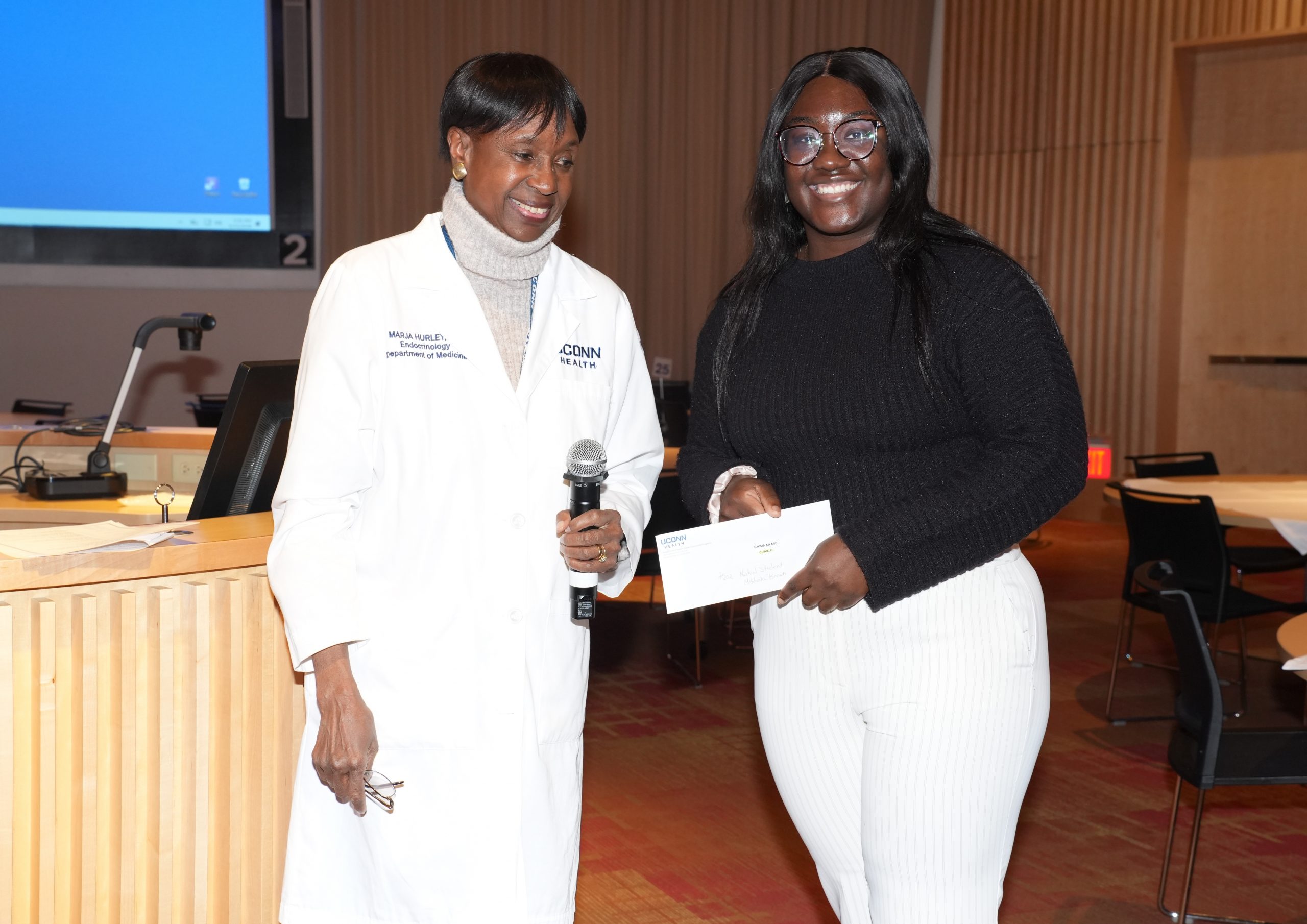
The winner of the Clinical research category was poster #202 presented by first author Mikhalya Brown entitled “It’s Best to Test in Hospital- Improved Testing Rate with Immediate Postpartum Diabetes Testing in Patients with Gestational Diabetes in a Community-Academic Medical Center.” Brown is a medical student at the Frank H. Netter School of Medicine of Quinnipiac University. Co-researchers are Nicole Barreto, MD, Dorothy Wakefield, MS, PStat, Rebecca Crowell, Ph.D., and Veronica Maria Pimentel, MD, MS.
The study authors report that immediate postpartum diabetes testing achieves a near fivefold higher testing rate than traditional testing 4 – 12 weeks postpartum. They stress that hospital systems should consider implementing this practice change to improve testing rates and postpartum care of patients with gestational diabetes.
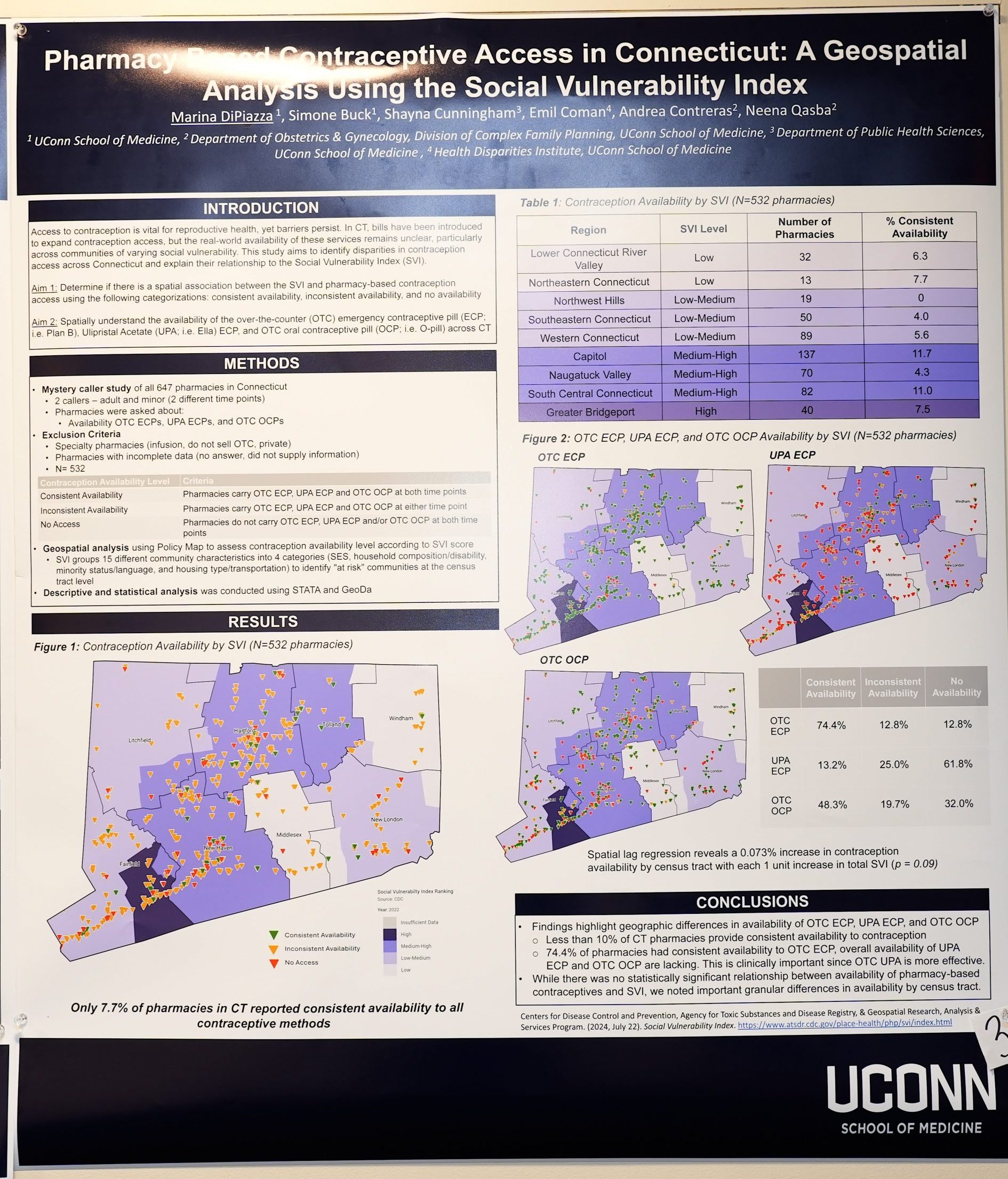
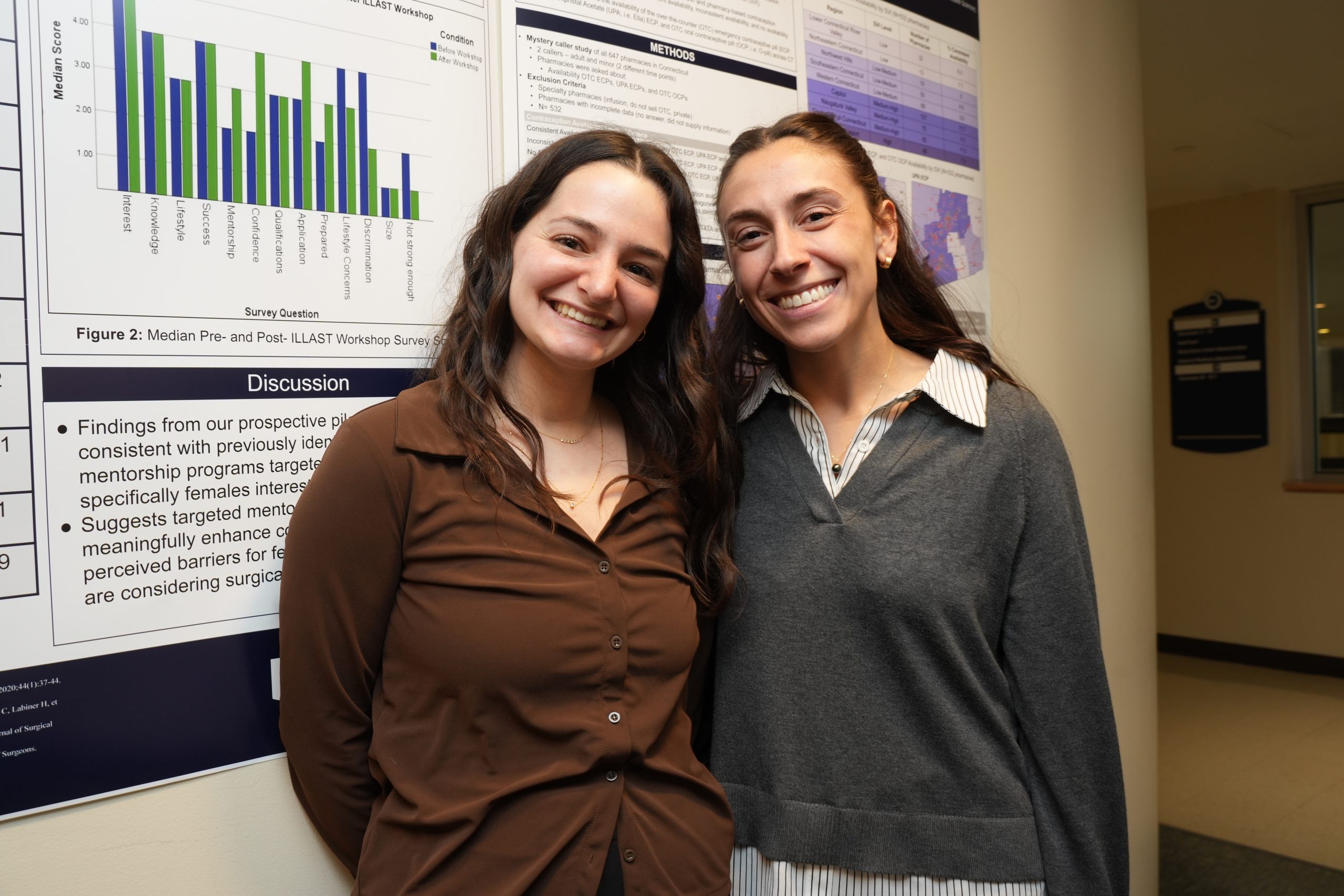
The winner of the Health Disparities research category was #306 presented by first author Marina DiPiazza, medical student in UConn’s Class of 2028, entitled “Pharmacy-Based Contraceptive Access in Connecticut: A Geospatial Analysis Using the Social Vulnerability Index.” Co-authors include Simone Buck, Shayna Cunningham, Emil Coman, Andrea Contreras, and Neena Qasba of UConn School of Medicine.
The study authors findings from their mystery caller study of all pharmacies in Connecticut show significant gaps in implementing state reproductive health policies as less than 10 percent of pharmacies provided consistent availability of over-the-counter birth control and emergency contraceptives.
Thank you to all the School of Medicine faculty judges and congratulations to all the 40 poster presenters and research teams involved. Also, congrats to the biggest winner of the event – the advancement of women’s health!