As he leads a prospective student and her mother through the Hartford Times building one spring afternoon, Micheal Orejuela ’28 (CLAS) enthusiastically relates the things he loves about UConn Hartford. Laughing and gesturing with his hands, he recounts the building’s history as a former newspaper headquarters that hosted four U.S. presidents.
Two short years ago, Orejuela was not so comfortable in the spotlight. Prior to his first year at UConn, he arrived for a college summer bridge program content to hang back and observe while his classmates interacted. Over the course of the five-week program — part of UConn’s Center for Access and Postsecondary Success, or CAPS — he connected with Kiara Ruesta ’19 (CLAS), ’21 MA, a RISE college success coach who shared his Peruvian background.
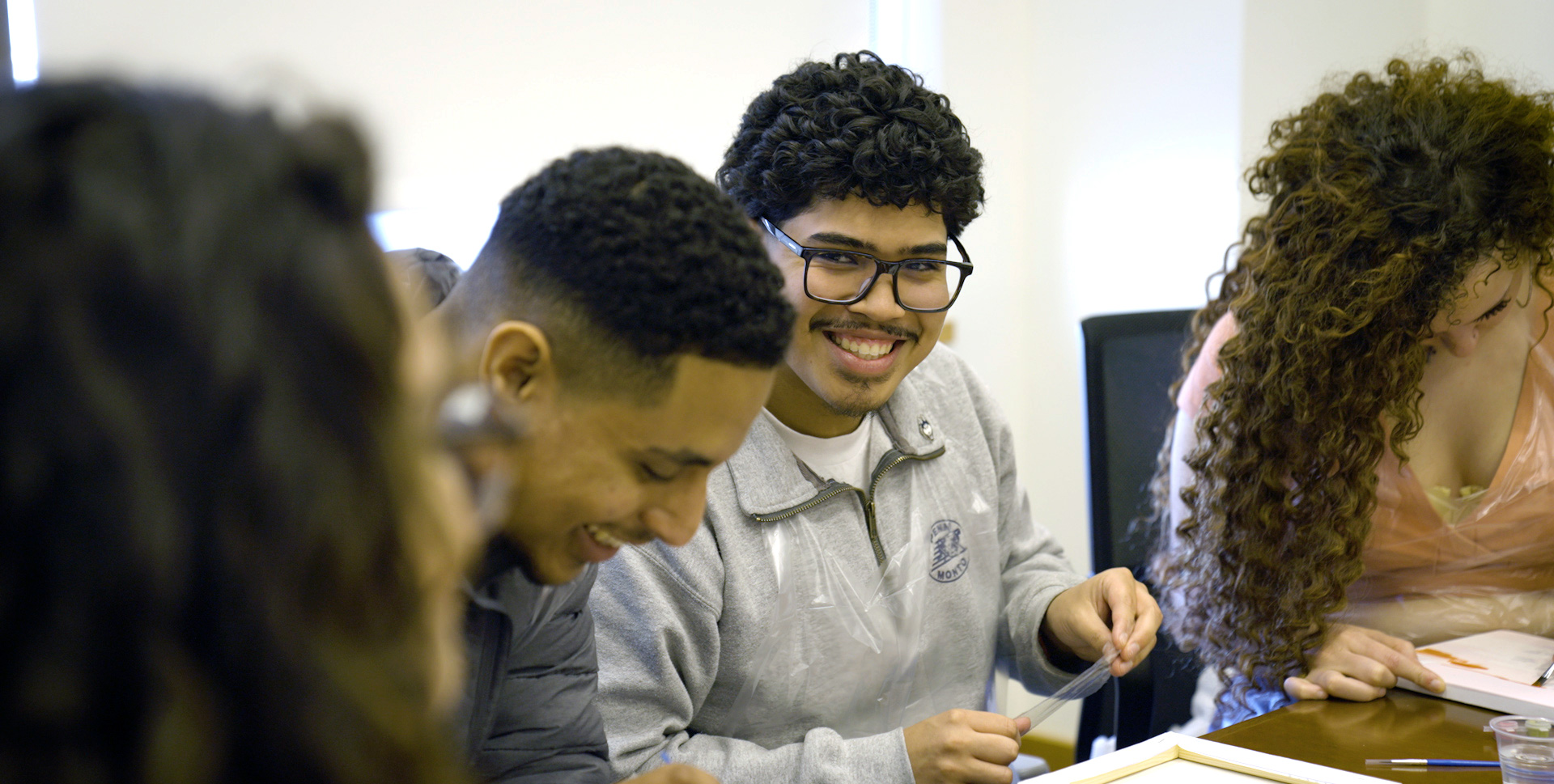
Micheal Orejuela ’28 (CLAS) enjoys a paint night with fellow RISE members at UConn Hartford. Social events are among the programs offered throughout each semester.
That fall, he applied for RISE, a new CAPS initiative for students at the Hartford, Stamford, and Waterbury campuses — UConn’s three federally designated minority-serving institutions (MSIs). Funded by Synchrony, RISE (Resilience, Inclusion, Success, and Equity) provides holistic support for students from populations that have been historically underrepresented in higher education. While the grant applies only to the MSIs, UConn has used other grant funding to provide similar support at UConn Avery Point.
“Micheal went from being a first-year student who didn’t want to engage much to being one of the most involved students on campus,” says Ruesta. “It’s amazing.”
Today, the amiable Orejuela shares his bright smile with the UConn Hartford community as a campus tour guide, First-Year Experience class mentor, resident assistant, and a CAPS Scholar. He stops by to chat with Ruesta and RISE office staff every day and credits the program with opening his eyes to all the possibilities available to him at UConn.
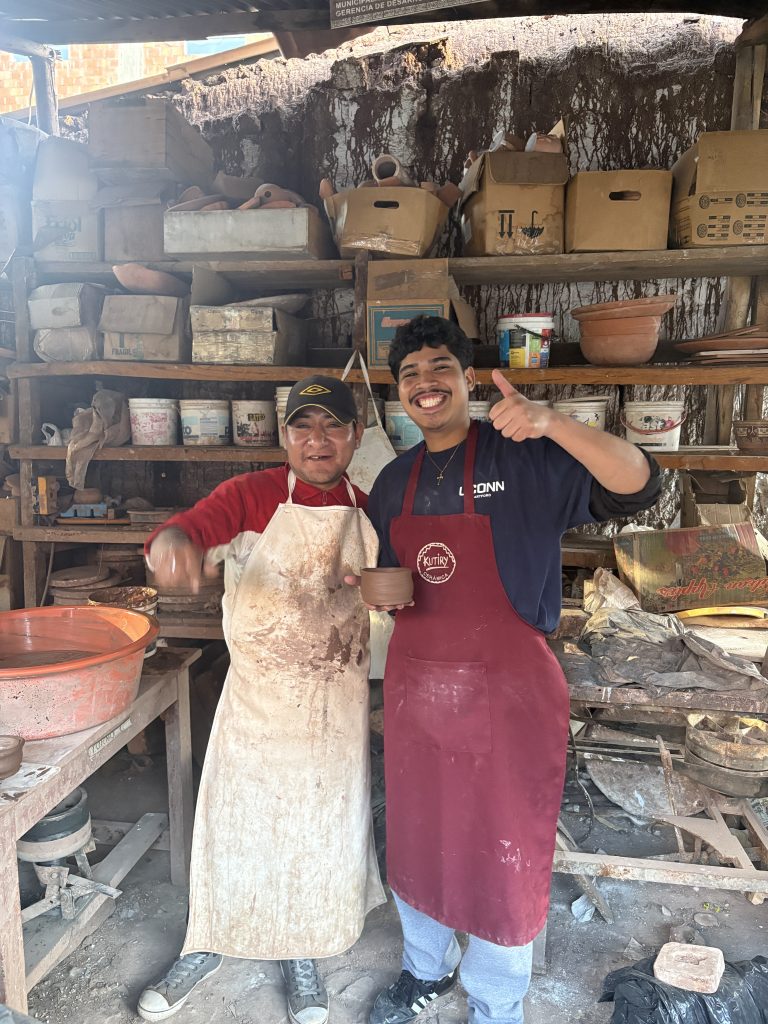
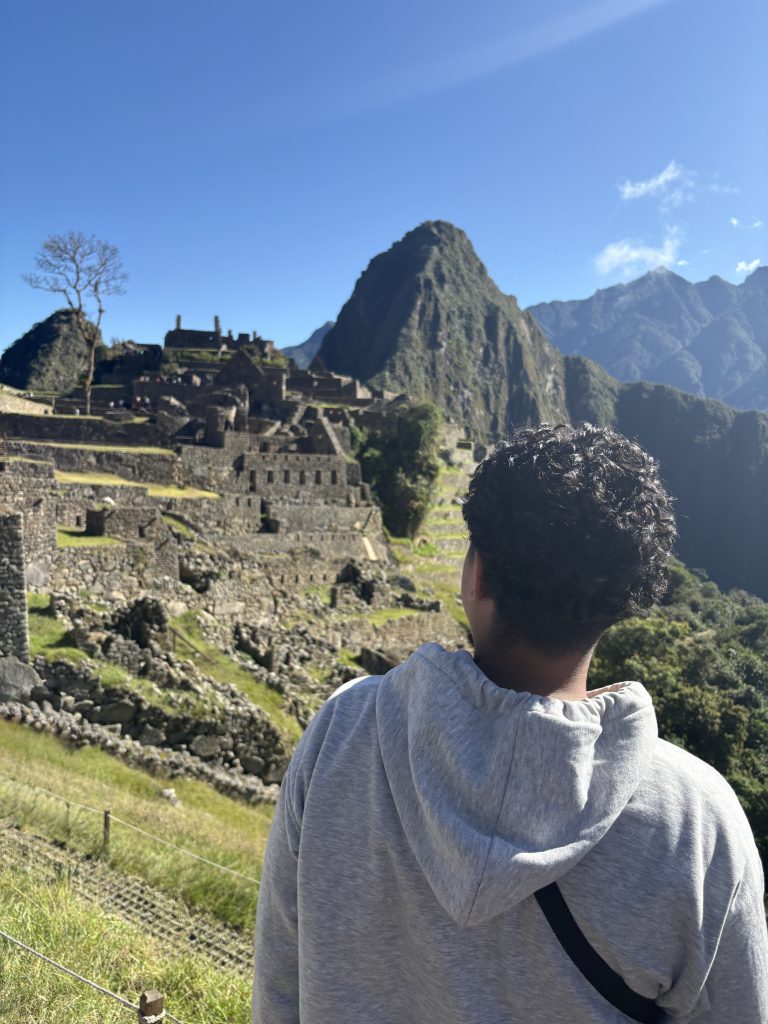
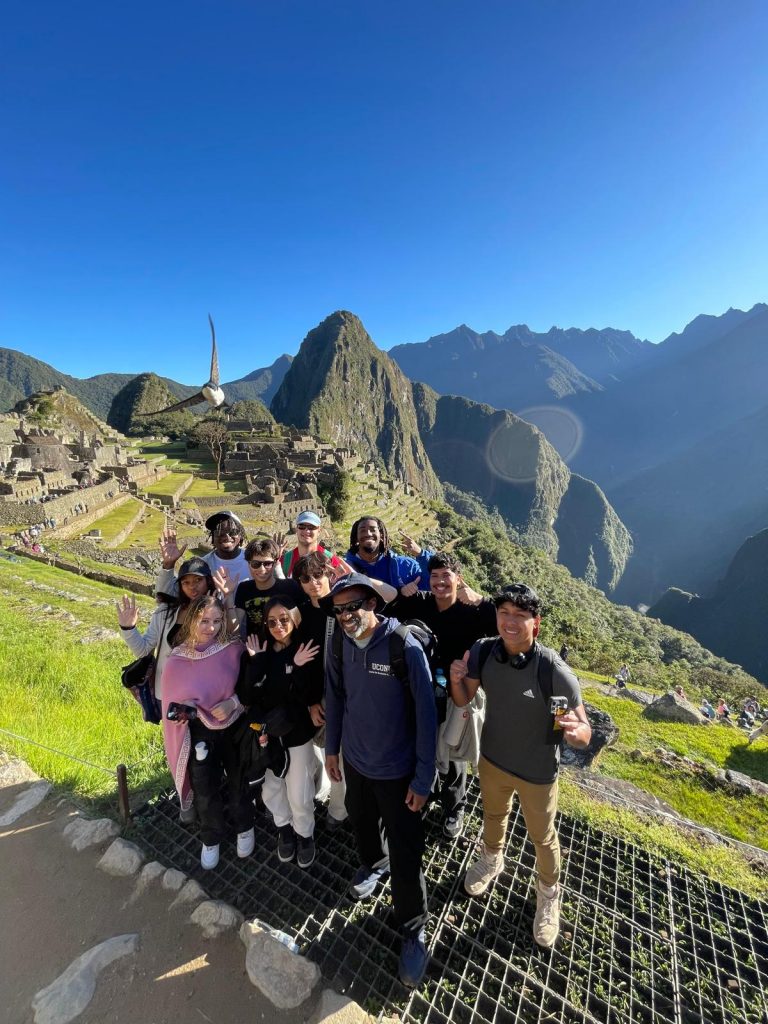
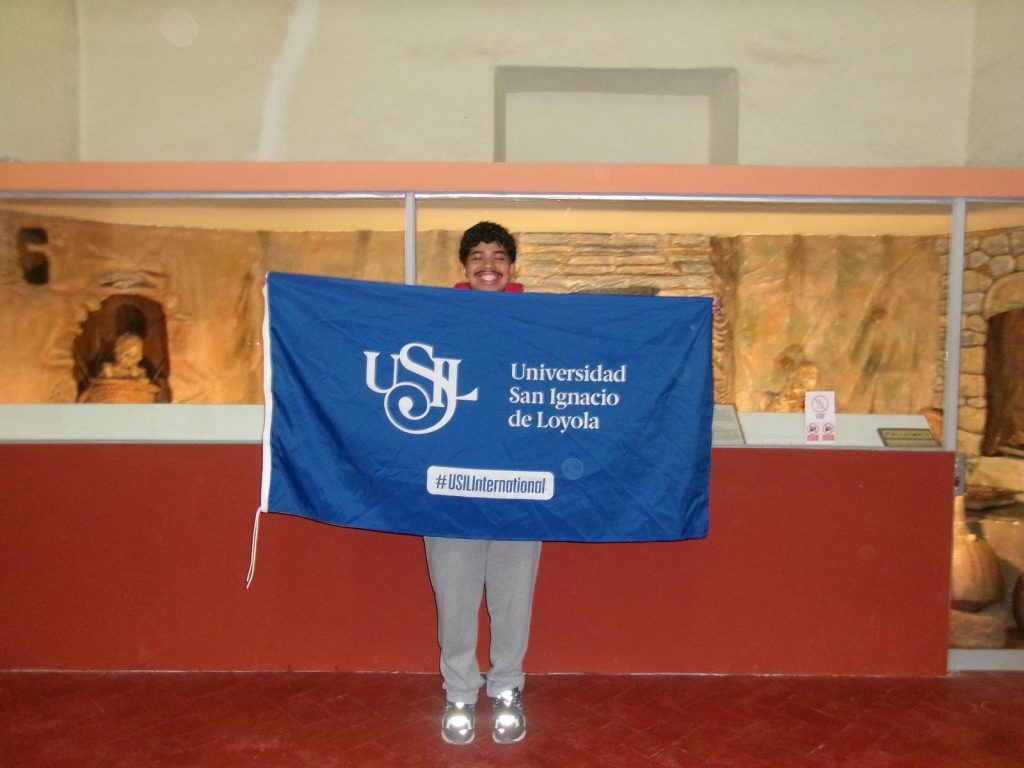
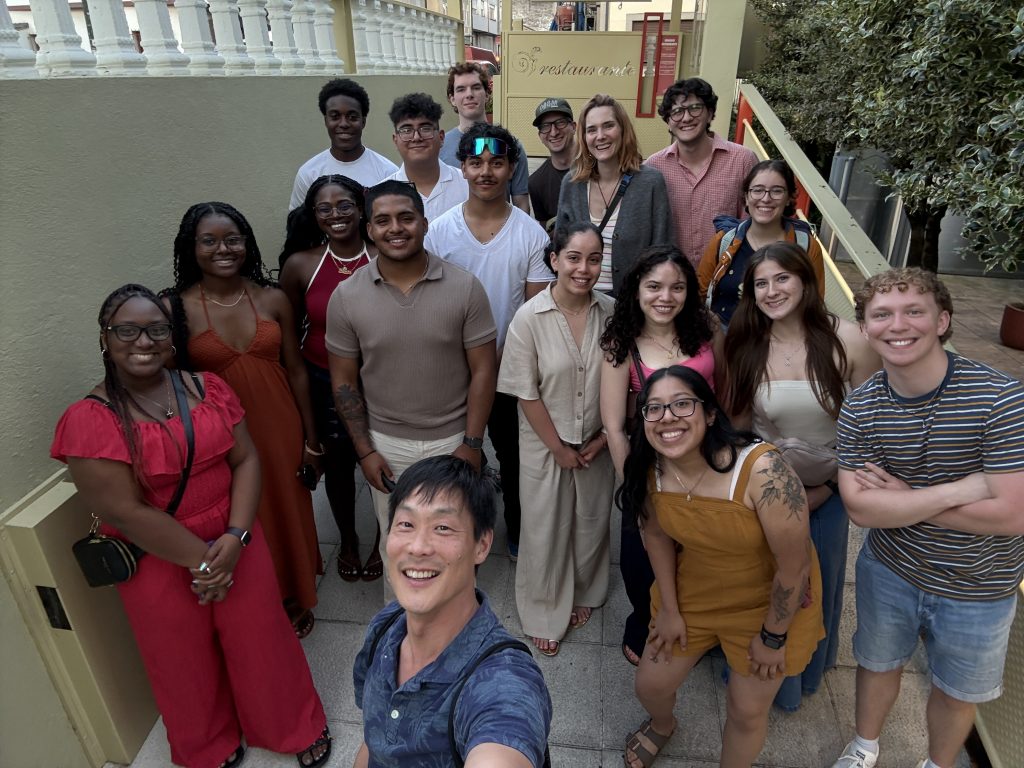
“Without RISE, I would be the same person … but not the same student,” says Orejuela, who studied abroad in Cusco, Peru, in summer 2025 thanks to Ruesta’s encouragement and a RISE scholarship. It was his first time visiting his father’s home country. “My family was stoked.”
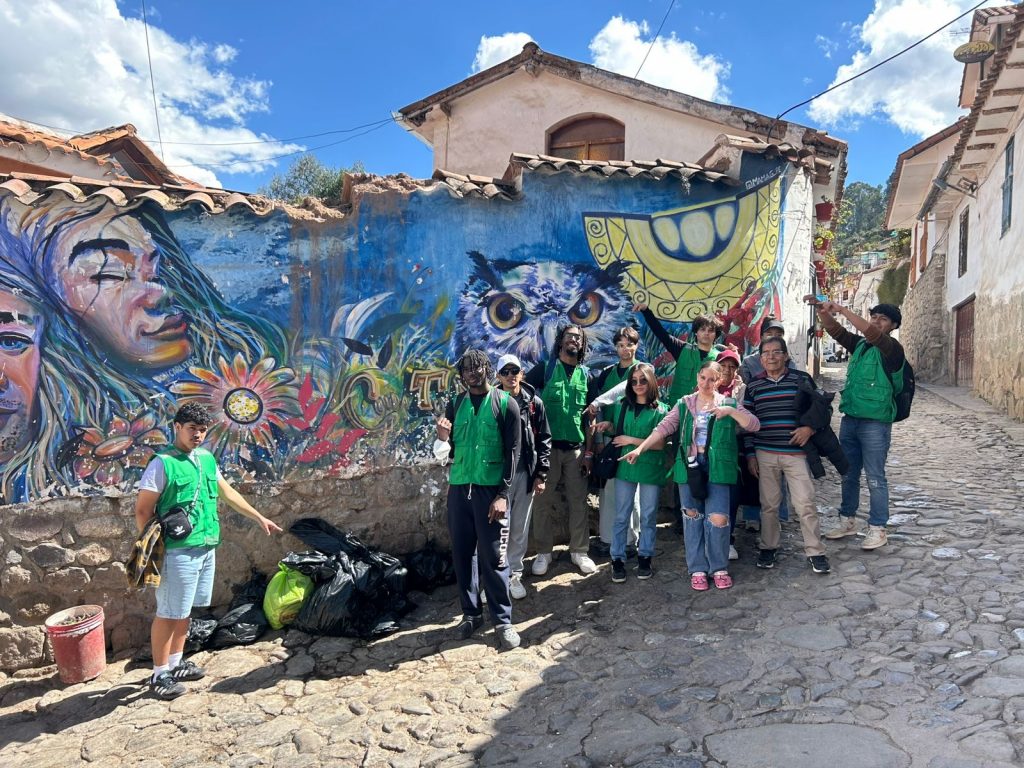
The trip, which included volunteer work at the National Inka Museum and in shelters and schools in Cusco, expanded Orejuela’s perspective and even led to a change in his major and career goals.
“It made me think about my environment and the world around me and how I could try my best to make a difference, even if it was small,” he says. His experiences in Peru combined with his involvement at UConn Hartford have shown Orejuela that “I love talking to people. I love supporting people.”
This fall, Orejuela will be transitioning to the Storrs campus to complete his political science program. After that, he may decide to go to law school or pursue a social work or public policy degree — all possibilities he hadn’t considered before.
High-Impact Practices
Connecting students with life-transformative opportunities they may have previously believed were out of reach is a key component of RISE, which aims to level the playing field for underrepresented populations in numerous ways.
Established in 2024, the RISE program takes a wraparound approach to supporting students, with one-on-one coaching and mentorship, as well as programming offered throughout each semester. Students receive support in five key areas: academic, professional, personal, health and wellness, and financial literacy.
But the push to explore — and the support and funding to take advantage of — what’s known in higher education as “high-impact practices” distinguishes RISE, opening doors to the types of experiential learning shown to improve student success metrics.
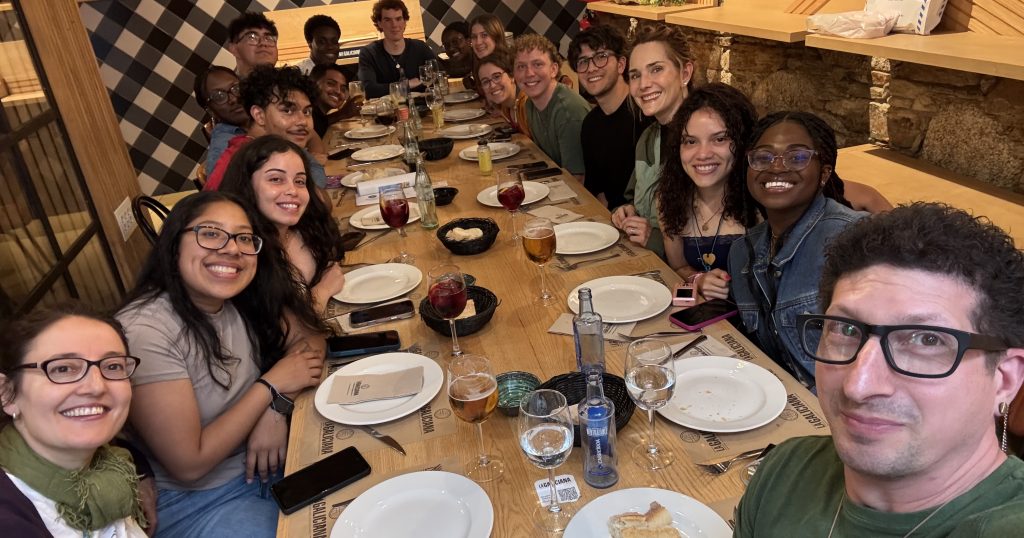
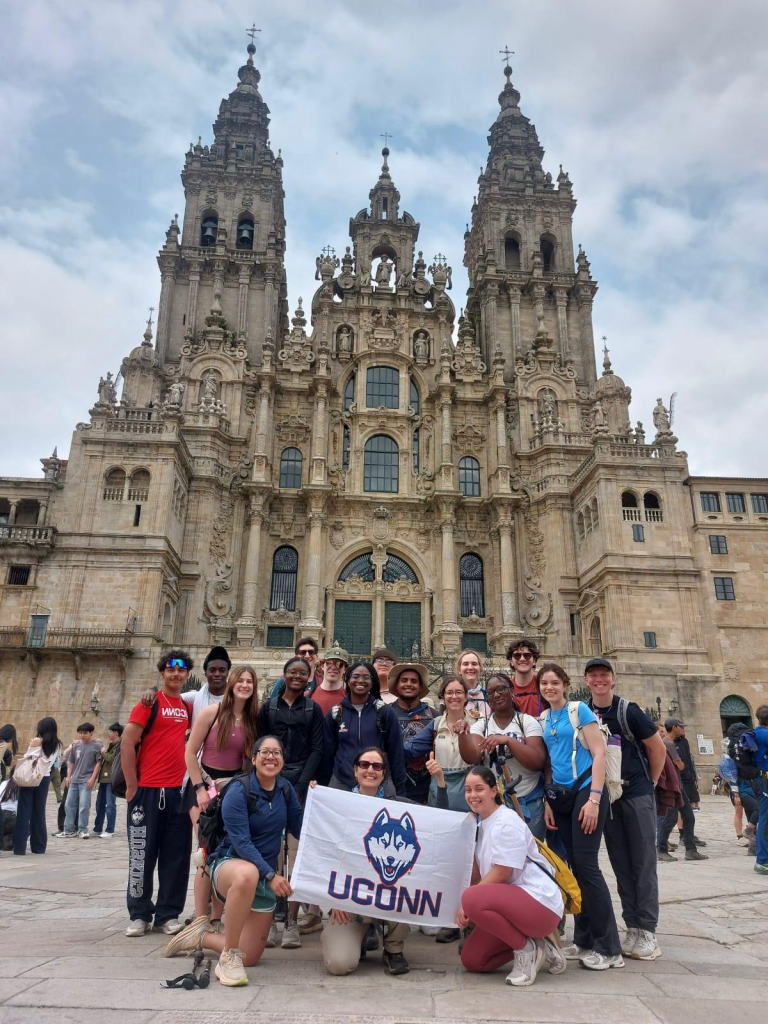
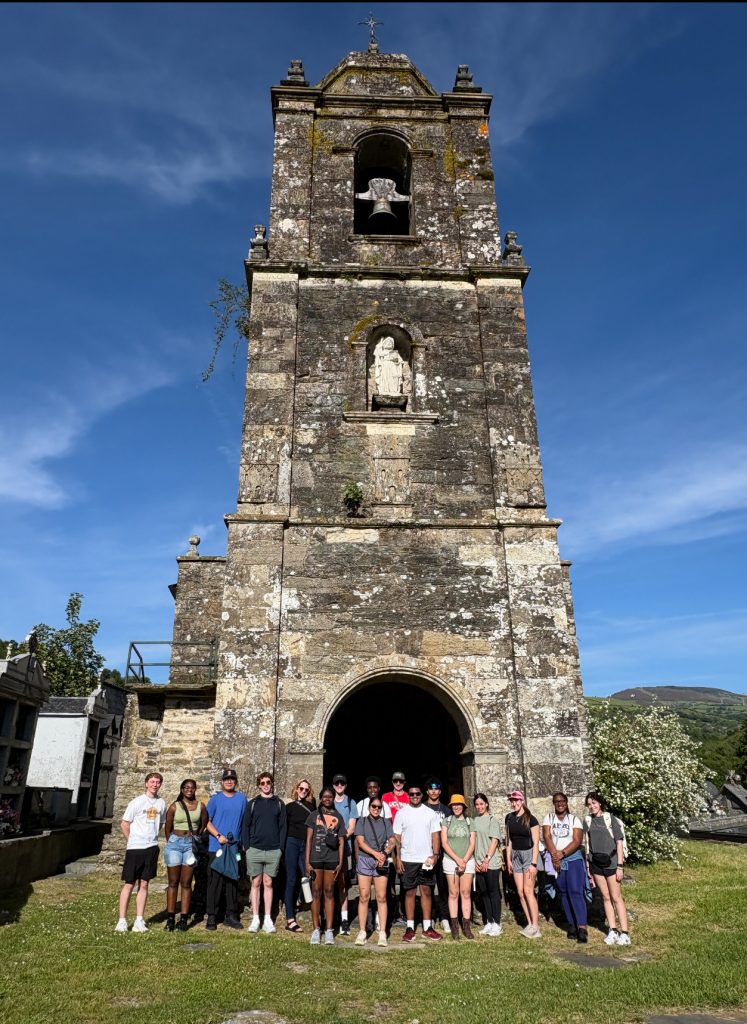
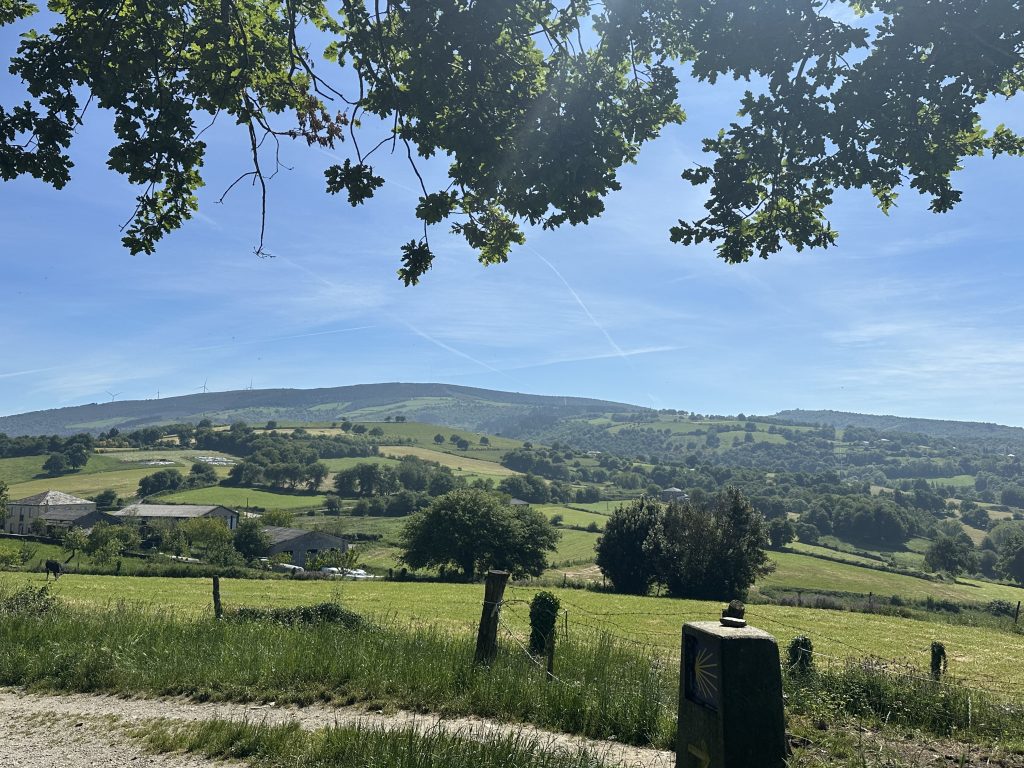
Besides study abroad opportunities, RISE students can apply for funding for independent projects and professional development. Since joining RISE, UConn Waterbury student Destiny Martinez ’27 (CAHNR) has studied abroad in Spain and obtained funding to create a reflection room called “Room to Breathe” for students on campus and to attend the World Pre-Health Conference at Harvard University.
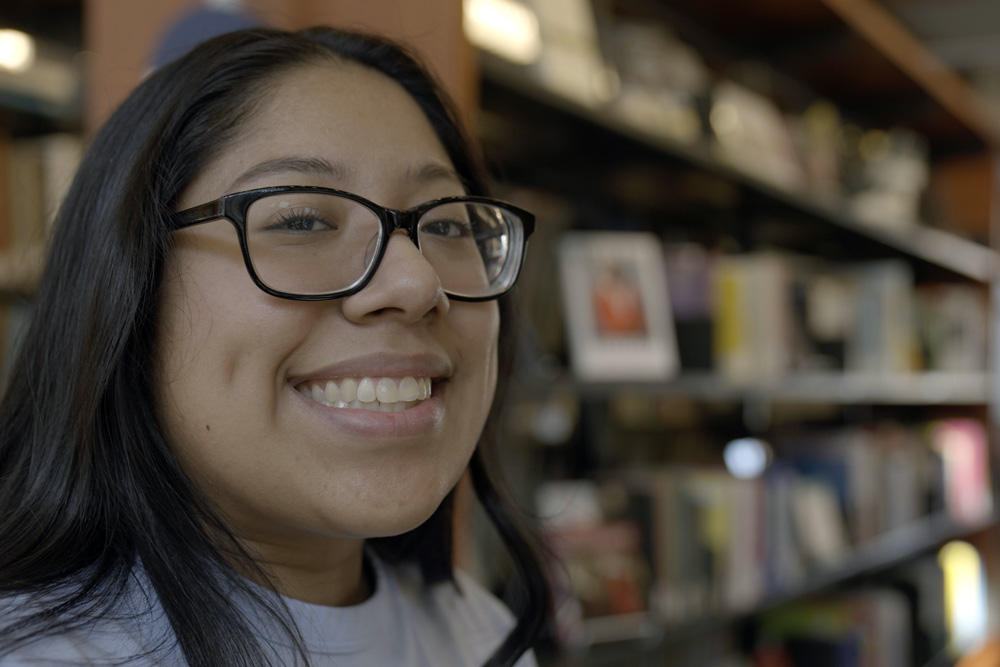
Through RISE, first-generation college student Destiny Martinez ’27 (CAHNR) has gotten help navigating processes such as filling out the FAFSA; attended workshops on financial literacy and professional attire; and obtained funding for study abroad, professional development, and on-campus projects.
“RISE has helped me feel like I belong,” Martinez says. “Once I joined RISE, I was shown all the opportunities and convinced to join other programs. I think that helped me build the confidence I need to go out and try new things.”
RISE is strategically housed in CAPS, with between 30% and 40% of students having started their UConn experience in the CAPS summer bridge program.
“We’re finding that the layering of these programs has helped our student population continue to thrive and increase the sense of belonging that’s vital to student satisfaction and retention,” says Joanna Rivera Davis, UConn Hartford director of student success, equity, and inclusion.
The inaugural cohort of RISE participants exceeded campus retention rates across all three locations, with UConn Stamford and UConn Waterbury seeing retention rates more than 20% higher than those of their general student populations.
“The growth I see in students that engage with the RISE program, either meeting with me one-on-one or attending our events or meeting with peer mentors, is that motivation to come back to school every day and feel excited to be part of something,” says Ruesta, the Hartford RISE coach. “I think RISE is able to create opportunities for students that may be falling through the cracks to see that there is more for them than they could have ever imagined.”
Beyond Retention
RISE support starts on the ground level, with help navigating everyday college needs and resources and ensuring students have knowledge to succeed once they graduate.
Workshops might cover FAFSA guidance or how to save money. Peer mentors and coaches mean someone asks how you’re doing and cares about the answer. Shared experience such as group hikes and paint nights help students connect with each other. Together, these touchpoints build community, trust, and confidence for participants.
“RISE is that support for the underrepresented, the overwhelmed, those students who may be unsure,” says Orejuela.
The goals of the program, which aims to expand to the Storrs and Avery Point campuses, are simple.
“We want all our students to graduate, to get to the finish line,” says Ruesta. “I think that’s the minimum.”
But the true measure of success, she says, is who students become through the program. Ruesta wants students to have options when they graduate, whether to start their career, go on to graduate school, or take time to figure out their next steps. And she wants them to be confident in whatever decision they make.
The work is deeply personal for Ruesta, who is a first-generation college student and an immigrant. She often feels like she’s talking to her younger self when meeting with RISE students.
“I’m telling myself that it’s OK, that we’ll figure it out, and that we have had people along the way that have seen us and our value more than we have ourselves,” she says. “I try to touch on that with the students: ‘I know that it might be hard for you to feel confident in this, but I want to assure you that I see that ability in you.’
“When I see the students step into their leadership … it fills me with a lot of pride and happiness and joy to see them succeed. I sometimes feel more excited for them than they feel for themselves,” she says. “It’s important to celebrate their wins, and that’s something I want them to remind themselves of throughout their careers here at UConn.”
Sometimes, that’s all it takes to help a student rise.
Big ideas come from out of the blue.
Behind every breakthrough, there’s a story of creativity and commitment. One where individuals come together, fueled by a shared vision and sustained by imagination and persistence.