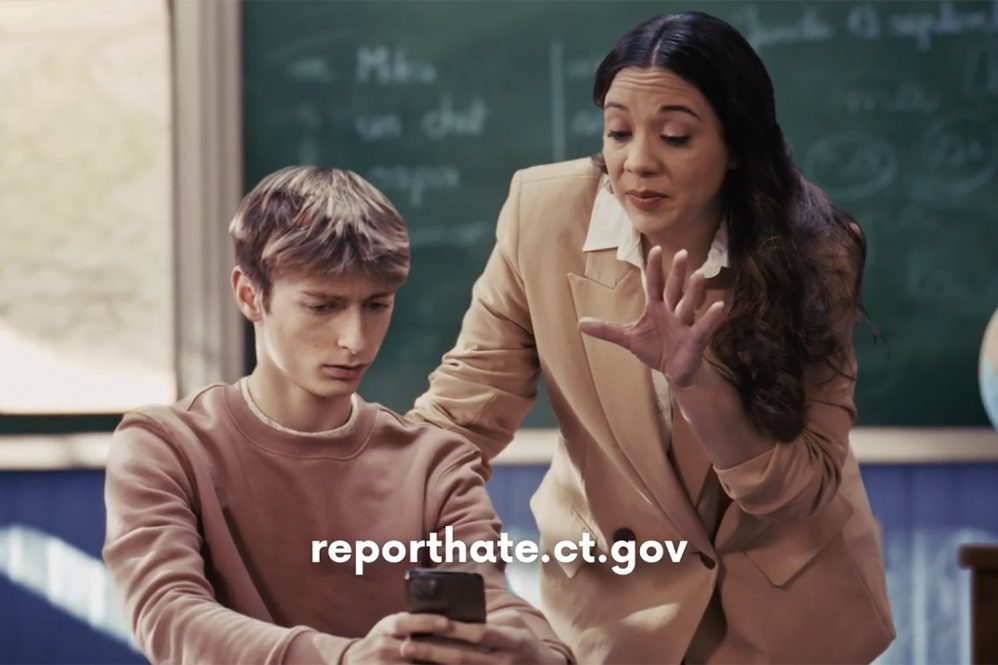
A new public awareness campaign is helping Connecticut residents better understand what constitutes a hate crime, where to report incidents, and why reporting matters. Led in part by the UConn Institute for Municipal and Regional Policy (IMRP), the campaign also aims to strengthen the state’s ability to track incidents and respond more effectively.
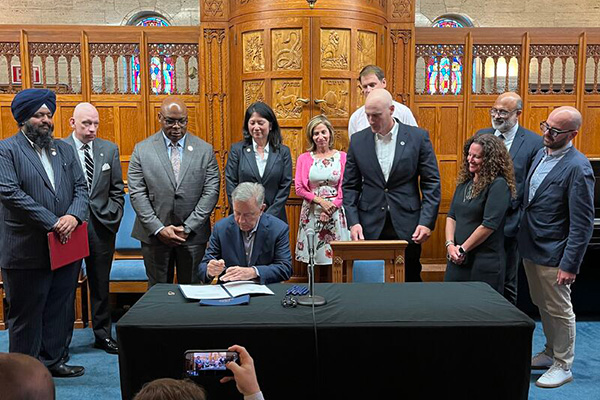
The campaign was unveiled June 8 by the Connecticut Hate Crimes Advisory Council alongside Gov. Ned Lamont’s signing of Public Act 26-77, legislation recommended by the council that strengthens and modernizes the state’s hate crimes laws.
The campaign, “Hate Is More Than a Word … It May Be a Crime,” includes a public service announcement produced for the council by IMRP, part of the School of Public Policy, in partnership with Hartford-based Greenlight Productions/GO Agency. It also directs residents to Connecticut’s online hate crimes portal, where they can learn more about hate crimes, access educational resources, and report a bias or hate incident.
“Hate crimes are often underreported, and many people are unsure where to turn or whether what they experienced should be reported,” says Ken Barone, associate director of IMRP and an advisor of the Connecticut Hate Crimes Advisory Council. “Public awareness is an essential part of prevention and accountability.”
The Connecticut Hate Crimes Advisory Council was established to strengthen the state’s response to hate crimes and bias incidents through policy recommendations, education, community engagement, and improved data collection practices.
The council includes representatives from state government, law enforcement, advocacy organizations, academic institutions, and community stakeholders. UConn faculty members from the College of Liberal Arts and Sciences and the School of Law have served on the council.
The new law also adds IMRP as an official member of the council, formalizing the Institute’s relationship with the group and further strengthening UConn’s connection to the state’s response to hate crimes and bias incidents.
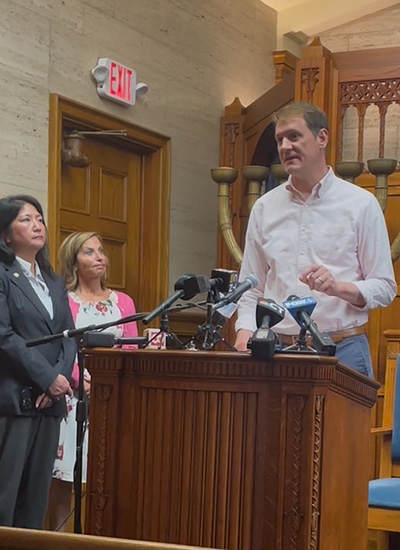
The campaign is one example of the Institute’s existing work with the council.
In addition to increasing public awareness, the online reporting portal serves as an important tool for data collection and analysis. The Institute will have continued involvement in the collection and analysis of all reported information, and will make recommendations that support targeted education and outreach efforts aimed at preventing bias and discrimination before they escalate into criminal acts.
“We will analyze the data on an annual basis to help state and local officials understand what is happening, where it is happening, and how to develop an appropriate government response,” he says.
Together, the campaign and the research that grows out of it will help the state and its residents better understand the legal and social impact of hate crimes and bias incidents while making reporting information more accessible across Connecticut, according to Barone.
“Every resident has a role to play in recognizing hate crimes, understanding their impact, and helping ensure incidents are reported,” he says.