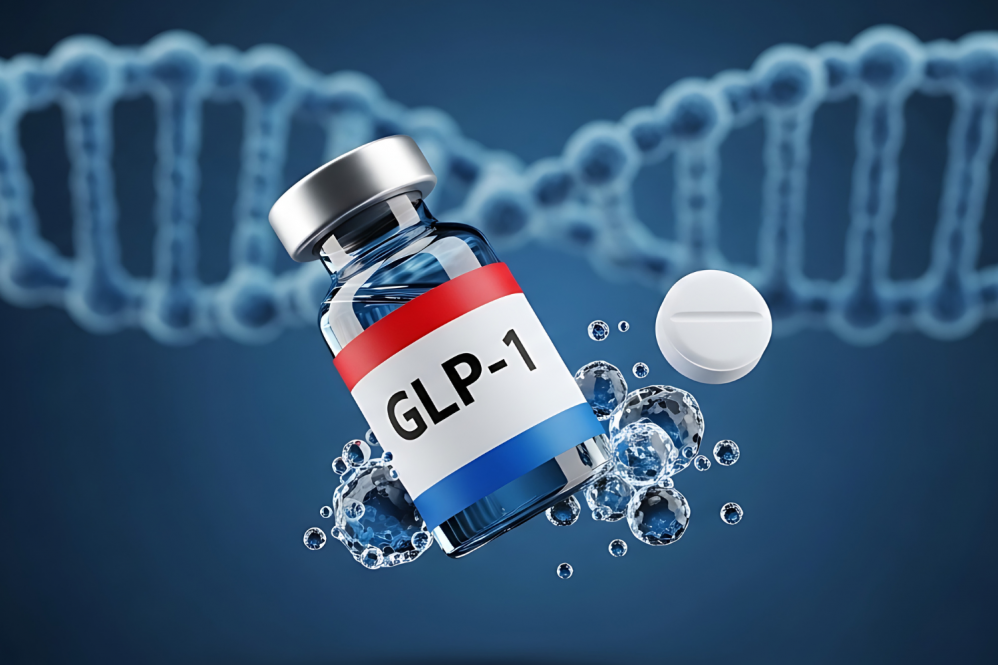
Few medications have generated as much conversation and as much misinformation as GLP-1 medications.
Originally developed to help people with Type 2 diabetes manage blood sugar, medications such as Wegovy®, Ozempic®, Zepbound®, and Mounjaro® have quickly become household names as highly effective treatments for obesity.
Their popularity has sparked countless headlines, celebrity endorsements, viral TikTok videos, and endless online debates. Along with the

excitement has come confusion.
Are they safe? Do people have to stay on them forever? Are they simply appetite suppressants? Is taking one “cheating?”
According to Dr. Jason Schneider, an OB/GYN at UConn Health who is board certified in obesity medicine, many of the biggest misconceptions stem from an outdated understanding of obesity itself.
“For decades we’ve viewed obesity primarily as a failure of willpower,” Schneider said. “Today, the science tells us something very different. We now understand obesity is a complex chronic disease influenced by genetics, hormones, metabolism, brain signaling, environment and many other factors. These medications didn’t change obesity, they changed our ability to treat it.”
Below, Schneider separates fact from fiction.
___________________________________________________________________________________
FICTION: “People with obesity just need more willpower.”
FACT: Obesity is a chronic disease—not a character flaw.
Dr. Schneider: One of the biggest misconceptions about obesity is that people simply need to eat less and exercise more. If weight loss were that straightforward, we wouldn’t have an obesity epidemic.
We now understand that obesity is much more complex. Genetics, hormones, metabolism and brain chemistry all play important roles in regulating hunger, fullness and how our bodies store energy.
Good nutrition and regular exercise remain the cornerstone of healthy living, but for many patients those efforts alone aren’t enough because the biology driving obesity is working against them. That’s why we increasingly recognize obesity as a chronic disease that deserves evidence-based medical treatment, just like diabetes or high blood pressure.
________________________________________________________________________________________________
FICTION: “GLP-1 medications are just appetite suppressants.”
FACT: They work on both the brain and the digestive system.
Dr. Schneider: GLP-1 is actually a hormone your body naturally releases after eating. It communicates with multiple organs including the brain, stomach and pancreas to help regulate energy balance.
The medications slow how quickly food leaves the stomach, helping people feel full longer. Just as importantly, they act on the brain’s appetite centers, helping regulate hunger and fullness signals.
Many patients describe something they call ‘food noise’that constant mental chatter about food, cravings or wondering what they’ll eat next. One of the most remarkable things we hear is that this noise becomes much quieter.
Researchers are now studying these effects beyond obesity because the medications appear to influence some of the same brain pathways involved in cravings and reward.”
________________________________________________________________________________________________
FICTION: “These medications are too new to know if they’re safe.”
FACT: They’ve been studied for nearly two decades.
Dr. Schneider: Although many people first heard about these medications for weight loss, GLP-1 medications have been used to treat Type 2 diabetes for years. We have extensive clinical research involving thousands of patients.
Like every medication, they’re not appropriate for everyone and there are important safety considerations. But the idea that these medications suddenly appeared without research simply isn’t accurate.
He notes that people with a personal or family history of medullary thyroid cancer, Multiple Endocrine Neoplasia syndrome type 2 (MEN2), or certain other medical conditions should discuss the risks carefully with their physician.
________________________________________________________________________________________________
FICTION: “Everyone has terrible side effects.”
FACT: Most side effects are manageable and medical guidance matters.
Dr. Schneider: Social media naturally amplifies the extremes. People who have a difficult experience are much more likely to post than the many patients who tolerate the medication well.
The most common side effects involve the digestive system, including nausea, constipation, diarrhea and acid reflux. For many patients these improve over time or can be managed by adjusting the dose, modifying eating habits or temporarily slowing dose increases.
That’s why ongoing communication with your healthcare provider is so important.”
________________________________________________________________________________________________
FICTION: “I’ll lose muscle instead of fat.”
FACT: Muscle loss can happen with any significant weight loss but it isn’t inevitable.
Dr. Schneider: Whenever someone loses a substantial amount of weight whether through dieting, bariatric surgery, or medication some muscle loss can occur.
That’s why we encourage patients to think beyond the number on the scale. Strength training, adequate protein intake and regular physical activity become even more important while taking these medications.
The goal isn’t simply to lose weight. It’s to improve overall health while preserving muscle mass and physical function.
________________________________________________________________________________________________
FICTION: “Once you stop taking a GLP-1, you’ll gain all the weight back.”
FACT: Obesity is a chronic disease that often requires long-term management.
Dr. Schneider: This reflects how we think about chronic diseases.
If someone stops taking medication that controls blood pressure, blood sugar or asthma, the underlying condition often returns. Obesity is similar.
Some patients may benefit from long-term treatment, while others may transition to different therapies as new medications become available. Obesity medicine is evolving incredibly quickly, and we’re already seeing newer medications, oral options and combination therapies entering the field.”
________________________________________________________________________________________________
FICTION: “Taking a GLP-1 is cheating.”
FACT: Treating a chronic disease is never ‘cheating.’
Dr. Schneider: Unfortunately, obesity still carries significant stigma
No one tells a patient they’re cheating because they take medication for high blood pressure or diabetes. Obesity deserves that same medical respect.
These medications don’t replace healthy eating or exercise. They’re one tool that helps patients overcome the biological barriers that have often prevented them from succeeding despite years of trying.
________________________________________________________________________________________________
FICTION: “If I can get a prescription online, that’s all I need.”
FACT: The medication is only one part of successful treatment.
Dr. Schneider: One of the biggest misconceptions is that these medications are simply a prescription you take once a week and the weight comes off. That’s not how we approach obesity medicine.
Patients should be monitored throughout treatment. We look at nutrition, hydration, protein intake, physical activity, sleep and laboratory values. Some patients need adjustments in dosing. Others may benefit from working with a registered dietitian or additional specialists.
It’s also possible to lose weight too quickly or eat too little, which can lead to nutritional deficiencies and muscle loss if patients aren’t receiving appropriate medical guidance.
The goal isn’t simply weight loss. It’s healthy, sustainable weight loss that improves overall health and quality of life.
________________________________________________________________________________________________
Looking Ahead: The Future of Obesity Medicine
GLP-1 medications represent one of the most significant advances in obesity treatment in decades, but Schneider believes they’re only the beginning.
Researchers are already studying newer medications that target multiple metabolic pathways simultaneously, oral alternatives to injections, and personalized approaches that better match treatments to individual patients.
“Obesity medicine is advancing incredibly fast,” Schneider said. “The exciting part isn’t just that we have better medications. It’s that we’re finally treating obesity based on the biology of the disease rather than outdated assumptions. That’s leading to better care, better outcomes and, ultimately, better lives for our patients.”
GLP-1 medications aren’t a miracle cure or a shortcut. They’re one evidence-based tool that, when combined with healthy nutrition, physical activity, strength training and ongoing medical care, can help people living with obesity improve their health for the long term.
GLP-1 medications have transformed obesity treatment, but they aren’t a shortcut or a miracle cure. They’re one evidence-based tool that, when combined with healthy nutrition, exercise, strength training and ongoing medical care, can help patients achieve lasting improvements in their health.
As interest in GLP-1 medications continues to grow, Schneider encourages patients to seek information from trusted medical professionals rather than social media influencers or unverified online sources. The right medication, from a reputable source, combined with ongoing medical supervision, is essential for safe and effective treatment.