A multi-year, multi-institutional collaboration called the Evolving Meta-Ecosystems (EVOME) is taking a close look at adaptive evolution in rapidly warming Arctic ecosystems.
Kicking off this year’s field season at the end of May from the Toolik Field Station, the researchers continued their study of how prominent plant and animal species within the closely-knit Arctic upland and river food webs adapt. For this, the team is studying how genetic changes can spark changes throughout coupled ecosystems.
With this holistic approach, the EVOME team including UConn Department of Ecology and Evolutionary Biology researchers professor Mark Urban, associate professor Jill Wegrzyn, postdoctoral researcher Brandon Lind, research associate Dana Drake, Department of Molecular and Cell Biology professor Rachel O’Neill, and multiple graduate students, is hoping insights gained from the Arctic can inform how other ecosystems across the globe may respond to the climate crisis.
The dramatic changes happening in the Arctic are often far removed from the public eye and the team is working to change this by inviting journalists into the field to learn about and experience the research process alongside the scientists. A recent Guardian article detailed this impactful collaboration.
The EVOME team also shared photos detailing the research process over the course of the 2026 field season with UConn Today.
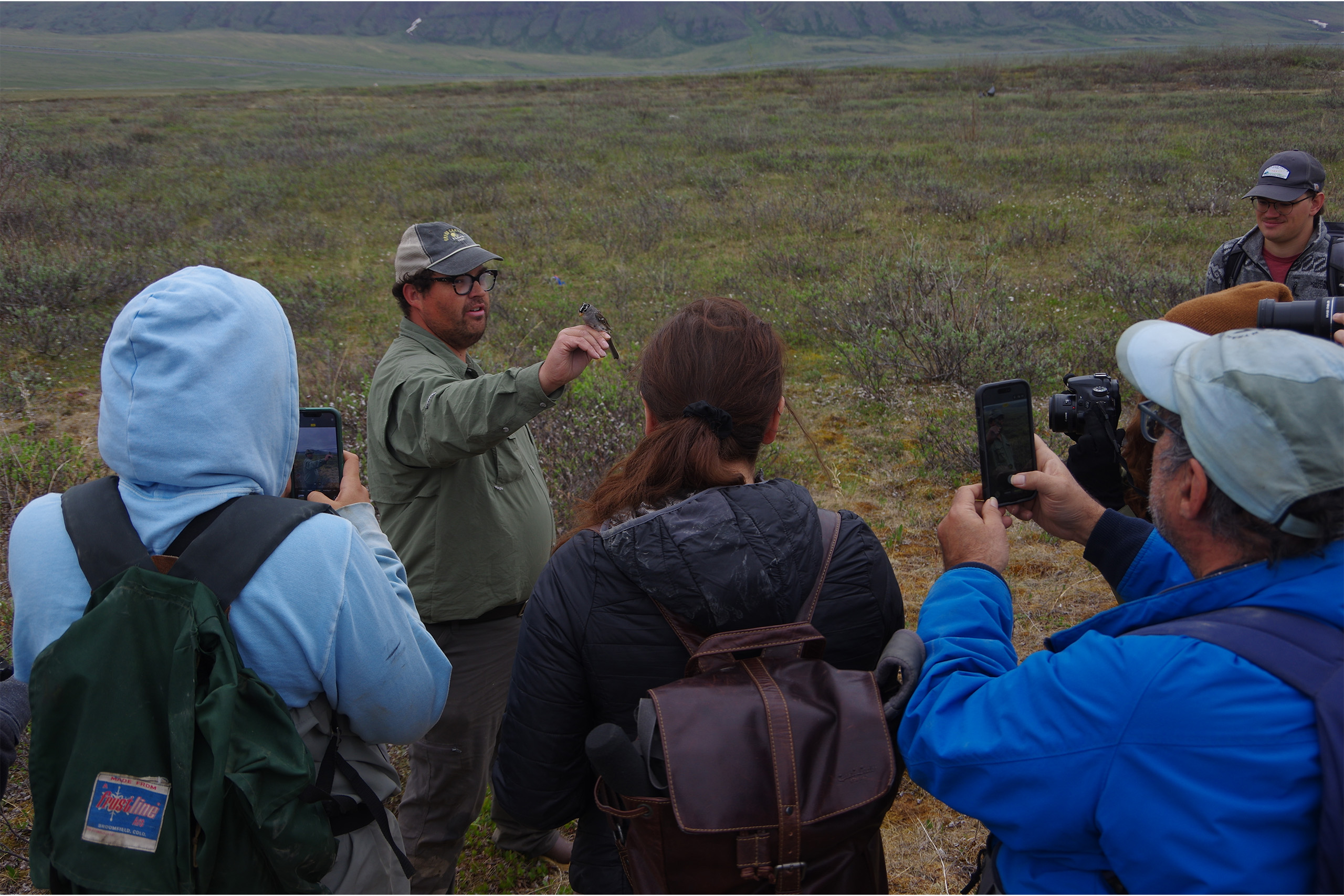
Drawing attention to the impacts of the climate crisis in the arctic is an important component of EVOME. Six journalists joined the team in late June to learn about the project so they could spotlight their experiences for the public.
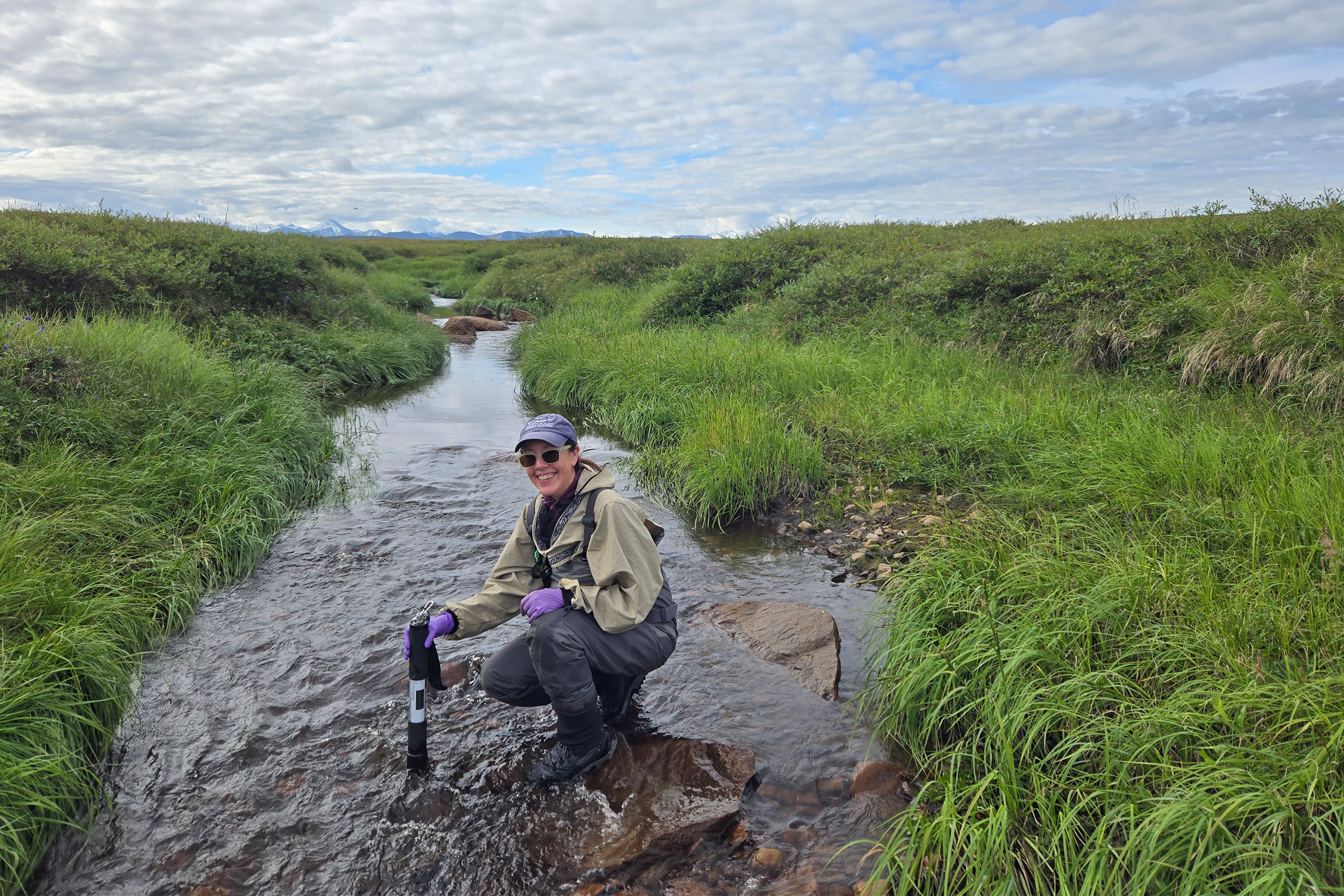
The researchers are also looking at how the Arctic grayling is adapting to changes in the ecosystem that impact how the fish overwinter in bodies of water and migrate in waterways. Here Drake is measuring benthic algae to understand how streams vary in primary production of nutrients within the food web.
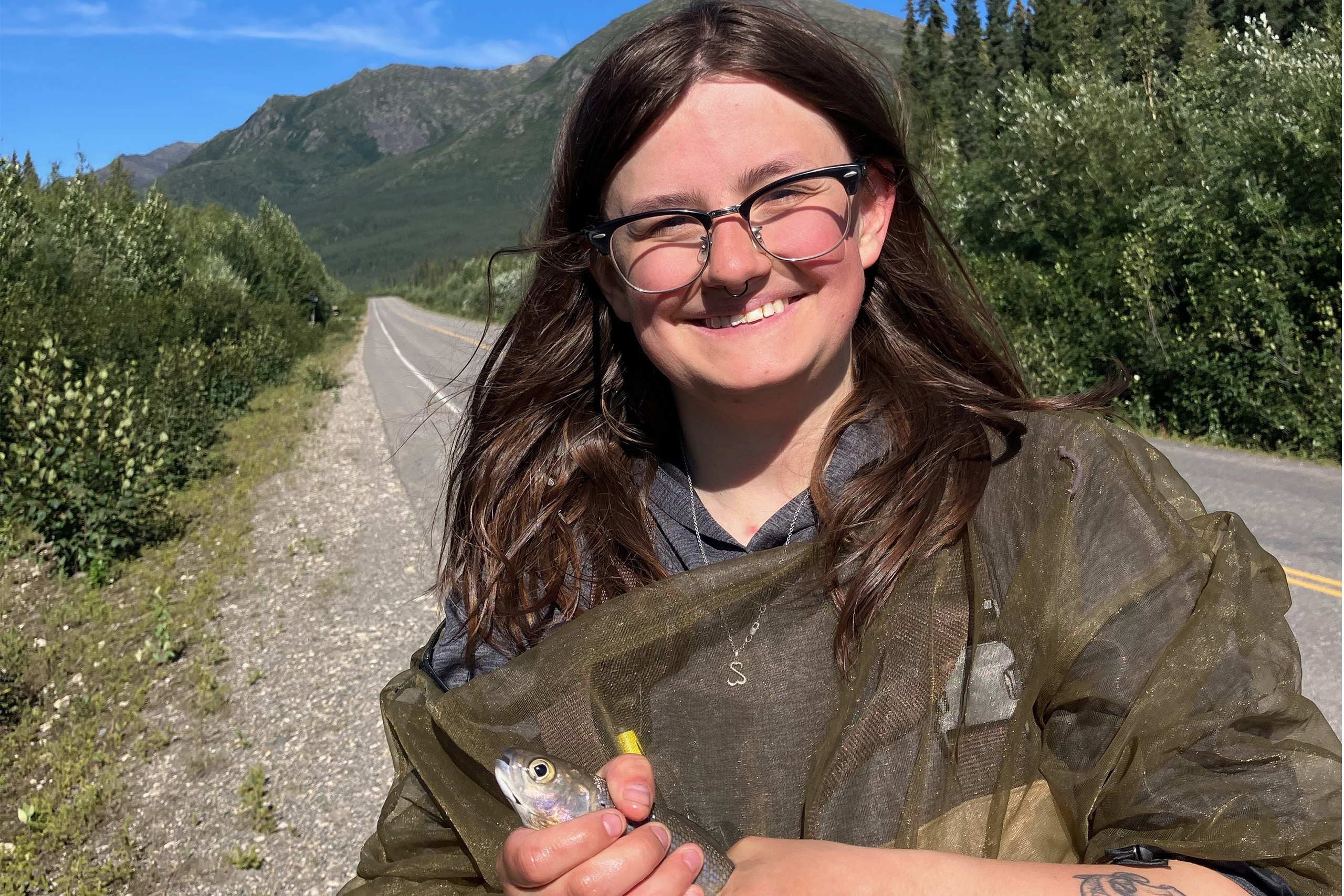
UConn PhD students Airianna McGuire (Wegrzyn/Urban Lab) and Kendal Berasley (O'Neill Lab) are using landscape genetics to examine how populations of arctic grayling (Thymallus arcticus) and of mayflies and stoneflies are responding to a changing Arctic. Here, McGuire poses with an arctic grayling.
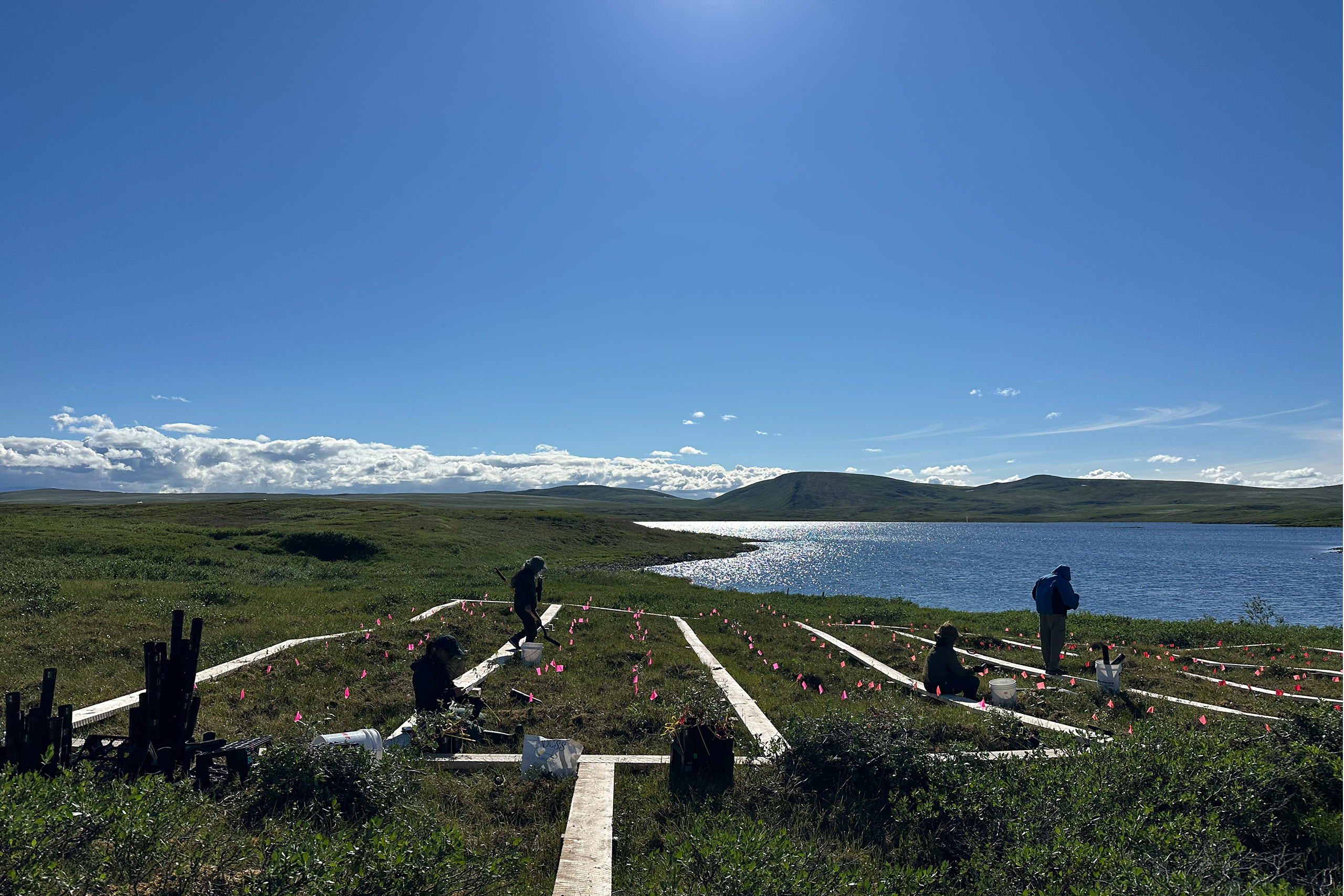
Brandon Lind, research associate Samira Obbu, and REU student Jenna Kent ’27 (CLAS) planted feltleaf willow (Salix alaskensis) into a common garden at Toolik, where seedlings from different source populations grow under the same conditions. Growth and phenology will be tracked over the coming years to separate the genetic contribution to growth and climate adaptation from the effects of the environment where each plant originated.
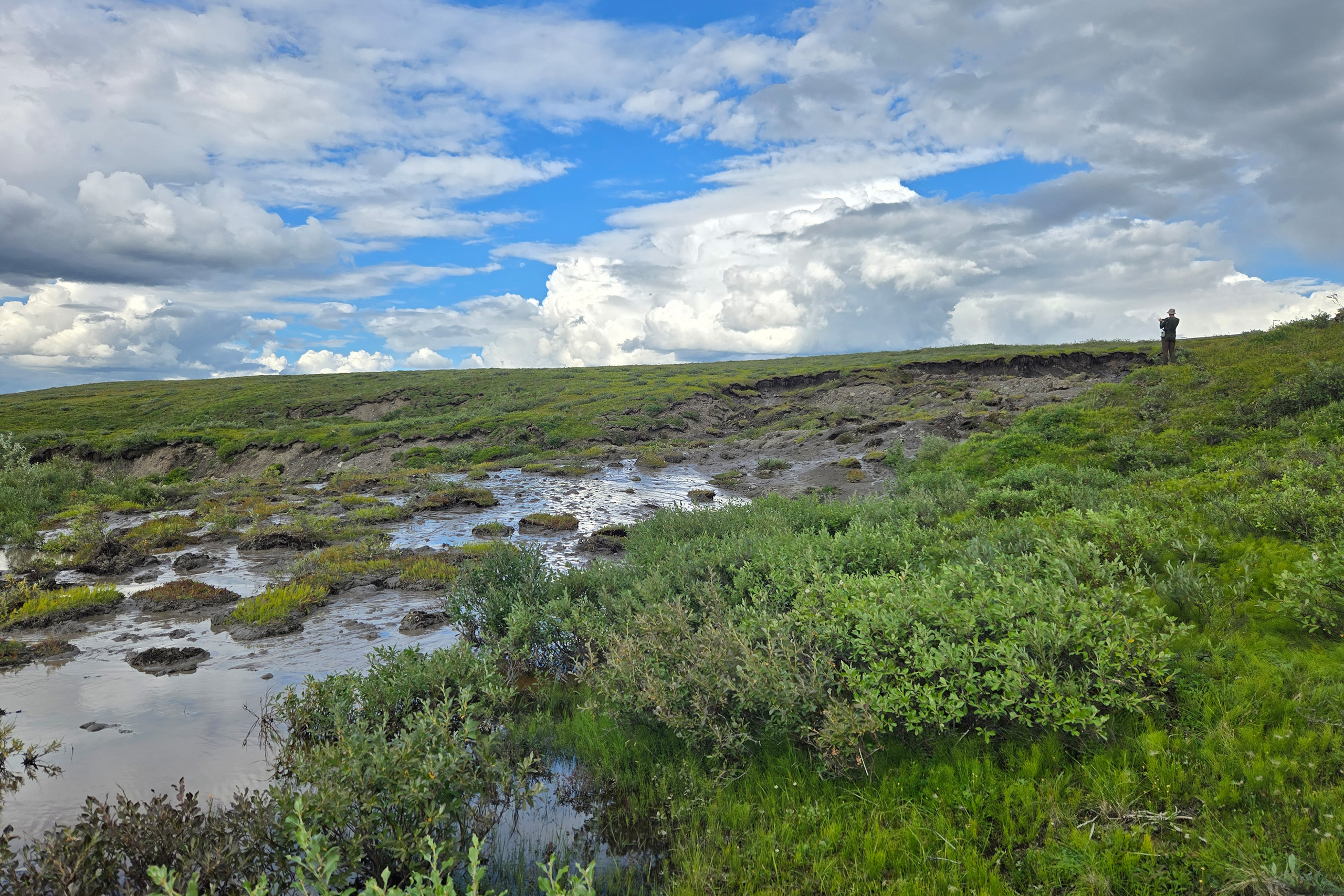
Fieldwork brings unexpected learning opportunities, for example, the researchers encountered this retrogressive thaw slump, which is a dramatic type of thermokarst depression formed by thawing permafrost. As permafrost melts, the Arctic landscape is rapidly changing.
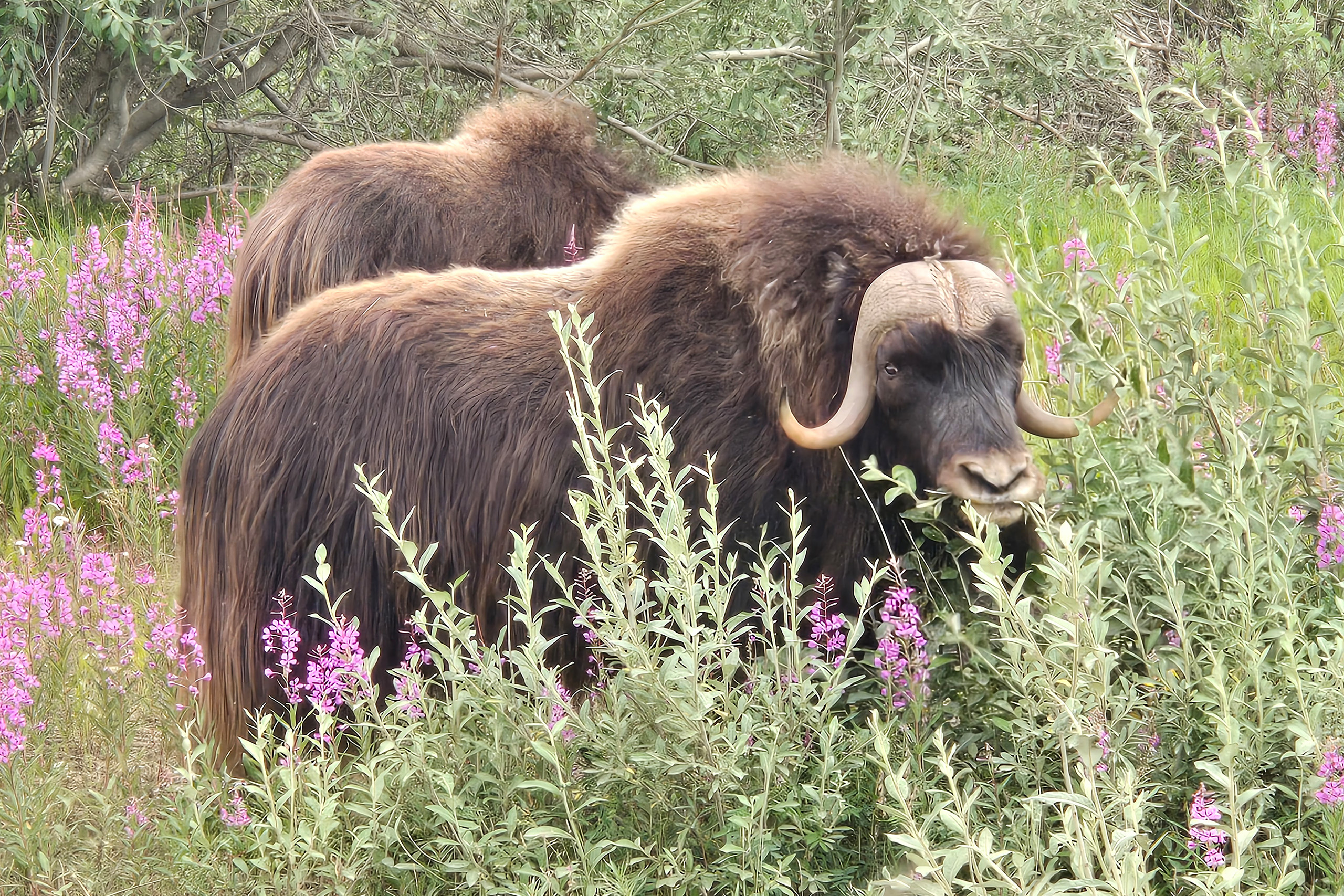
The researchers worked alongside moose, caribou reindeer, and musk oxen (photographed here).
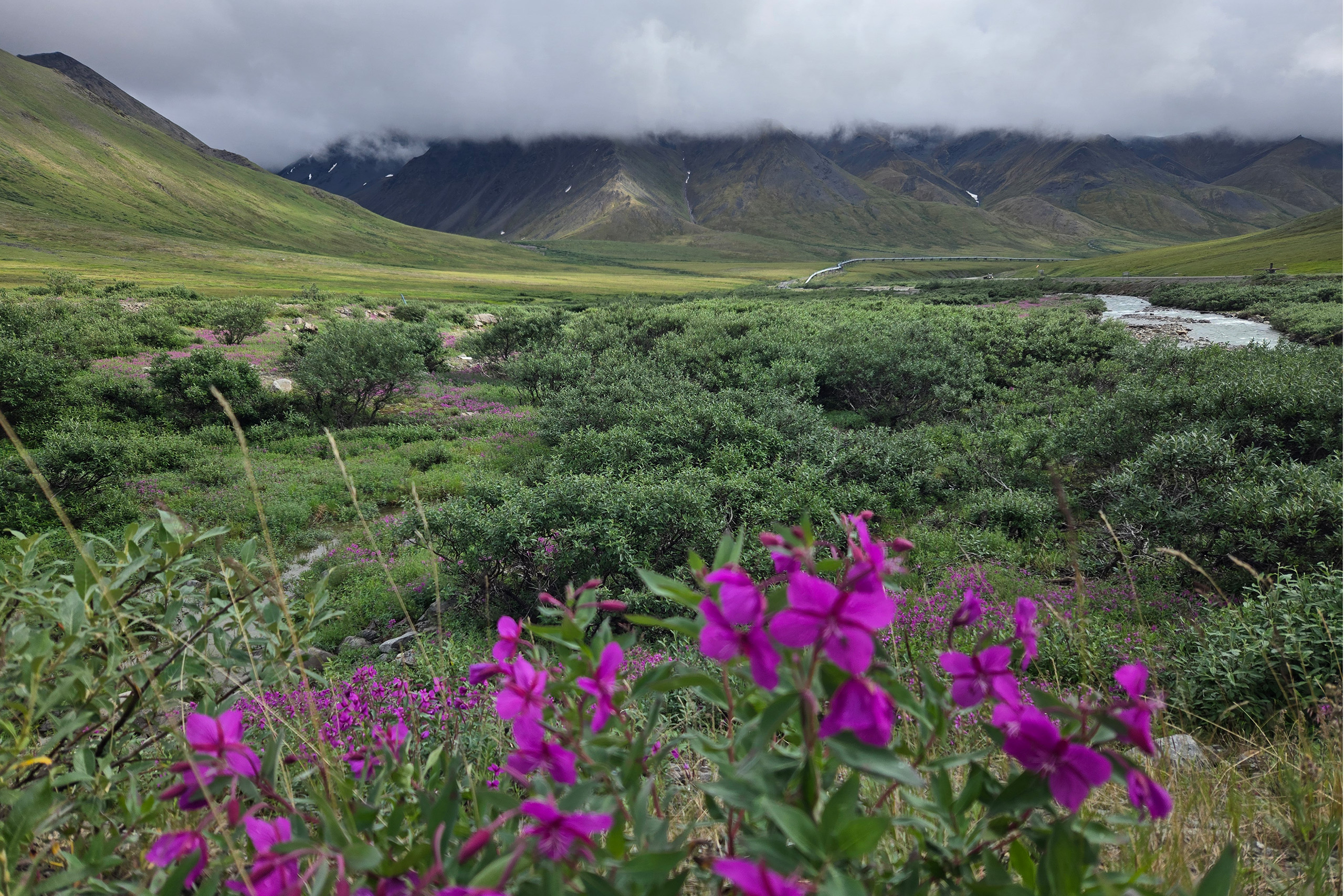
Expansion of oil and gas extraction continues despite the urgent calls to transition away from fossil fuels. Industry infrastructure like this pipeline borders or runs directly through ecologically sensitive areas like those studied by the EVOME project.
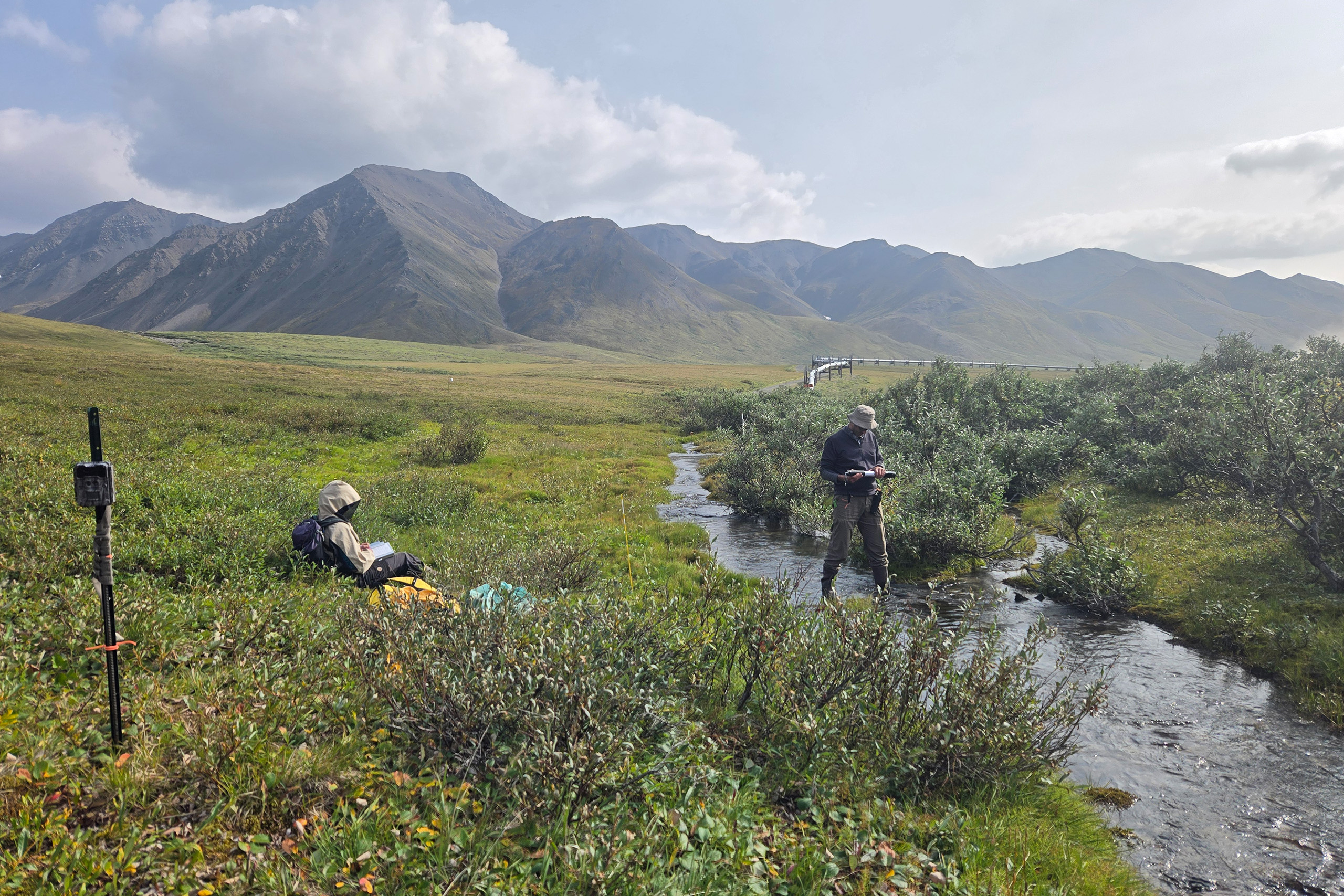
The Arctic is warming over three times faster than the global average and EVOME is bringing many disciplines together to study how different elements within closely-integrated Arctic ecosystems are evolving in the rapidly changing climate.
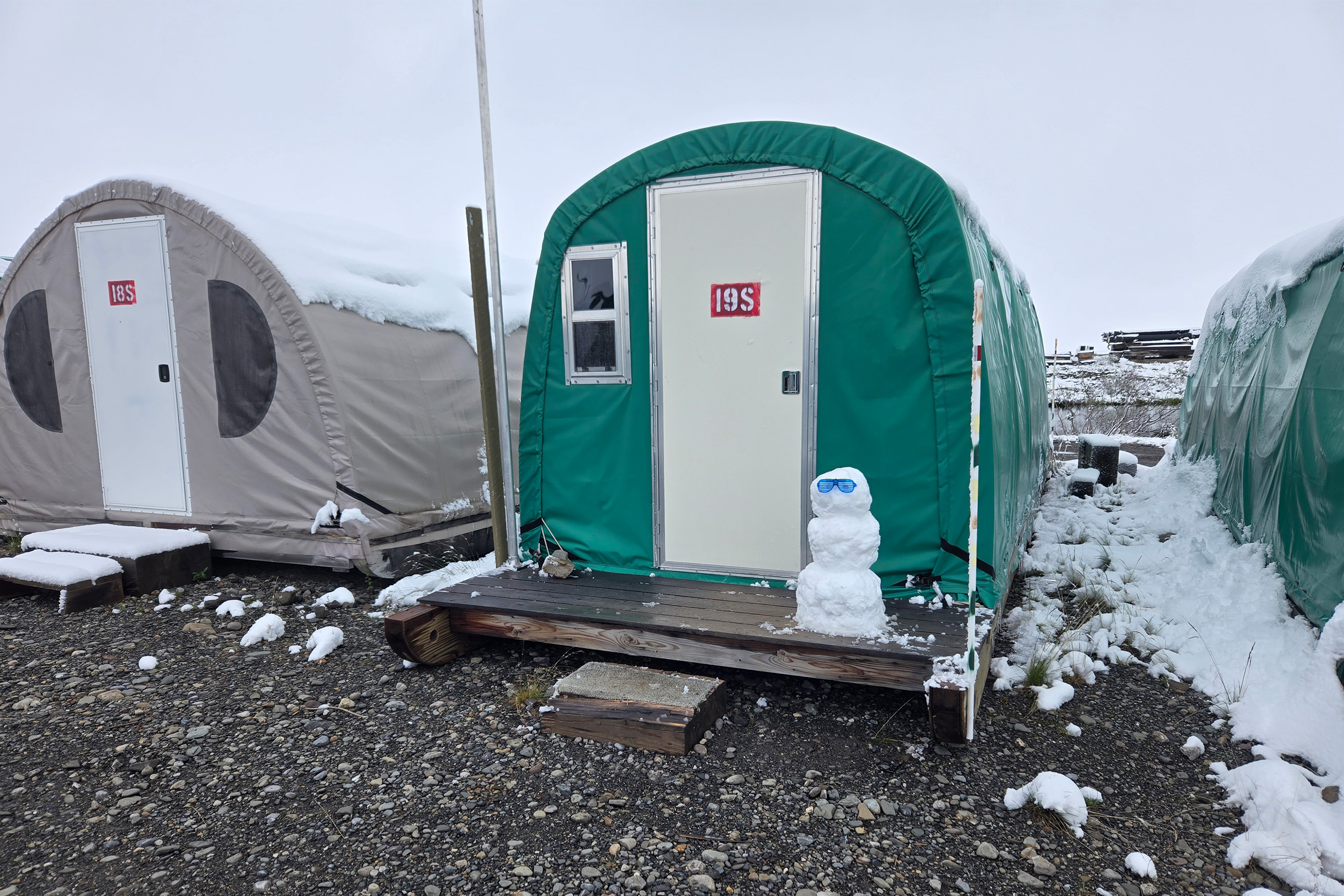
Fieldwork in arctic Alaska sometimes means contending with July snowfall.