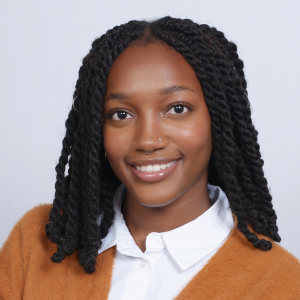
As a first-generation Black American college student raised in an underserved community, Zahkiyah Days saw early in life how socioeconomic circumstances can affect access to health care.
Her grandmother experienced substance use and mental health conditions but could not afford care that addressed all her needs. Days also saw how those experiences eroded her grandmother’s trust in health care providers.
“She often complained about feeling like her medical concerns were not considered, which developed a level of mistrust between her and the providers,” says Days, a UConn School of Social Work MSW student and Behavioral Health Scholar. “Witnessing her struggles inspired me to become a social worker who serves underprivileged populations to bridge the gap between healthcare providers and clients.”
Days is now putting that commitment into practice as one of nine Urban Service Track/Area Health Education Center (UST/AHEC) Scholars(opens in new tab) from the UConn School of Social Work(opens in new tab). She is learning alongside approximately 60 students from UConn’s Schools of Medicine, Pharmacy, Dental Medicine, and Nursing and Quinnipiac University’s Physician Assistant program to help address the health needs of marginalized communities.
“Social work students bring an important perspective to health care because they are trained to look beyond a person’s immediate needs and consider the social, economic, family, and community factors that shape their health,” says Rachel Schwartz, MSW program director and associate professor-in-residence at the UConn School of Social Work. “The Urban Service Track allows our students to put that perspective into practice while learning from other health professions.”
Beginning at Bootcamp
Focused on primary care, interprofessional education, and service to urban underserved populations, UST/AHEC has helped prepare more than 1,000 graduates since its founding. Scholars participate in community engagement and experiential learning that connect their professional education with the realities faced by patients and communities that have historically encountered barriers to health care.
All UST/AHEC Scholars complete the curriculum over two years. The program includes didactic and clinical training, including two clinical skills boot camps, two enhanced trainings, and six learning retreats focused on topics such as caring for veterans, urban youth, people experiencing homelessness, older adults, and patients of diverse national origins. Other topics include advocacy, caregiver burnout, patient safety, and improving communication.
During her first year in UST/AHEC, Days participated in a clinical boot camp where she learned how to do blood glucose tests, oral exams, and blood pressure checks. UST/AHEC students and alumni from previous years facilitated each station and supported the new cohort throughout the class.
“As a social worker, I’m not expected to know how to screen patients for high blood pressure, periodontal disease, or diabetes; however, since my participation in UST/AHEC, I can recognize the symptoms and refer clients to a specialist,” Days says. “That is also helpful because clients may not be able to visit their primary care often enough to be screened for health conditions.”
Commitment to Service
Service is another required component of the program, with each scholar participating in at least two UST service activities each fall and spring.
Days, who is concentrating in Individual, Groups, and Families, currently works for a non-profit behavioral healthcare provider as a support staff member. In the past, she’s coached a group of high school students for a biomedical hydraulic arm event; educated community members about the importance of nutrition, dental hygiene, blood pressure, and blood glucose at a wellness fair.
Social work students bring an important perspective to health care because they are trained to look beyond a person’s immediate needs and consider the social, economic, family, and community factors that shape their health. The Urban Service Track allows our students to put that perspective into practice. — Rachel Schwartz, UConn SSW MSW program director
Both Days and UST/AHEC Scholar and MSW student Margaret Waweru participated in UST’s Home and Community Care Project, working alongside UST/AHEC mentor Dr. Kiran Lorick, assistant professor of family medicine at UConn Health and a physician at the Family Medicine Center at Asylum Hill in Hartford. Waweru teamed up with a student from the School of Medicine; and Days collaborated with a student from the School of Pharmacy. They each conducted a home health care visit with a client in the community to address social determinants of health.
“Each experience has helped me gain new skills and strengthen my ability to provide culturally sensitive care in urban communities,” Days says.
Waweru developed a strong interest in participating in the Urban Service Track after learning about its mission and impact in Connecticut.
“The program’s commitment to preparing interprofessional health providers to serve underserved families and individuals in both urban and rural settings resonated deeply with me,” she says. “Collaborating with peers and professionals across disciplines contributes to improved health outcomes.”
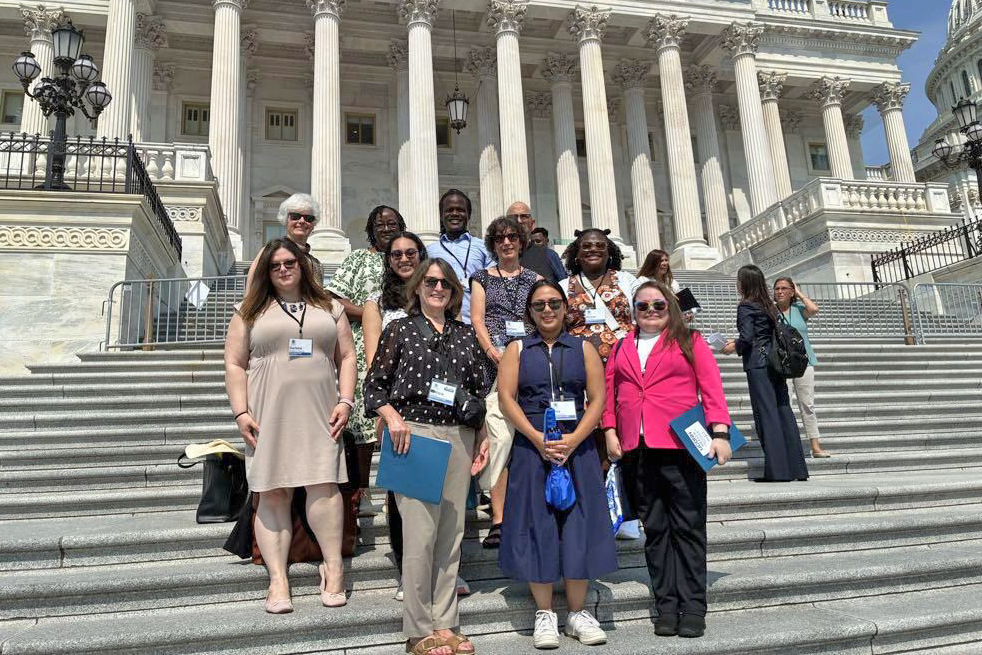
Additionally, Waweru attended the National AHEC Organization (NAO) 2026 Leadership Forum(opens in new tab) in Washington, D.C. in July, where she engaged with legislators and advocated for the critical need for sustained funding for workforce pathway programs. Without such support, “the health of vulnerable populations would be significantly compromised,” she says.
Waweru says participating in the leadership forum gave her an opportunity to learn from AHEC professionals from around the country and to see how workforce development, community health, and advocacy intersect.
That intersection is increasingly important as Connecticut confronts shortages across multiple areas of health care. CT AHEC reported in August that the state has 177 federally designated Health Professional Shortage Areas, including shortages in primary care, dental health, and mental health.
“We need more professionals who are passionate and knowledgeable about providing culturally sensitive care, and this program is the perfect place to do so,” Days says.
Expanding the Social Work Perspective
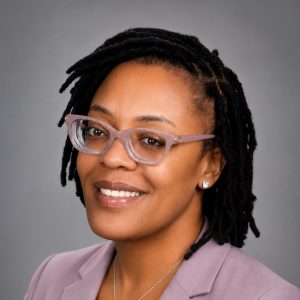
For Desiree Pickard(opens in new tab), an AHEC Scholar and MSW student concentrating in IGFP, the Urban Service Track offered an opportunity to expand the way she thinks about social work and community health.
When Pickard first learned about the program, she “immediately thought about working within communities and expanding what [she] could bring to social work.”
“What initially drew me to the Urban Service Track was curiosity about the experience and the opportunity to be part of something with a bigger purpose,” she says.
Pickard is particularly interested in understanding the social and environmental factors that affect the health of adolescents and women and how social workers can provide support, resources, and advocacy to these populations.
“So far, UST has helped me strengthen my understanding of how to support clients and community members beyond simply connecting them to a resource. I have also become more comfortable networking and learning from other professionals. Being able to talk with other social workers and professionals about our shared goals has helped me recognize how important collaboration is when addressing the needs of a community.”
Other 2026–27 AHEC Scholars at the UConn School of Social Work are Terrina Copeland and Genesis Rosario. Joining the program this year are Jai’Mice Toney, Lisa Viti, Emily Brezina, and Ace Carter.
Waweru, Pickard, and Days recommend the UST Program to students interested in working with underserved populations and learning alongside professionals from other health care disciplines.
Pickard encourages participants to “be open to learning, exploring, and stepping outside of what they already know.”
“We all come from different backgrounds and may not have firsthand experience with every community we will eventually serve,” she says. “UST provides opportunities to learn about those differences while developing both practical and professional skills. Come into UST ready to learn, connect, and discover new possibilities within yourself and your future career.”
Future Paths
The Connecticut Area Health Education Center Program was established at UConn Health in 1995 with an appropriation from the Connecticut General Assembly. Today, the U.S. Bureau of Health Workforce supports the program, which is implemented through four regional centers serving the Hartford, Norwich, Waterbury, and Bridgeport areas.
For the nine social work students participating in the 2026–27 UST/AHEC cohort, the program is helping shape how they will approach their careers after graduation.
Waweru plans to work in urban health. Days is considering medical social work. Pickard hopes to stay at the nonprofit organization in Hartford where she is completing her practicum placement and possibly pursue opportunities within juvenile justice.
“One thing I especially appreciate is the interdisciplinary aspect of UST. Although our career paths may look different, we are gaining knowledge together that can help us better support people in urban, rural, and suburban communities,” Pickard says.
Although their paths may ultimately take them to different settings, Schwartz says the experiences they gain through UST/AHEC have prepared them to approach health care with the a broader perspective — “one that recognizes that improving health means understanding communities, collaborating across professions, and meeting people where they are.”