Connecticut’s 2026 Health Equity Week is April 6–11. This year, Connecticut residents are being called to do more than observe. They are being called into action! Organized by Health Equity Solutions in partnership with the UConn Health Disparities Institute (HDI), the week invites people across the state to intentionally step into their civic power and actively shape a healthier, more equitable Connecticut.
 “Health Equity Week is a call for all of us to step into our civic responsibility,” said Ayesha R. Clarke, executive director of Health Equity Solutions. “The moment is now. States play a critical role in shaping public health, and if we want a Connecticut where everyone can thrive, we must all be part of building it.”
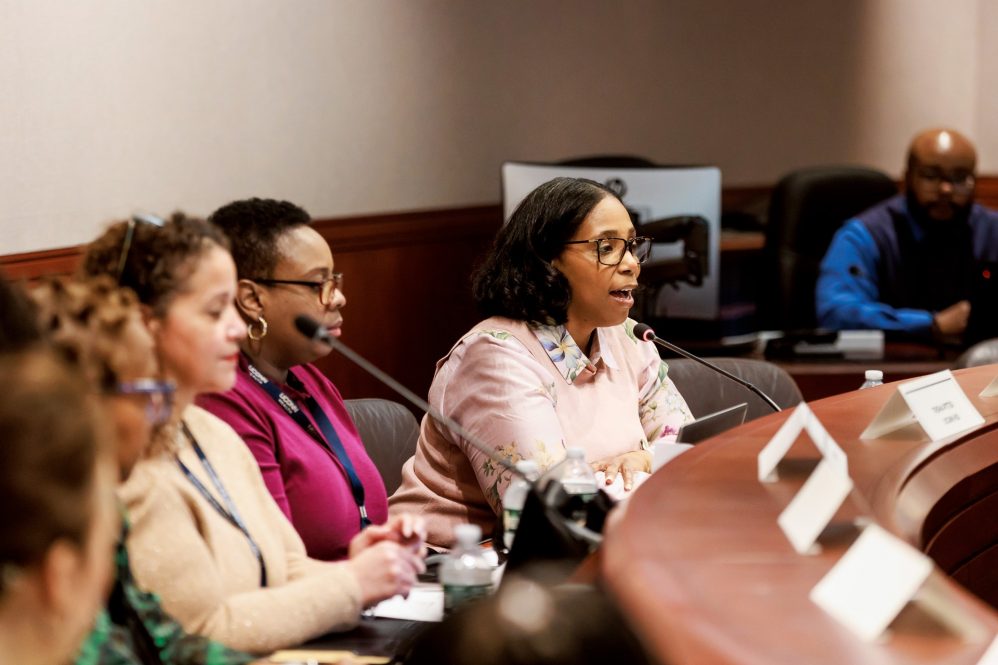
From advocacy day at the State Capitol to community events across the state, Health Equity Week is designed to activate residents — not as spectators — but as partners in shaping policy, strengthening communities, and advancing justice. And this year, one of the most anticipated events is the Health Equity Leadership Roundtable on April 7, hosted by HDI, from 12:30-2:00 p.m. at the Connecticut State Capitol during Advocacy Day at the Capitol.

A Leadership Roundtable Focused on the Urgent Realities Facing Connecticut Families
HDI’s Health Equity Leadership Roundtable, “Health at What Cost? How racial inequity prices CT residents out,” will convene local experts to examine how rising costs — from housing to childcare to healthcare — intersect with racial inequities to make health and wellbeing unattainable for many Connecticut residents.
The panel will be facilitated by Yvonne M. Alston, chief culture architect, CEO and founder of Indelible Impressions Consulting, LLC and Cecil Tengatenga, associate director, Connecticut Area Health Education Center (CT AHEC) will provide the closing. Panelists will include:
- Eva Bermúdez Zimmerman the Coalition director and co-founder of Child Care for Connecticut.
- Carline Charmelus the Operations and Equity director for the Partnership for Strong Communities.
- Ayesha Clarke the executive director of Health Equity Solutions.
- James Jeter the co-founder and director of the Full Citizen’s Coalition.
The panel discussion will be grounded in the Commission on Racial Equity in Public Health (CREPH) Strategic Plan, which HDI led through a statewide community‑based participatory planning and assessment process. The plan outlines actionable strategies, through policy recommendations, to address structural inequities and improve health outcomes for communities disproportionately impacted by racism and economic hardship.
“Connecticut cannot achieve health equity without confronting the economic pressures that make health unattainable for so many residents,” said Dr. Jeff Hines, vice president of the Office for Inclusion and Civil Rights at UConn and UConn Health. “This roundtable creates space for honest dialogue about the policies and investments needed to ensure every resident has a fair chance at health.”
UConn Health CEO Dr. Andy Agwunobi emphasized UConn Health’s responsibility of health systems to lead by example. “As the state’s public academic health system, we have an obligation to advance equitable care, strengthen community partnerships, and support policies that reduce barriers to health,” he said. “Events like this help us align our efforts with the needs and voices of Connecticut residents.”
View the 2026 Health Equity Weeks calendar of events set for April 6-11.
Civic Engagement as a Pathway to Equity — and a Learning Experience for Students
Health Equity Week also highlights the awesome power of civic participation, especially among young people stepping into advocacy roles for the first time.
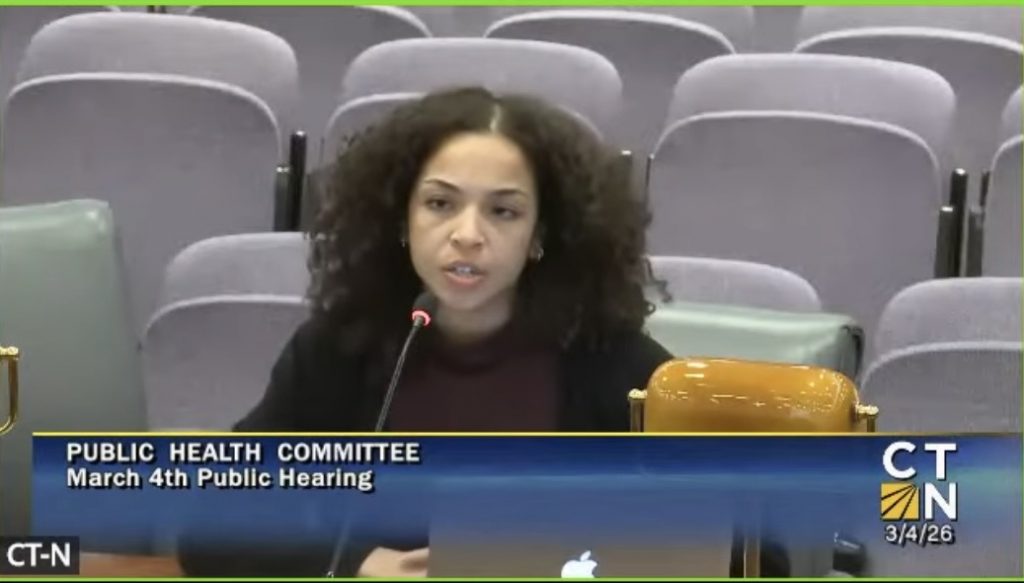
Malia Hunt ’26 (UConn Social Work), and HDI Fellow, played a key role in advancing the state’s menopause equity legislation, providing both written and oral testimony during the 2026 regular legislative session.
“Being part of the legislative process showed me how much impact residents — especially students — can have,” Hunt said. “Testifying wasn’t just about policy; it was about standing up for the well-being of people with ovaries across Connecticut. It made me realize that civic engagement is part of our responsibility to each other.”
Her experience reflects HDI’s commitment to preparing the next generation of health equity leaders through hands‑on policy engagement, research training, and community partnership.
Connecting Policy, Research, and Community Voice
Throughout the week, HDI will highlight its 2026 Legislative Priorities, which focus on two urgent areas: menopause equity and healthcare affordability. These priorities build on HDI’s years of community‑driven research and statewide partnerships.
Key legislative areas of interest for advancing health equity include:
- Implementing a statewide menopause screening and treatment pathway
- Recognizing menopause as a qualifying condition for reasonable workplace accommodations
- Strengthening hospital financial assistance policies
- Funding Medicaid reimbursement for community health workers
- Studying a public option for health insurance
- Protecting HUSKY eligibility regardless of immigration status
These priorities reflect HDI’s legislative mandate to enhance research and the delivery of care to minoritized and medically underserved communities.
UConn’s Role as an Anchor Institution
UConn President Radenka Maric underscored the University’s commitment to advancing health, wellbeing, and economic mobility for all Connecticut residents.
“As an anchor institution, UConn has a responsibility to support the health and prosperity of the communities we serve,” Maric said. “Our faculty, students, and partners are working every day to build a more equitable Connecticut through research, education, and service provision— and Health Equity Week is a powerful reminder of what we can achieve together.”
A Call to Action
For HDI Director Dr. Linda Sprague Martinez, Health Equity Week is a call to collective action — and a reminder that equity is not inevitable.
“Health equity requires participation, partnership, and a willingness to challenge the systems that shape our lives,” she said. “Whether you’re a student, a policymaker, a clinician, or a resident, you have a role to play. The question is not whether you care about equity — it’s whether you will show up for equity and make your voice heard.”