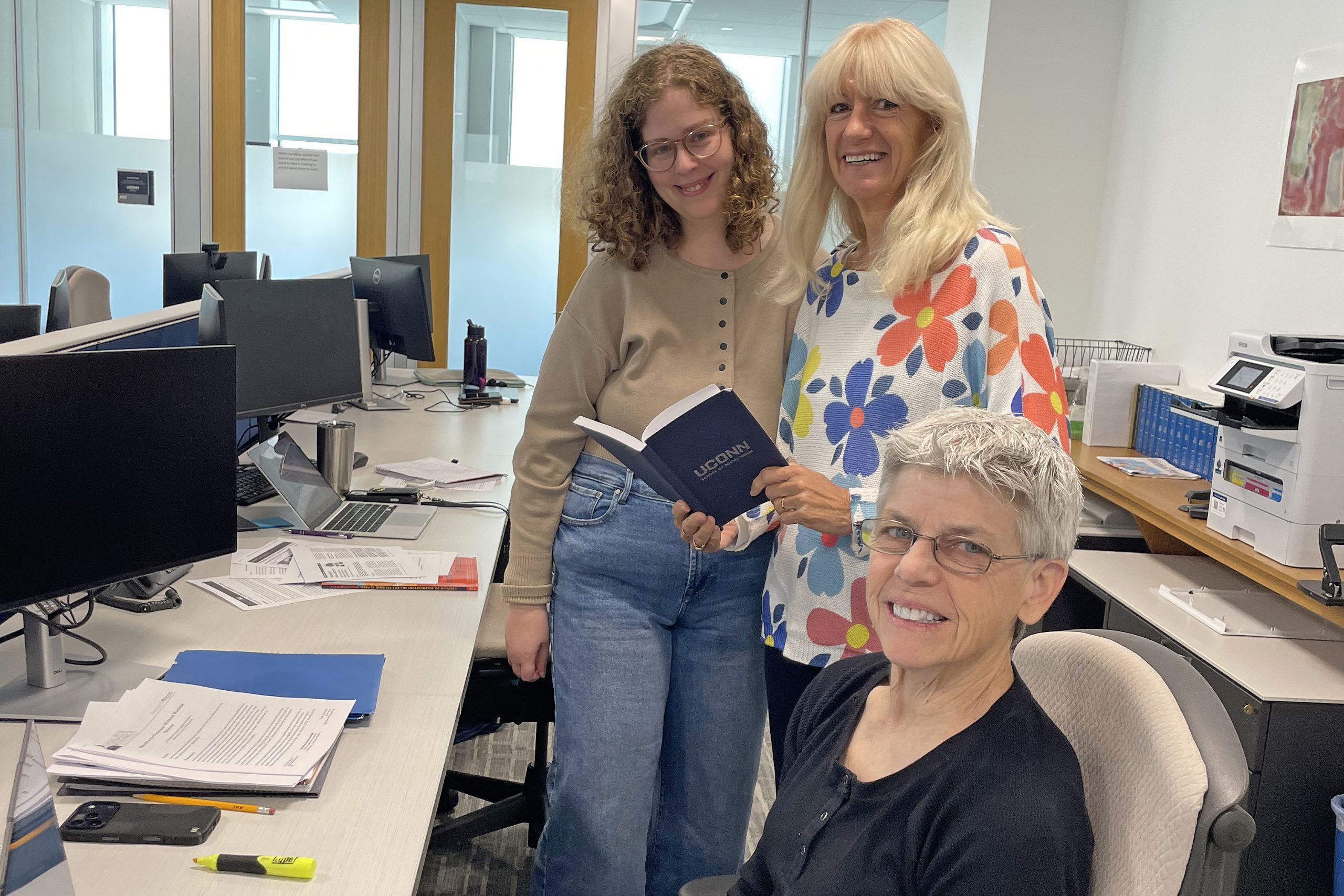

Eileen J. Carter, Ph.D., RN, FAAN, assistant professor at the UConn Elisabeth DeLuca School of Nursing, has been awarded a prestigious R21 grant from the National Institute of Allergy and Infectious Diseases (NIAID), part of the National Institutes of Health (NIH), to improve care for children with reported penicillin allergies.
The two-year grant entitled, Refinement and Testing of a Parent Intervention to Support Penicillin Allergy Delabeling in Pediatric Primary Care Settings, aims to engage parents in penicillin allergy evaluation for their child.
“This award reflects Dr. Carter’s exceptional commitment to advancing evidence-based, patient-centered care that improves the health of children and families,” said Victoria Vaughan Dickson, Ph.D., RN, FAAN, dean of the UConn Elisabeth DeLuca School of Nursing. “Her innovative research addresses an important public health challenge by empowering parents to become active partners in their child’s care while helping ensure children receive the safest and most effective treatments. We are incredibly proud of Dr. Carter and excited to see the impact this work will have on healthcare delivery and antibiotic stewardship.”
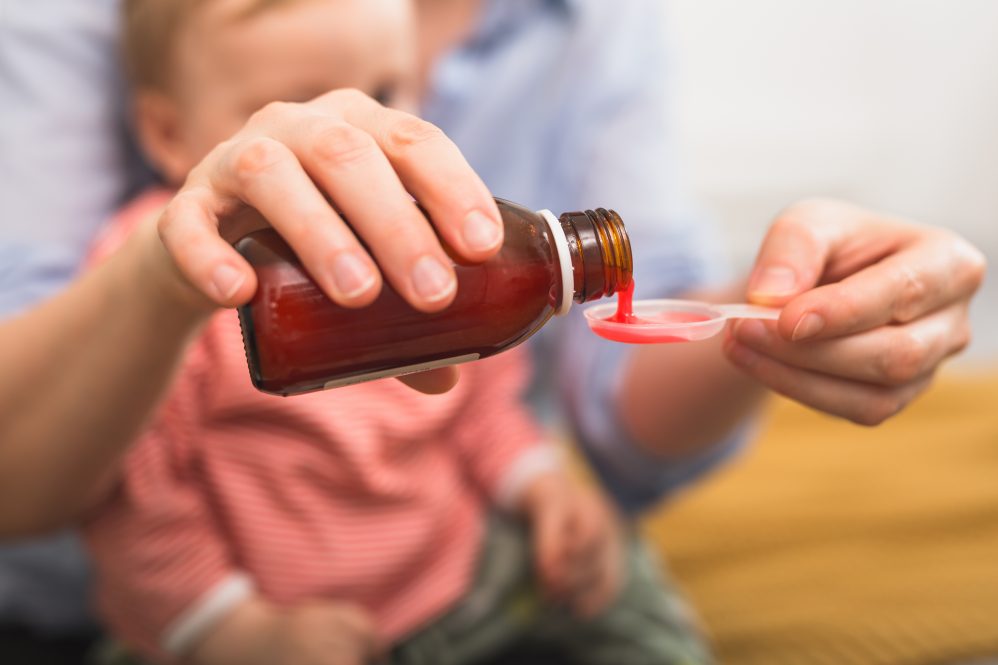
An estimated five million children in the United States have a reported penicillin allergy. However, research shows that more than 90% of children who undergo formal allergy testing are not actually allergic. These inaccurate allergy labels often result in the use of broader-spectrum antibiotics that are more expensive, less effective, increase the risk of adverse drug events, contribute to antibiotic resistance, and can lead to longer hospital stays.
“This study directly responds to calls for the proactive de-labeling of penicillin allergies in pediatric primary care settings.” Carter said.
“These labels can have lasting consequences for children’s health and the effectiveness of the antibiotics they receive. Our goal is to empower parents with the knowledge and tools they need to have informed conversations with their child’s primary care practitioner about whether allergy evaluation is appropriate.”
The research team and Advisory Board developed a prototype of a web-based decision support tool called PEN-PAL (Parents ENgaged in Penicillin ALlergies). The tool is designed to help parents understand reported penicillin allergies, gather information about their child’s allergy history, and prepare for conversations with their child’s primary care practitioner about allergy evaluation.
Developed using user-centered design principles, PEN-PAL will be refined through ongoing feedback from parents, pediatricians, allergy specialists, infectious disease experts, and primary care providers. The project will conclude with a pilot randomized controlled trial to evaluate the feasibility of testing the intervention on a larger scale.
Study findings will provide the foundation for a future efficacy trial of PEN-PAL and the development of complementary pediatrician-focused interventions designed to address clinician-level barriers to penicillin allergy de-labeling. Together, these efforts aim to increase appropriate penicillin allergy evaluation and facilitate the removal of inaccurate allergy labels from children’s medical records. If successful, this program of research has the potential to improve the accuracy of penicillin allergy labels, increase the use of first-line antibiotics, reduce healthcare costs, and help combat antibiotic resistance, ultimately benefiting millions of children nationwide.