
UConn 4-H, administered by UConn Extension in the College of Agriculture, Health and Natural Resources (CAHNR), has been serving Connecticut residents since 1913.
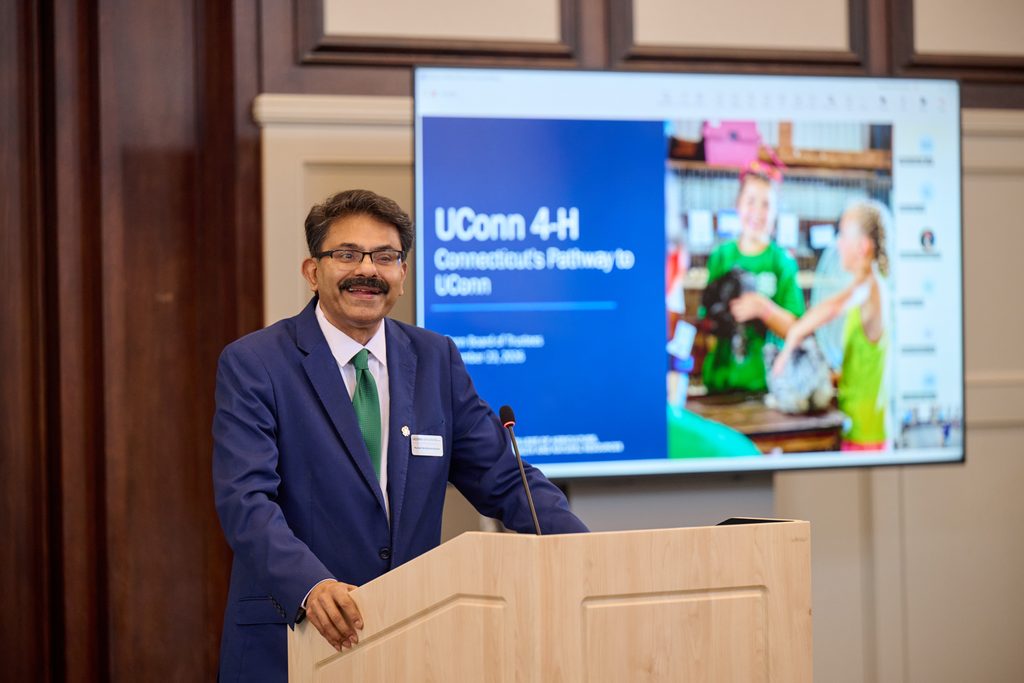
A presentation at a Board of Trustees (BOT) meeting on Sept. 23 highlighted the value of the program for participants and the University.
“From robotics to biotechnology, agriculture, financial literacy, and environmental conservation, 4-H resonates as a powerful symbol of our land-grant mission in action,” Kumar Venkitanarayanan, CAHNR dean and director, said at the meeting. “It allows us to reach far beyond our campuses and create meaningful connections with our communities in the state. Through hands-on experiences in a variety of areas, our youth are provided an opportunity to identify and develop their interests and talents, build confidence, and develop as future leaders.”
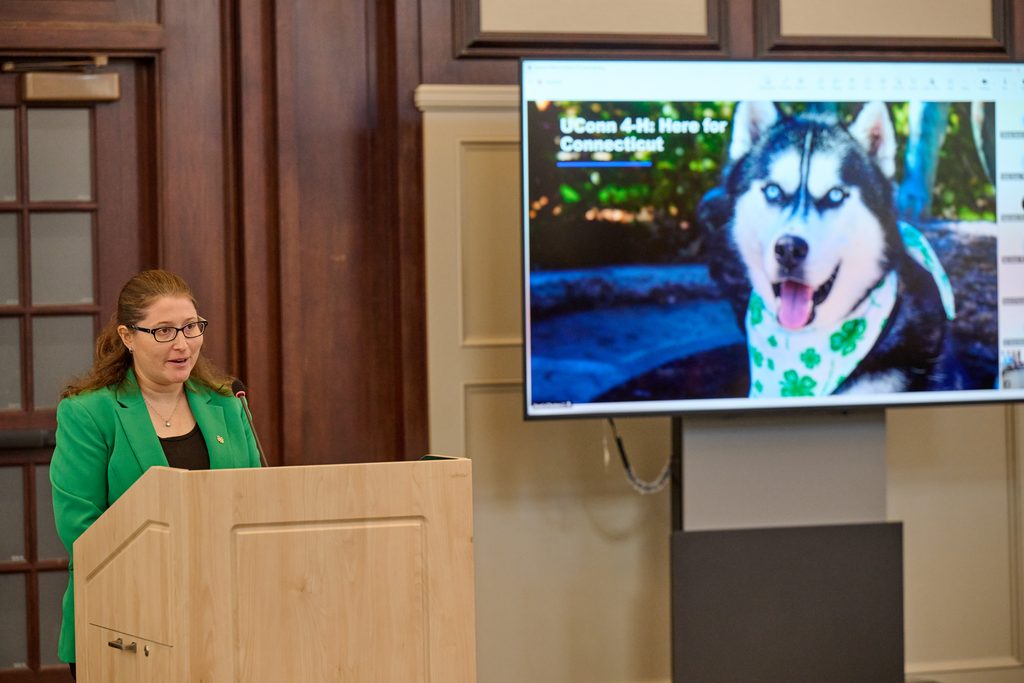

Following the presentation, several Board of Trustees members shared their appreciation of the program.
“As a fellow animal science major, I am just so impressed and proud,” BOT member Andrea Dennis-LaVigne said at the meeting. “CAHNR continues with their Extension program to reach out to the community.”
4-H is a national USDA-NIFA program established in 1902 and administered through land-grant universities across the country. Youth ages five to 18 are eligible to participate in UConn 4-H programming, and children ages five and six can participate in the Explorer programs. Initially focused on training young people in agricultural skills, 4-H has since expanded to include areas like robotics, photography, and environmental science along with innovative new approaches to farming.
“You’re touching so many young people,” BOT member Denis Nayden said at the meeting. “That’s spectacular.”
4-H helps youth develop their workforce readiness, leadership, public speaking, and civic engagement skills.
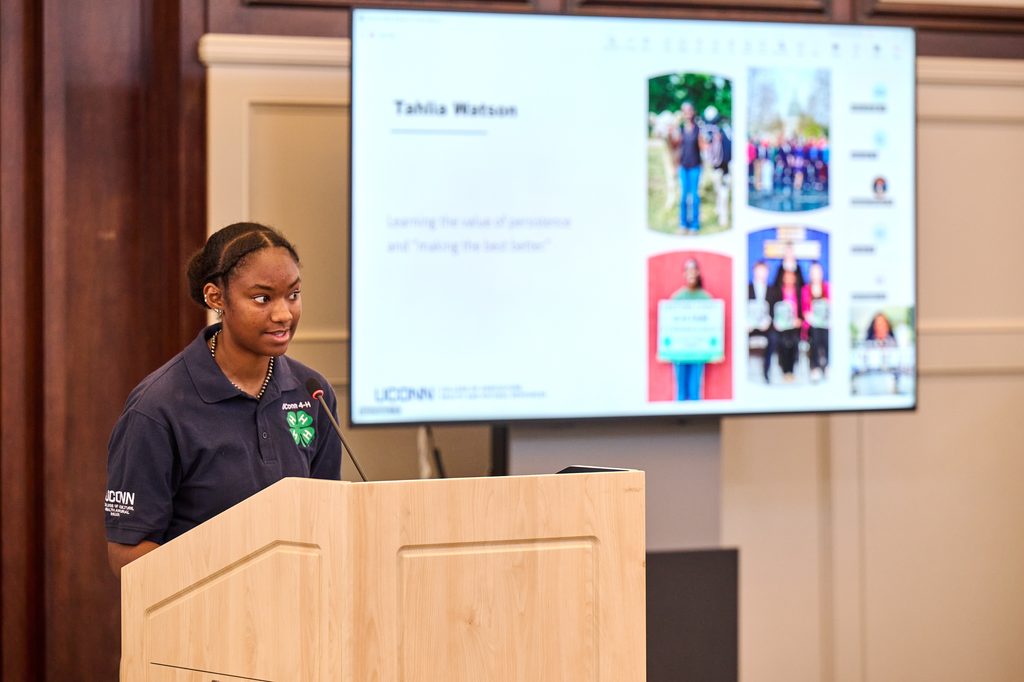
“4-H has given me a plethora of opportunities, from speaking at Ag Day at the Capitol in Hartford to giving a presentation in the United States Capitol building to the House of Representatives committee on agriculture in Washington D.C.,” Tahlia Watson ’28 (CAHNR) said at the meeting. “4-H has pushed me to reach for the stars and more.”
Watson is an animal science major at UConn who showed rabbits, dairy cows, and beef cows through 4-H’s Hartford County 4-H clubs. She also participated in public speaking, leadership, and plant science projects.
UConn 4-H serves 29,000 youth across 166 towns and communities in Connecticut. These programs are supported by a network of more than 4,000 volunteers.
“You make us all proud, and we’re really grateful,” BOT member Shari Cantor said at the meeting. “The entryway and the impact is extraordinary.”
Many 4-H participants, first introduced to the University through the program, attend UConn as adults for undergraduate and graduate education.
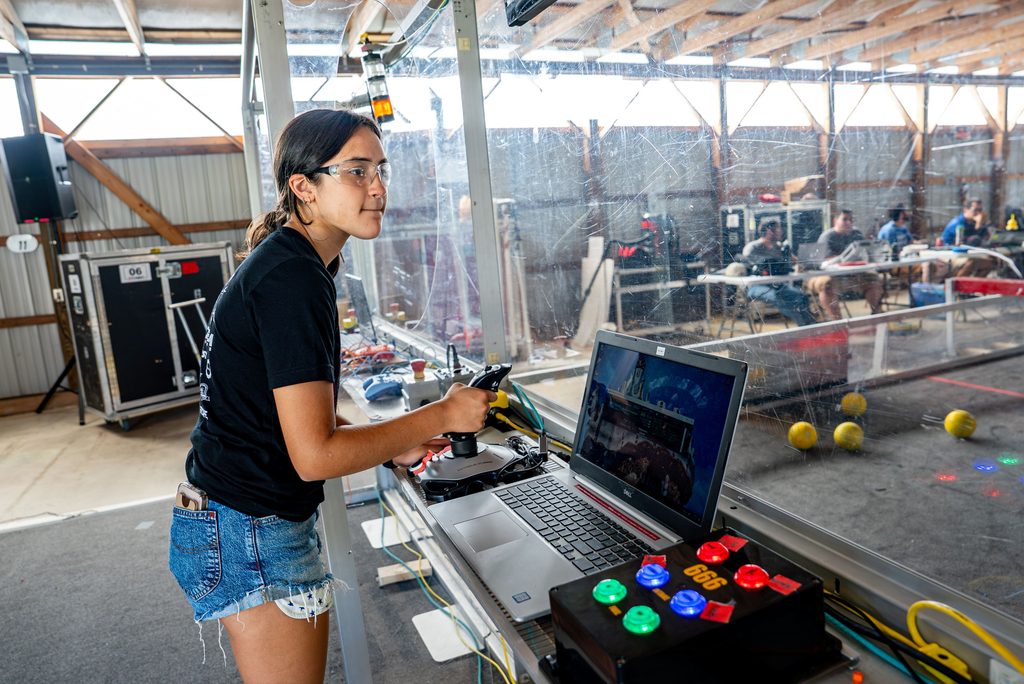
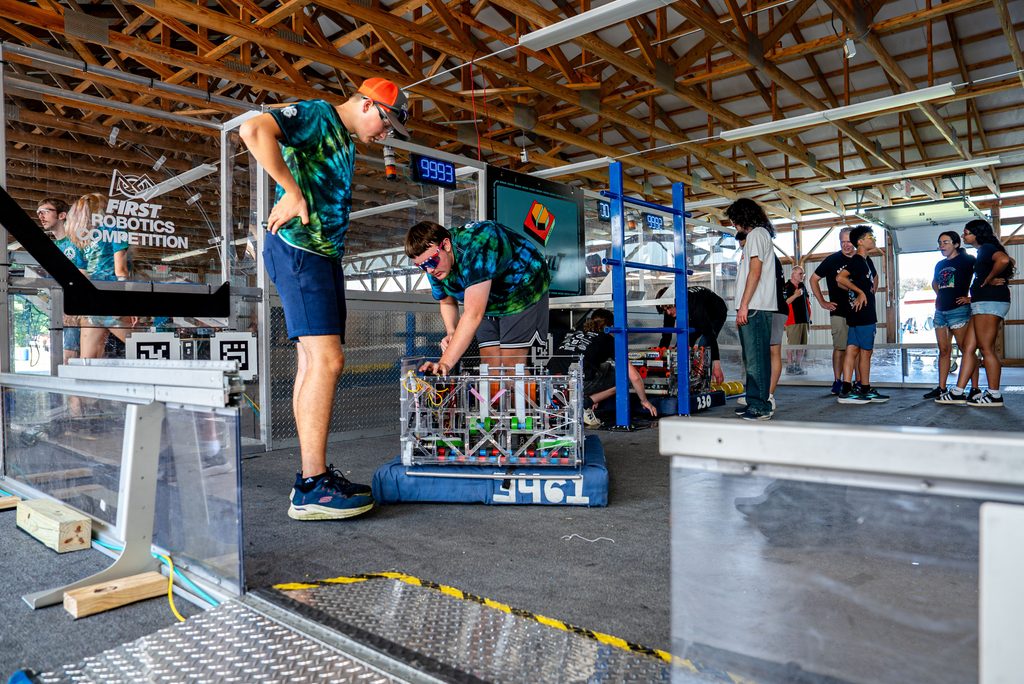
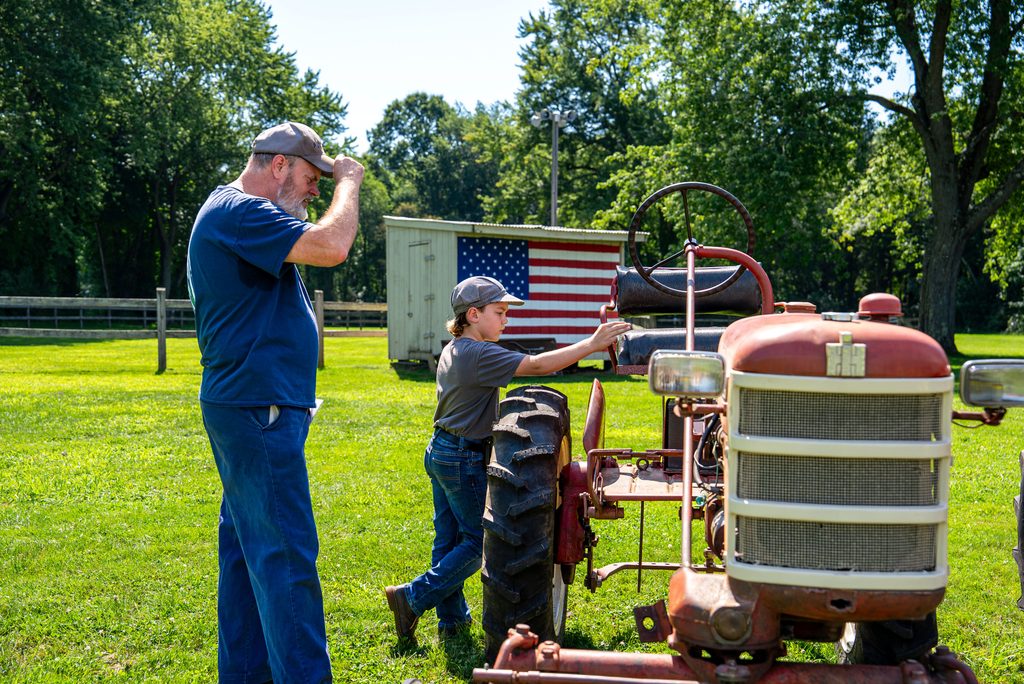
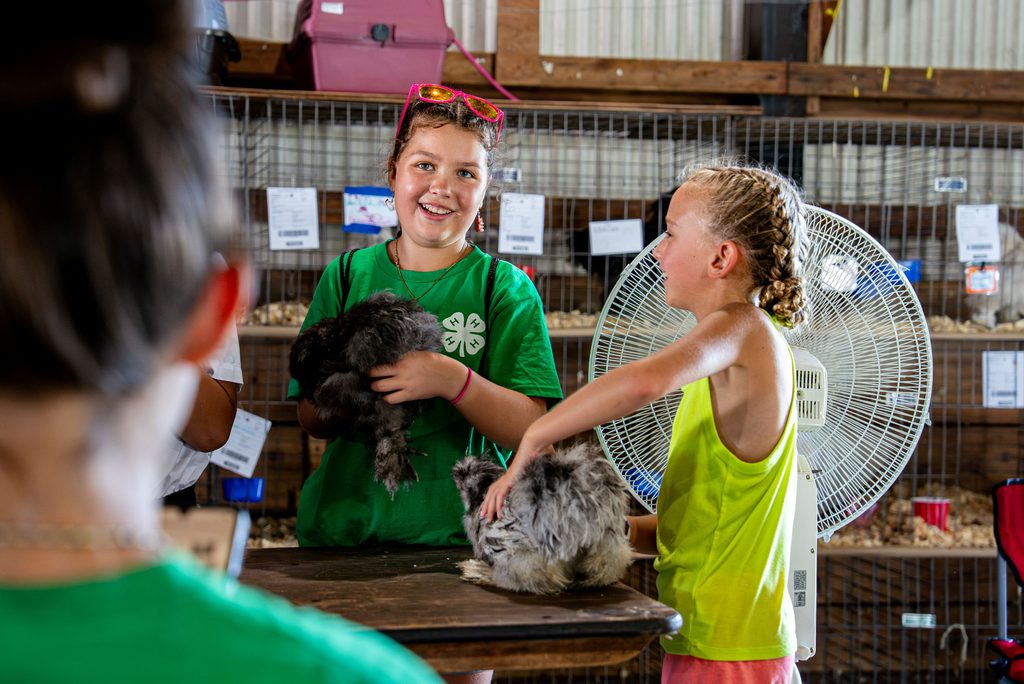
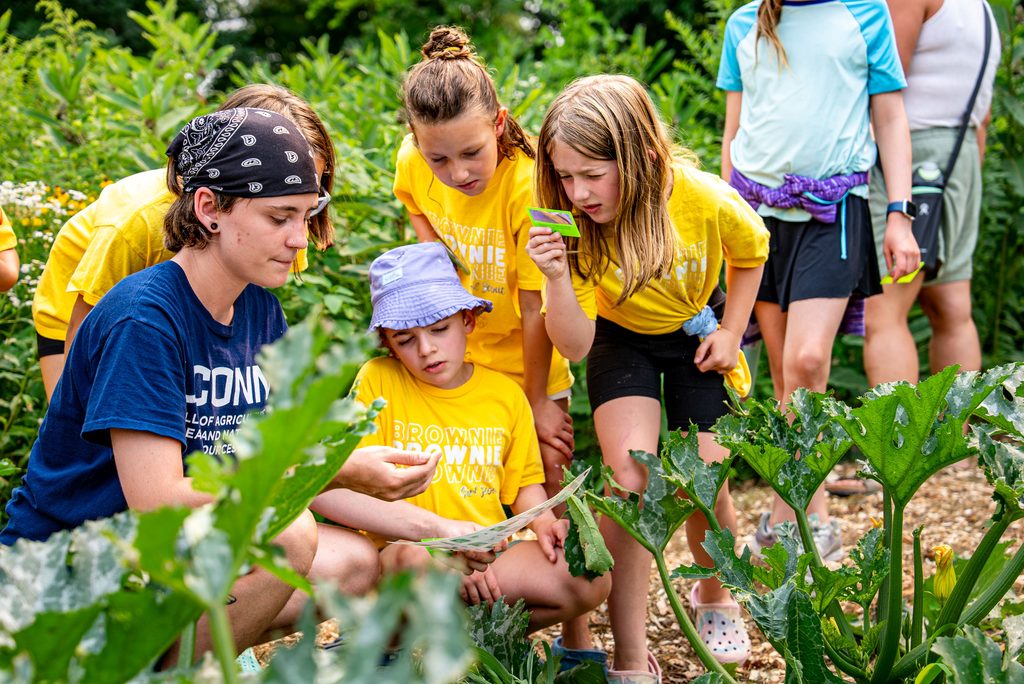
“We are extending the reach of the University into communities and age groups that may not have had a connection to UConn otherwise,” says Jennifer Cushman, UConn 4-H state program leader. “We’re certainly seeing that youth that are in 4-H are becoming more familiar with the UConn Storrs campus as part of attending a variety of 4-H activities that we hold, and are certainly building their awareness of the opportunities UConn has to offer as a post-secondary opportunity for them.”
4-H participants engage in county, state, regional, and national events, including one of the most iconic in the New England region – the Big E.
“We’re really focused on preparing youth to be beyond ready, and part of that is the workforce readiness and preparing youth to be healthy, engaged, and productive as they move beyond 4-H in both work and in life,” Cushman says.
National 4-H Week is October 4-10. Visit 4-H.uconn.edu to learn more about volunteering or enrolling a child in the program.
To donate to the program during national 4-H week, visit the UConn Foundation website.
UConn Extension is part of the College of Agriculture, Health and Natural Resources and fulfills the land-grant mission of translating the university’s research for the public. UConn Extension’s statewide locations and programs help serve all 169 Connecticut municipalities. Programs include health and wellbeing, agriculture, horticulture, natural resources, and positive youth development. UConn Extension provides answers you can trust on issues ranging from health and wellness to agriculture, horticulture, natural resources, and positive youth development.
Follow UConn CAHNR on social media