The U.S. opioid epidemic is ebbing, thanks in part to the dried leaves of a Southeast Asian tree. A UConn professor is trying to stop unscrupulous companies from sabotaging it.
One of the hardest parts of getting off opiates is the persistent craving for the drug. Many former users find that those dried leaves from Southeast Asia, commonly called kratom, tamp down their cravings without producing unwanted side effects or shackling them to a daily appointment at a methadone clinic.
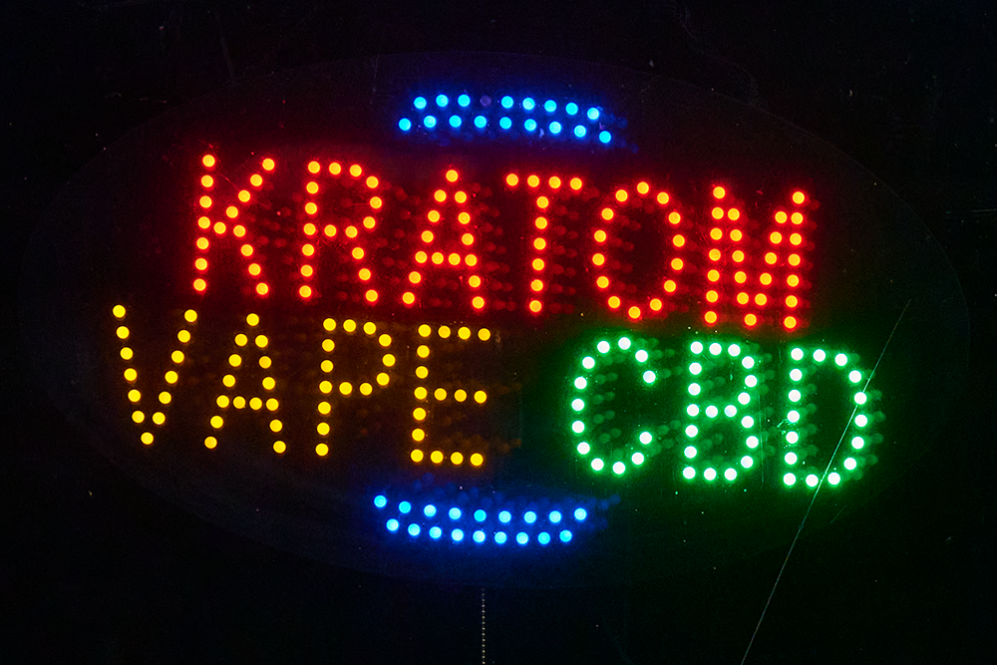
But recently, more potent and addictive products labeled as kratom have appeared on the market. Sometimes called gas station heroin, designer drugs inspired by alkaloids in the kratom leaf have spread through smoke shops and gas stations around the U.S. These “kratom” gummies or candies are often given out as free samples to kratom leaf buyers. The results have been as predictable as they are sad. Some former opioid users who have tried the free samples have seen their addictions reignited; many other people without previous opioid experience begin using the chemically altered kratom recreationally, and addictions, overdoses, and deaths follow.
“This summer I decided to go to war against the seven-hydroxy companies,” says C. Michael White, a UConn professor of pharmacy. “Seven-hydroxy” is how chemists pronounce 7-OH, the modification that turns mitragynine — kratom’s natural opioid-like alkaloid — into an addictive nightmare. White has studied kratom since 2017 as part of his broader research into substances of abuse.
“A lot of people use kratom instead of opioids because it allows them to function better in society,” White says. The companies marketing the manipulated 7-OH products as similar to natural-leaf kratom are engaging in deception for profit, White maintains. These 7-OH products are synthetic and concentrated and, taken orally, produce the classic euphoria and sleepiness of opioids. The U.S. market for 7-OH is now larger than the domestic heroin market.
White’s research into natural-leaf kratom had convinced him that it was a useful tool for some people with chronic pain or former opioid addiction. But the wave of addictions and deaths attributed to products called “kratom” following the introduction of 7-OH in 2023 was making regulators uneasy. State legislatures began looking at bills to ban kratom, without making a distinction between synthetic chemicals and the natural leaf.