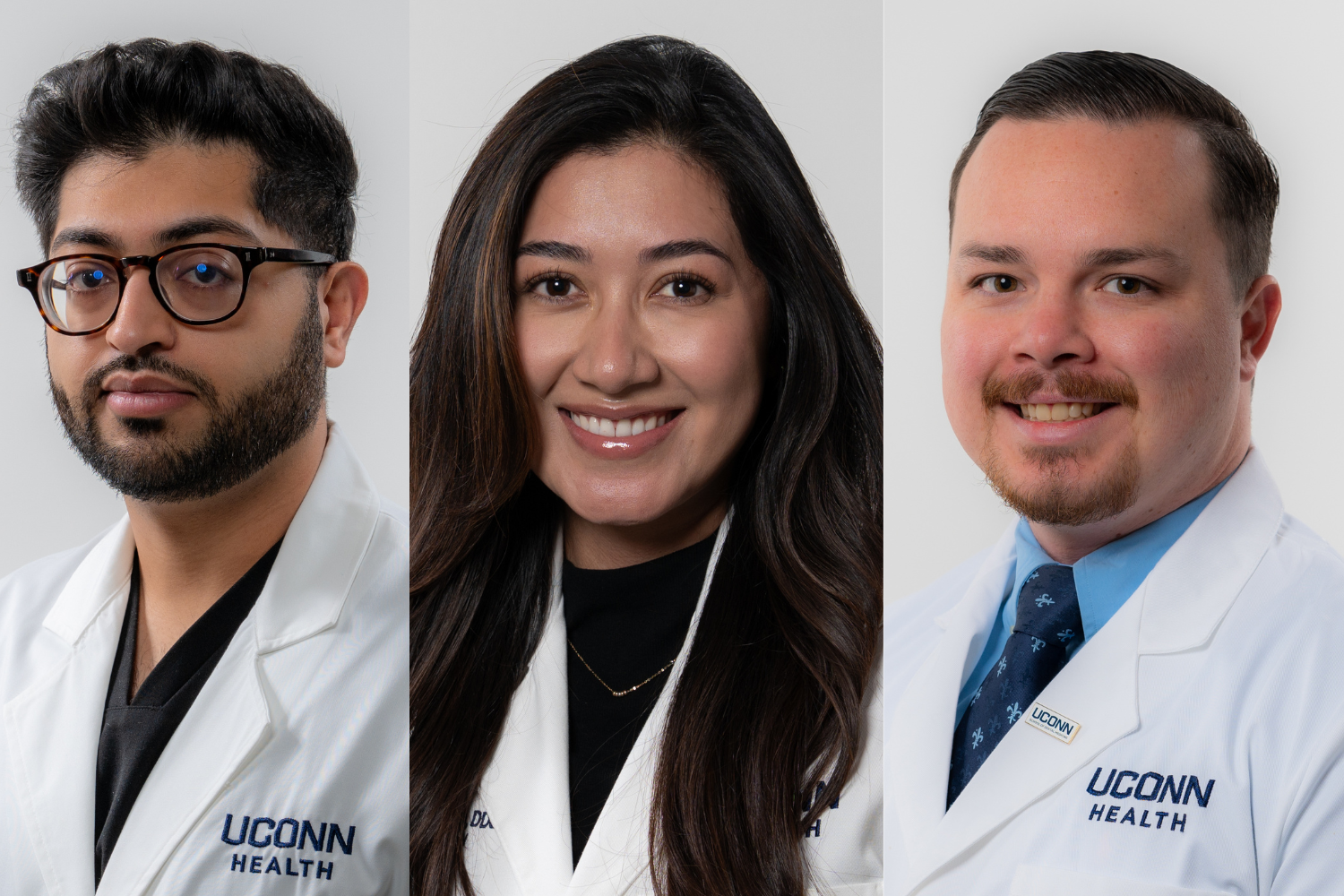
Two UConn post-doctoral researchers have received prestigious, competitive 2026 NIH Pathway to Independence Awards (K99/R00) to advance their innovative research along with their careers as early-career scientists. The award-winning post-docs whose research is being funded by the NIH for up to the next five years are UConn School of Medicine’s Dr. Jessica Flori and Dr. Pengyu Zong.
“These very competitive NIH awards identify promising postdocs and help facilitate their transition to independent, tenure-track faculty positions,” says Christopher D. Heinen, Ph.D., director of Postdoctoral Affairs and professor in the Center for Molecular Oncology and Department of Medicine at the UConn School of Medicine. “This is a great achievement for them and something we can all be proud of as a UConn Health community!”
Meet Post-Doc Dr. Pengyu Zong
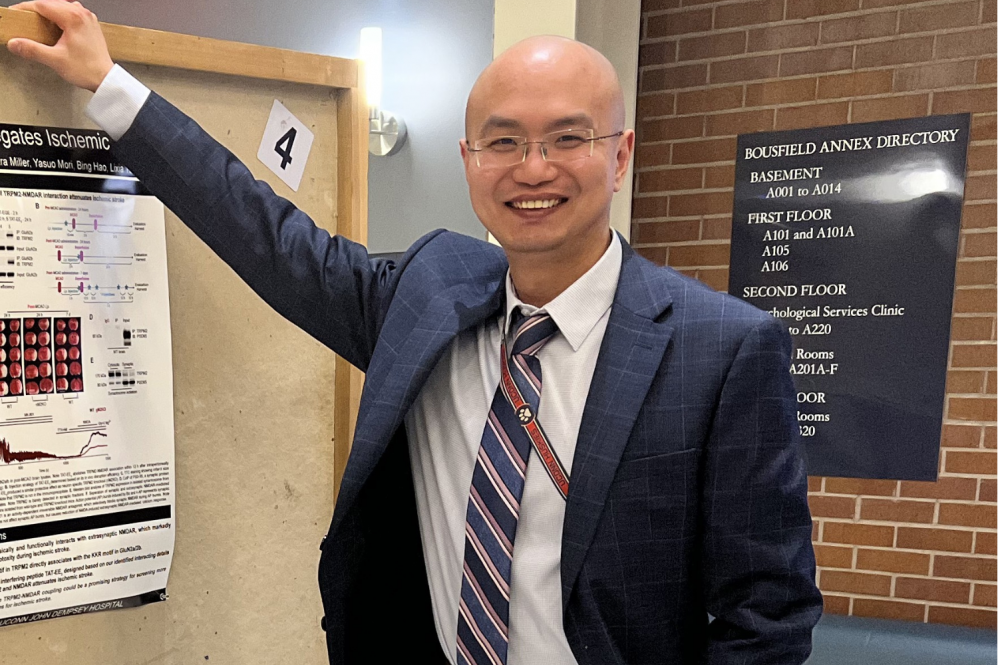
“I’m truly honored and grateful for this recognition,” says Dr. Pengyu Zong, 30, from Yixing City, China. He has been a postdoctoral researcher for three years in Lixia Yue Lab in the Department of Cell Biology at UConn School of Medicine. He first joined UConn’s medical school in 2020 completing his Ph.D. in 2022.
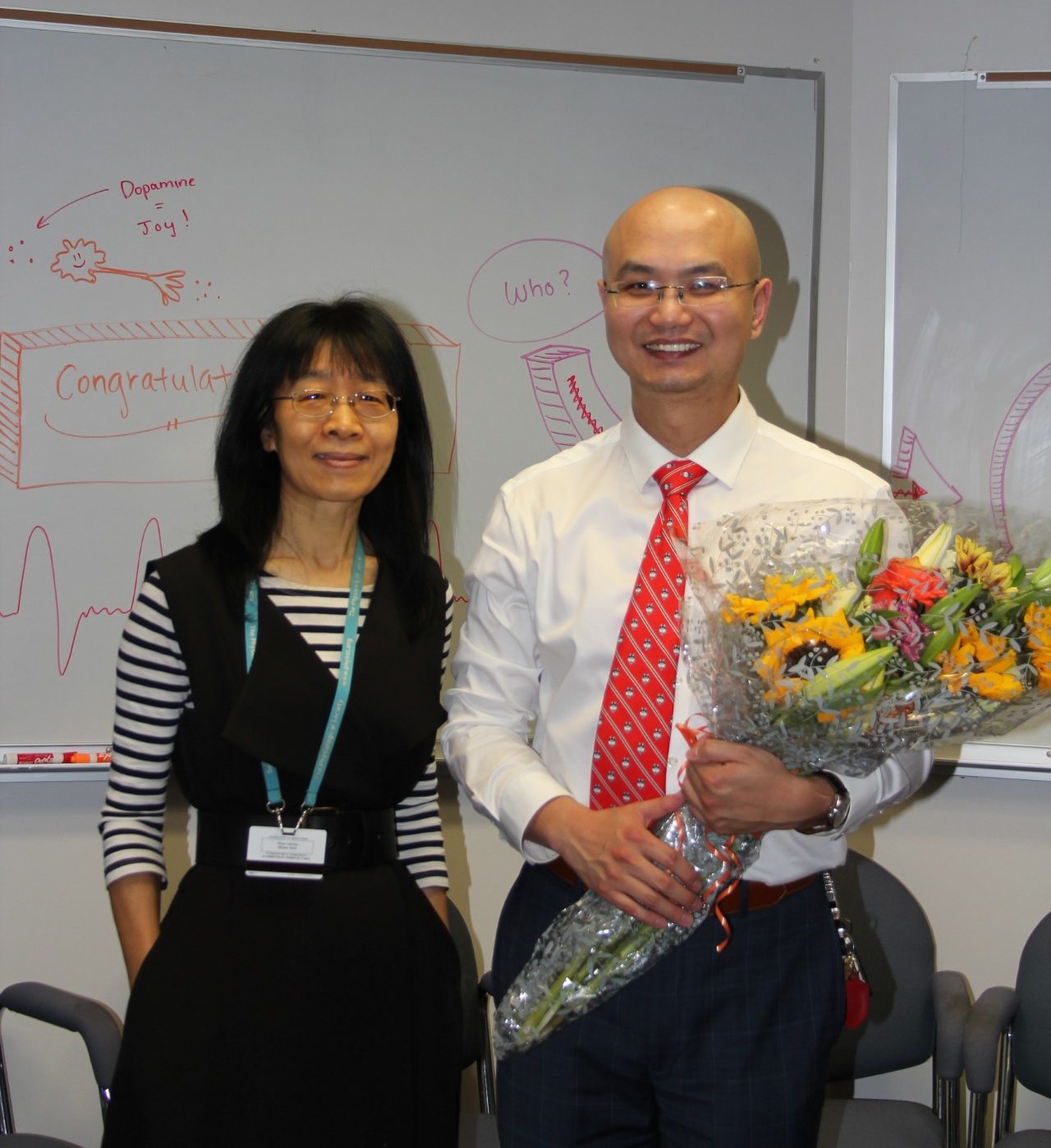
“Receiving the K99/R00 award is both humbling and deeply motivating. On a personal level, it is incredibly rewarding to see years of training, persistence, and curiosity recognized in such a meaningful way. Professionally, it affirms the importance of the scientific questions I am pursuing and provides a strong foundation for my transition to independence. I also see it as a responsibility—to make the most of this opportunity by conducting rigorous, impactful research that can ultimately advance cardiovascular health,” says Zong.
His new NIH Pathway to Independence Award (K99/R00) from the National Heart, Lung, and Blood Institute (NHLBI) is focused on the “Role of TRPM7-Mediated Signaling in Vascular Remodeling in Abdominal Aortic Aneurysm.” Abdominal aortic aneurysm (AAA) is a chronic inflammatory disease of the aorta that affects approximately 1–2% of the elderly population. It is often asymptomatic until rupture, which frequently results in fatal hemorrhage. Despite its clinical significance, there are currently no effective pharmacological therapies to slow or prevent AAA progression.
“My research will investigate how TRPM7-mediated ionic signaling contributes to cellular dysfunction and vascular remodeling during AAA development. In addition, the project will evaluate the therapeutic potential of targeting TRPM7 as a novel strategy to limit aneurysm growth and reduce the risk of rupture. By elucidating the mechanistic role of TRPM7 in AAA progression, this work aims to identify new therapeutic targets and ultimately improve clinical outcomes for patients.”
Zong’s research is critical as it addresses a critical unmet need in cardiovascular medicine. AAA is often detected late and managed primarily through surgical intervention, which carries significant risks and is not suitable for all patients, according to Zong.
“Developing a deeper mechanistic understanding of how vascular remodeling occurs in AAA is essential for identifying non-surgical treatment options. By focusing on TRPM7, a pathway that may link inflammation, ion signaling, and vascular dysfunction, this work has the potential to open new avenues for targeted therapies and improve early intervention strategies,” Zong says.
His experience at UConn School of Medicine has been extremely rewarding Zong reports.
“The collaborative environment, strong mentorship, and trainee-focused culture—both within the Yue Lab and across UConn School of Medicine—have been instrumental in my development as a scientist. This milestone is especially meaningful because it is often considered very challenging to secure a K99/R00 award. I believe this achievement reflects the great strength of the research environment at UConn School of Medicine, where trainees are well supported in pursuing ambitious goals and developing independence. I am deeply grateful to my outstanding mentors,” says Zong.
What’s next for Zong after his AAA research explorations at UConn?
“I am looking forward to transitioning to a tenure-track assistant professor position at a U.S. university, where I can build an independent research program focused on cardio-cerebrovascular biology. I am especially excited about mentoring trainees, fostering collaborative research, and contributing to an environment that encourages innovation and scientific discovery.”
Zong hopes to remain at UConn for his future career, if possible, given the extremely supportive and collaborative environment here.
Meet Post-Doc Dr. Jessica Flori
“I feel very honored and privileged to receive the K99/R00. I have been surrounded by a team of amazing mentors who all made receipt of this award possible,” shares Dr. Jessica Flori, 35, from Warwick, Rhode Island.
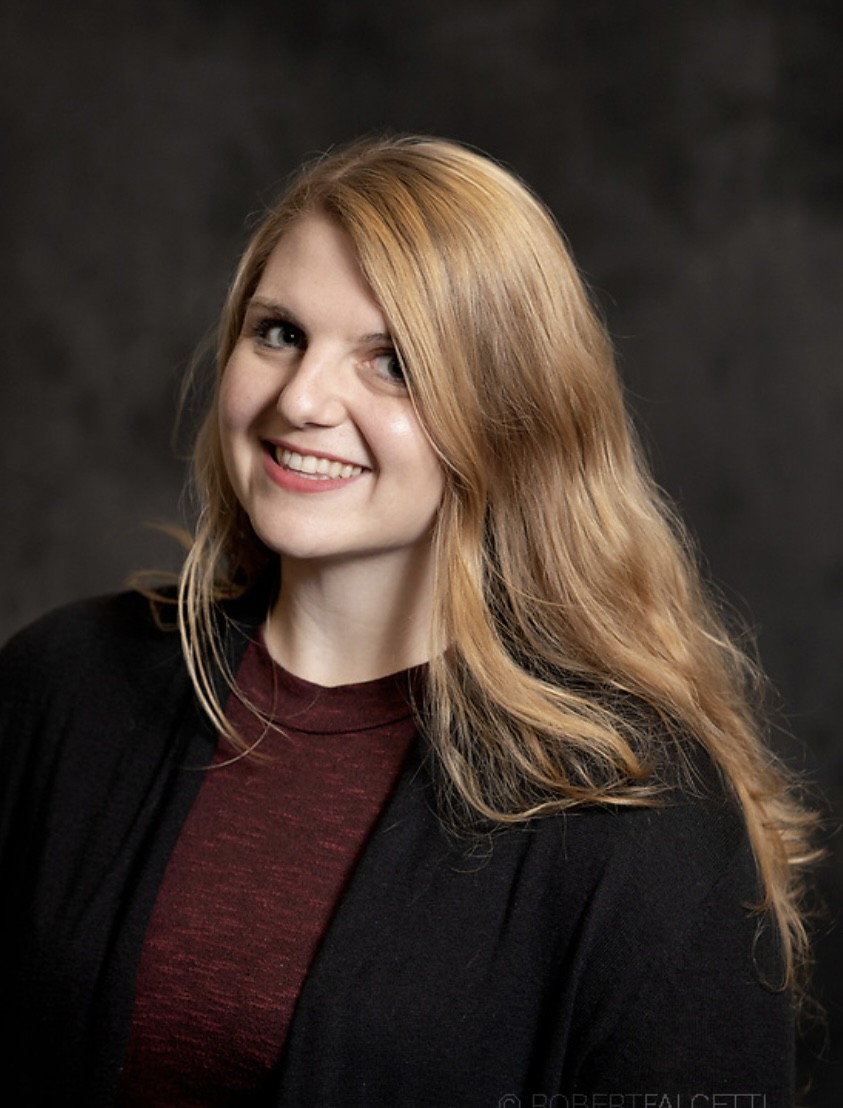
She reports to have had a wonderful experience as a post-doctoral researcher in the laboratory of Dr. Kristyn Zajac at UConn School of Medicine for the past two and a half years.
“I have been so fortunate to have an incredibly supportive mentorship team and to be at an institution that has enabled me to grow as a researcher, mentor, and scholar. UConn Health has been an ideal place to launch my research career,” says Flori. “I feel truly fortunate to be able to continue my training and excel research career with funding from NIH.”
Flori’s new NIH K99/R00 funded project will focus on understanding mechanisms underlying peer recovery support interventions for individuals with opioid use disorder. Beyond understanding how and why peer interventions work, this project also seeks to amplify the voices of individuals who are impacted by substance use disorders and partner with the community this work is meant to serve. Specifically, Flori will be working with community boards of individuals with lived experience with recovery and certified peers to develop an assessment battery of potential mechanisms underlying peer recovery support interventions. She will then test those mechanisms, using the results to develop and implement a mechanisms enhanced peer recovery support program.
Flori stresses that studying mechanisms underlying peer recovery support is particularly important because this is an unexplored area of research.
“There are substance use interventions and treatments that are effective, but often we do not know how and why those interventions work. By understanding mechanisms underlying interventions such as peer recovery support, we can target these mechanisms via intervention to create greatest change for the most people. This area of work is also important because partnering with individuals who have lived experience with recovery and certified peers themselves is necessary for this work because often their perspectives are absent from research that is meant to serve them.”
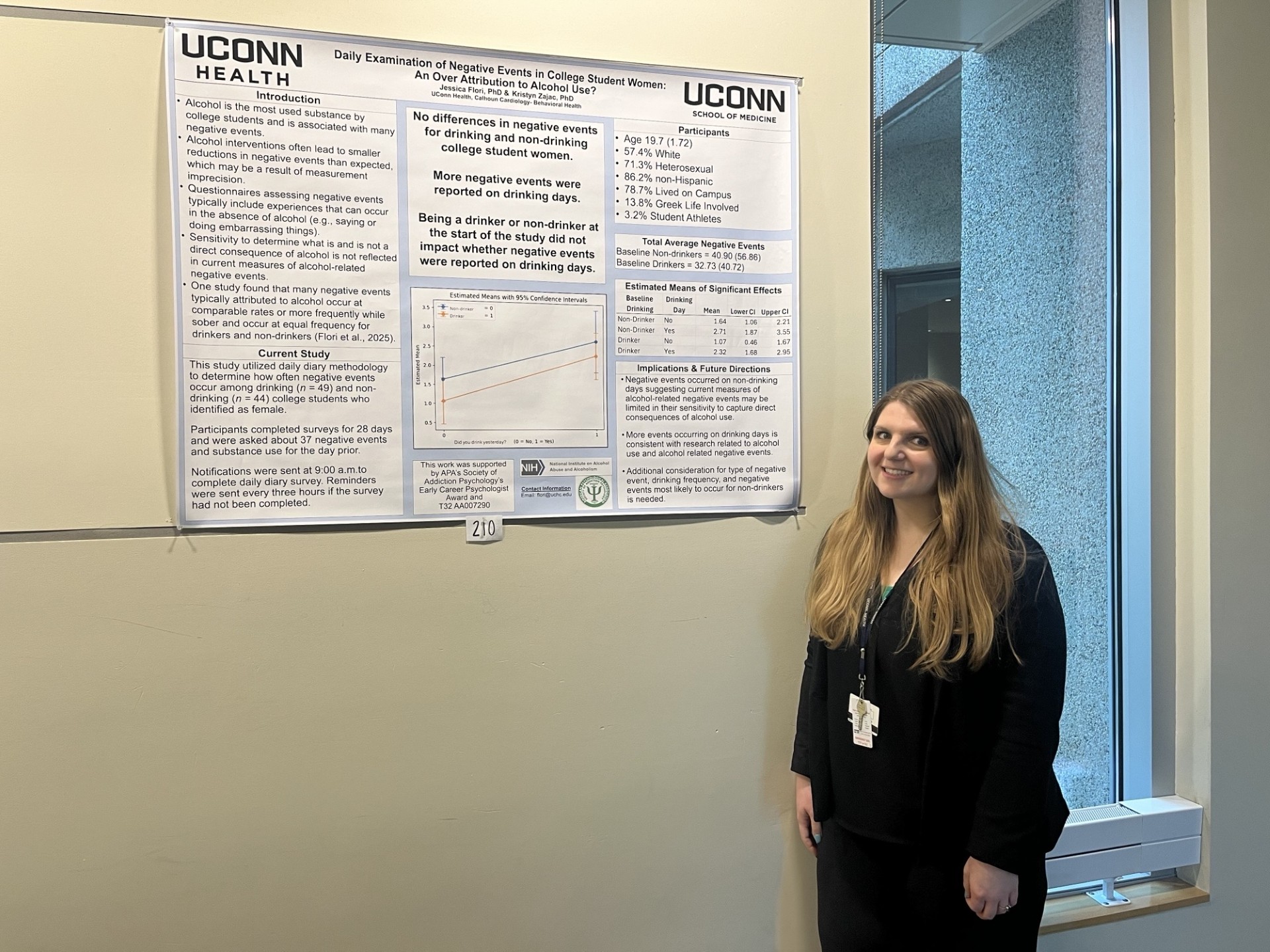
What’s next for Dr. Flori?
“I am looking forward to continuing to engage in community-based research. Community-engaged and community-based research strategies are essential to conducting relevant, responsive, and applicable work in the substance use field, and I am looking forward to contributing to the field by partnering with individuals with lived experience in all areas of my work,” says who Flori is excited to continue to grow her program of research related to understanding mechanisms underlying behavioral interventions for substance use disorders. “I am also excited to mentor the next generation of scientists as I transition from post-doc to faculty.”