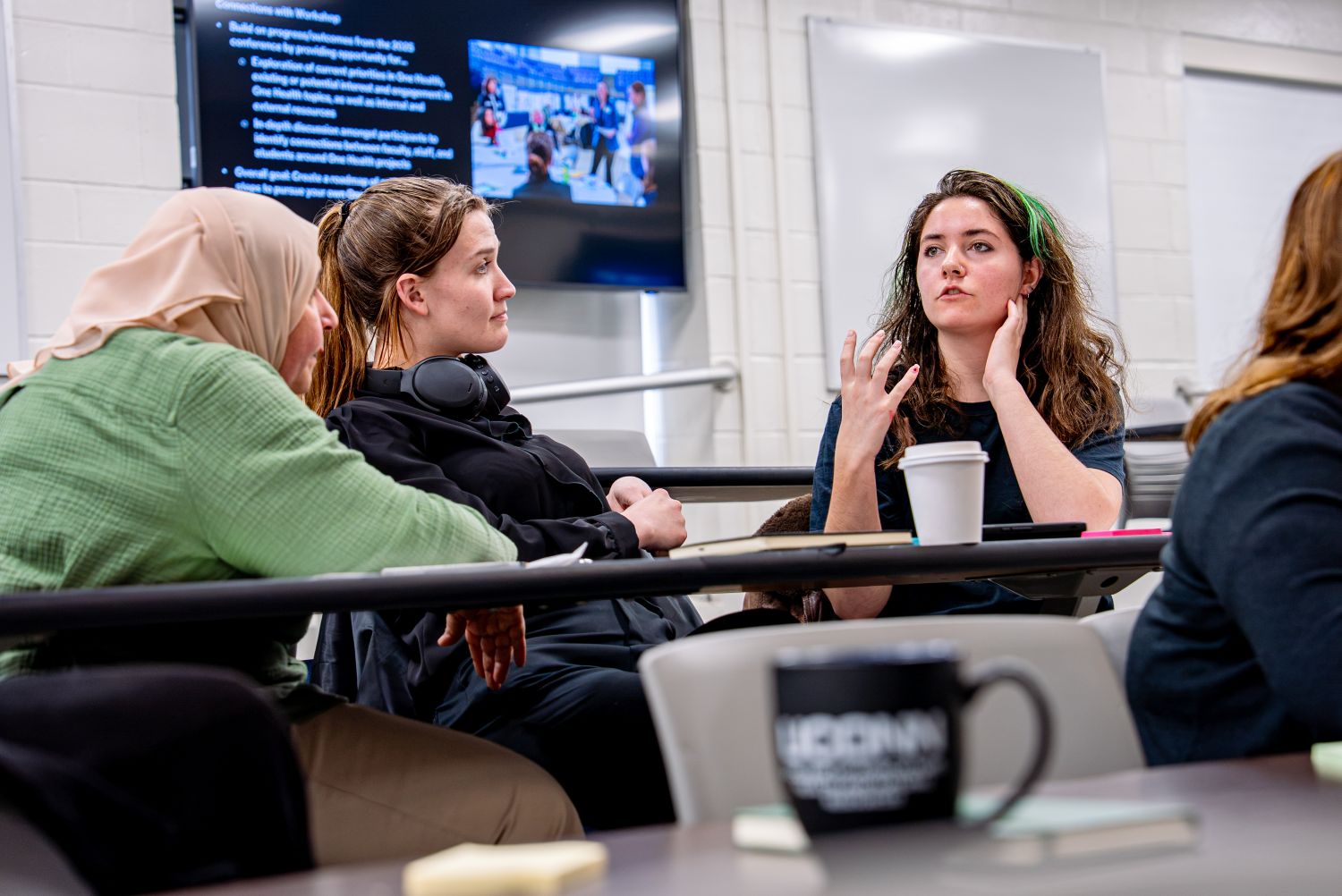
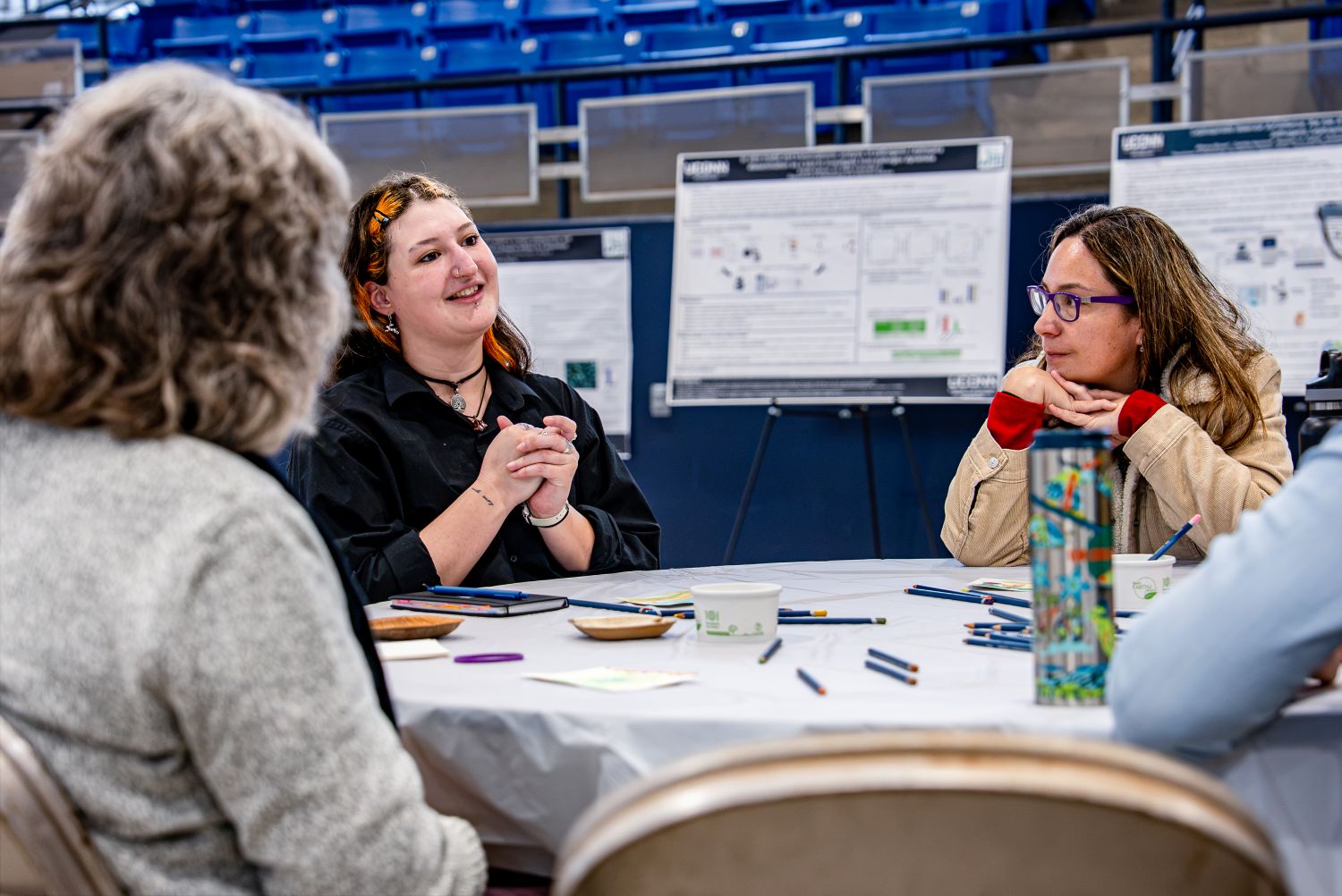
On Nov. 13, the College of Agriculture, Health and Natural Resources (CAHNR) hosted its third One Health Conference at UConn’s Storrs campus, bringing together faculty, students, staff, and community members to collaborate on topics ranging from poultry health to the impact of data centers in Connecticut. The conference highlighted how human, animal, plant, and environmental health are interconnected and how working across fields can help address shared challenges.

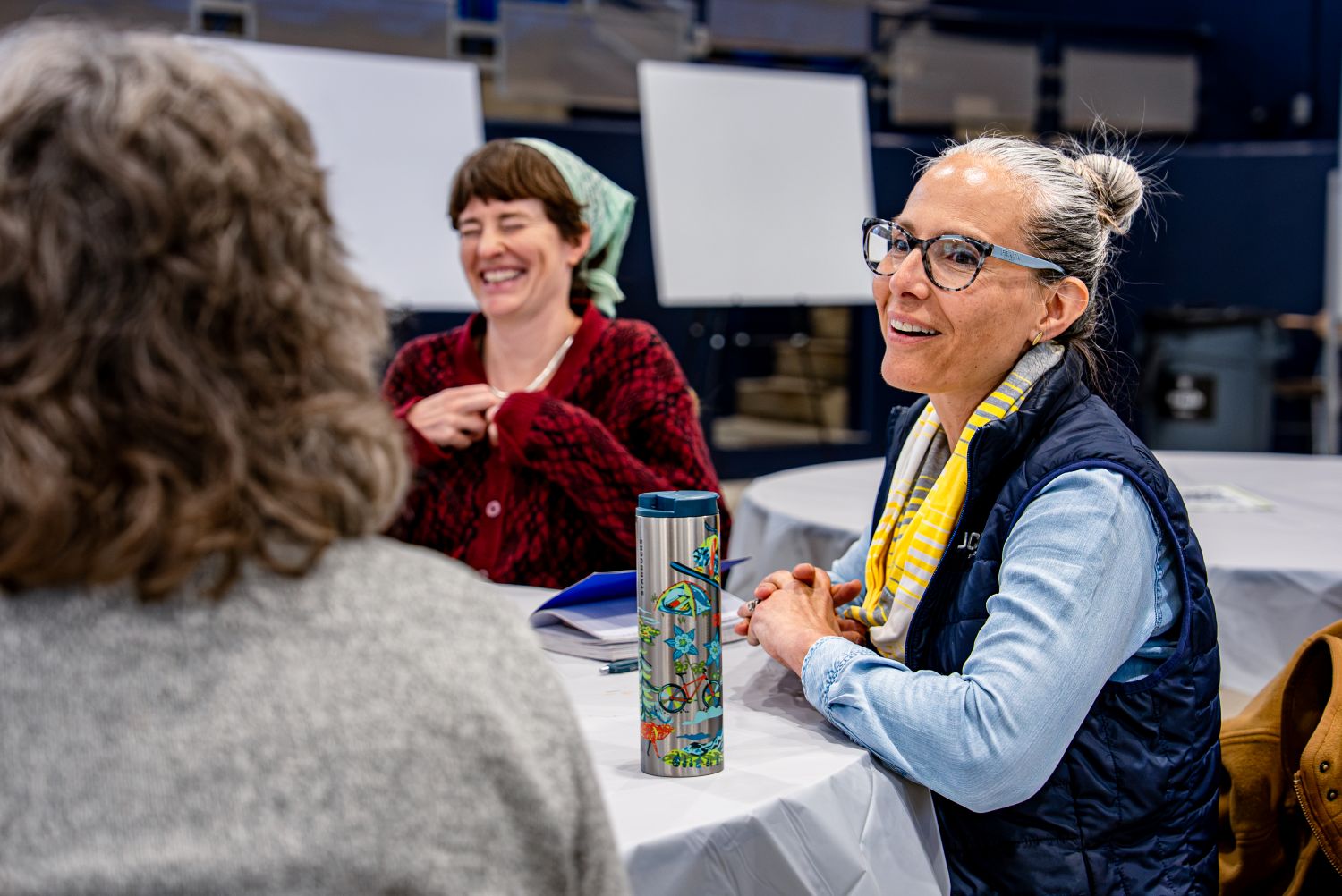

The conference followed One Health Day in Connecticut, which Gov. Ned Lamont proclaimed for Nov. 3 to recognize health and social science professionals working together, according to a Connecticut Department of Public Health news release. “One Health reminds us that our well-being doesn’t stop at our own front door,” said Dr. Manisha Juthani, commissioner of the Department of Public Health, in the release.
The One Health concept is rooted in the understanding that human, animal, plant, and environmental health are connected. Within CAHNR, that approach is prevalent in the College’s teaching, research, and extension engagement.
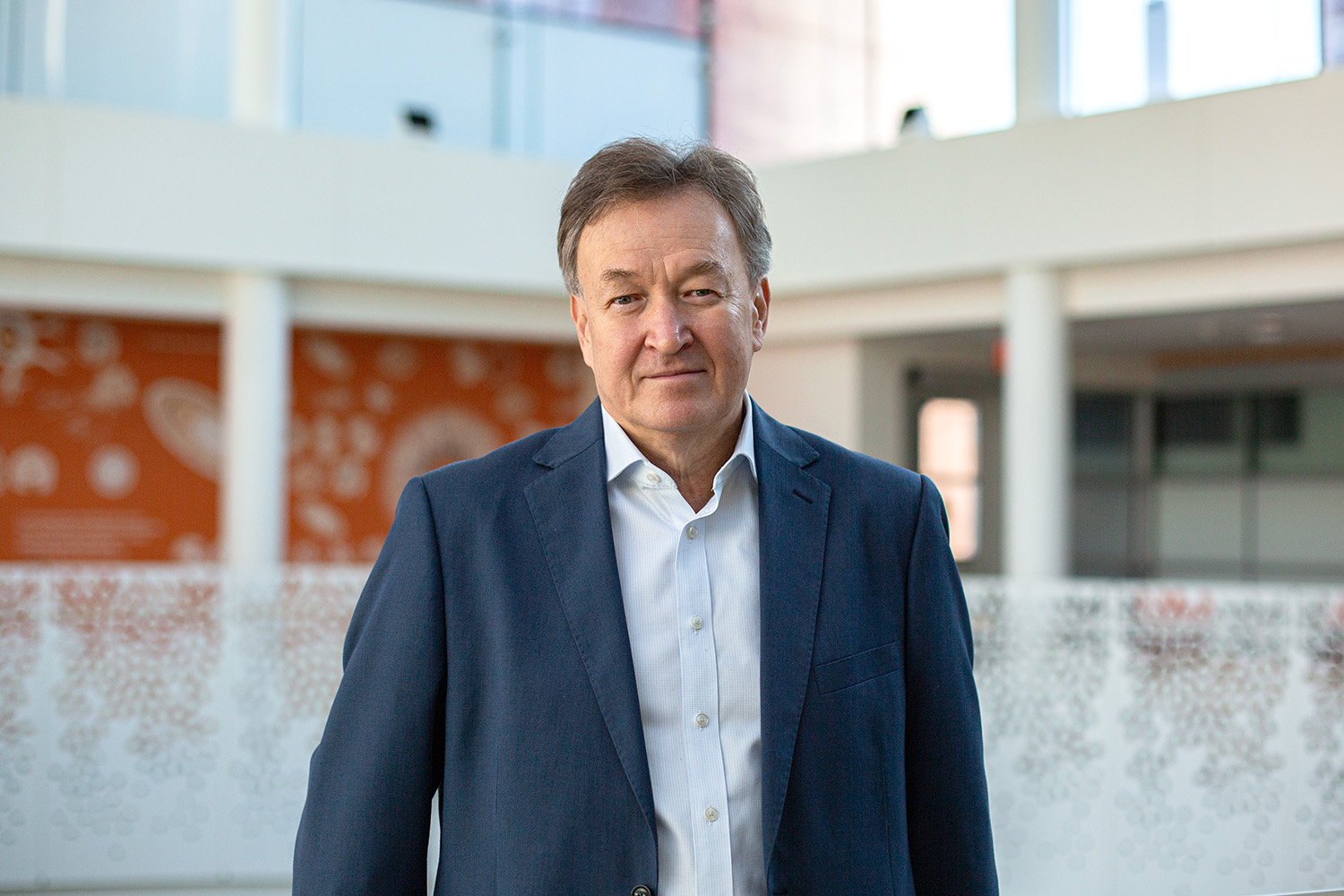
“Our college is uniquely positioned to address these connections and One Health,” says Kumar Venkitanarayanan, dean and director of CAHNR. “[The interconnectedness of] One Health gives us an opportunity not simply to exchange ideas, but to identify where our expertise intersects and where working together can lead to something genuinely new.”
CAHNR’s strengths in the One Health approach span all mission areas. One example is the One Health minor, which launched this fall and introduces students to topics such as environmental health, disease control, and food safety. Students take two courses from each of three themes, with options in Animal Science, Allied Health Sciences, Pathobiology and Veterinary Science, among others. The minor lets students explore One Health through coursework in a range of fields.
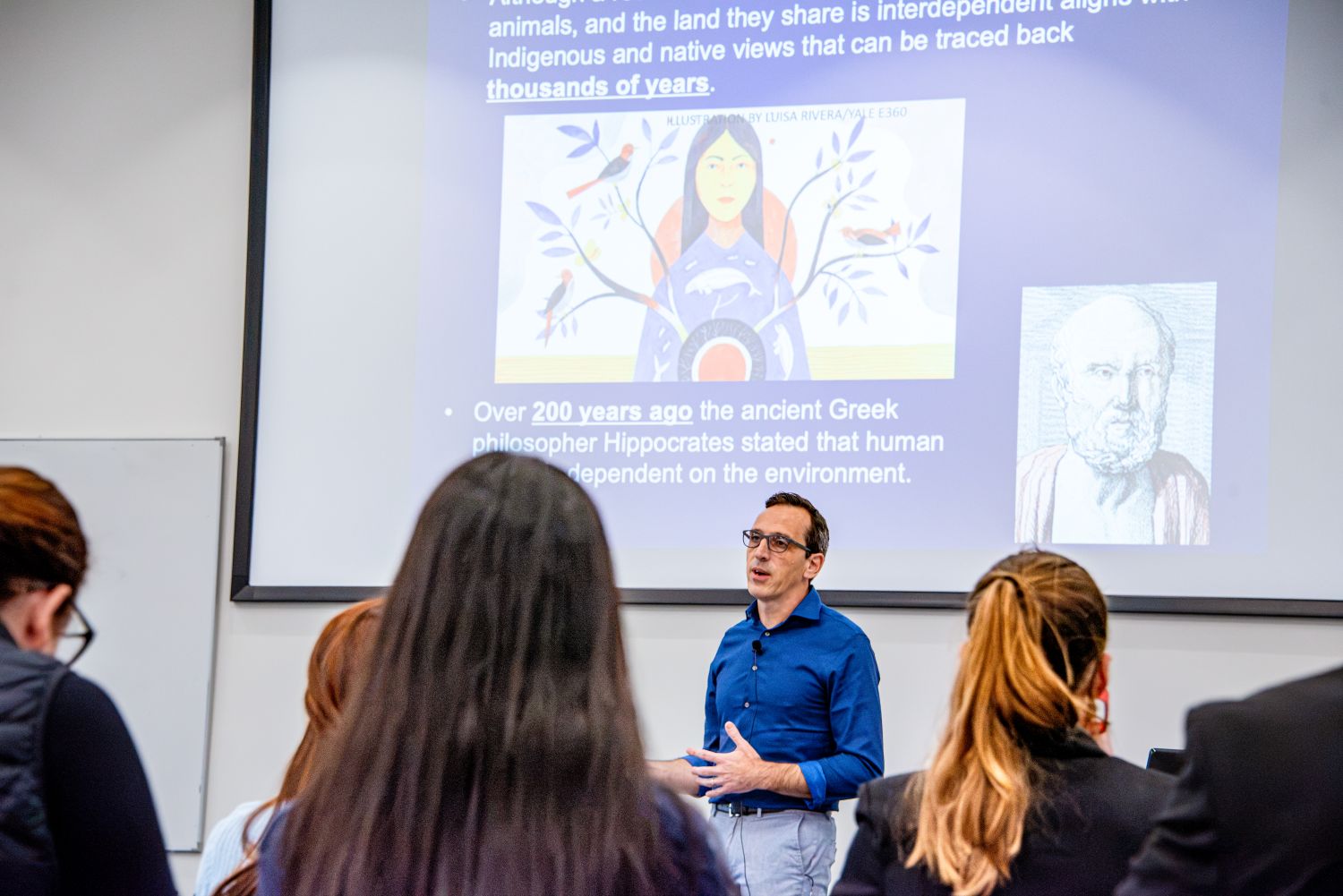
Keynote speaker Elsio Wunder, assistant professor of pathobiology and veterinary science, discussed the importance of bringing people from different fields together to advance One Health. He says the conference aims to show how CAHNR can reach communities and turn its research into practical solutions. Wunder also helped develop the One Health minor.
During his keynote, Wunder described a project in his lab that measures how common leptospirosis, a zoonotic bacterial disease, is in rodents across rural and urban Connecticut. He is examining whether strains from less pathogenic species may affect both humans and animals. The research aims to improve tools for diagnosing and preventing leptospirosis, including more effective vaccines and diagnostic tests that could benefit public health. The project shows how research on animal health can also help explain risks to people.
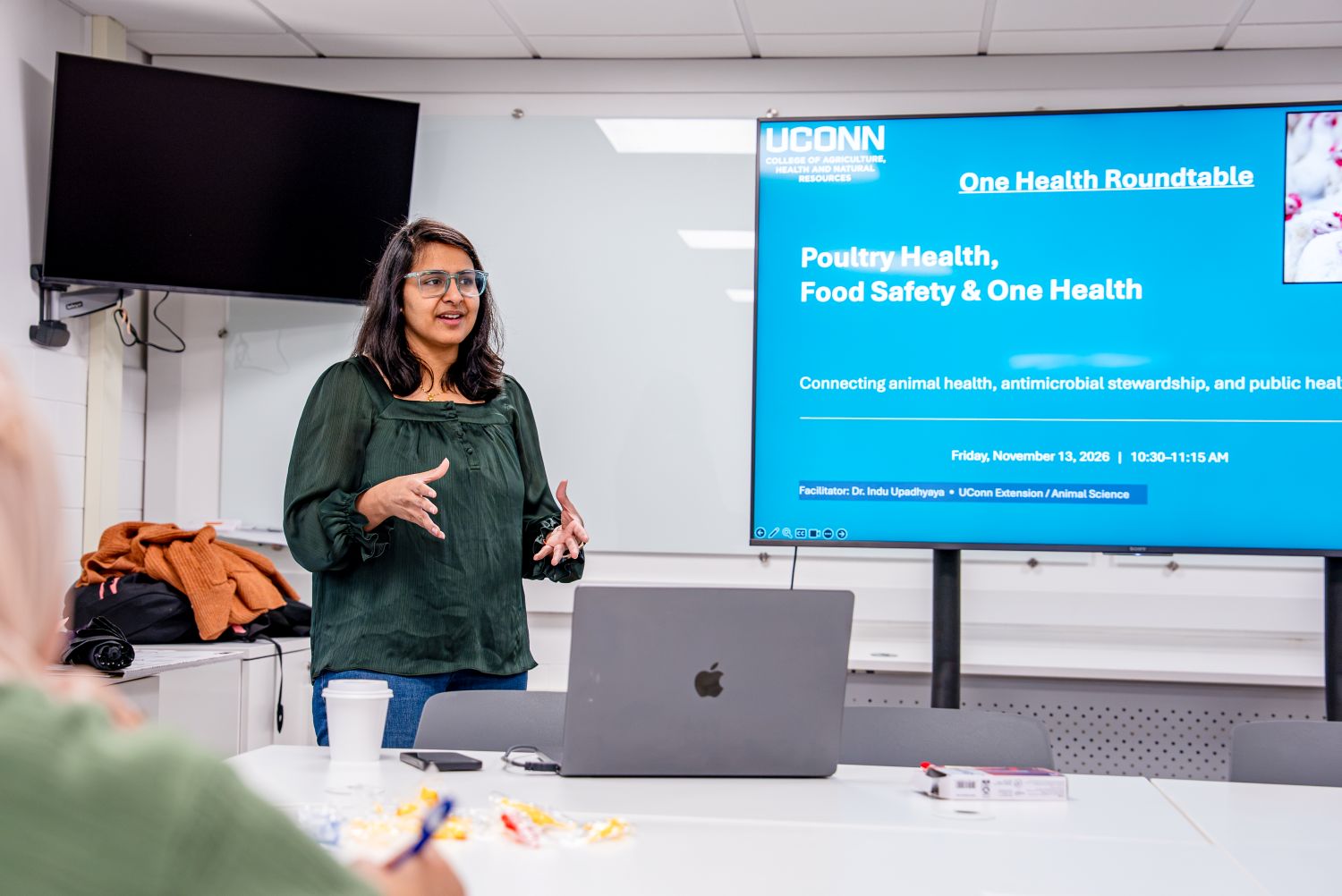
Simultaneous sessions followed Wunder’s speech. They included a roundtable on the costs and benefits of data centers in Connecticut for people, farms, and ecosystems, along with discussions on poultry health and antimicrobial stewardship, accessible nature for health, and food and nutrition insecurity from local to national levels.
“I’m proud to be able to participate in this event because sometimes in our day-to-day we can become hyper-focused in our own program area,” says Nicole Davidow, a vegetable crops educational program assistant with UConn Extension. “It is important to be reminded of the interconnectivity and interdependence of people, animals, planet, and the environment while making connections with peers.”
During a session on grant writing to support integrative education and outreach, Matt Mroz, interim director of research development, and Jordan McMillan, research development associate, both in the Office of the Vice President for Research, discussed how interdisciplinary teams come together and why building relationships before funding opportunities arise matters.
“You think about it as a stew forming, where you can’t separate the ingredients anymore because they merge,” Mroz says. “That takes time.”
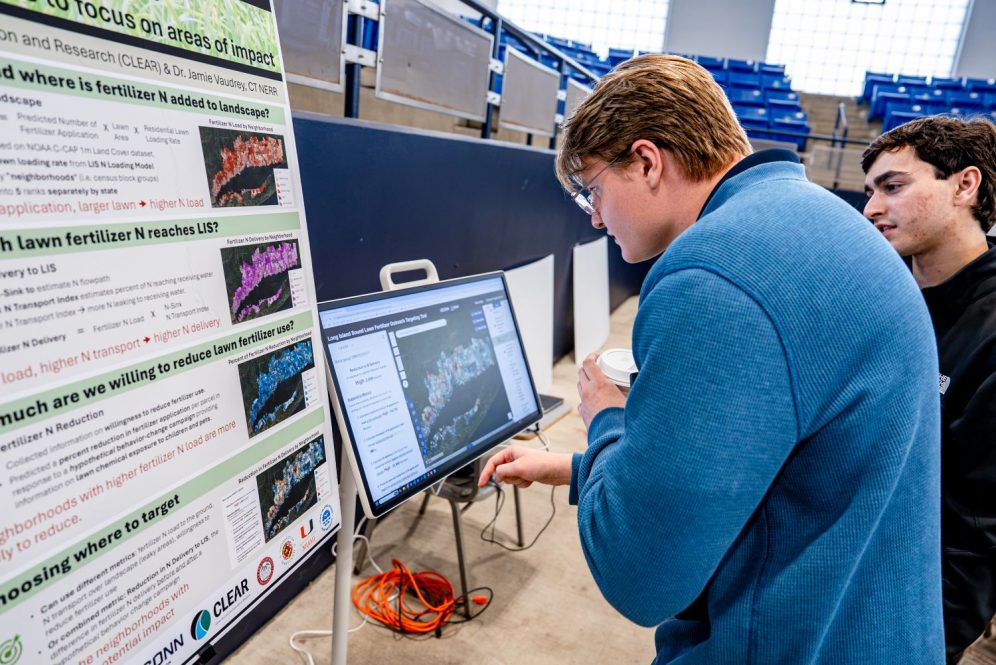
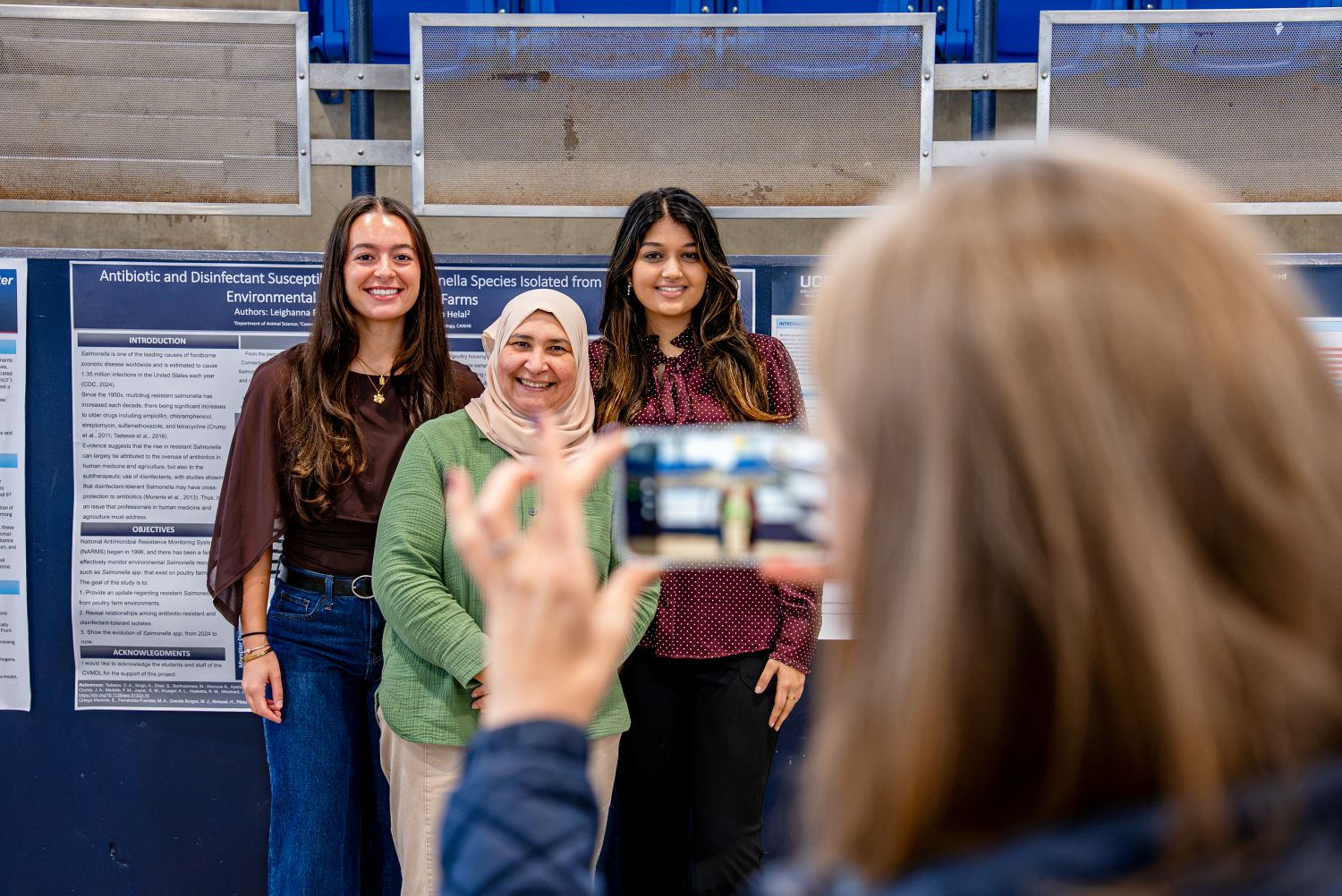
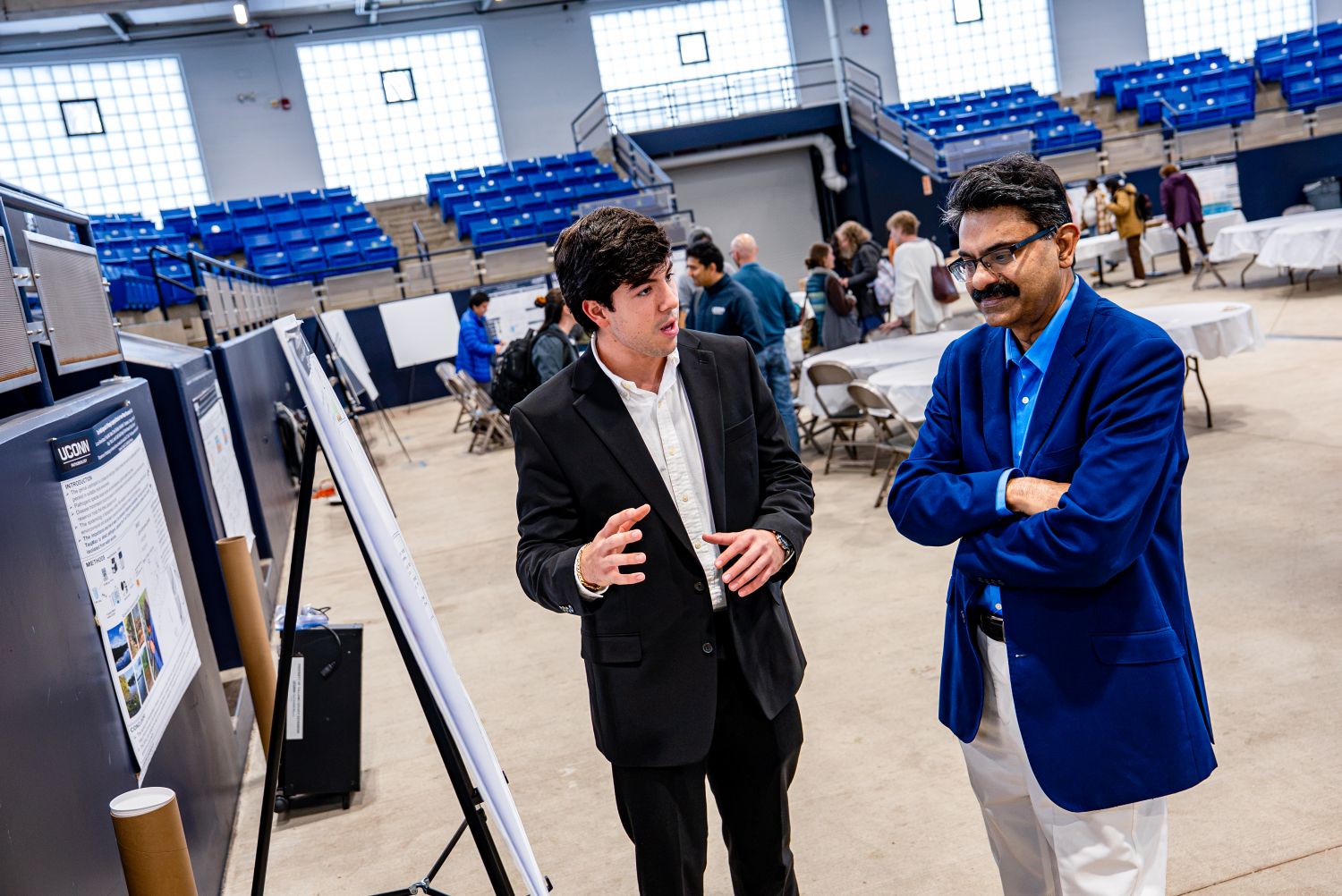
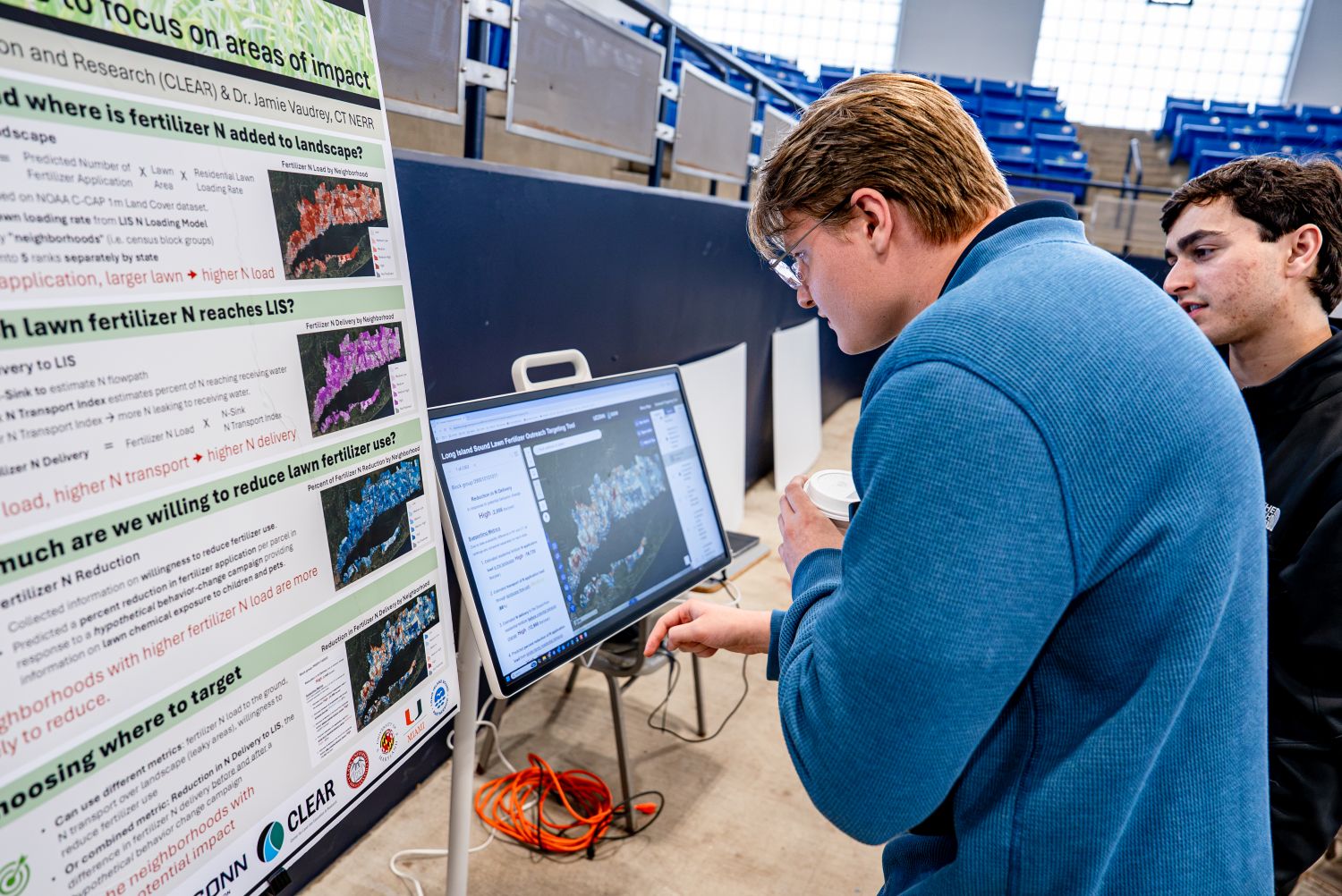
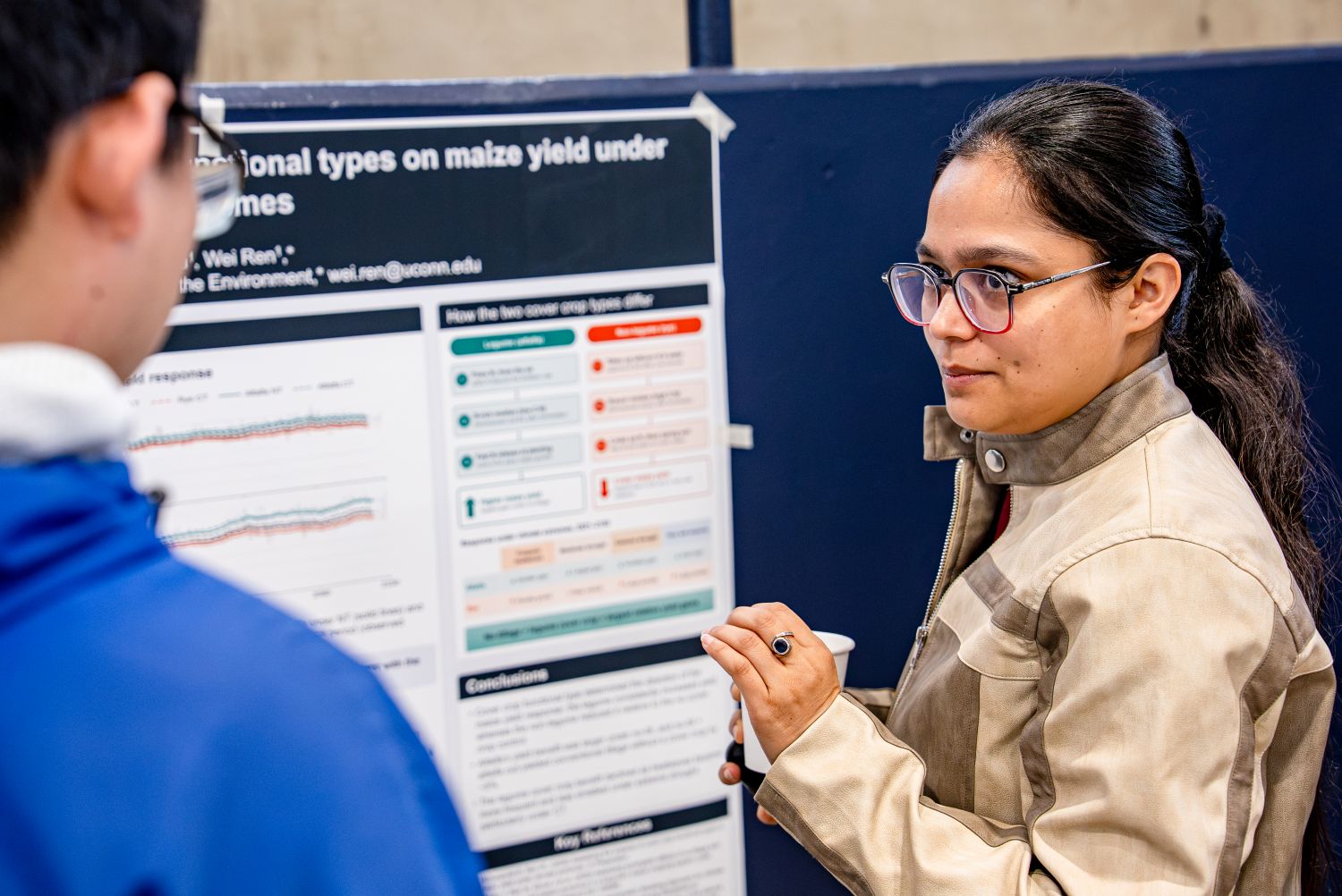
The conference also featured a student poster session, where students presented their research on One Health topics. Faculty and staff judged the presentations on how clearly students explained their work and answered questions.
The overarching goal for all involved was to form connections and continue to advance research, teaching, and extension throughout the College.
“The ultimate promise of One Health is not just to study the connection between people, animals, plants, and the environment, but to use those connections to prevent disease and improve health for all,” says Wunder.
Sofia Provost ’28 (CAHNR) is an animal science major on a pre-veterinary track. She completed an independent study in One Health and is a guest writer for CAHNR.