Dear Colleagues,
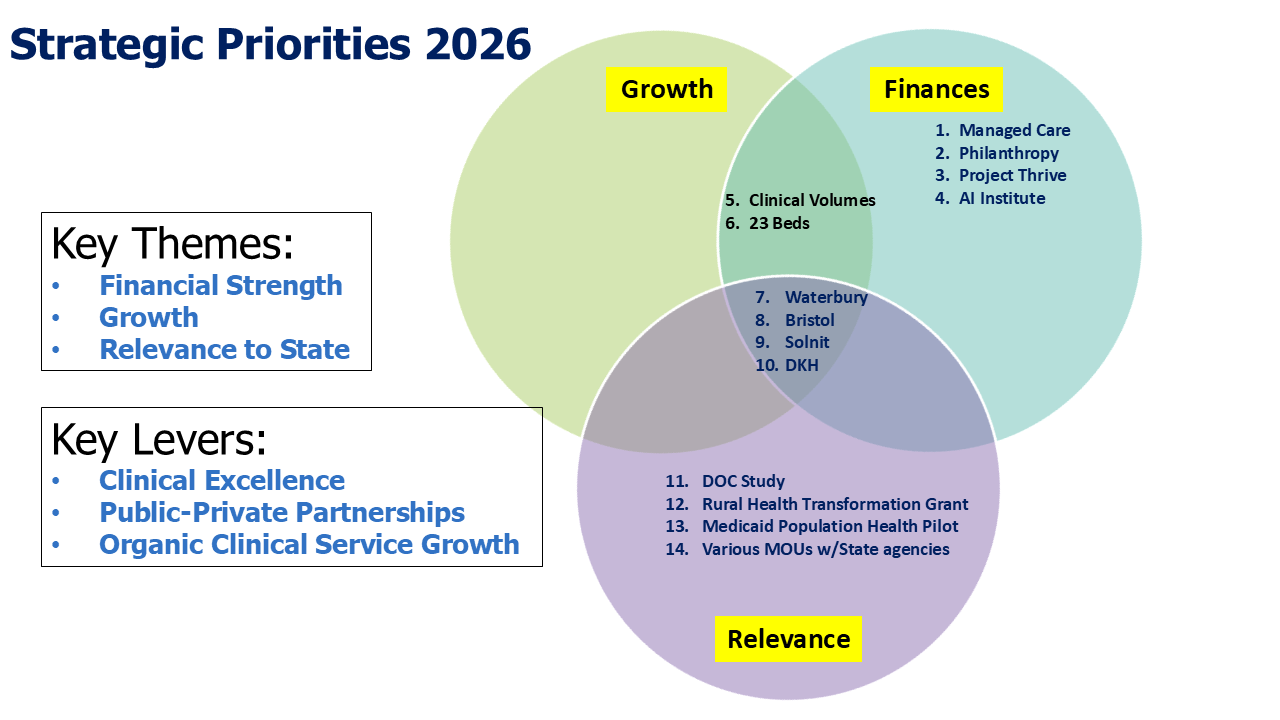
I can hardly believe we are less than 20 days from the end of FY26 (June 30) and then we start the new fiscal year (FY 27). Because of all your hard work it has been an amazing year. This week I had the privilege of presenting those accomplishments to the Board of Directors, the faculty and at an employee town hall. For those of you unable to attend any of those meetings, I will briefly touch on what I discussed. A foundational graphic is one that shows the top priorities we worked on this year arranged by key themes namely the pursuit of financial strength, growth, and increasing relevance to the state. The main priorities are those listed 1-10 and I will touch on them below:
1) Managed Care
As you are aware we engaged Huron to help us negotiate with four health plans: ConnectiCare, United Healthcare, Aetna, and Cigna. The negotiations were difficult, as illustrated by the fact that we terminated and went fully out of network with Aetna,
We also terminated and went into a 60-day cooling off period with ConnectiCare, and We went right up to the final day with Cigna. We were however ultimately successful and I would like to thank our CFO Jeff Geoghegan, and his team members Sarah Ginetti and Christine Masotti for their great work in pressing for fair reimbursement.
2) Philanthropy
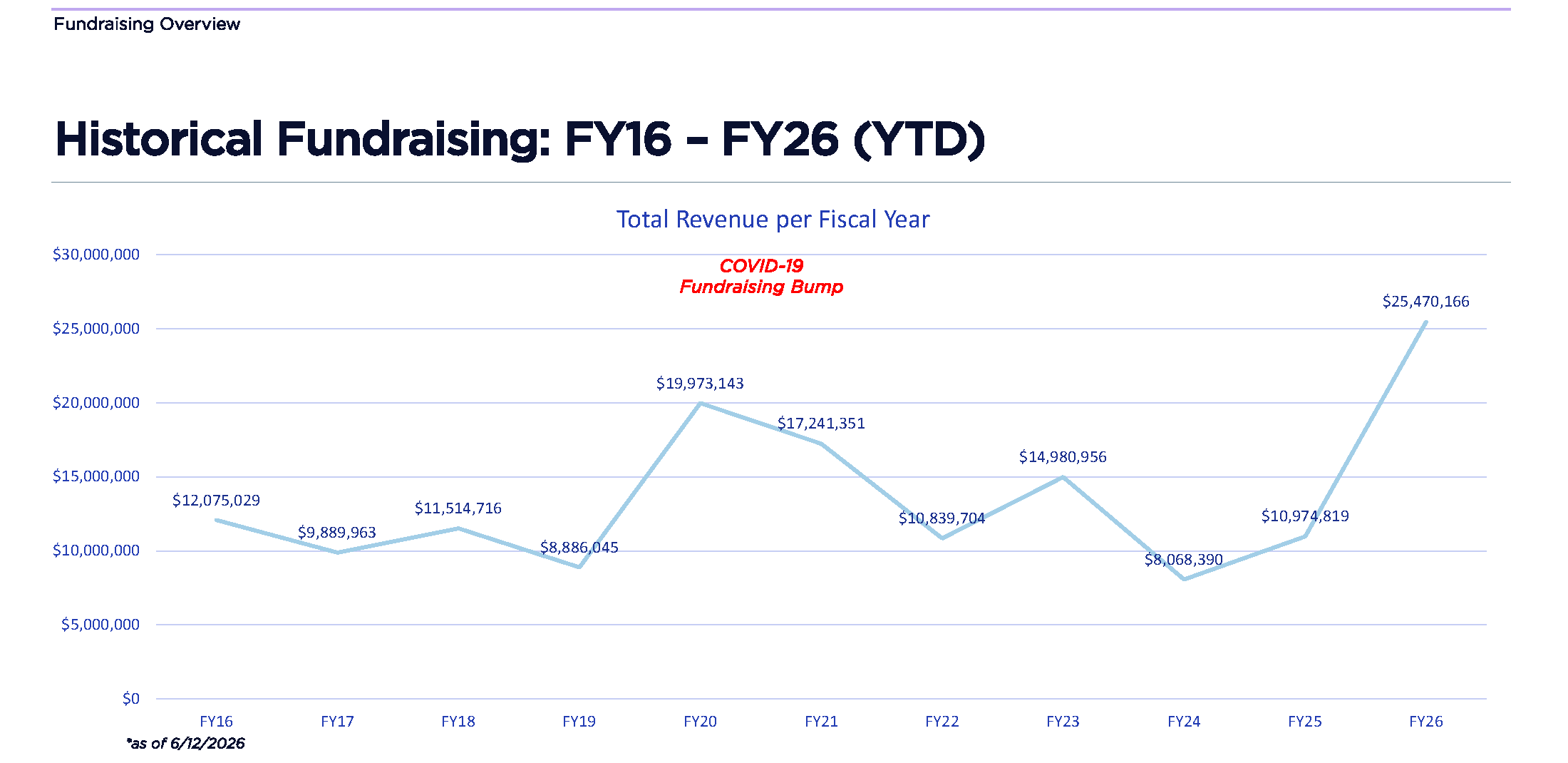
This is another good news story. If you recall, we partnered more closely with the UConn Foundation and invested in additional fundraiser positions to bolster UConn Health’s fundraising. Our aspirational goal was to raise $19 million in FY 2026, increasing to $50 million in FY 2030. As you can see from the graph below, in FY 26 we are at $25.4 million, which is more than double where we were in FY25 and represents our most successful fundraising year on record. Recent wonderful news is that last week a donor made a pledge of $10 million for our soon-to-be-launched Institute for AI Healthcare Innovation. I would also like to highlight two other gifts, namely:
- $3 million gift to establish the Barbara C. Setlow Health Careers Opportunity Program
- $1 million gift to establish the Chase-Bear-Dyer Advanced Triage Unit
The latter gift was made by Cheryl Chase, vice chair of our Board of Directors.
I would like to sincerely thank the entire team at the UConn Foundation, and particularly Daniel Sullivan, senior associate VP for development, Michael Van Sambeck, VP for principal giving, and Amy Yancey, president and CEO.
3) Project Thrive and the FY 26 Budget
I know that you likely don’t need a reminder that we started the year with a $46.7 million gap in our budget due to state cuts in funding. With your help, both on the revenue generation and cost-saving side, we were able to find the $46.7 million and balance the budget. My thanks to you, the deans, and my senior executive team.
4) Institute for Healthcare AI Innovation
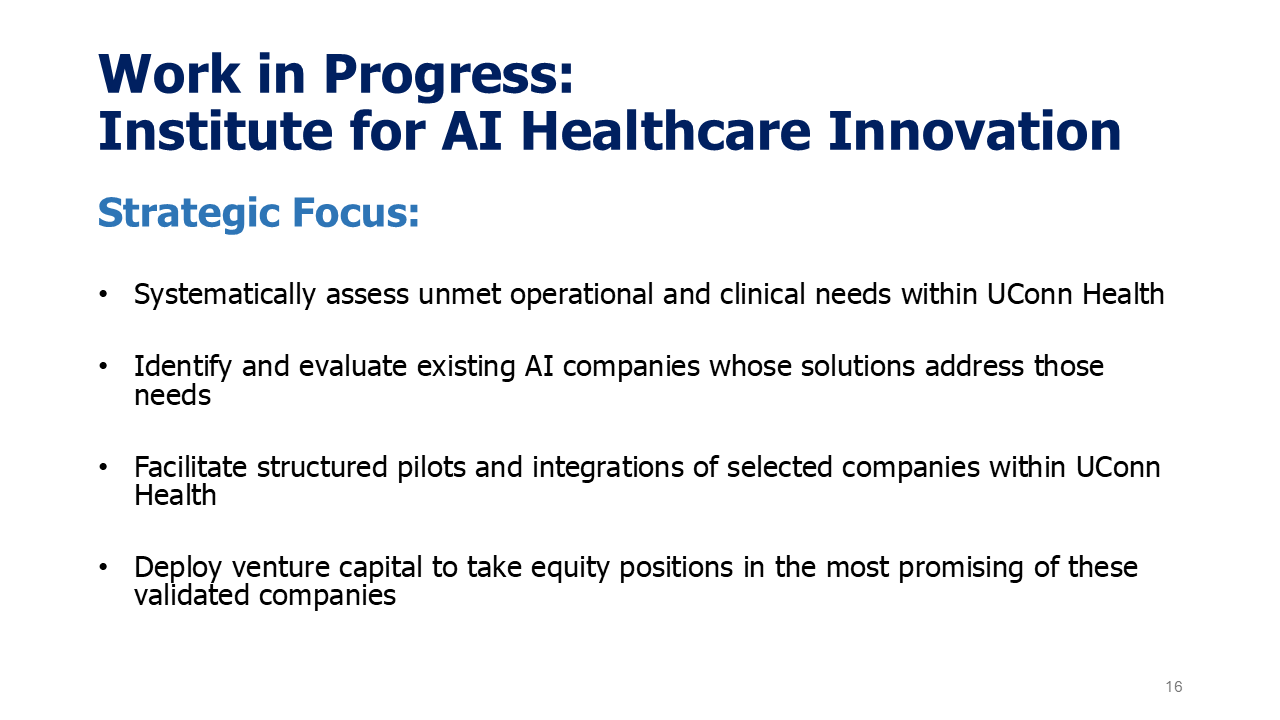
I mentioned the AI institute in my last update and in the update on philanthropy, so I won’t go into detail here. You can see the high-level strategy below. We are very excited about it and I will keep you updated as we move forward.
5) Organic Clinical Growth
6) 23 additional beds
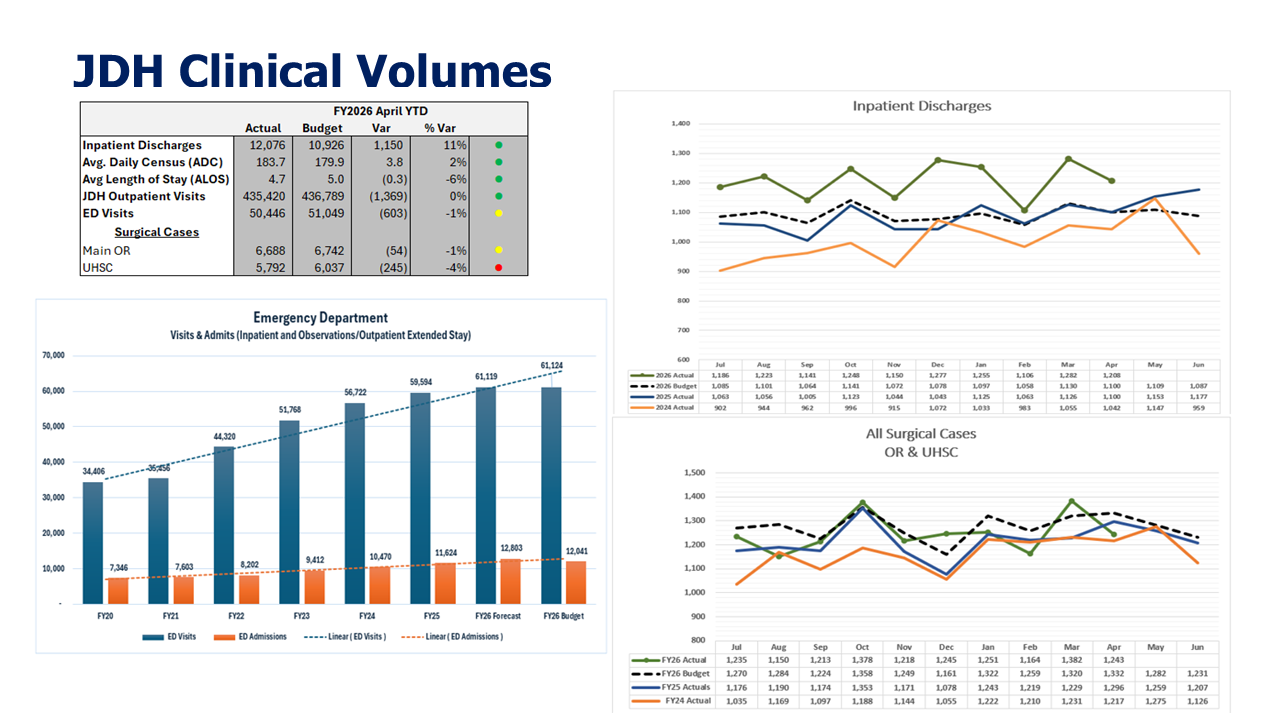
The below graphic for John Dempsey hospital shows:
- Our Inpatient discharges were 11% greater than budgeted.
- Other key growth metrics were at or above budget except for the Outpatient surgery center, which although busy was 4% behind budget.
Not on this graphic is UConn Medical Group (UMG), which grew by 3.7%.
Partnerships:
7) UConn Health-Waterbury
UConn Health Waterbury Hospital, which is part of our partnership (the UConn Health Community Network), is seeing three-month average hospital discharges, ED visits, and total surgeries increasing compared to last year.
8) Bristol Hospital
Bristol Hospital has signed a letter of intent and we hope to be able to bring them into the UConn Health Community Network by end of this calendar year.
9) Day Kimball Hospital
Day Kimball Hospital has also signed a letter of Intent and like Bristol we hope to be able to bring them into the UConn Health Community Network by end of this calendar year.
10) Solnit Hospital
- On April 15, 2026, the hospital license for the Albert J. Solnit Hospital in Middletown was successfully transferred from the state Department of Children and Families (DCF) to UConn John Dempsey Hospital’s license.
- Solnit is a state-administered psychiatric facility in Middletown for Connecticut’s adolescents 13-17 years old.
- The hospital is licensed for 50 beds, but routinely has a census of 25 to 30.
A key difference between the Solnit partnership and UConn Health Waterbury is that Solnit is part of JDH, the public hospital, not the UConn Health Community Network.
So again thank you everyone for a great FY 26.
Turning now to FY 27, which will begin on July 1. From our strategic plan we completed this year, we have 13 enterprise-wide initiatives and 90-plus department-specific initiatives. Fortunately many of these initiatives, particularly at the departmental level, are already underway. I also want to emphasize that we have another, even larger Project Thrive initiative, as we are facing a projected budget shortfall of $54.3 million. This is largely related to the state approving collective bargaining increases but not funding them.
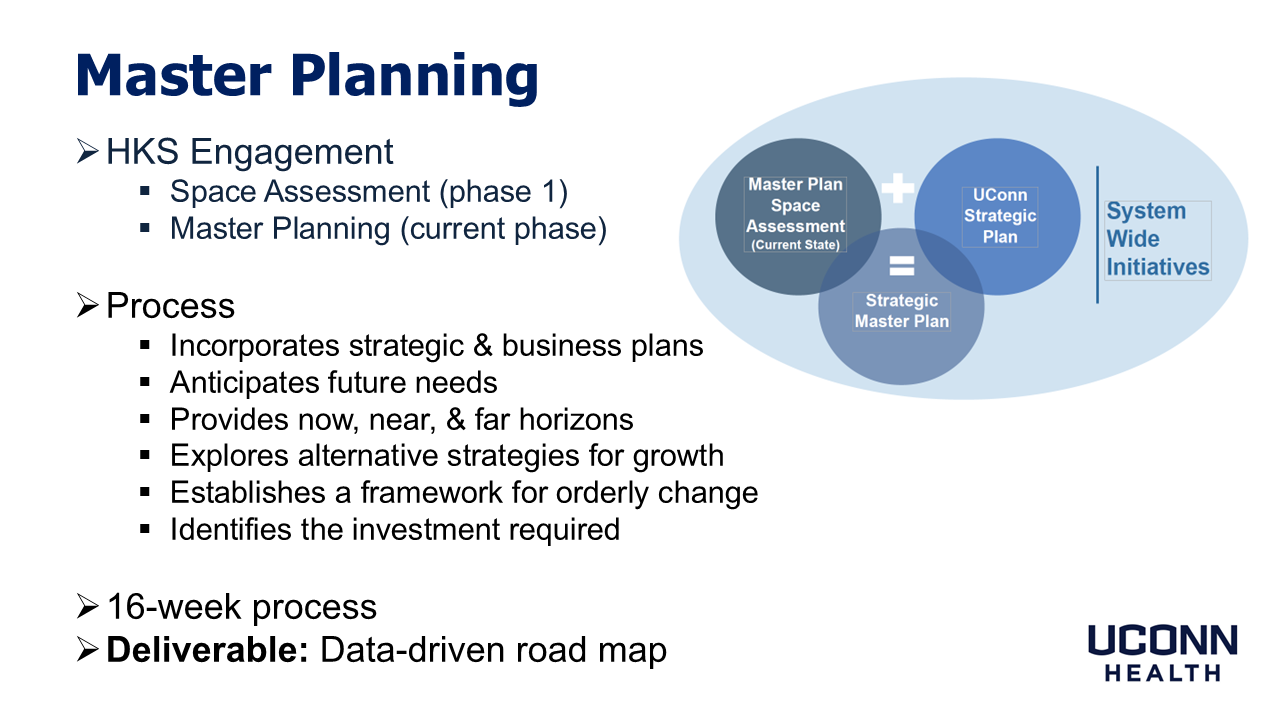
Also extending into FY 27 is our master planning effort to make the best use of our space throughout our campus as we continue our growth. Our VP for Facilities Tom Vaccarelli is working with the firm HKS on an assessment that could lead to some combination of building, leasing, relocating, and otherwise optimizing our space.
FY 27 will bring its challenges, but also, much to be excited about, especially as we continue to grow the UConn Health Community Network.
If you missed the town hall, or would like to go back and hear something again, you can find the video on The Hub.
Monday we’re holding a grand opening at our new Torrington office, at 507 E. Main St. As you may know, we had a soft opening in April, when we relocated our internal medicine practice, led by Dr. Jonathan Moseley, from our previous Torrington location. We have a number of rotating specialties there, including orthopedics and sports medicine, spine, and vascular medicine, plus radiology and now blood draw too. We’re very excited about our expansion in this location and look forward to continued growth and service within this community.
Of course a great deal of work goes into relocating several practices, including renovating the space to accommodate them. Special thanks to Anne Horbatuck, our COO of UMG and AVP for ambulatory operations, project managers Kevin Norton and Dave Riggles, and, from UMG, Alexandra Schmitt, Amy Chmielewski, Katy Coyle, Kelly Motowidlak, Linda Manzelli, and so many more. Developing a new site is truly a team effort including IT / Epic, our pharmacy, our call center and telecom, and our teams from facilities, regulatory and compliance, finance, supply chain, marketing, and communications. We thank you all for your detailed quality work, diligence and painstaking efforts to make this happen.
This week I had the pleasure of speaking at our 11th annual Emergency Stroke Care Symposium. Over these 11 years we have grown into a regional — I’d even say national — leader in stroke care prevention, and this conference brings together clinicians and first responders from beyond UConn Health.
We are proud that our stroke program continues to be recognized by the American Heart Association/American Stroke Association. Since 2015, we have received the Get With The Guidelines® Stroke Gold Plus Award, reflecting our ongoing commitment to excellence in stroke care. And for the last four years now and counting, we also have made the AHA’s Target: Type 2 Diabetes Honor Roll.
Additionally, The Joint Commission just recertified us as a Primary Stroke Center Performing Mechanical Thrombectomy. Our thrombectomy program continues to expand, and through new partnerships we are able to provide this life-saving treatment to patients throughout the region.
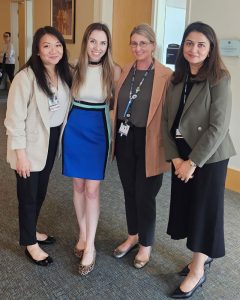
Our stroke program, under the leadership of Dr. Priya Narwal (right in photo, along with, from left, Dr. Gracia Mui, Brooke Medel, and Mary Kate Buckley), is most certainly a point of pride for our institution.
Our UConn Health Half Marathon, 10K & 5K, was last weekend, and estimates are it drew more than 2,700 people to Simsbury, on top of the 2,300 people who participated in one of the races.
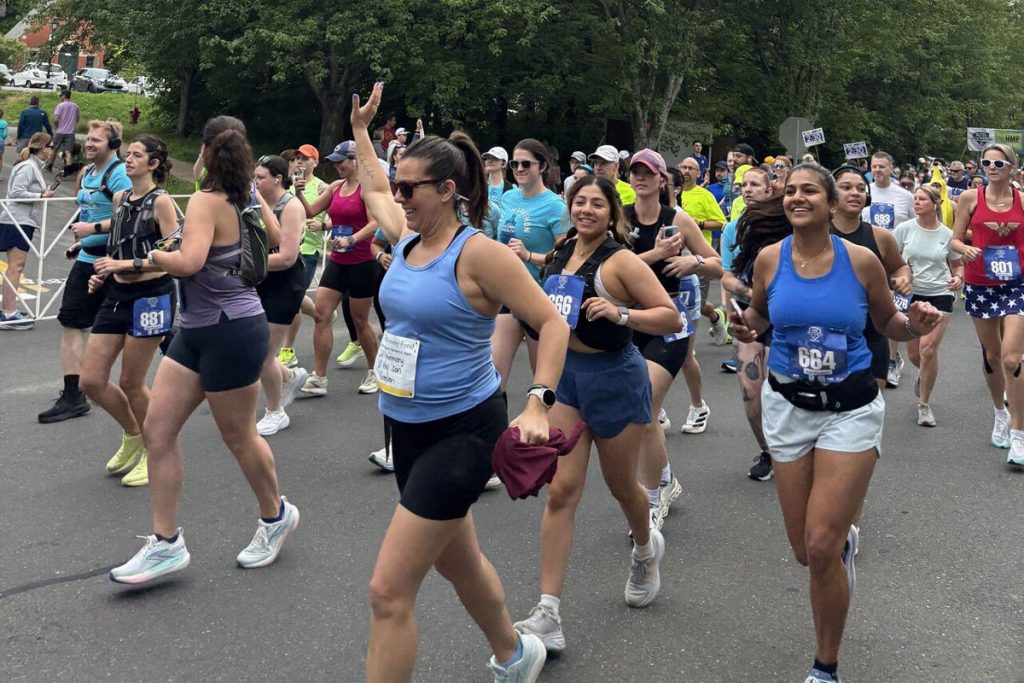
Thank you to the 60 employee volunteers and to those representing different areas for some important community outreach, which included free skin cancer screenings and education and advice around topics including women’s health, orthopedics and sports medicine, neurology, and dental medicine.
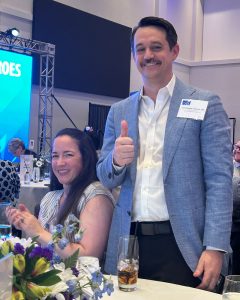
I briefly mentioned this last week, Dr. Christopher Conner is a 2026 Connecticut Hospital Association Healthcare Hero, and this week we honored him at CHA’s annual meeting. Dr. Conner (pictured with his wife, Chelsea) is a neurosurgeon and pioneer in vagus nerve stimulation therapy for stroke recovery and also for treating pediatric epilepsy. He also was instrumental in advancing legislation to establish the UConn Health Center for Neuromodulation, which will focus on treating veterans and first responders, among others.
Dr. Conner exemplifies the very definition of a healthcare hero through his innovation, leadership, and unwavering commitment to advancing patient care. His work is transforming lives and expanding access to treatments that were previously unavailable in Connecticut. Please read more on UConn Today, and join me in congratulating Dr. Conner on this well-deserved honor.
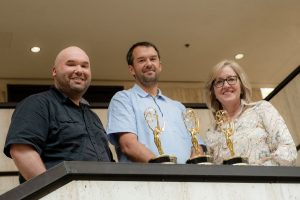
Speaking of honors, I’m pleased to share that this week our video team won a regional Emmy Award! It was for the video “UConn’s Human Anatomy Lab: Honoring Life Through Learning,” which won in the “Education/Schools – Short and Long Form Content” category.
Please join me in congratulating (from left) Ryan Bernat, Ethan Giorgetti, and Carolyn Pennington for their award-winning work!
Here’s a patient letter that came into our infectious diseases clinic for Dr. David Fraulino (edited for privacy):
“Dr. F., I wanted to reach out to you almost one year post surgery. I met with Dr. Alkass today for my one-year follow up and left there grateful… mostly for you and your support staff but mostly you! You were the rock star for me, the one who I believe truly saved me and you deserve to know how grateful I am for you and your persistence and knowledge. So thank you from the bottom of my heart! I truly believe if it weren’t for you my story might not have been the same! Be well…Cheers! ️
Thank you, Dr. Fraulino, for your inspiring care!
Lastly, I’d like to call attention to the efforts of our IT team for integrating Zio, a home heart monitor patch, into Epic, which is our electronic health record. This has shown to effectively streamline the process by overcoming the historic challenge of getting patients to return their patch for analysis. The vendor recognizes UConn Health as one of the top-performers when it comes to device return rates. This may not sound like a big deal, but it makes a measurable difference in efficiency, which ultimately benefits the patient, and is just another example of the kind of subtle, behind-the-scenes work that contributes to our quality.
Thank you to our IT group, particularly Mo Kaseem and Adam Kachidurian (Epic Cogito/reporting), Kristen Roy (Epic Radiant/radiology), Chloe Bump (Epic orders), Lori Cannon, Sue Salinas, and Normand Rainville (Epic training), Phil Chesky (project manager), and Ania Martula (MyChart).
And thank you, to everyone reading this, for all you do.

Andrew C. Agwunobi, MD, MBA
Chief Executive Officer
EVP for Health Affairs
UConn Health
Dear Dr. Andy
As part of Project Thrive, has there been consideration around conducting a centralized review of our existing software stack to identify redundant tools and overlapping functionality? This could support FinOps objectives by reducing unnecessary licensing costs, while also helping us better evaluate and maximize AI capabilities already available within our current platforms.
Thank you for raising this. Indeed we are actively working to evaluate our solutions to streamline our software inventory.
As Rick McCarthy, our CIO, explains, within this work is evaluating our core solutions (e.g. Epic, OnBase, Microsoft, Banner, etc.) to identify the vendors’ roadmaps, which include AI capabilities, so we can work with leadership on our future plans. Along this journey we are working hard to consider our core systems first before looking at other vendors (e.g. Epic first). Not only will this offer potential cost savings but will reduce our technological complexity and cost to support.
So as you can see, this is a work in progress, and the work is already well underway. Thank you for the question.
Have something you want to ask Dr. Andy? Submit your question on The Hub.
Hub Highlights


Dr. Francesco Celi has a clinical trial that’s offering hope to those with hypothyroidism.
Dr. Swarup Kumar and his patient share a story of remarkable recovery from a rare cancer diagnosis.
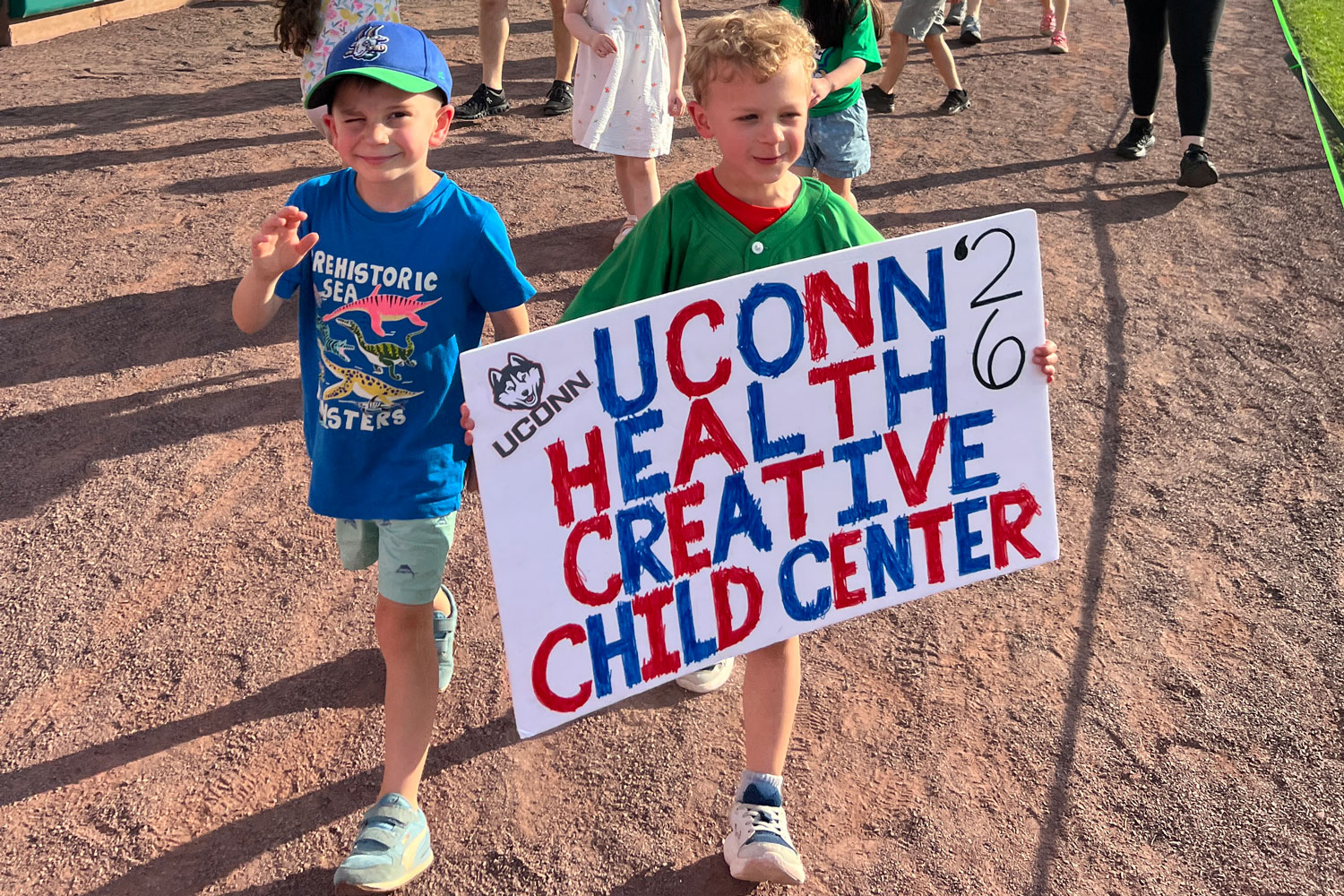
Our Creative Child Center graduates take the field at the Hartford Yard Goats!
Visit the Hub Now
Note: Unlinked content is only available on The Hub, for which you must be on the UConn Health network to access.
Our latest UConn Health Minute on CPTV features Dr. David Knight from the UConn Health Waterbury Hospital ED.
Dr. Christopher Conner accepts a prestigious accolade from the Connecticut Hospital Association.
Read about a major gift that established an advanced triage unit in our ED.
We check in on Jianbin Ruan’s immunology lab in “Meet the Researcher.”
Plus, you can watch the video of Dr. Andy’s town hall — Go to The Hub now for these and other announcements and features and stay up to date with the latest UConn Health news!