Want to learn more about quantum, the emerging and innovative Connecticut-driven innovation engine that’s bridging academia, industry, entrepreneurship, and government to advance next-generation technologies from the laboratory to the marketplace?
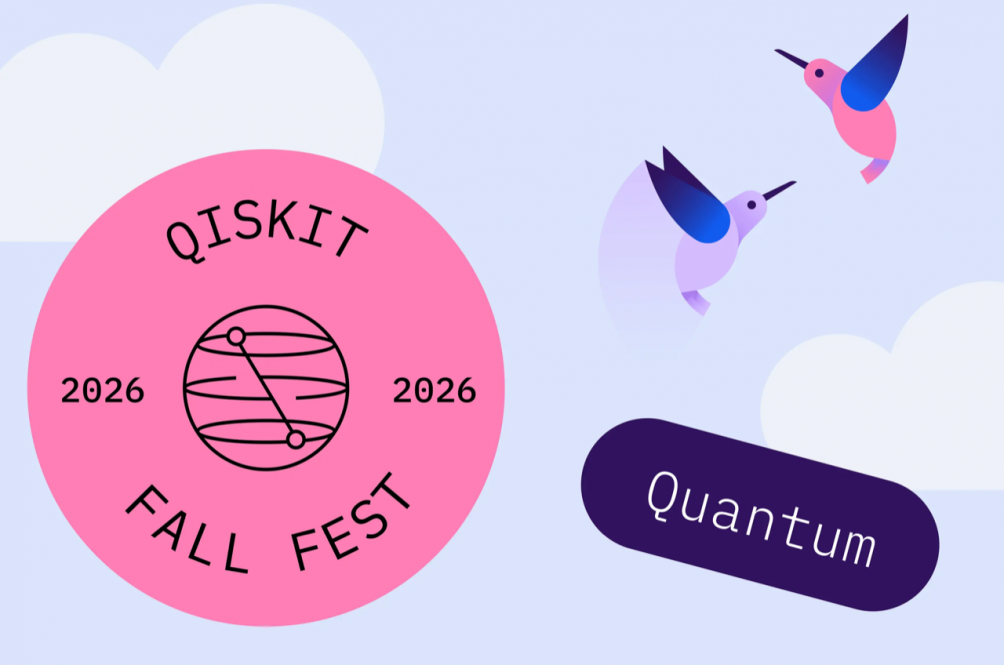
Then join the UConn Quantum Computing Club for Qiskit Fall Fest 2026, an interdisciplinary event open to anyone in Connecticut who’s curious about quantum computing.
Sponsored by IBM Quantum, UConn’s Quantum Computing Club was selected as one of 200 hosts worldwide from out of more than 900 university applicants in 2026.
UConn’s three-day event will take place Oct. 15 through 17, both in-person at UConn Storrs and online – participants can register at uconnquantum.org/qiskit-fall-fest-2026.
“Connecticut already has an exciting and growing quantum ecosystem, with researchers, universities, and companies working on important developments in the field,” says Shai Verma ’27 (ENG), vice president of UConn’s Quantum Computing Club. “As students, we see an opportunity to help connect that ecosystem with the next generation of people interested in quantum technology.”
Once selected as a host, each university organization designs and runs a quantum computing program that features hands-on learning opportunities like workshops, technical talks, hackathons, coding challenges, panels, and more in order to give students direct experience with quantum computing.
UConn’s hackathon will be held in-person only on Saturday, Oct. 17, with technical workshops, networking opportunities, and other panels held hybrid in the preceding two days to help participants prepare.
“The event is entirely student-led, with our core team managing everything from speaker outreach and industry partnerships to sponsorships, programming, and logistics,” says Verma. “We’ve also been fortunate to secure partnerships with qBraid, QuantumCT, and two faculty research labs at UConn. Bringing together support from industry, academia, and Connecticut’s growing quantum ecosystem has been one of the most rewarding parts of organizing this event.”
This free event is open to undergraduates and graduates at UConn, as well as working professionals, researchers, educators, business owners, and anyone curious about the field – no prior experience with quantum or specific technical or particular disciplinary experience is required.
“Quantum computing sits at the intersection of computer science, physics, mathematics, engineering, and several other fields,” explains Verma. “While a background in programming, mathematics, or physics can be helpful for some of the technical challenges, we encourage students from all majors to attend. There’s much more to the quantum industry than just building quantum computers, and we want people to see the different ways they can contribute to this emerging field.”
In 2023, the NSF awarded the proposal a $1 million development award, leading to the establishment of the QuantumCT nonprofit. In July 2026, the QuantumCT Engine was awarded a two-year, $15 million initial grant, and if benchmarks are met, that funding could reach $160 million over the 10 years. The state of Connecticut has committed $120 million to the initiative, bringing the potential quantum investment to more than $280 million.
Verma notes that the biggest reason to attend the Fall Fest is the opportunity to experience quantum computing in ways that far exceed a classroom or textbook.
“Quantum technology is an exciting and rapidly developing field, but it can sometimes feel intimidating or difficult to access, especially for anyone who is just starting out,” Verma says. “Whether someone wants to explore a potential career path, build something interesting, meet others who share their interests, or simply understand what all the excitement around quantum computing is about, I think they’ll find something valuable here.
“And even if someone walks in knowing nothing about quantum computing, we’d consider it a success if they walk out curious enough to keep exploring.”
For more information about this event, or to connect with UConn’s Quantum Computing Club, visit uconnquantum.org.
To learn more about quantum in Connecticut, visit quantumct.org.