College of Liberal Arts and Sciences

Meet the Researcher: Valeria Sarmiento ’20, Molecular & Cell Biology
Valeria Sarmiento forged her own path at UConn to unite her twin passions for science and helping others.

Gingermania! UConn Now Home to Major Collection of Ginger Relatives
Gingermania is running at wild at UConn, thanks to an enormous donation of plant species by a Smithsonian scientist.
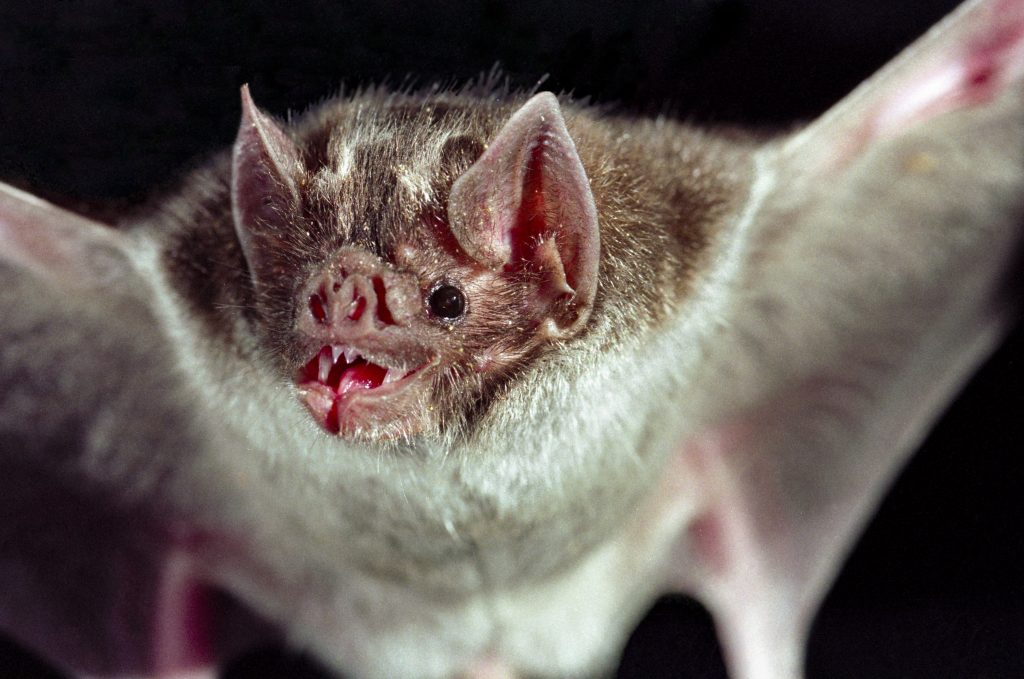
Important Lessons from Social, Yet Sick, Bats
The treatment of sick bats by their healthy counterparts may mirror how human beings behave under similar circumstances.

UConn Students Use Grant to Create Documentary About Yosemite
A group of students created a documentary film about a trip to Yosemite National Park, thanks to a UConn IDEA Grant.
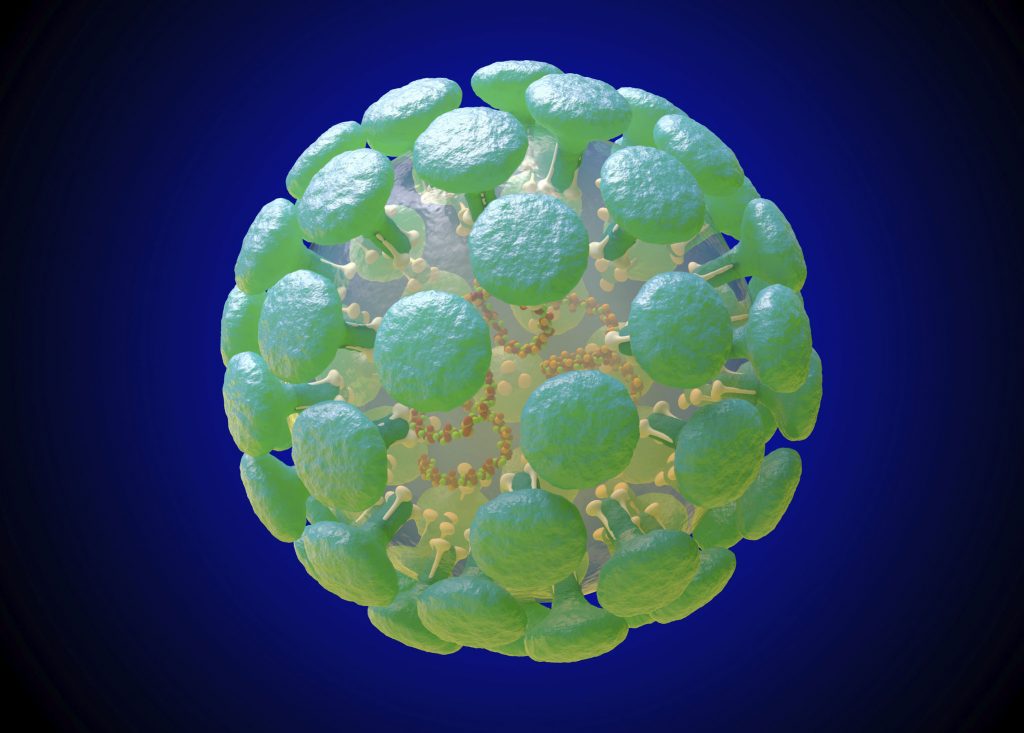
With the Coronavirus Outbreak, It Matters How You Get Your News
The fragmented media environment of today presents special challenges when communicating about a disease like coronavirus.
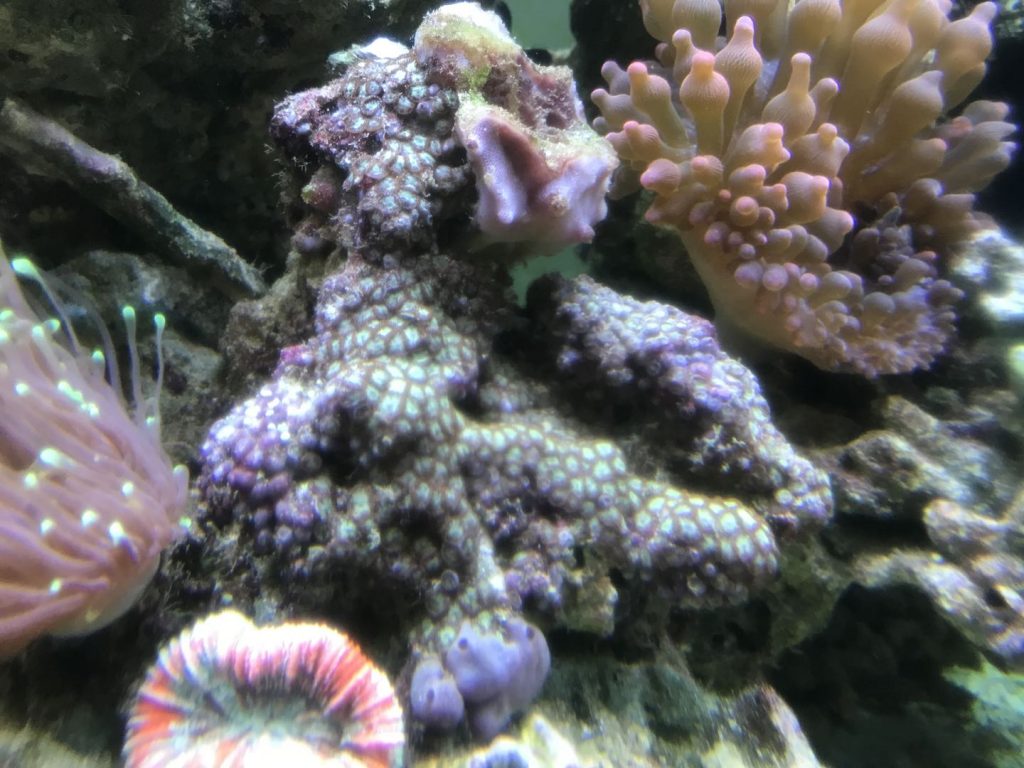
UConn Research Shows Microplastics Are Damaging to Coral Ecosystems
A UConn researcher says microplastics present a significant threat to the health of coral reefs.
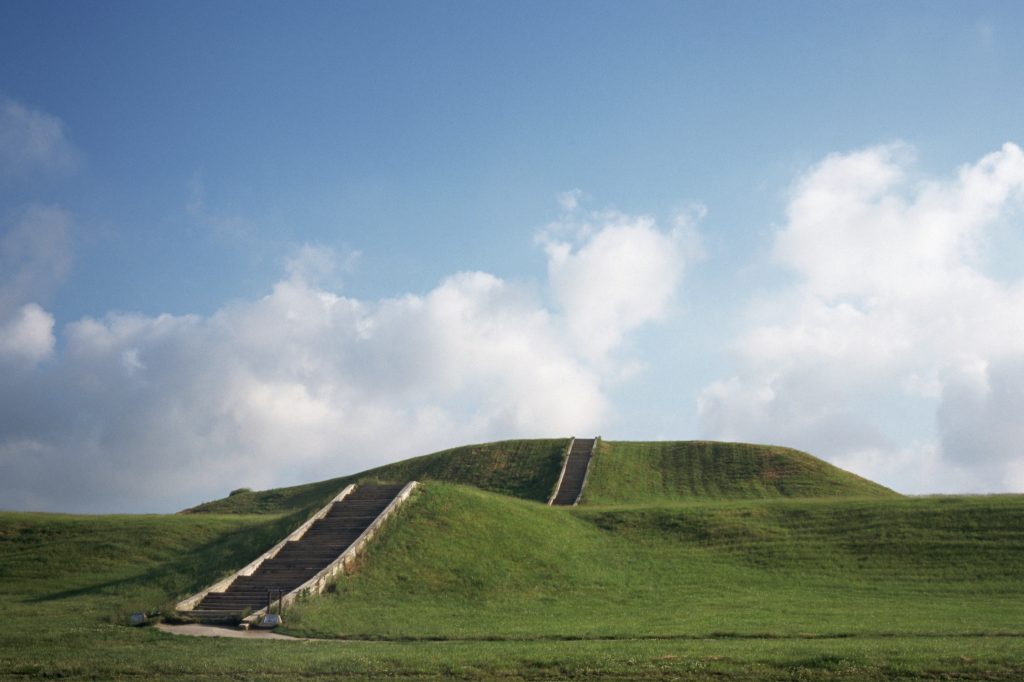
As Farming Developed, So Did Cooperation – And Violence
As humans shifted from hunter-gatherer societies to agricultural societies, cooperation and teamwork increased - along with organized violence.
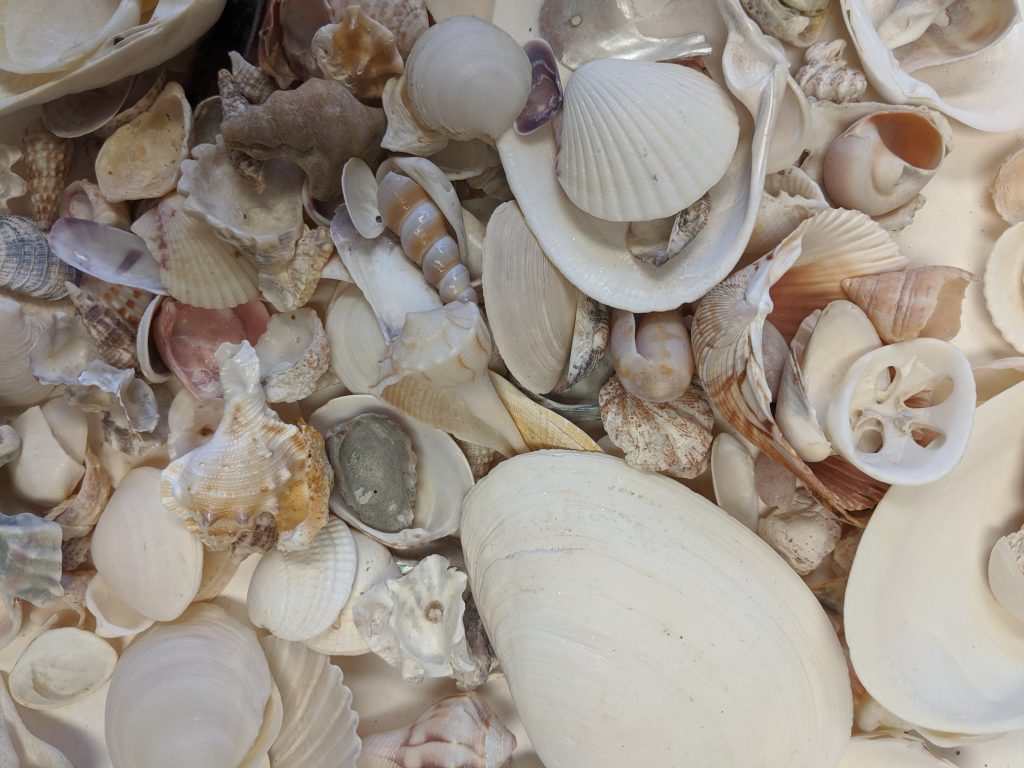
Paleontologists Discover Why the Oceans are So Diverse
A new study explores why the life in the world's oceans is so diverse.
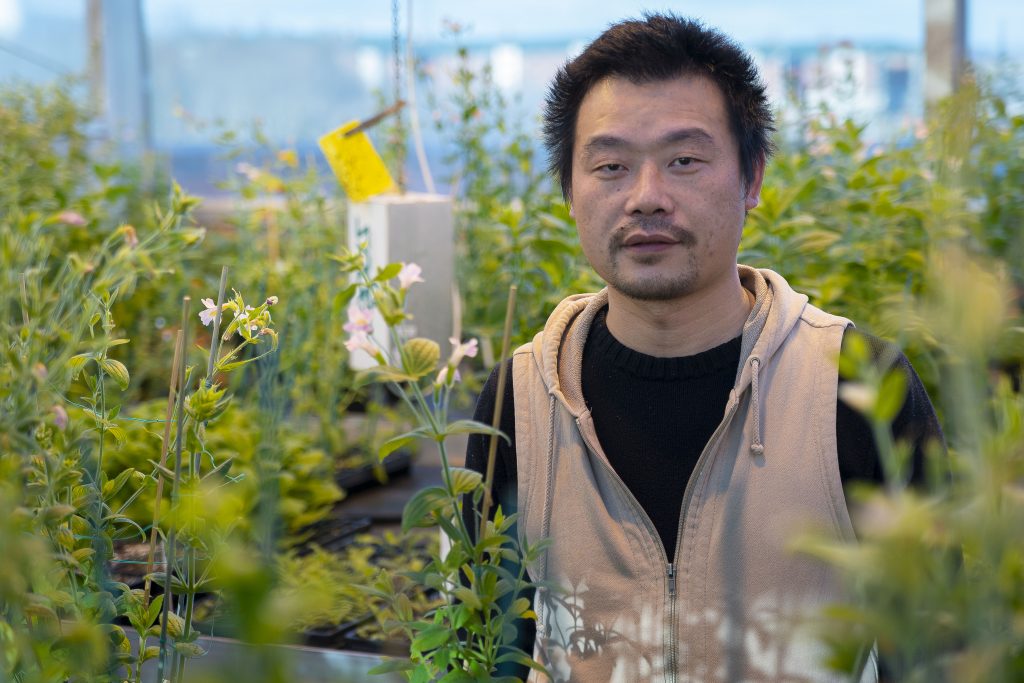
How Did the Monkeyflower Get Its Spots?
A cross-disciplinary team of researchers is close to understanding how a type of wildflower achieves its dazzling variety of colors.
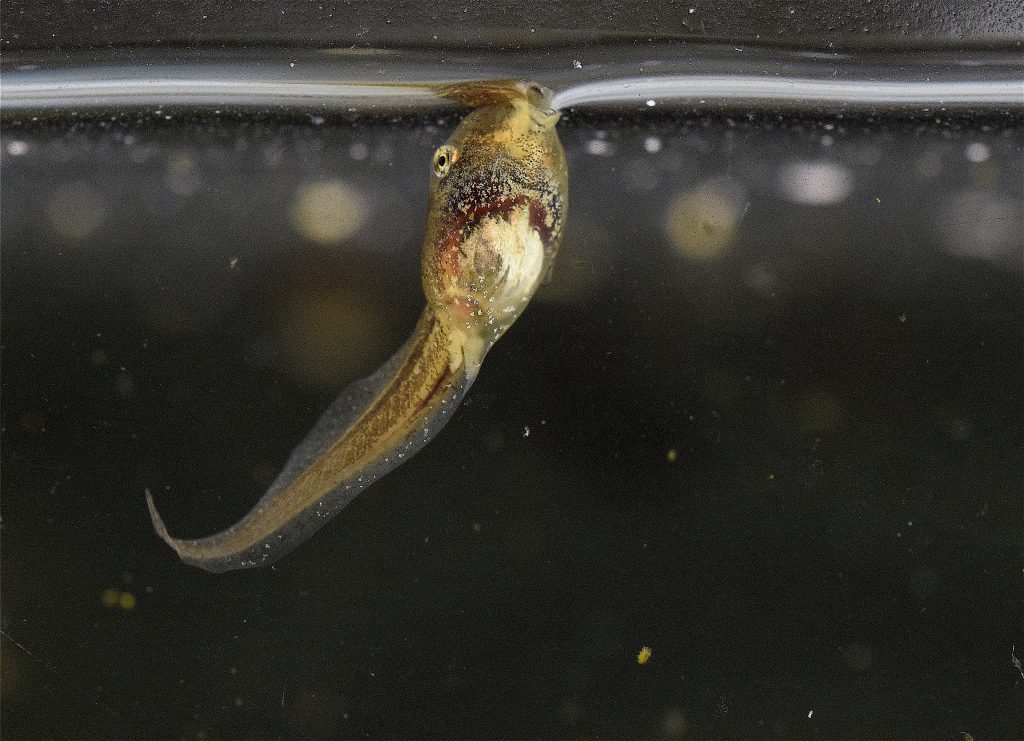
Tadpoles Break the Tension With Bubble-Sucking
UConn researchers have discovered how tadpoles are able to breathe air while remaining under water - it's called "bubble sucking."