Rudd Center

LGBTQ Teens Face High Rate of Weight-Based Bullying
As many as 44 percent of LGBTQ teens report weight-based bullying from both peers and family members, says a new UConn study.

Food Ads Target Black and Hispanic Youth with Unhealthy Products
Black children and teens each viewed an average of more than 16 food-related ads per day in 2017, compared to 8.8 ads-per-day for white children and 7.8 ads for white teens.

School-Based Nutritional Programs Reduce Student Obesity
Implementing strong school nutrition policies is associated with healthier weight gain in middle school students, according to a new study by researchers at UConn and Yale.

At School Lunch, Healthier Options are Overlooked When Juice is Available
Milk, fruit, and water sales decline when a less healthy option – juice – is served through the National School Lunch program, says a new UConn Rudd Center study.
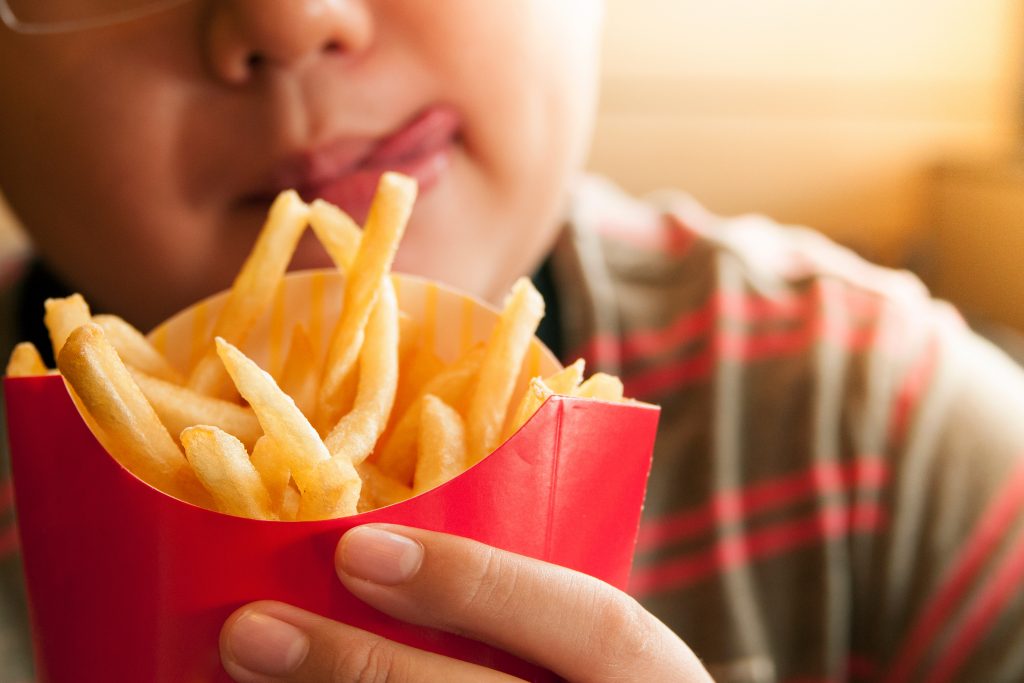
More Kids are Eating Fast Food – and Not the Healthy Options
A new UConn study shows that children are eating fast food more often. In 2016, 91 percent of parents bought fast food for a child, up from 79 percent in 2010.
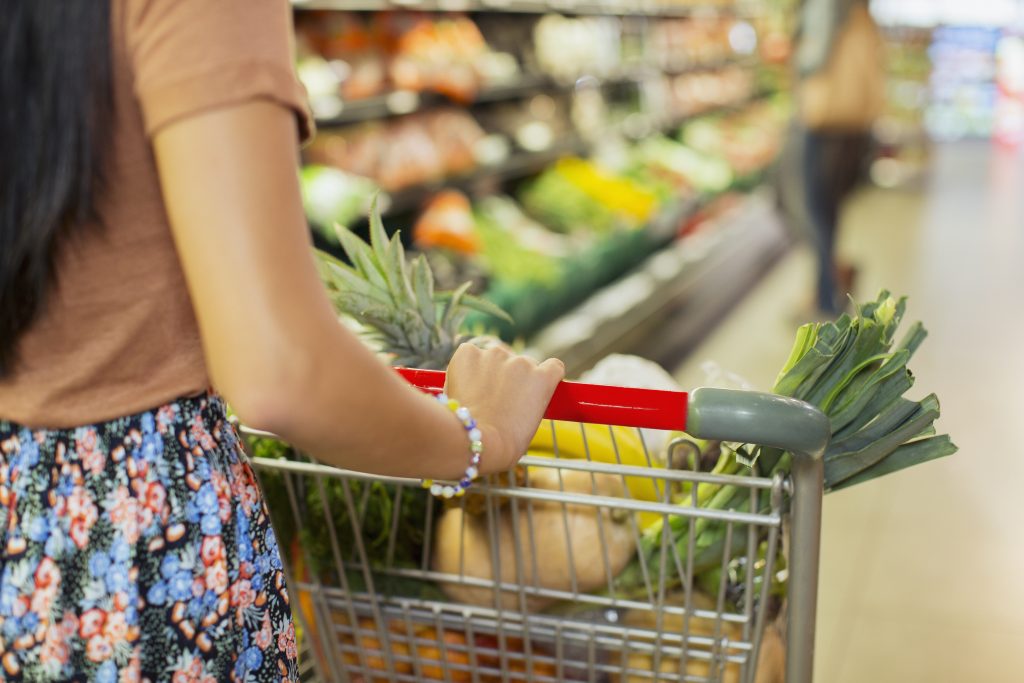
Food Decisions Can Reduce Greenhouse Emissions, Study Says
A new UConn study finds that if Americans direct their food purchases away from meats and other animal proteins, they can help reduce greenhouse gas emissions.

Federal Subsidies Promote Healthy Eating in Child Care Centers
Connecticut child care centers participating in a federal food assistance program do a better job at feeding preschoolers healthy foods than non-participating centers, according to a new study by the Rudd Center.
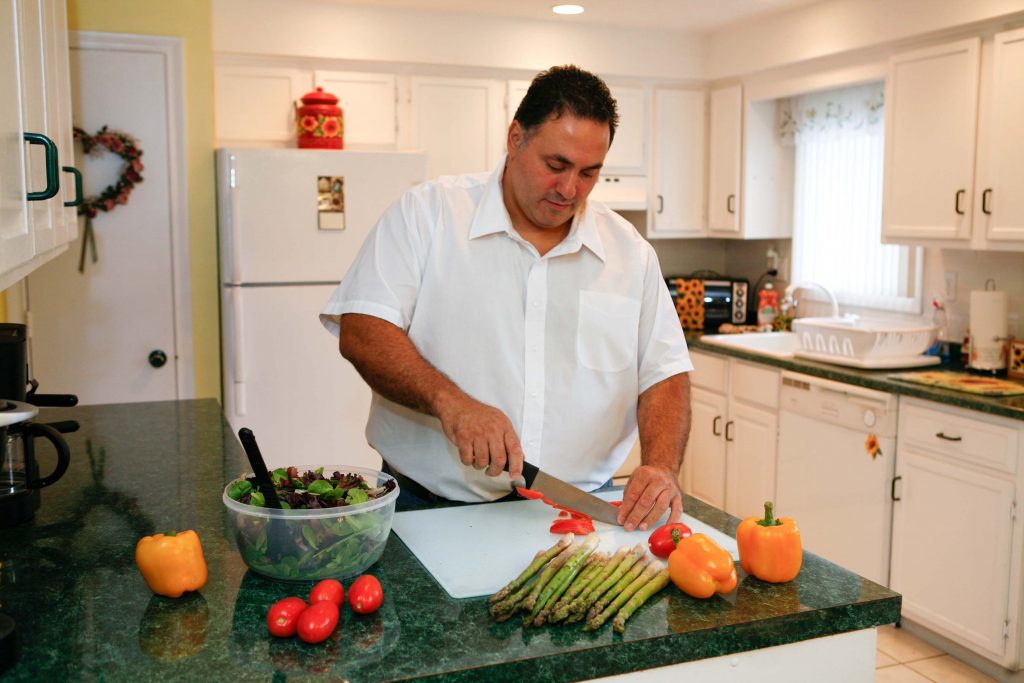
Men May Experience Weight Stigma as Much as Women
A new study by the UConn Rudd Center finds that a significant portion of adult American men report being mistreated about their weight.
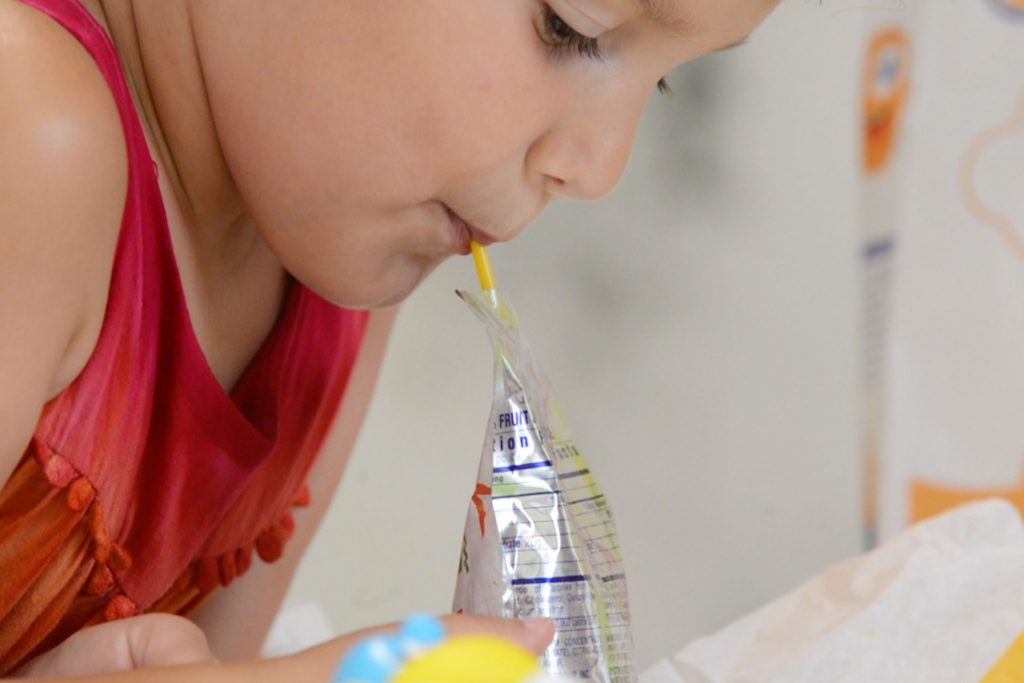
Will Holding the Cheese and Chocolate Milk on Happy Meals Make a Difference?
'There's an enormous challenge for parents to select healthy options when the environment inside fast-food restaurants makes the unhealthy options so much more appealing,' says UConn researcher Jennifer Harris.
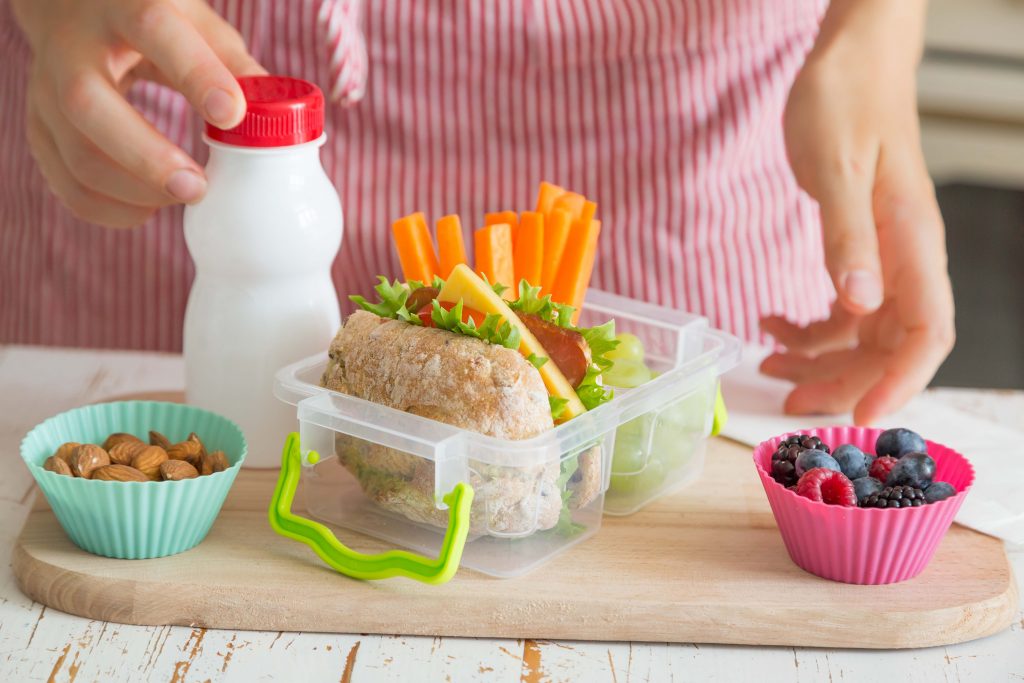
Healthy Drink Can Pack a Punch in Preschooler’s Lunch
'It is much easier than parents may think to pack a healthy lunch,' says postdoc Maria Romo-Palafox, author of a new study.