Rudd Center

Scientists Identify Weight Loss Ripple Effect
When one member of a couple commits to losing weight, chances are the person's partner will lose weight, too, a UConn study says.

Preschoolers Still See TV Food Ads Despite Companies’ Promises
Because of a loophole in the companies’ pledges, children under 6 are still exposed to TV food ads, at an age when they are particularly vulnerable to advertising.
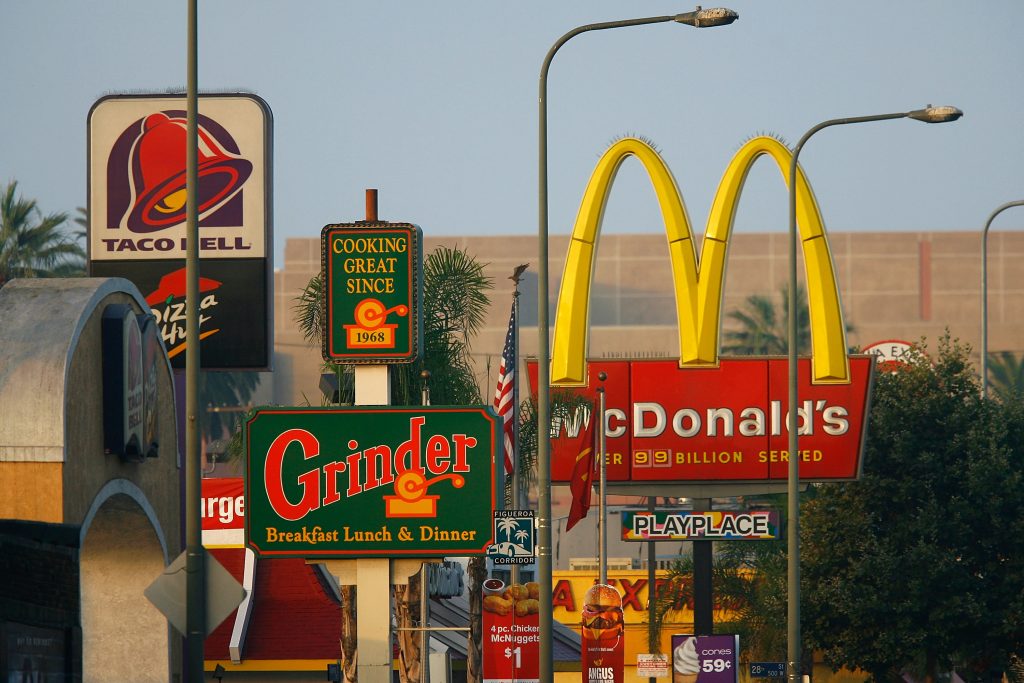
Food Swamps Predict Obesity Rates Better Than Food Deserts
A new UConn Rudd Center study found that easy access to fast- and junk-food outlets was a better predictor of high obesity rates than lack of access to affordable, nutritious food.

How People Cope with Weight Stigma Affects Their Health
A focus on positive coping strategies could help improve health for those who experience being teased or bullied because of their weight, according to new research by the UConn Rudd Center.

Despite Progress, Most Food Advertising to Kids Still Unhealthy
'Ten years after the launch of food industry self-regulation, food advertising to children remains far from the goal of supporting healthful diets.'

Many Americans Blame Themselves for Weight Stigma
A new study by the Rudd Center for Food Policy and Obesity at UConn shows that many individuals who are targets of weight bias blame themselves for the stigma they experience.
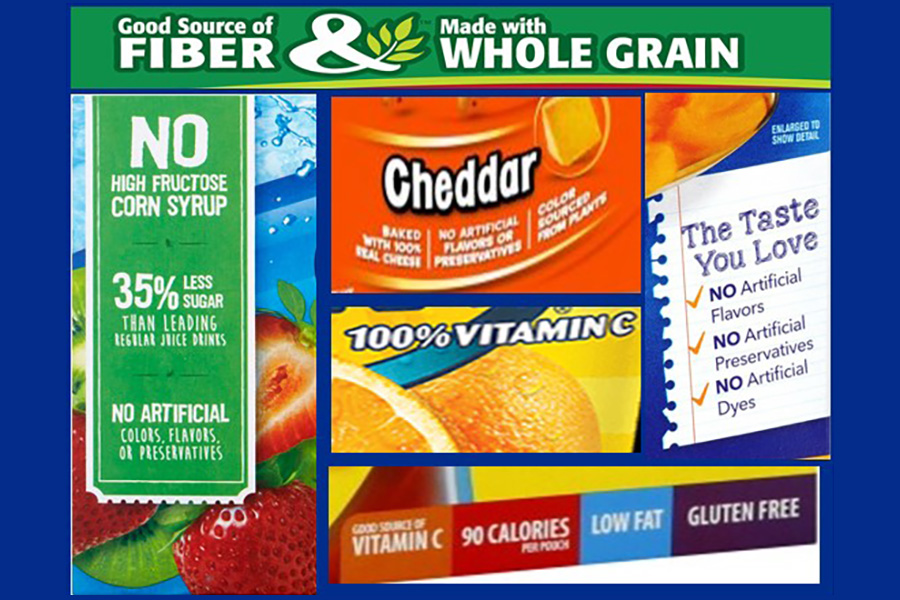
‘Health Halo’ Effects of Food Ads Can Mislead Kids
A new UConn Rudd Center study shows that healthy lifestyle messages in food ads can make unhealthy products seem healthier to children.

Fast-Food Restaurants Not Promoting Healthy Kids’ Meal Options
Breaking News: Yesterday, McDonald's announced it is making Happy Meals healthier, a move advocated by UConn's Rudd Center.

No Chocolate Milk? No Problem, Kids Get Used to Plain Milk
A UConn Rudd Center study finds that removing flavored milk from school lunch menus is an effective way to reduce children’s consumption of added sugar.
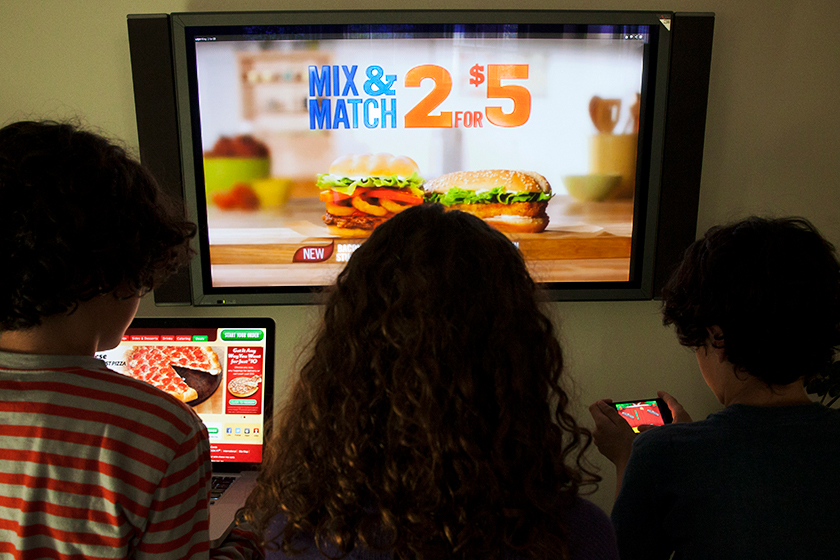
Food Advertising to Kids Still Promotes Unhealthy Foods
Although the overall number of food-related ads kids see is down, the majority of the ads still promote unhealthy foods and beverages.