Climate change
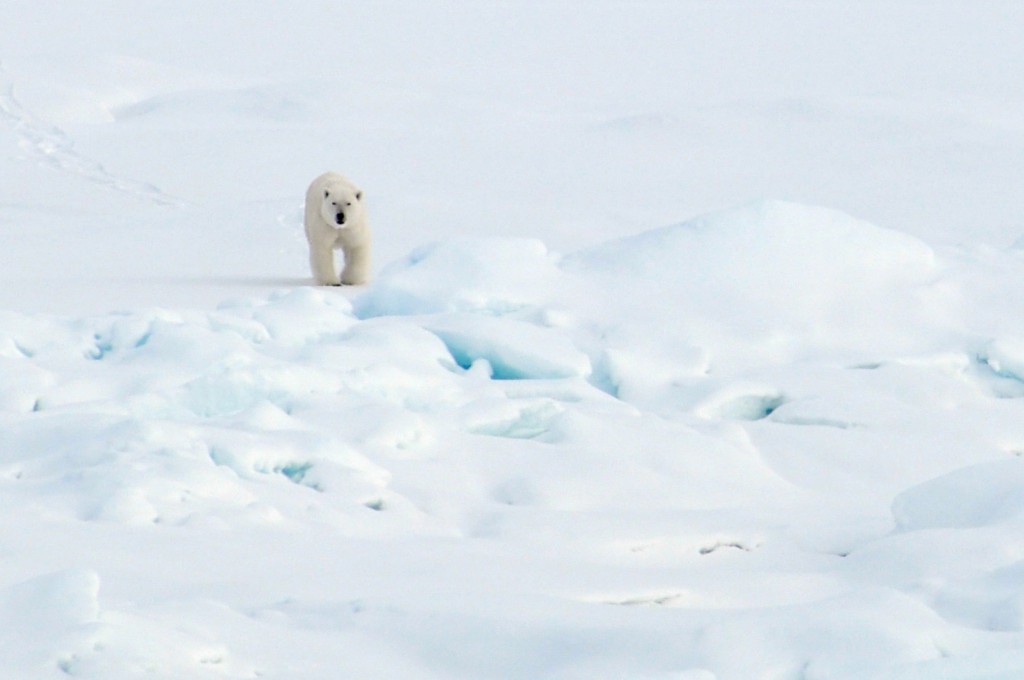
Going, Going, Gone: Toxic Change
A UConn researcher is studying how global warming has changed the diet of Arctic marine mammals, and the impact of pollution at the top of the food chain.
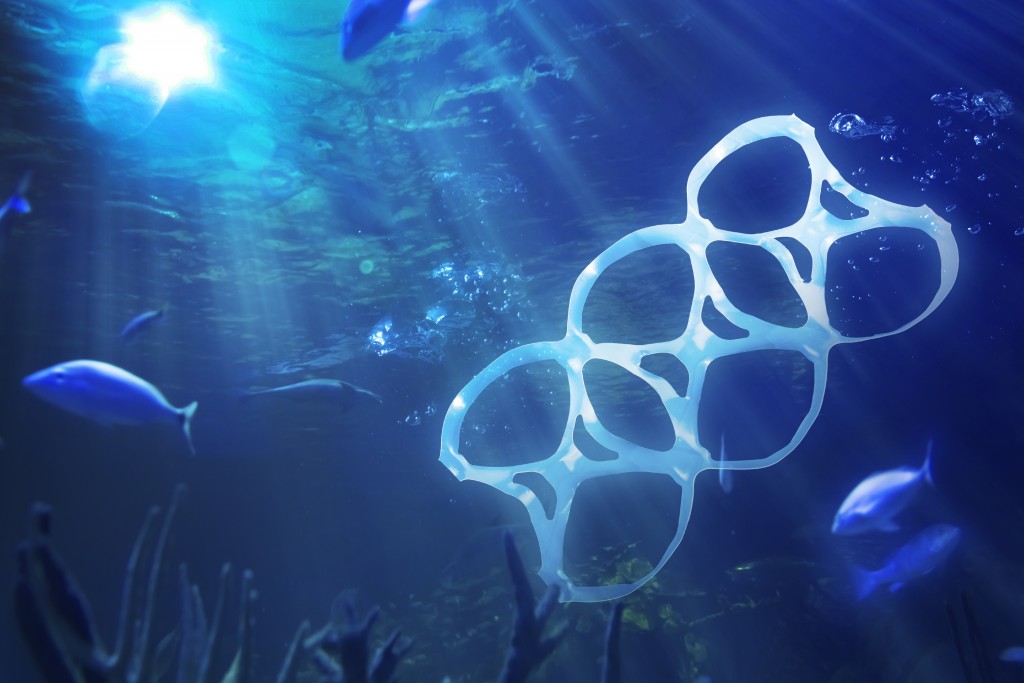
The State of the World’s Oceans
UConn marine biodiversity expert Ann Bucklin discusses the issues raised in the United Nations' recent World Ocean Assessment.
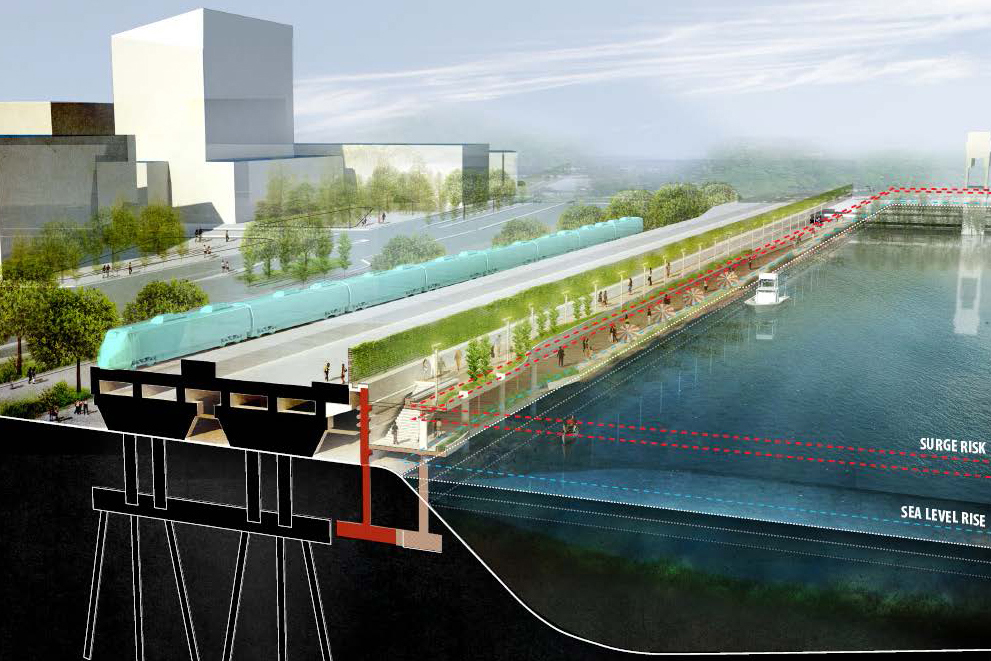
Climate Resiliency Project Wins Federal Competition
UConn researchers helped design the project, which works with the local geography to protect Bridgeport residents and infrastructure.
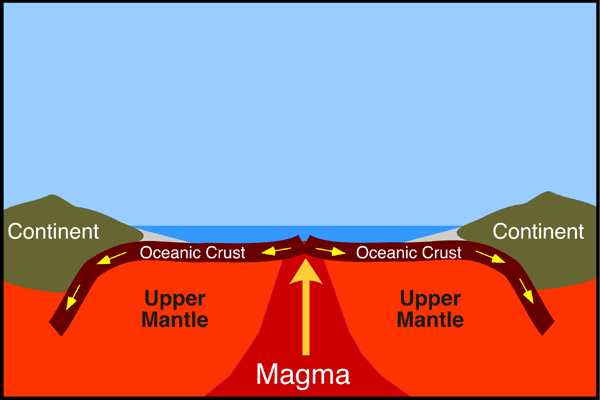
Activity on Seafloor Linked to Icy Ebb and Flow on Surface
Hydrothermal activity along mid-ocean ridges helps explain why ice ages come and go, according to a UConn marine scientist.
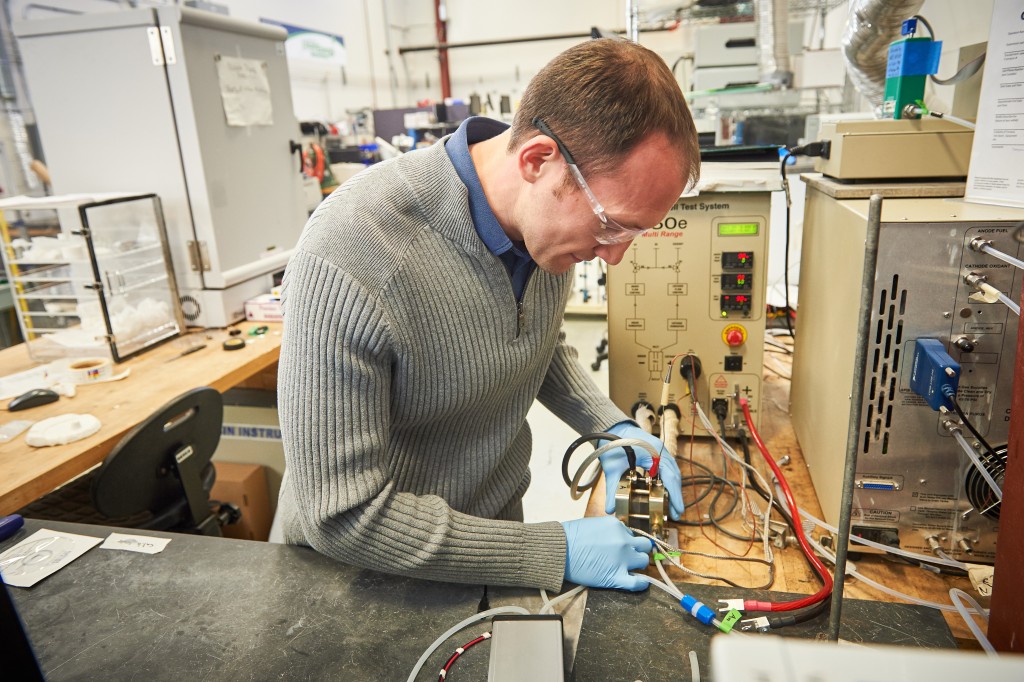
Using Advanced Chemistry to Combat Climate Change
UConn researcher William Mustain is building a new device that captures carbon dioxide from power plant exhaust using advanced materials and chemistry.
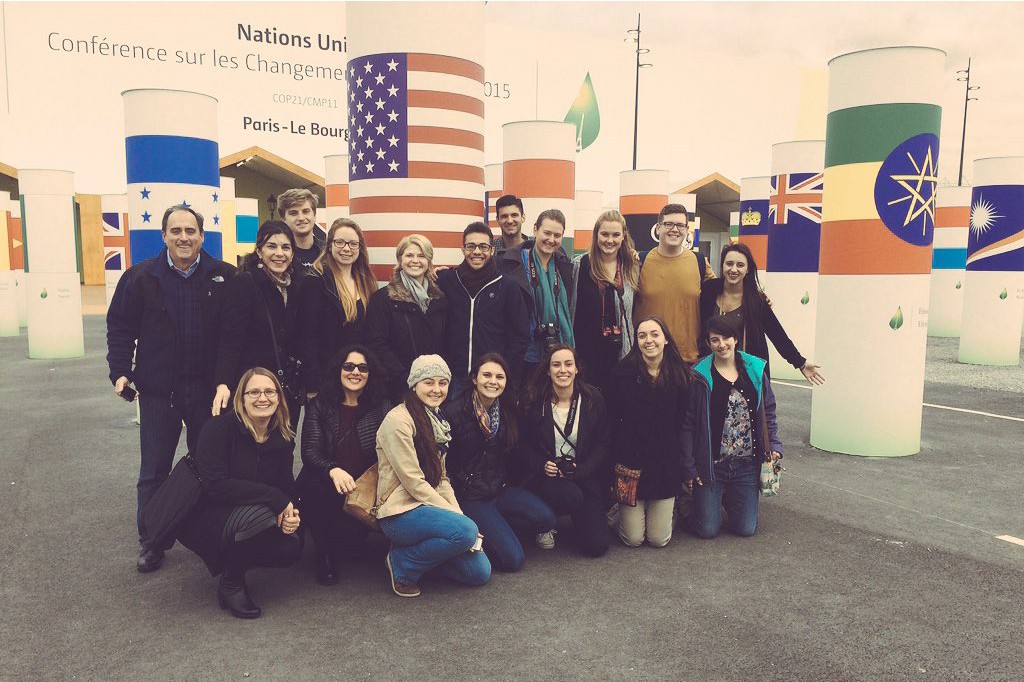
Blogging from Paris: UConn@COP21
Two UConn undergraduates reflect on the Paris climate conference, which is wrapping up its deliberations this weekend.
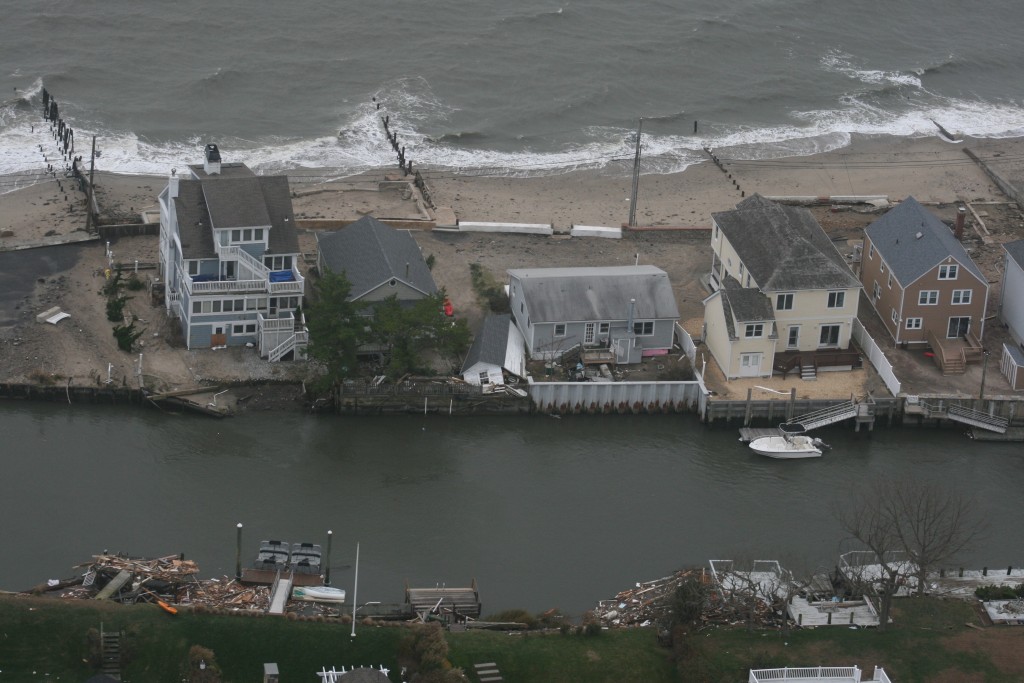
Researchers Tackling Flood Maps
Current maps used to assess flood risk are like a paint roller compared to UConn's "fine brush,"
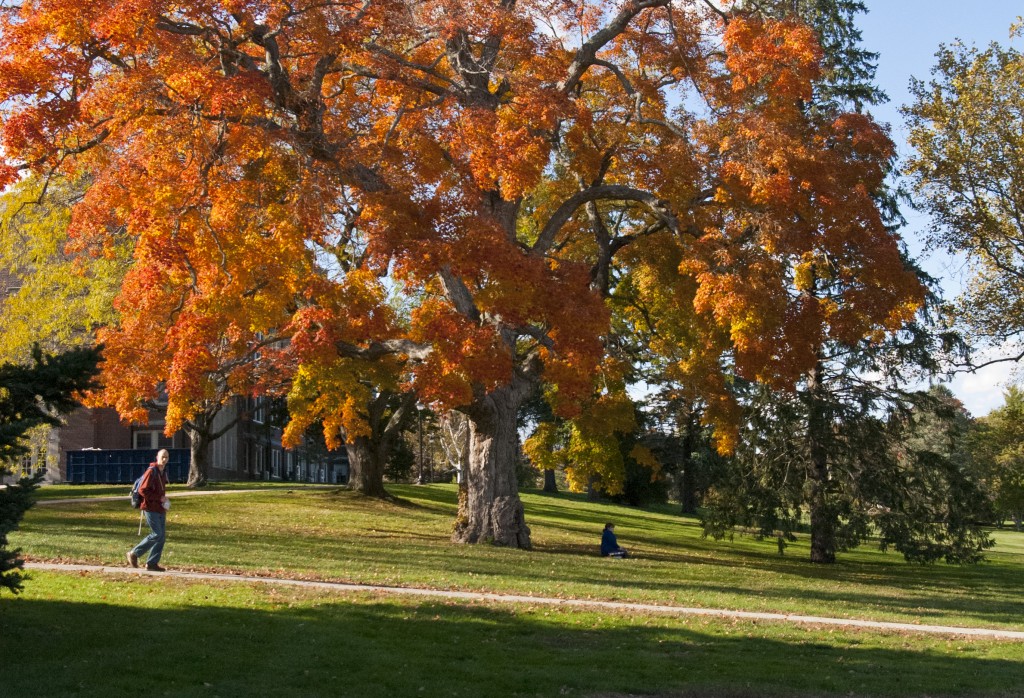
Climate Change Could Affect Fall Foliage Timing
A century from now, autumn in New England may happen earlier in some places and later in others, according to a new UConn study.
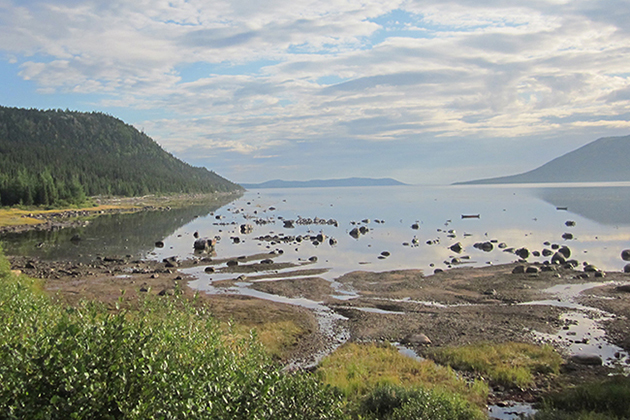
The Human Cost of ‘Clean’ Energy
UConn and Harvard researchers have shown that hydroelectric energy may be more damaging to northern ecosystems than climate change.
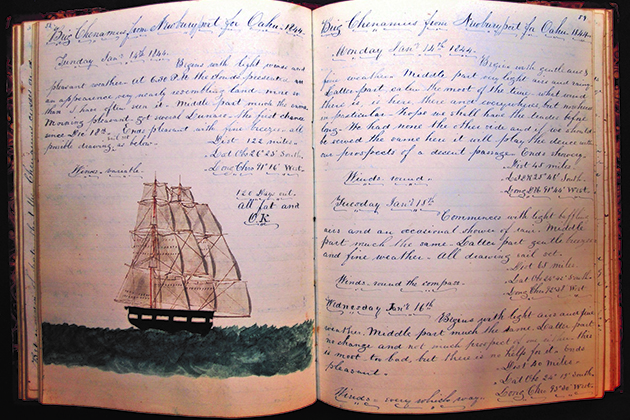
Historical Sources Offer Clues for Conservation
UConn historian Matthew McKenzie is using non-traditional sources of data to complement scientific inquiry.