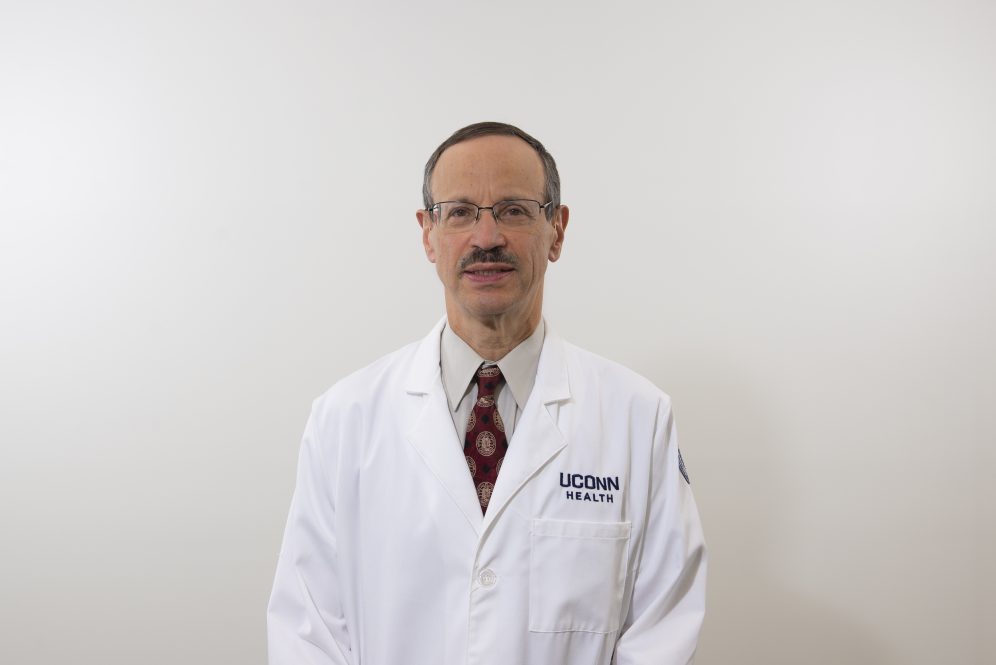
For the last 44 years Peter Schulman, MD has been a mainstay at UConn Health practicing cardiology and teaching the next generation of physicians in the UConn School of Medicine’s Department of Medicine and its Division of Cardiology.
“I love working here in cardiology and at UConn Health,” shared Schulman. “We have a great leader in CEO Dr. Andy Agwunobi, CMO Dr. Scott Allen our safety officer has been a godsend, Dean of the Medical School Dr. Bruce Liang, Cardiology Director Dr. Christopher Pickett, and UConn Medical Group COO Anne Horbatuck, and so many other leaders have enabled UConn Health to rise to the top!”
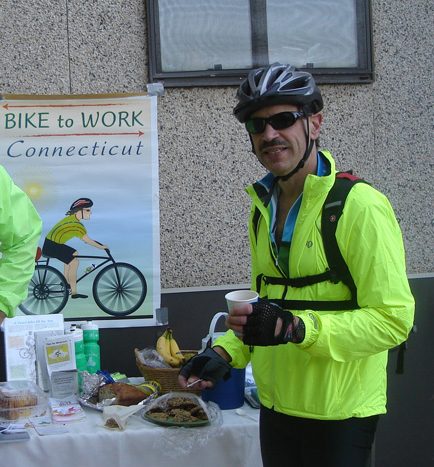
This August, Schulman will be officially retiring from UConn Health after his four plus decades of state service but still will be giving back to teach a bit here and there at the medical school he loves. That is when he is not cycling and skiing more during retirement of course.
Since arriving to UConn Health in 1982, Schulman has made outstanding contributions across the clinical, research, and educational tripartite missions of the UConn School of Medicine. Promoted to professor of medicine in 2008, he has cared for a wide range of cardiac patients at the Pat and Jim Calhoun Cardiology Center that he has seen flourish since its founding over two decades ago in 2004: “Input from the Calhouns has made a really big difference,” says Schulman about the Center’s success advancing the next generation of cardiovascular care, research, and the training of heart doctors.
“I would call it a revolution!” reflects Schulman, professor emeritus of medicine since 2024, dually on both UConn Health’s great growth and excellence, and also the advancements of the field of cardiology.
“When I started in 1982, many locals advised their friends to seek medical care in downtown Hartford for serious medical conditions. Now the tide has turned, and local residents more and more advise their friends to turn to UConn for their complete medical care,” says Schulman who compares it similarly to the revolution of cardiology he’s witnessed too.
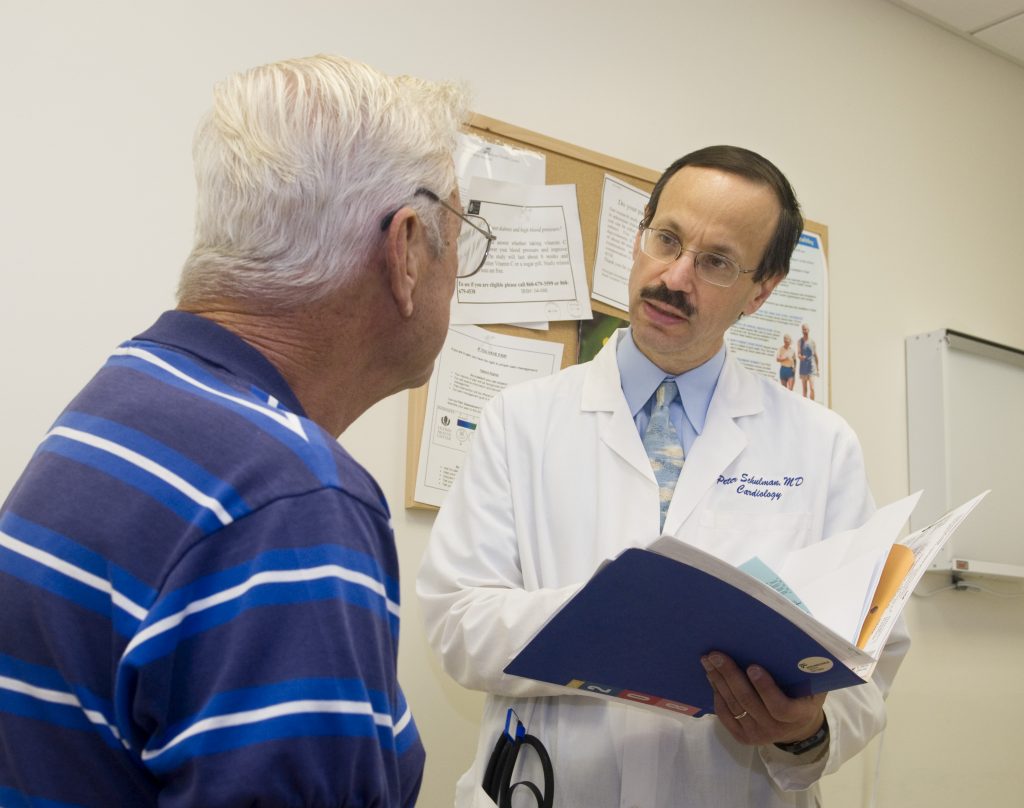
“So really, it’s major advances in heart disease prevention, heart disease treatment, and patient wellbeing that I’ve seen over the past 50 years,” says Schulman. “When I started cardiology practice more than 45 years ago, if you had a heart attack and you survived the heart attack, you would probably have your second heart attack within 5 or 10 years, almost for sure. Actually, we didn’t even have ways to reduce your risk of your first heart attack. Now, 45 years later, in 2026, we not only have ways to dramatically reduce your risk of your first heart attack, but should you be unfortunate enough to have one, we can substantially reduce your risk of a second heart attack. So, people who have a heart attack, that may be the end of it.”
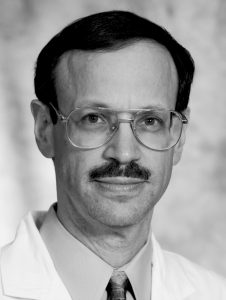
He adds, “But if we can prevent heart disease from the beginning, that would be a better way. Now we’re realizing that you can make lifestyle changes and a lot of them are very helpful, like getting more exercise, keeping an ideal weight, not smoking cigarettes, making sure your diabetes is controlled, keeping your weight controlled, diet, etc. We realize now that can be helpful. The lifestyle changes are important, but the newer medications really sort of outrun the lifestyle changes, so you should be doing both, in many cases,” Schulman says.
Schulman’s most rewarding work at UConn has been contributing to the state and nation’s future healthcare workforce production as director of UConn School of Medicine’s cardiology fellowship for over 35 years.
“It is very rewarding to see how many, well more than 150 fellows, we have trained at UConn who have thrived and have become leaders in the field of cardiology,” reflects Schulman heartwarmingly.
He has also contributed to the development of cardiology segments of UConn’s latest M-Delta innovative medical school curriculum, while serving as well as a longtime preceptor of medical students training to be future doctors in the Clinical Longitudinal Immersion in the Community (CLIC) program, a cornerstone of the UConn medical school curriculum, as well as serving as a content expert for key curriculum courses.
Schulman as an excellent educator also garnered over the years several teaching awards during his academic medical career at UConn.
In addition, Schulman has contributed over 40 peer reviewed publications and even also served as the chair of the Credentials Committee and in administrative roles in the Calhoun Cardiology Center. He graduated from Williams College and earned his MD from Tufts where he also completed his internal medicine residency training at St. Elizabeth’s Hospital at Tufts and also his cardiology fellowship at Beth Israel Hospital.
Now, as he looks back on his time at UConn and looks forward to retirement, Schulman shares his biggest hope for UConn Health and the Calhoun Cardiology Center: “I want them to continue to grow. We have all the right players and pieces in place.”
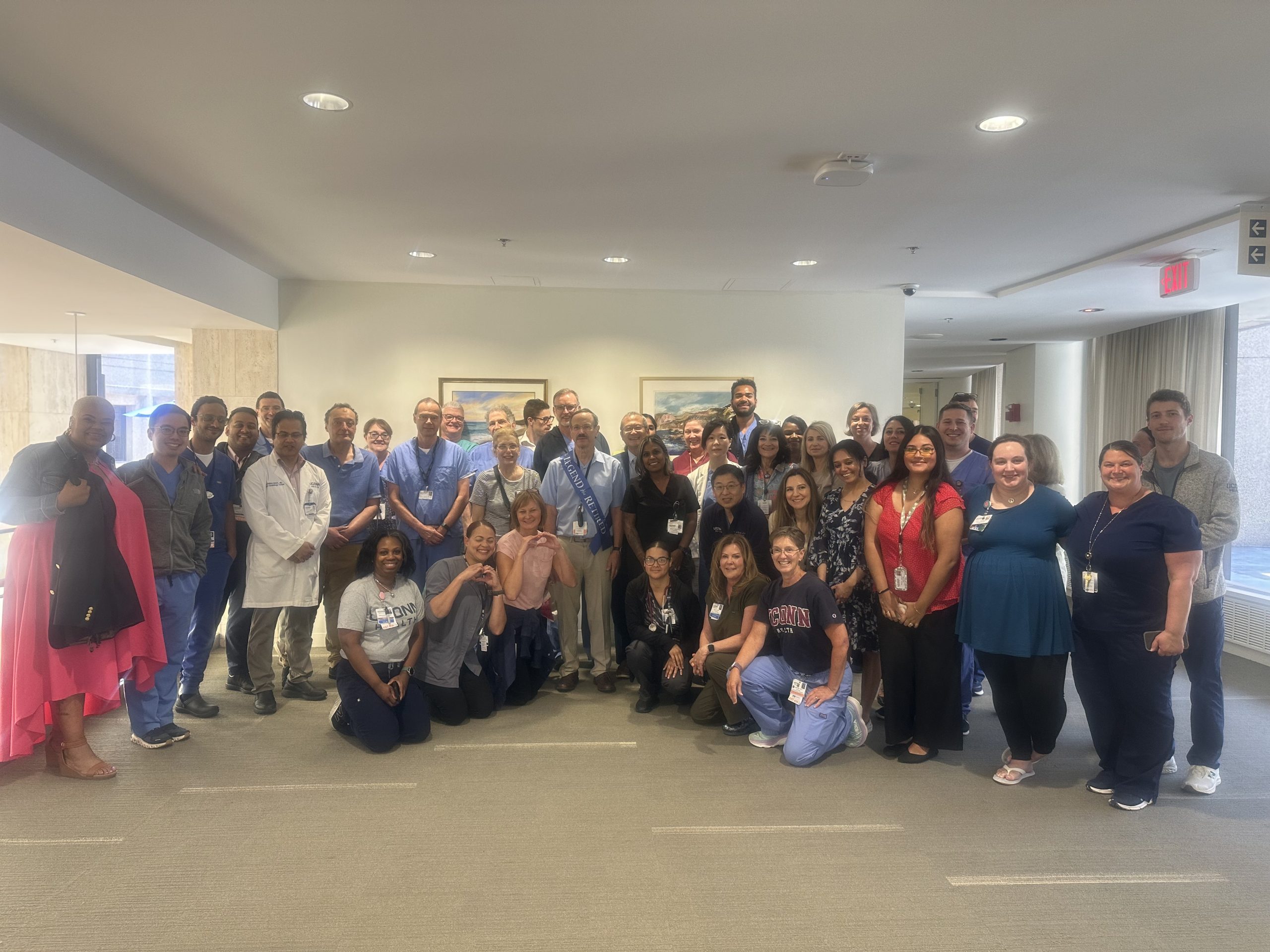
“Congratulations to Dr. Schulman on his retirement, and thank you to him for his excellence, and all his dedicated service to the Calhoun Cardiology Center, our institution, patients, and learners,” applauds Dr. Bruce T. Liang, dean of UConn School of Medicine and longtime cardiology colleague and former director of the Calhoun Cardiology Center at UConn Health.
“Dr. Schulman has been the rock upon which the Calhoun Cardiology Center was built over the last 44 years. He has been a model to several generations of cardiologists with his delivery of outstanding and compassionate care for his patients, and his dedication to the academic mission of training medical students, residents and cardiology fellows. There is simply no replacing him and we will strive to continue to fulfill the ideals of his example,” concludes colleague Dr. Christopher Pickett, director of the Calhoun Cardiology Center at UConn Health.