As demand for clinical services at UConn Health continues to grow, so does the demand for clinical experts.
Advanced practice providers, as the name implies, make up a category of clinical providers with advanced degrees and training, giving them license to do many of the tasks physicians do, such as diagnosing and prescribing. Common examples of APPs include physician assistants, nurse practitioners, and nurse anesthetists. By some estimates APPs represent 40% of the diagnosing and prescribing providers in U.S. physician practices. At UConn Health, it’s about 23%.
UConn Health employs 230 advanced practice providers, in addition to a few dozen per diem staff. Many have been in UConn Health’s hospital units and outpatient practices for years, but in some areas it’s a new concept as demand for clinical services continues to grow.
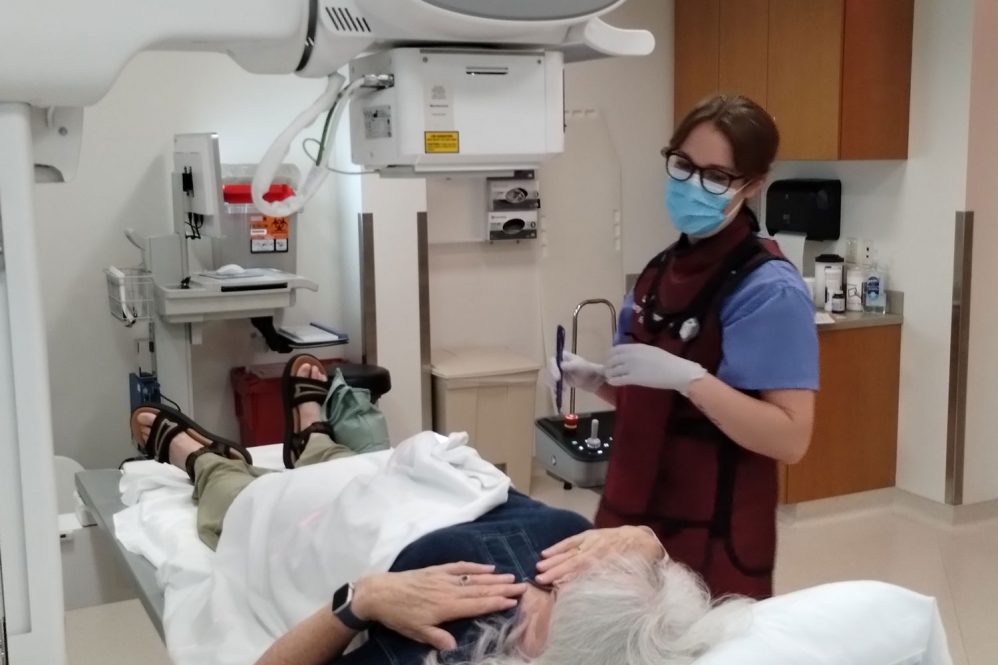
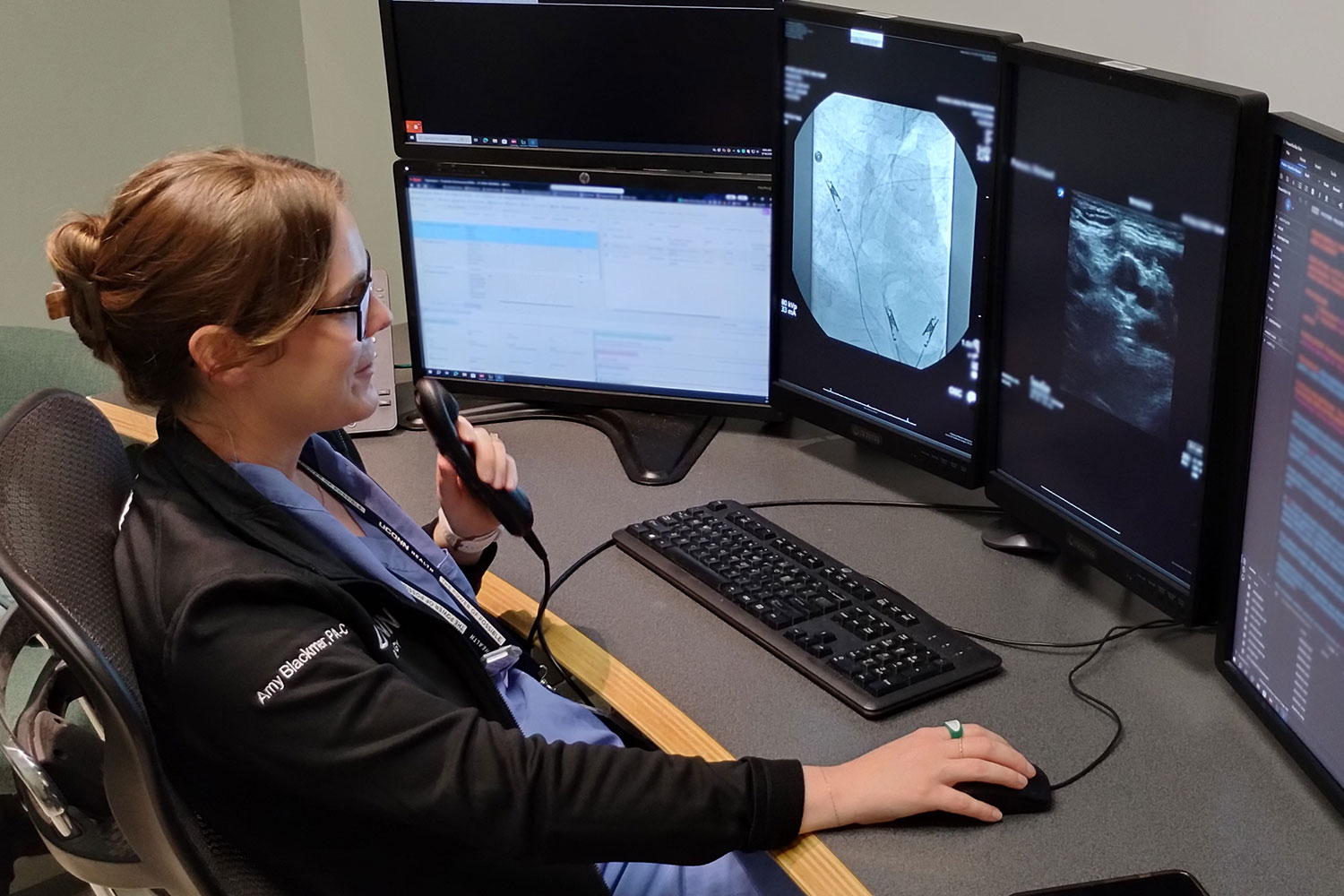
One such area is interventional radiology, where, recognizing the need for expertise in a very specialized and competitive field, UConn Health started to add advanced practice providers to the roster.
Amy Blackmer is a physician assistant who joined the practice last year and has immediately made a difference.
“My background is in emergency medicine, and I’ve always enjoyed the procedural side of it, which is what initially piqued my interest in IR,” Blackmer says. “There’s always something new to learn — a different technique, a new procedure, upcoming treatments, etc. It keeps you on your toes and encourages you to be the best clinician possible.”
Dr. Michael Baldwin, former physician assistant himself, is interim chair of UConn Health’s Department of Diagnostic Imaging and Therapeutics.
“Our hospital has identified interventional radiology as an important part in terms of getting patients through,” Baldwin says. “Our hospital is much busier, with many more complex patients. Many cases are appropriate for APPs, and when they can handle them, it frees up our interventionalists.”
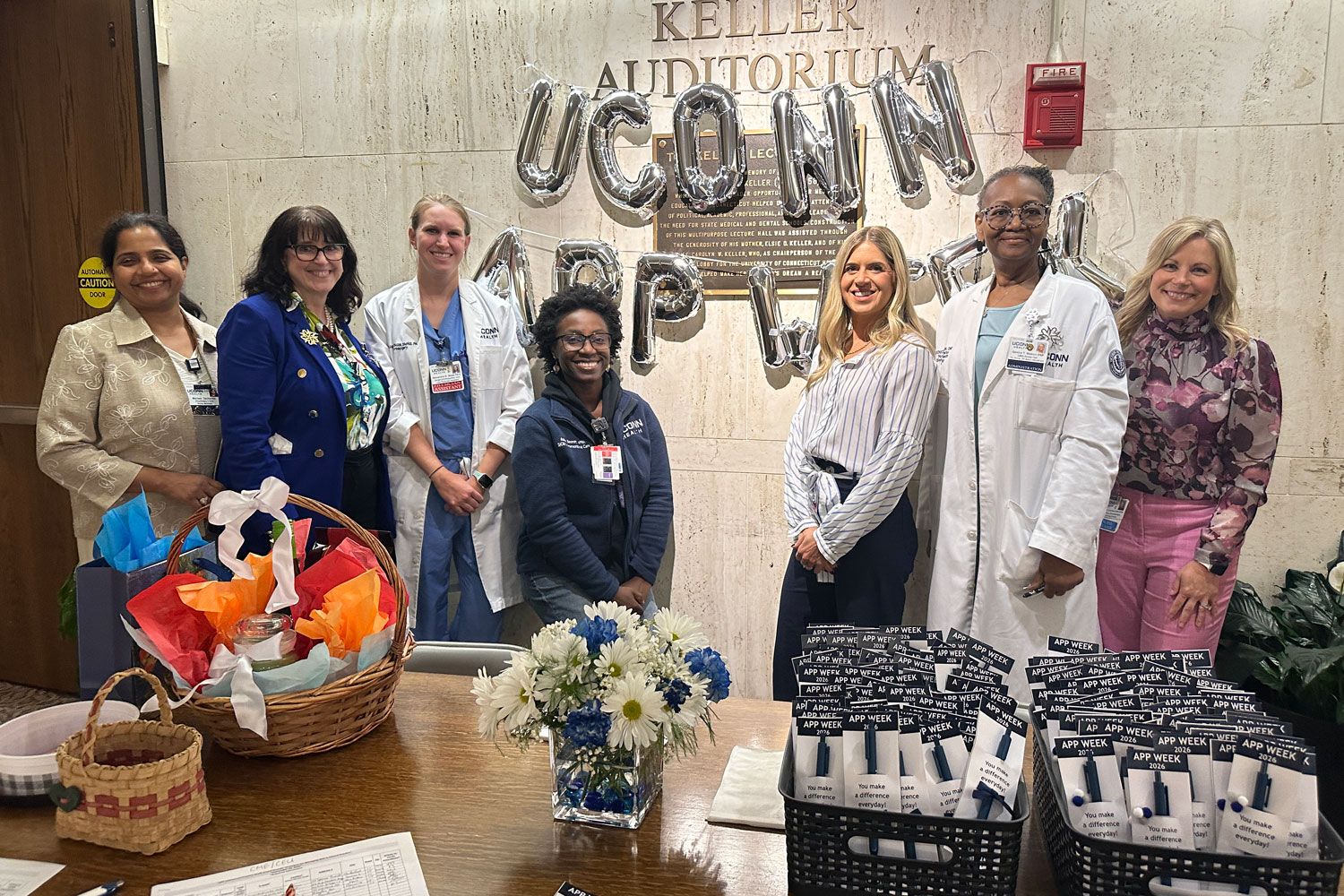
UConn Health’s interventionalists, Dr. Charan Singh, Dr. Abner Gershon, and Dr. Eric Cohen, are fellowship trained in interventional radiology.
“The radiology department here continues to grow and become busier every day,” Blackmer says. “Having an APP on the team helps to decompress the department and ensure thorough patient care.”
“Amy has really helped the department,” Baldwin says. “She came in and knocked it out of the park. She represents everything APPs put forward: she’s wonderful with patients, is a great person on the ground, does well with procedures, and she knows what she’s good at and what she needs to learn more about.”
In other areas, a longtime presence
APPs have been a fixture in many areas at UConn Health for years. Laura Granton has been a nurse practitioner for in the UConn John Dempsey Hospital Intensive Care Unit for nearly eight years.
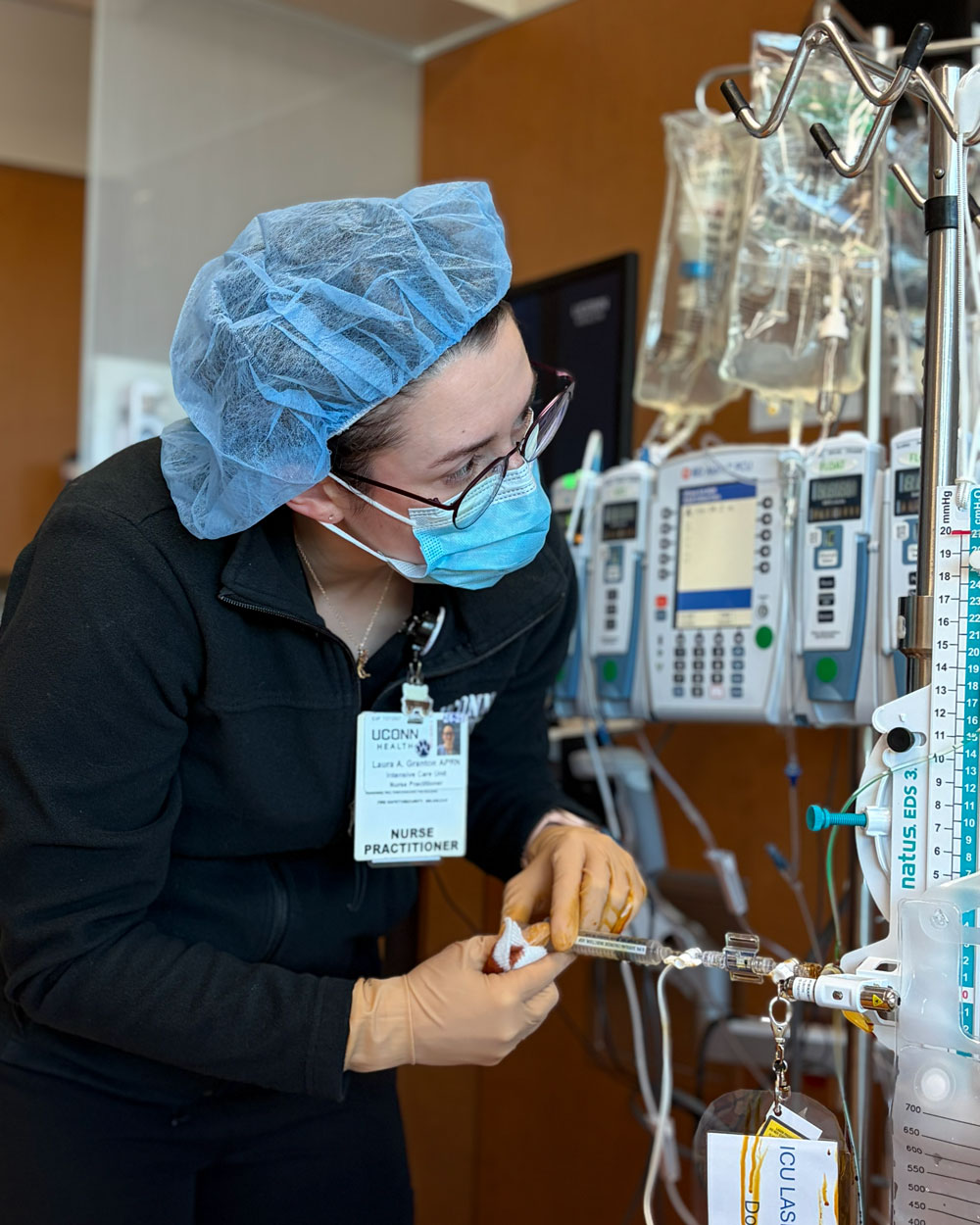
“We have a spectrum of patient cases, from being very difficult due to extensive disease process to very positive patient cases with successful graduation out of the ICU,” Granton says. “I find great reward in helping families through those challenging times by being the point person they go to for questions and updates about their loved one’s care.”
Granton arrived at UConn Health as a registered nurse in 2013.
“Working on the medical/surgical floors, I would see our APP ICU group come to rapid responses/codes and was so impressed with the knowledge and professionalism the APPs had,” she recalls. “I was always very curious about disease processes and wanted to know the ‘why’ behind the things the medical teams ordered. I very quickly decided I would want to look into UConn’s acute care nurse practitioner program.”
UConn’s Elisabeth DeLuca School of Nursing has several master’s programs, such as tracks for family practice, primary care, psychiatry, and, as Granton did, acute care, which the nursing school introduced in 1993.
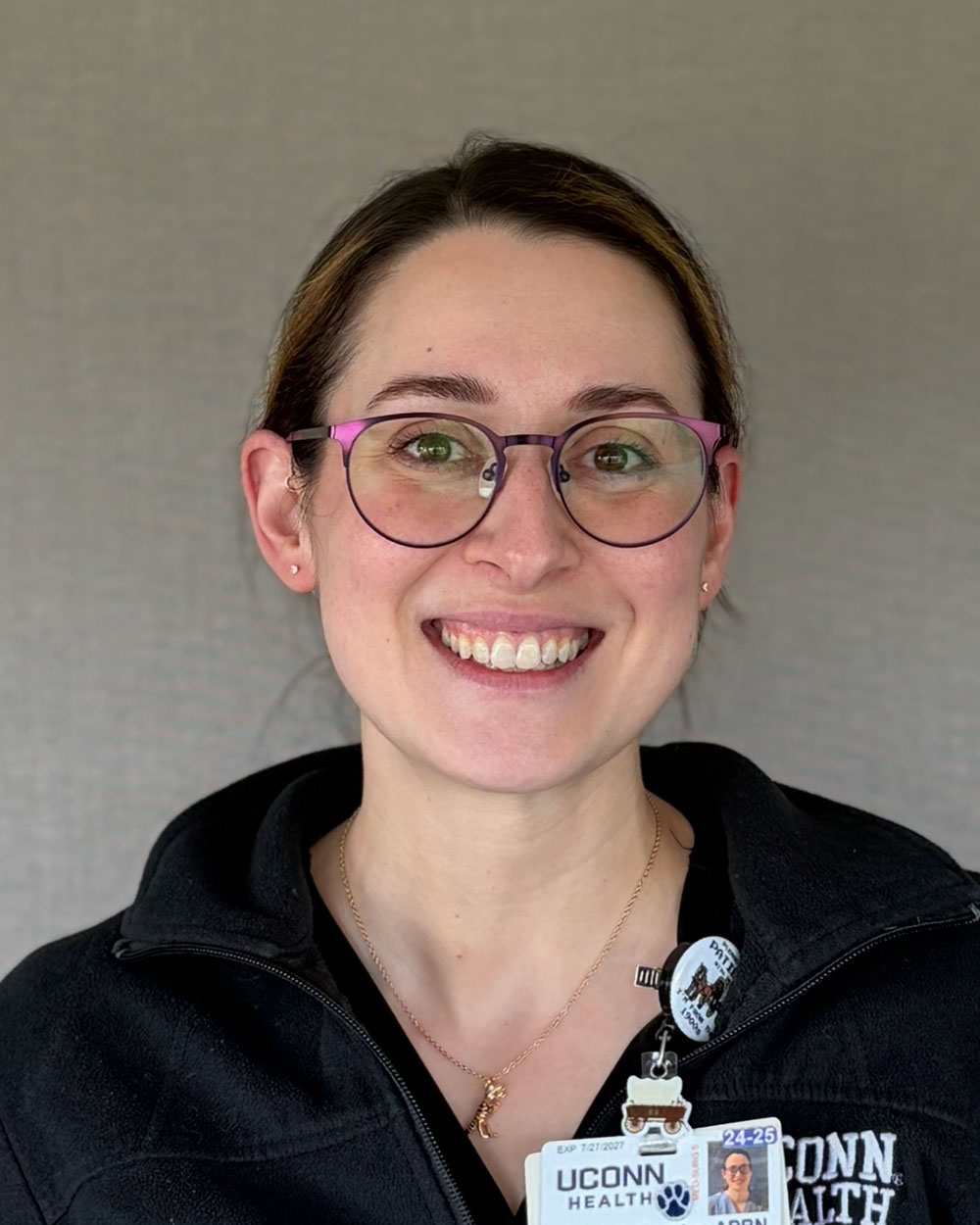
“It made me comfortable in the ICU setting and I quickly developed a great understanding of the demands ICU nurses have on a day-to-day basis,” Granton says.
Rosemary Swanke is a critical care nurse practitioner and program director for advanced practice staff, and also was part of the first group to graduate from the acute care nurse practitioner program three decades ago.
“Over the years, many of our current APPs started here as nurses or worked in other areas and went on to get their degrees as APPs,” Swanke says. “We have APRNs, CRNAs and PAs who worked at UConn before advancing their professional careers. All amazing providers!”
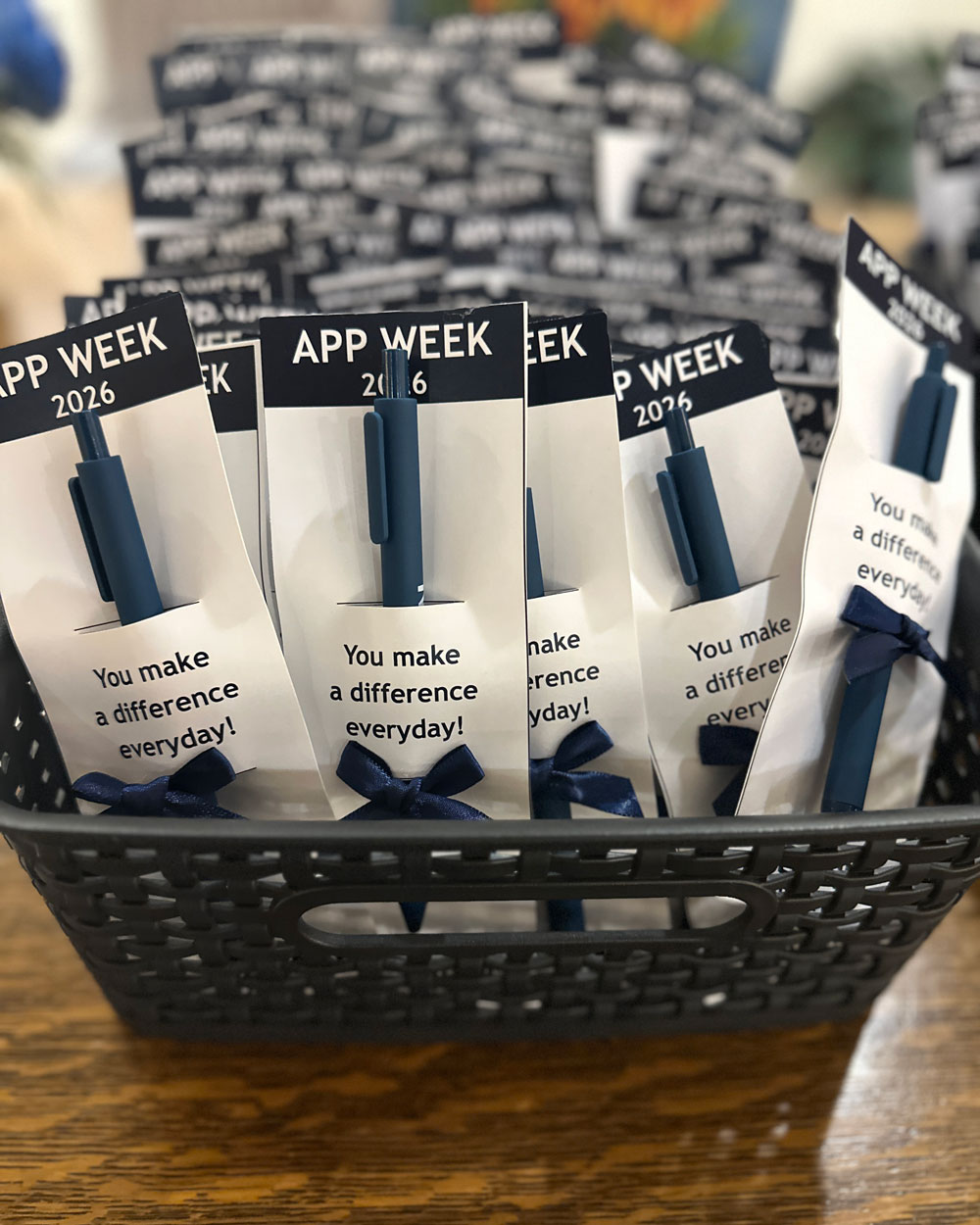
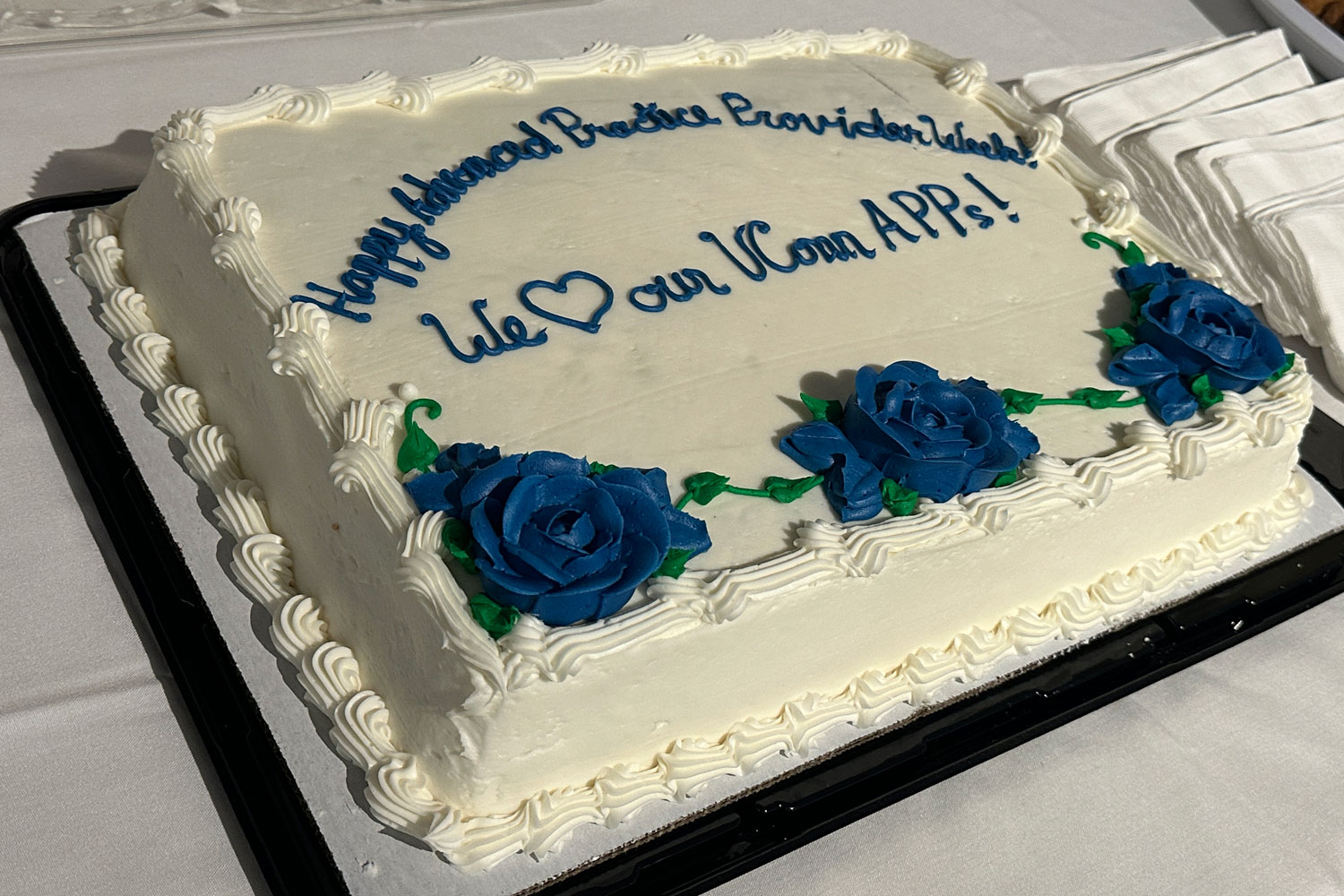
The week of Sept. 20 is National Advanced Practice Provider Week.
Expanded access to care
In interventional radiology, Baldwin says Blackmer has worked out so well that another PA is joining IR in the coming months.
“Most days we’ll have two PAs and at least one interventional radiologist on, and that will help with the workflow, getting patients in and through the hospital,” Baldwin says. “If you don’t have people doing procedures, people sit and wait in their beds.”
Blackmer says APPs allow for expanded medical access in the community, and in that way are essential parts of any healthcare team.
Granton agrees.
“The support for the APPs comes from the mutual respect that all of our healthcare colleagues have for one another,” Granton says. “No matter what role we hold, we are all key players in a patient’s care. Having open communication and understanding of one another is imperative to ensure the best experience for our patients.”
| Primary Assignment |
Nurse Practitioners |
Physician Assistants |
Nurse Anesthetists |
| UConn John Dempsey Hospital |
87 |
70 |
12 |
| UConn Medical Group |
48 |
11 |
0 |
| UConn School of Medicine |
2 |
0 |
0 |
| Total |
137 |
81 |
12 |
“All of the APPs at UConn Health bring a unique set of skills and experience based on different educational paths; but are all working together to provide the best care for our patients,” Swanke says. “They are the glue that holds us together! Always striving to be the best!”
“I think the best analogy for an APRN is a provider with the pathophysiologic knowledge of disease process with the added benefit of bedside skills,” Granton says. “We have the unique experience of submersing ourselves in patient care before and during our education toward our APRN. This strengthens our knowledge base and ability to care for our patients.”
Blackmer says the reward of being a PA is as basic as helping others.
“Whether it’s performing a joint injection and seeing the patient’s face when they have pain relief, or taking the extra minute to explain what I’m seeing or doing during a study to ensure we’re all on the same page,” Blackmer says. “Chatting during a case to keep people distracted and getting to know the patient a little more is a bonus.”