The Graduate School

More Data, Lower Cost – DIY Electronics Tackle Global Change
UConn researchers developed low-cost environmental sensor units to facilitate the collection of fine-scale data. Now they're making them available to others.
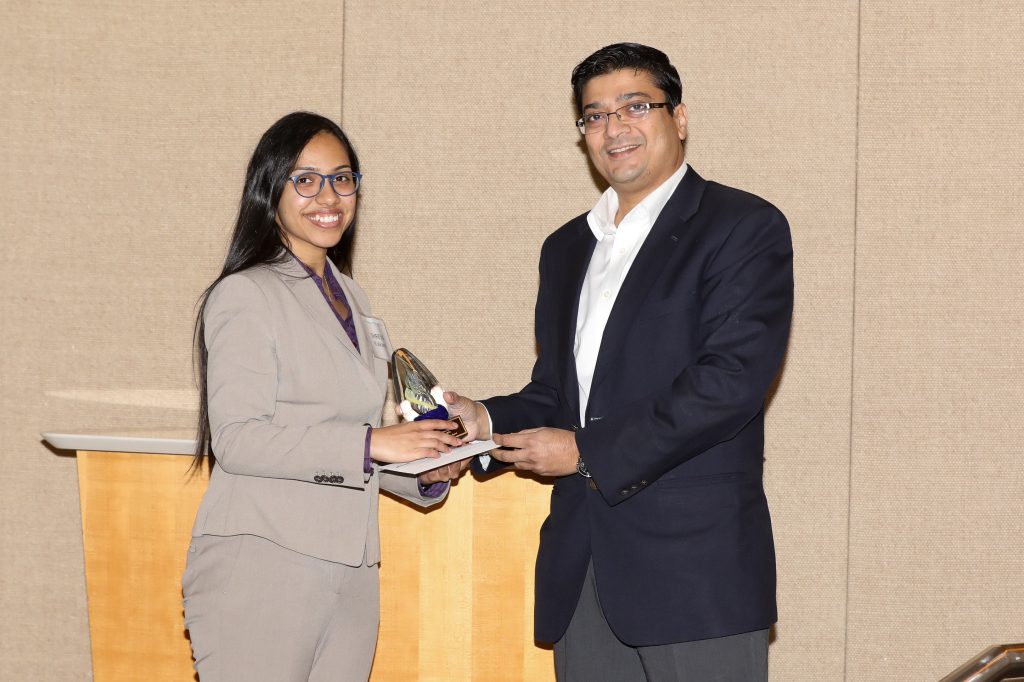
Shreya Kulkarni, Ph.D. candidate, awarded Baxter Young Investigator Award
Shreya Kulkarni, a multi award winning* Ph.D. candidate in the School of Pharmacy’s Department of Pharmaceutical Sciences, recently received Baxter Pharmaceutical’s Young Investigator Award in Deerfield, Illinois at Baxter International’s headquarters. Kulkarni presented her research Factors Governing the Reconstitution Time of Highly Concentrated Lypophilized Protein Formulations at the awards presentation, accompanied by her advisor Robin Bogner, Professor, […]

Op-ed: Mexico Wants Internet for All. That Could Reduce Poverty
The roughly 50 million people who remain offline are also generally the country’s poorest residents, writes Jack J. Barry of UConn political science.

At School Lunch, Healthier Options are Overlooked When Juice is Available
Milk, fruit, and water sales decline when a less healthy option – juice – is served through the National School Lunch program, says a new UConn Rudd Center study.

Moving the Motivation Meter
UConn researchers led by behavioral neuroscientist John Salamone have found that two experimental drugs boost motivation in rats, pointing the way to potential treatments.
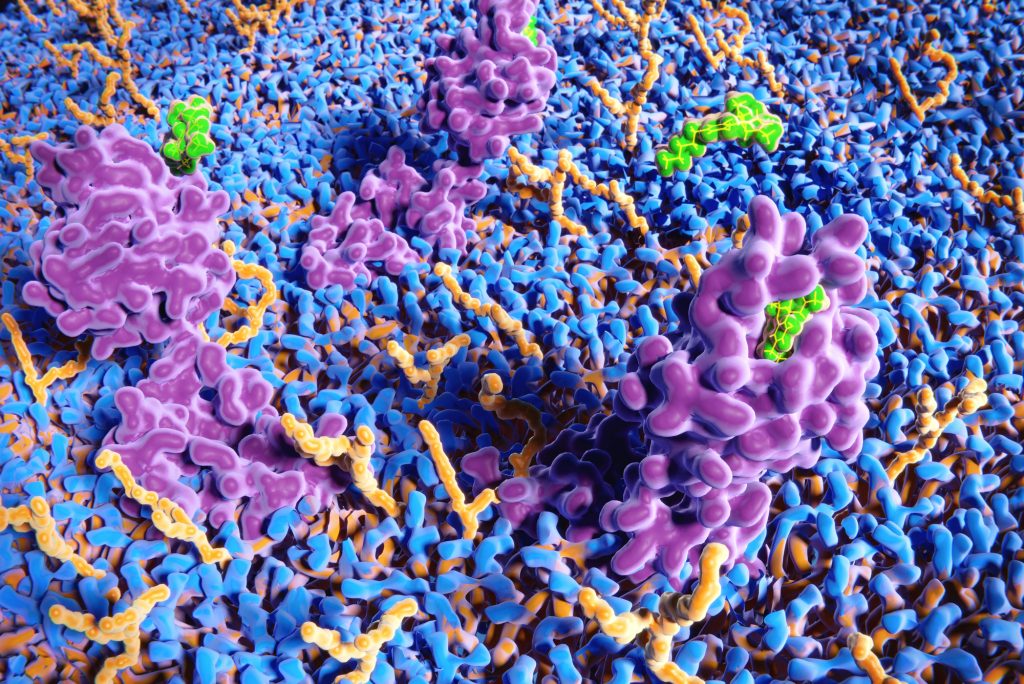
The Blitz of Neuroscience
UConn neuroscience researchers from across departments and campuses came together this week for a "datablitz," where several graduate students presented fast-moving summaries of their research to a live audience.

A Copper Bullet for Tuberculosis
In a new study, UConn chemists report a new antibiotic that can find and kill tuberculosis bacteria where they hide.

Male Fertility Test Developers Win Venture Competition
Through the Wolff New Venture Competition, a pair of biomedical engineering doctoral candidates won $20,000 to further develop an in-home device to measure male fertility.
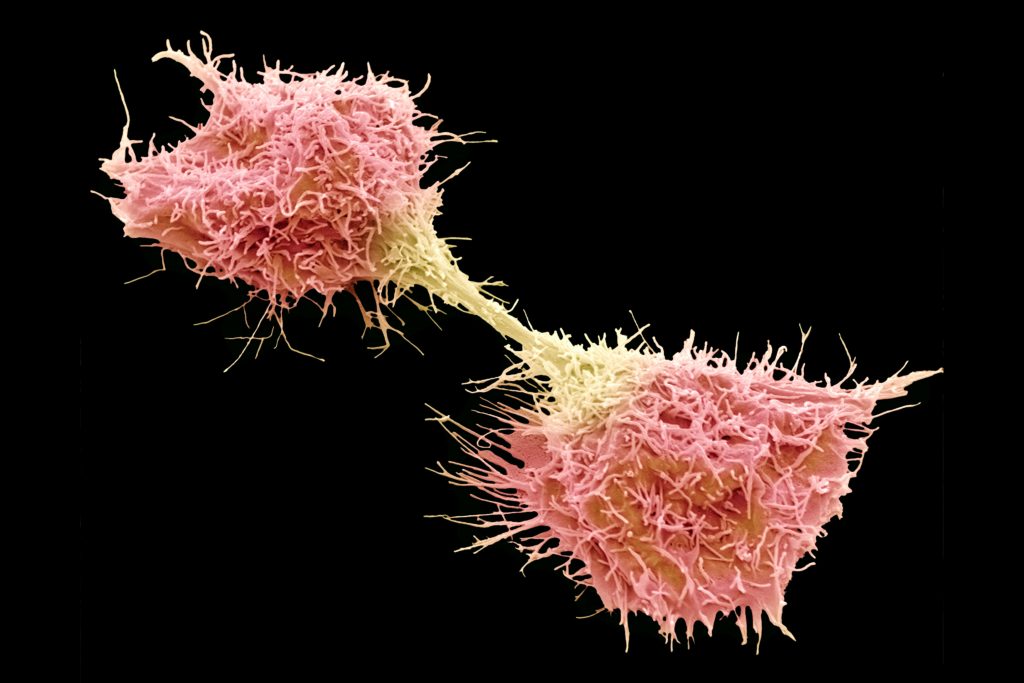
Stopping the Resistance of Cancer Cells to Treatment
UConn researchers have discovered molecules that could make cancer cells more vulnerable to chemotherapy.

When More Bone-making Cells Equal Less Bone
Researchers at UConn Health have shown how a mutated gene causes excess bone resorption in a rare bone disease known as Lehman Syndrome.