The Graduate School
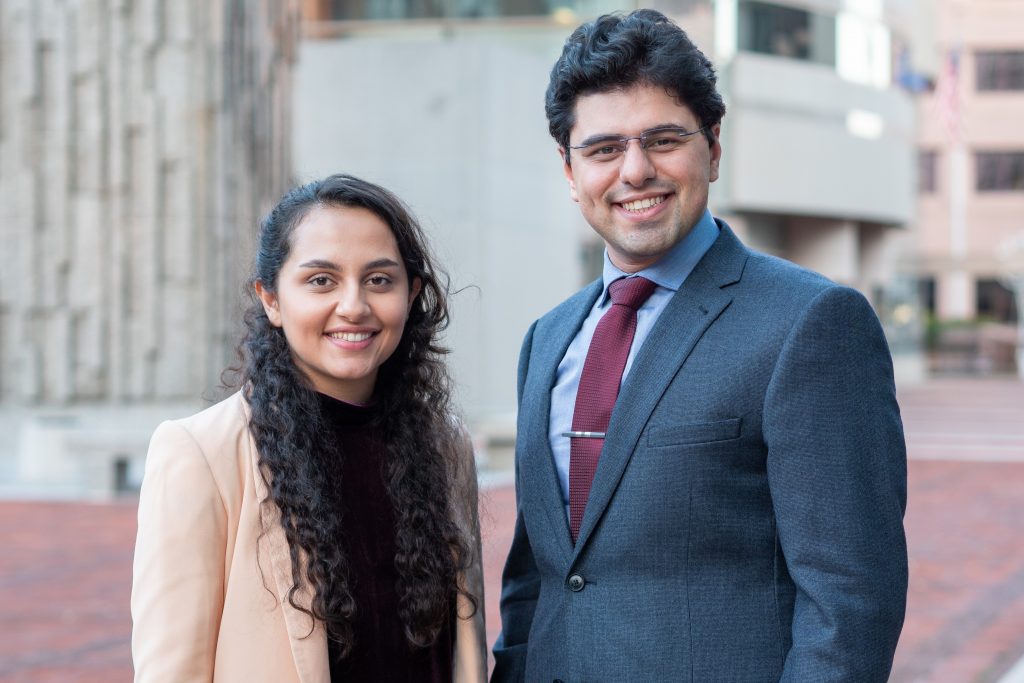
New Technology Designed to Reduce Mortality Rates in Cancer Patients
A pair of Ph.D. students developed a technology that takes a patient’s tumor cells and grows them outside of the body to test different cancer treatments.

Logic, a Common Thread at UConn
UConn has launched a new professional graduate certificate in logic, in which students from various disciplines hone the vital skills of logically and systematically analyzing information.

First Steps: UConn Partners on Child Care Fellowship
A new private-public fellowship program is intended to make it easier for new UConn parents to return to research.
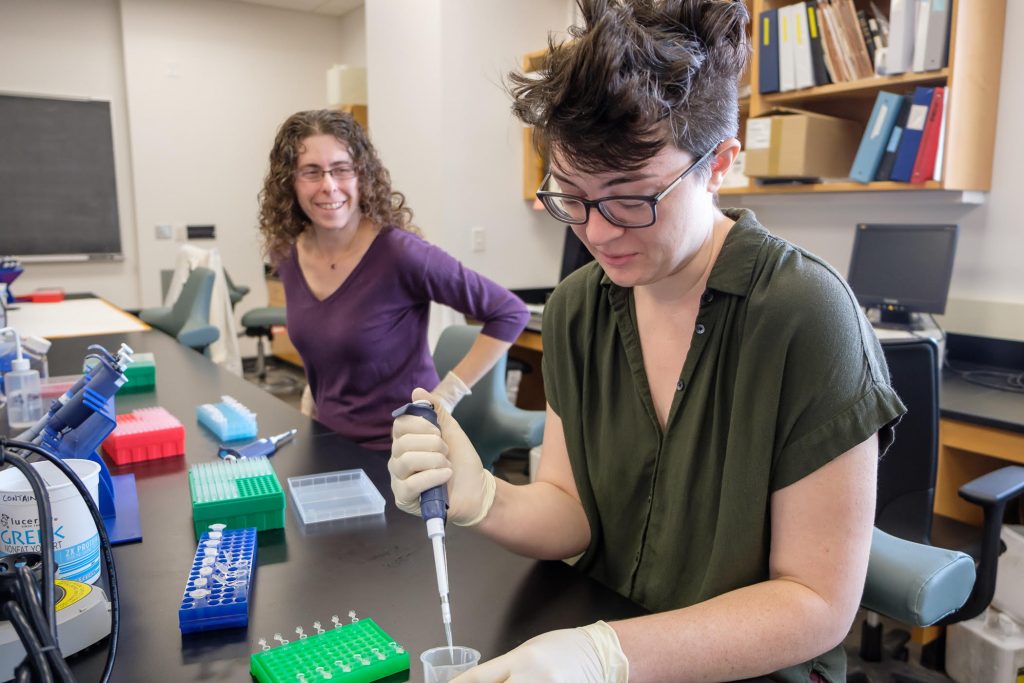
Science is Better When it’s Diverse
A group of anthropologists document how bringing diverse perspectives purposefully into scientific inquiry goes far beyond increasing representation in the laboratory: diversity transforms the very practice of science.

Exploring Hypothalamic Circuits, One Neuron at a Time
A new study by UConn and JAX Genomic Medicine provides important clues for understanding certain neural circuits in the brain and the potential for the development of targeted neuropsychiatric therapies.

The Birds Who Seek Out Goldilocks Fires
Black-backed woodpeckers prefer forests that are burned just right – not too hot, not too cold. But as wildfires become more intense, megafires are not creating a sufficient diversity of habitats.

A Microscope as a Shovel? UConn Researchers Dig It
Using a familiar tool in a way it was never intended to be used opens up a whole new method to explore materials, report UConn researchers in a recent study.

More Data, Lower Cost – DIY Electronics Tackle Global Change
UConn researchers developed low-cost environmental sensor units to facilitate the collection of fine-scale data. Now they're making them available to others.
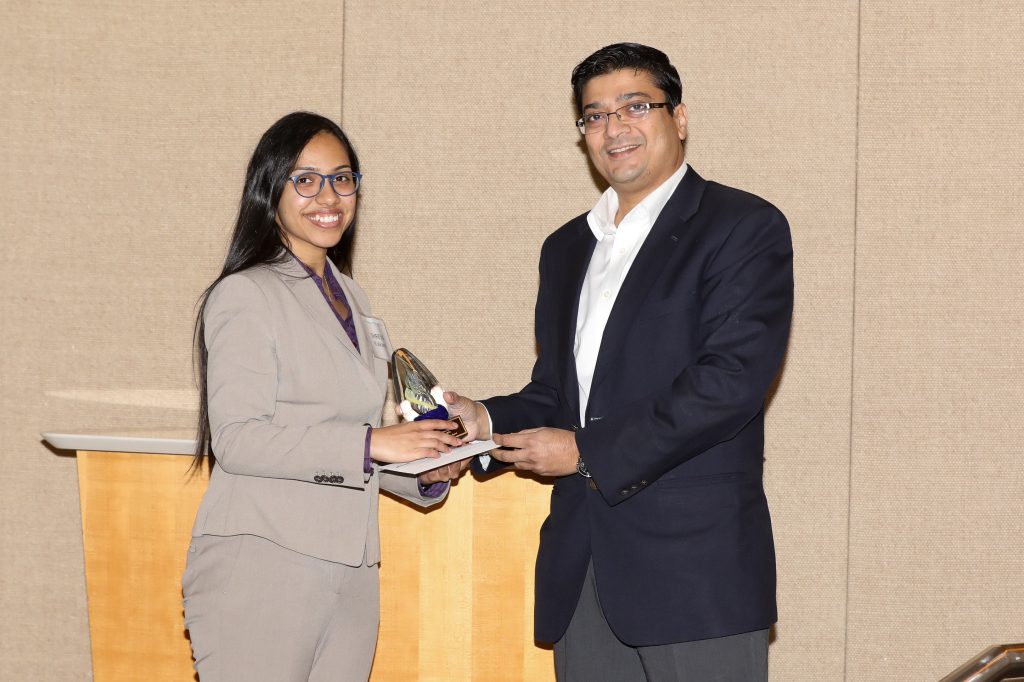
Shreya Kulkarni, Ph.D. candidate, awarded Baxter Young Investigator Award
Shreya Kulkarni, a multi award winning* Ph.D. candidate in the School of Pharmacy’s Department of Pharmaceutical Sciences, recently received Baxter Pharmaceutical’s Young Investigator Award in Deerfield, Illinois at Baxter International’s headquarters. Kulkarni presented her research Factors Governing the Reconstitution Time of Highly Concentrated Lypophilized Protein Formulations at the awards presentation, accompanied by her advisor Robin Bogner, Professor, […]

Op-ed: Mexico Wants Internet for All. That Could Reduce Poverty
The roughly 50 million people who remain offline are also generally the country’s poorest residents, writes Jack J. Barry of UConn political science.