Research & Discovery
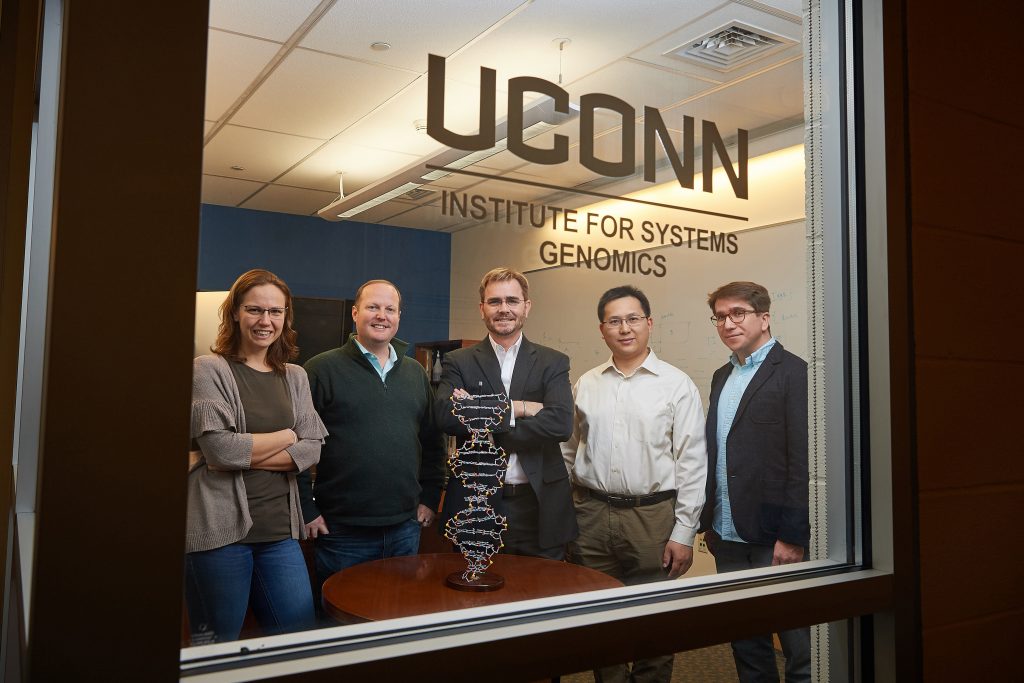
MIRA Awards Reflect Innovation of UConn Scientists
Five UConn Health researchers have won a new type of NIH grant designed to foster innovation and risk-taking in basic medical research.

Number of Genetic Markers Linked to Lifespan Triples
A new study by UConn researchers and others increases the number of genetic variants linked to lifespan to 25. These markers offer potentially modifiable targets to reduce the risk of an early death and improve health.

Blood Pressure Begins to Decline 14 Years Before Death, Study Says
Previous studies reported falls in blood pressure late in life, but the study by UConn and University of Exeter is the first on individual trajectories before death.
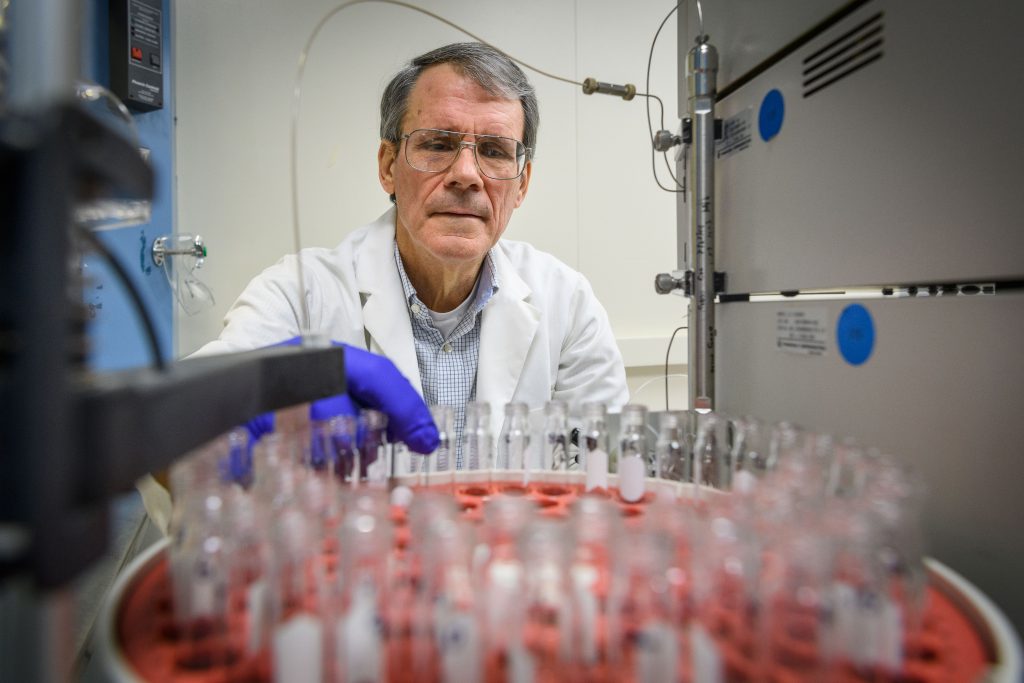
Bacterial Fats, Not Dietary Ones, May Deserve Blame for Heart Disease
A new study by UConn scientists suggests that the fatty molecules linked to heart disease may come not only from what you eat, but from the bacteria in your mouth. The research may explain why gum disease is associated with heart trouble.

Booze and Pot in Teen Years Lessen Life Success
Young adults dependent on marijuana and alcohol are less likely to achieve adult life goals, according to new research by UConn Health scientists.
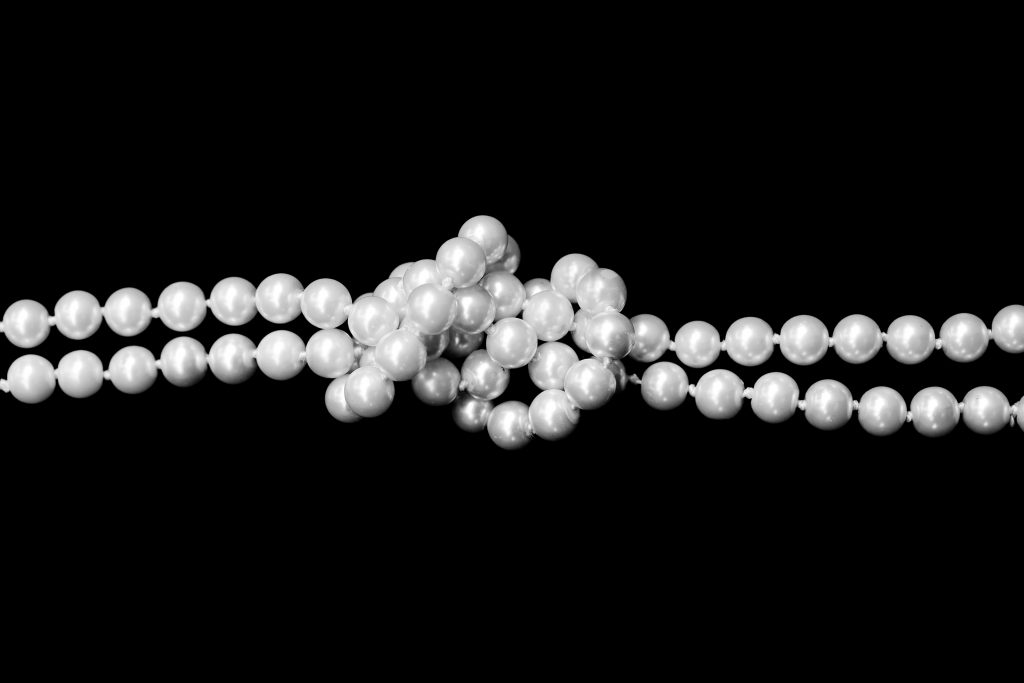
Aged DNA May Activate Genes Differently
New UConn Health/JAX GM research shows that as we age, some sections of our chromosomes curl and close up, making it harder for cells to access genes critical to defending against disease.
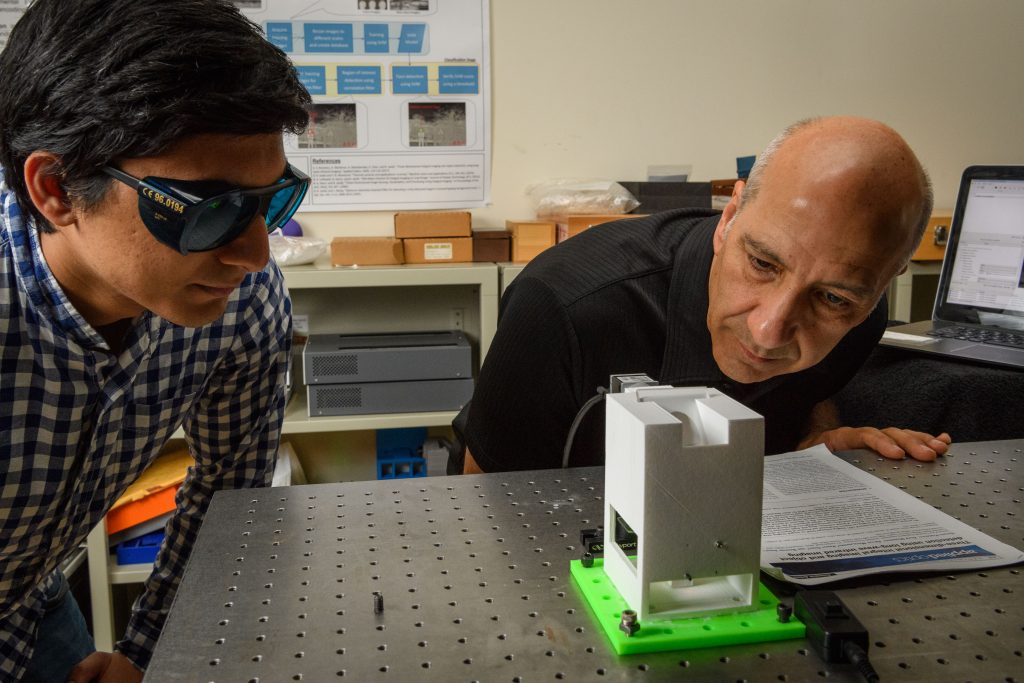
Portable Microscope Makes Field Diagnosis Possible
A portable holographic field microscope developed by UConn optical engineers offers medical professionals a fast and reliable tool for the identification of diseased cells.

International Student Embraces Research Opportunities at UConn
Colombia native Brian Aguilera '19 (CLAS) was one of a select group taking part in a new research program for undergraduates to work with faculty at UConn Health.

Cell Modeling Tool Makes Complex Calculations User-Friendly
The Virtual Cell, or VCell as it’s known at UConn Health, is a software platform that offers the most comprehensive set of modeling and simulation capabilities for cell biology in the world.
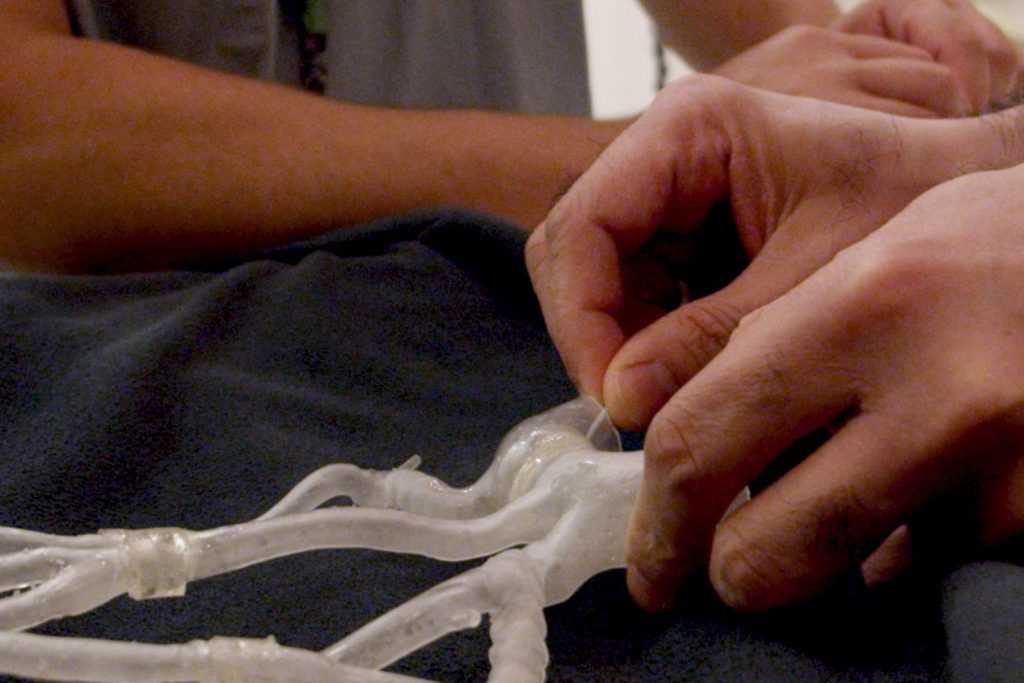
Science in Seconds: UConn Health’s 3-D Print-out of Brain
Using brain scans and a 3-D printer, a UConn team made a life-size model of the arteries surgeons must navigate to pull blood clots from stroke victims.