Research & Discovery
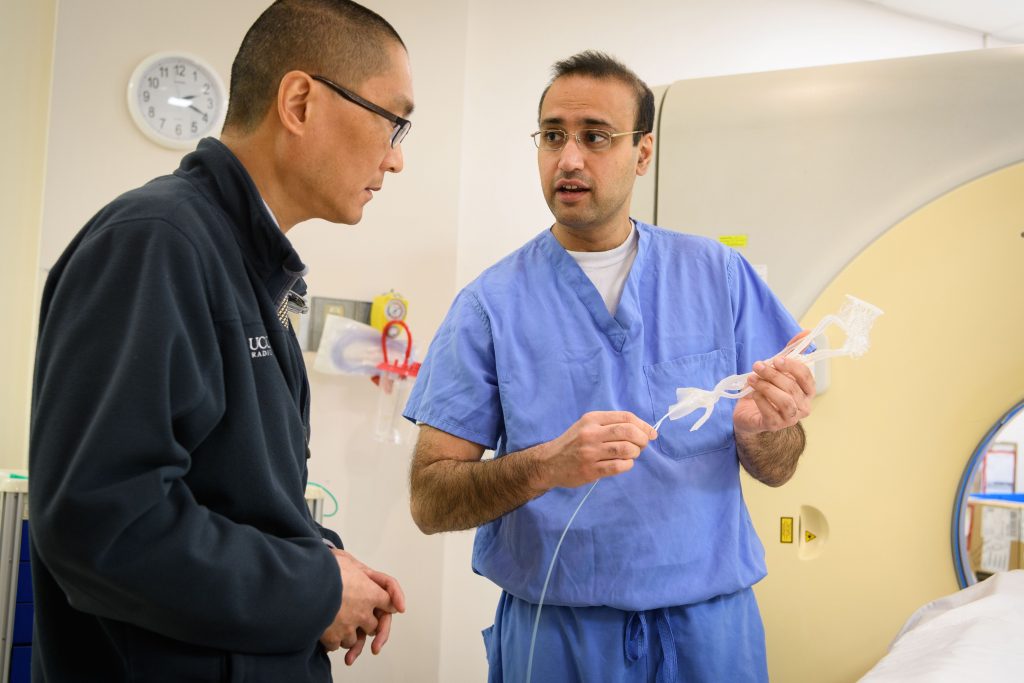
UConn Health’s New 3-D Printed Model Allows Brain Surgeons to Practice
A team of researchers at UConn Health converted MRI brain scans into something a 3-D printer could interpret, enabling them to print an inexpensive, true-to-life teaching model of the brain’s major arteries.
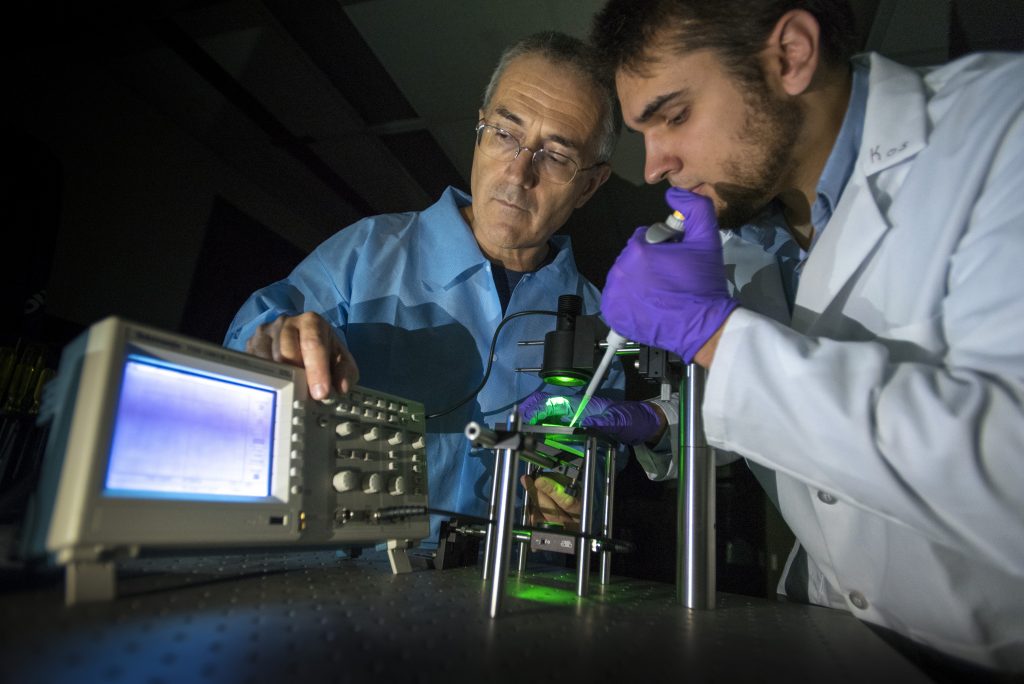
New Device for Testing Heart Health
UConn engineering researchers have developed a device to test an important indicator of heart health that is often ignored – blood viscosity.

Work-related Illnesses in Connecticut on Decline
The most common work-related illnesses in the state are musculoskeletal conditions such as carpal tunnel syndrome, according to a new state report by UConn Health experts.
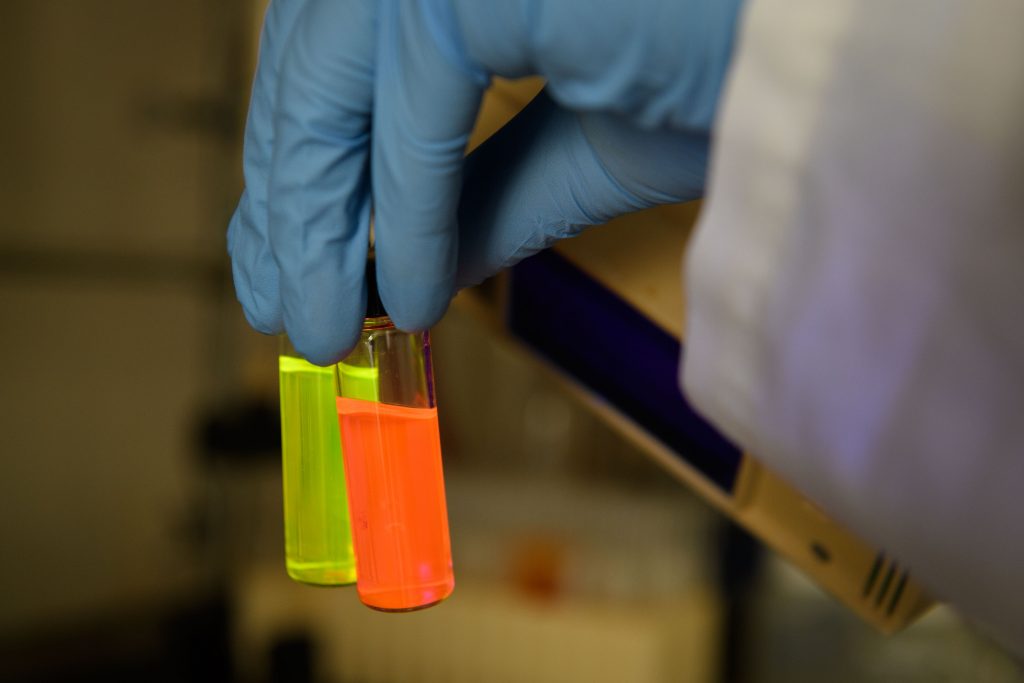
Dyes Detect Disease through Heartbeat Signals
UConn Health researchers who developed voltage-sensitive dyes with potential in the field of drug discovery have launched a startup to spread their discovery beyond academia.

New Program Pairs Undergraduates with UConn Health Researchers
Forty UConn undergraduates in the Health Research Program worked with scientists at UConn Health this summer to explore different fields of medical research.

Science of Learning Project Wins $3 Million NSF Award
Cognitive scientists and neuroscientists at UConn will train 50 graduate students in the science of learning, and how to communicate their research using performing arts and digital media techniques.
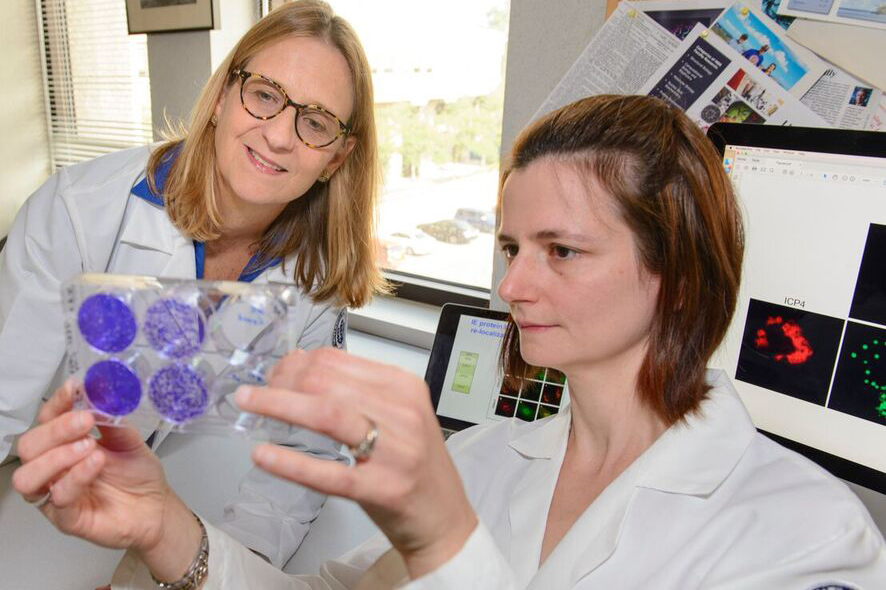
Thinking like an Entrepreneur to Advance Science
Sandra Weller has adapted her decades of research on herpes simplex to address the related cytomegalovirus, which has even more serious effects. She hopes her work will lead to a treatment option with commercial potential.

Color Me Blue: Mapping Teen Suicides to Help Prevent Them
UConn researchers collected data on suicide attempt rates in towns across Connecticut in hopes of promoting prevention strategies.

The Lack of Black Men in Medicine
Medical school matriculation numbers for black males are no better than 35 years ago, say two UConn Health researchers.

Got a Minute?
Catch up on the latest research happening at UConn. In laboratories, in hospitals, and in the field, researchers are gathering data to answer critical questions facing our global community.