Research & Discovery

A Better View of How Tumors Form in the Eye
UConn Health neuroscientists believe they are closing in on an explanation for the reason our corneas, the transparent layer that forms the front of our eyes, have a natural ability to prevent the formation of tumors.

Melanoma’s Signature
On Melanoma Monday, UConn Health dermatologist Sam Dadras discusses his research, which found a molecular signal that could distinguish which skin cancers need more aggressive treatment.

Chili Pepper and Marijuana Calm the Gut
UConn Health researchers have found a connection between chili peppers and marijuana that could lead to new therapies for gastrointestinal disease.

Isolating Their Target
In a study today in the journal Nature Communications, UConn Health researchers identify defects that cause Angelman syndrome.

Health Insurance Plans ‘Too Complicated to Understand’
A new survey by the Health Disparities Institute of UConn Health shows that many patients across Connecticut are struggling to understand their complex, jargon-filled private health insurance plans.

Stem Cell Fabric Innovation Regrows Rotator Cuffs
A team of researchers from UConn Health has found a way to regenerate rotator cuff tendons after they’re torn, using a nano-textured fabric seeded with stem cells.
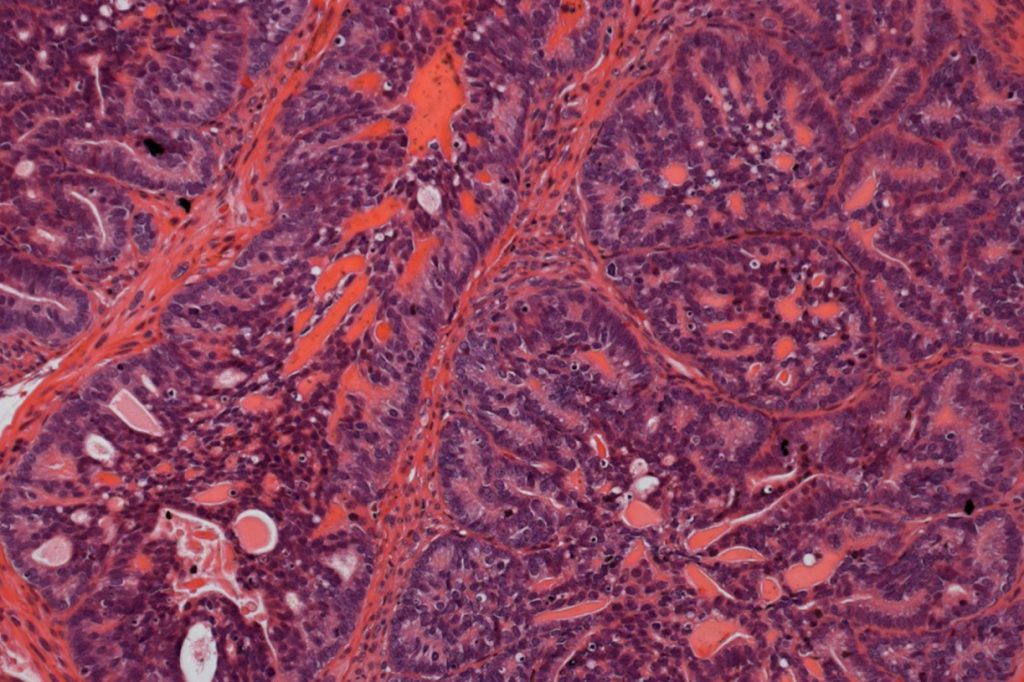
Mark of Malignancy Identified in Prostate Cancer
Researchers at UConn Health have identified a protein that appears to indicate how aggressive a prostate cancer will be, potentially leading the way to new treatments.

Sick Stem Cells Point to Better MS Drugs
UConn Health researchers think they know why a particularly aggressive form of multiple sclerosis has so far proved unresponsive to drug treatments. They hope this knowledge will help develop better treatments.
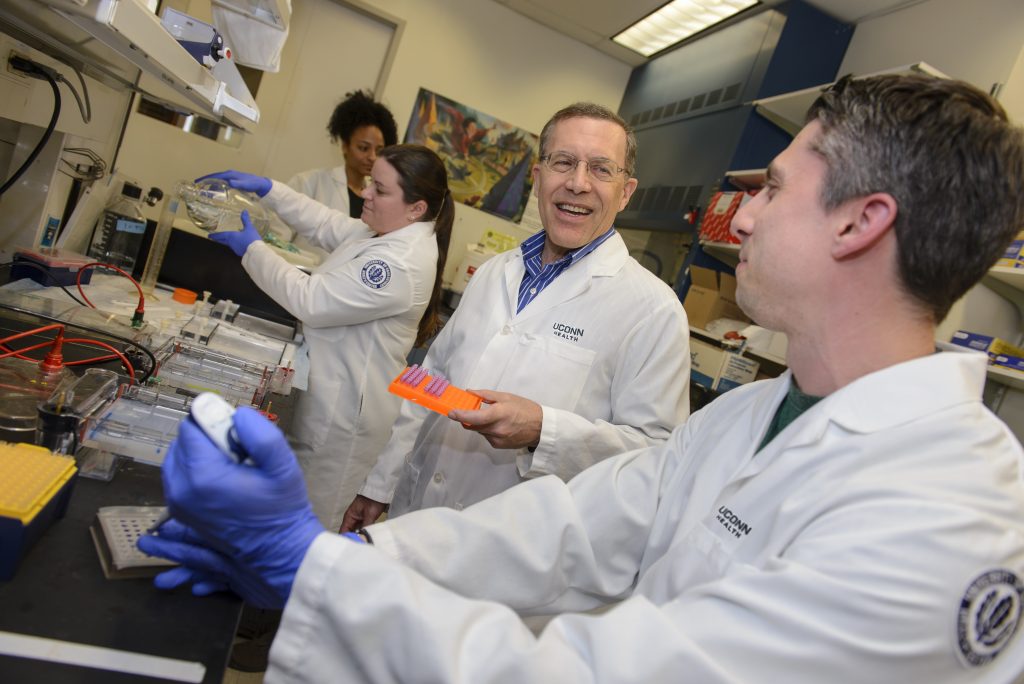
Scientists Pave Path for Tackling Rare Cancers Without Effective Treatments
Genomic analysis is opening the doors to diseases that could never have been understood through traditional biomedical research because there simply aren’t enough patients to observe.

Colonoscopy Just the Start in Preventing Colorectal Cancer
Research at UConn Health has uncovered predictors of the development of polyps that can lead to colorectal cancer.