Research & Discovery
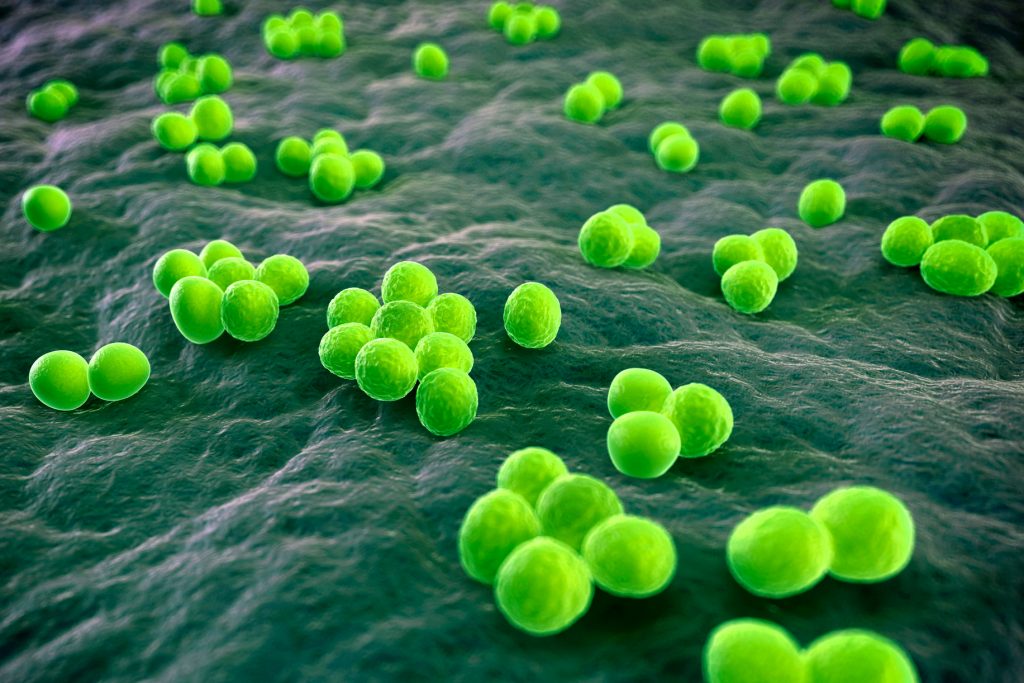
UConn Researchers Kill MRSA with Tailored Chemistry
UConn medicinal chemists have developed experimental antibiotics that kill the often deadly bacteria MRSA.

Eyeing Early Detection of Precursor to Blindness
UConn scientists are working with a biomarker to enable earlier detection of a condition that leads to age-related macular degeneration, the leading cause of blindness in the U.S.
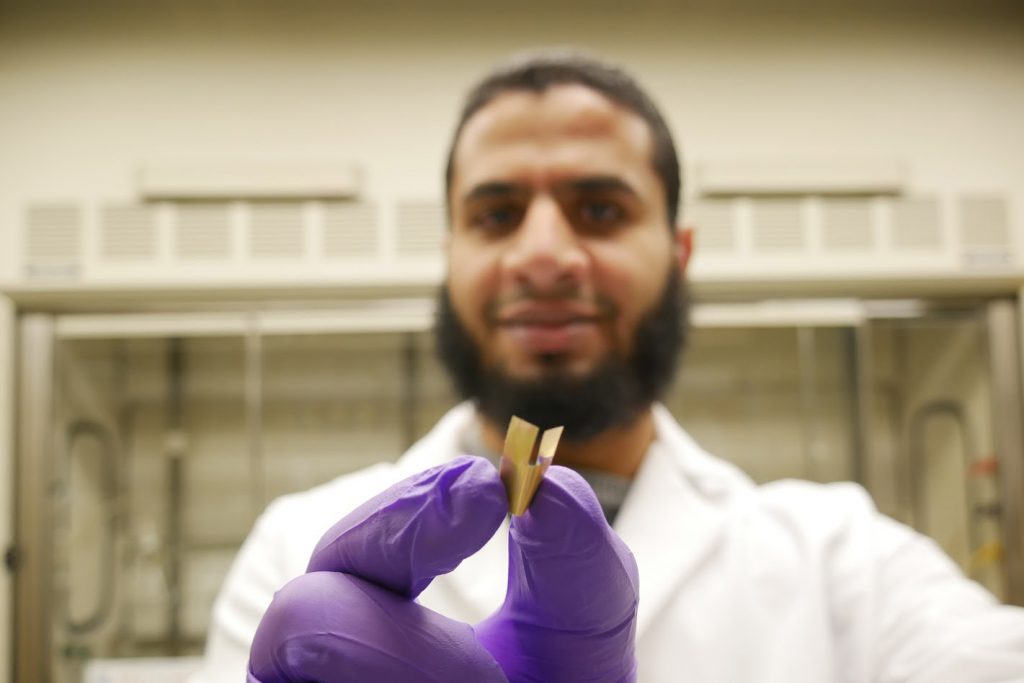
Innovative Device Could Offer New Hope for Heart Patients
A UConn graduate student is developing a new micro-scale power source that is significantly smaller and more efficient than the batteries used in most cardiac pacemakers today.

Divining Tumor Markers from DNA
UConn Health researchers are part of a cutting-edge initiative to discover cancer markers known as neoantigens, that will further the search for cancer immunotherapies.

Mind Over Bladder: The Brain-Organ Connection
UConn Health's Dr. Phillip P. Smith is conducting research on the brain's connection with bladder function as we age.

Of Parking Garages, Nuclear Pasta, and Cosmic Connections
A unique cellular structure named after a UConn professor may also exist in the outer crust of neutron stars thousands of light-years away. Physicists are trying to figure out why.
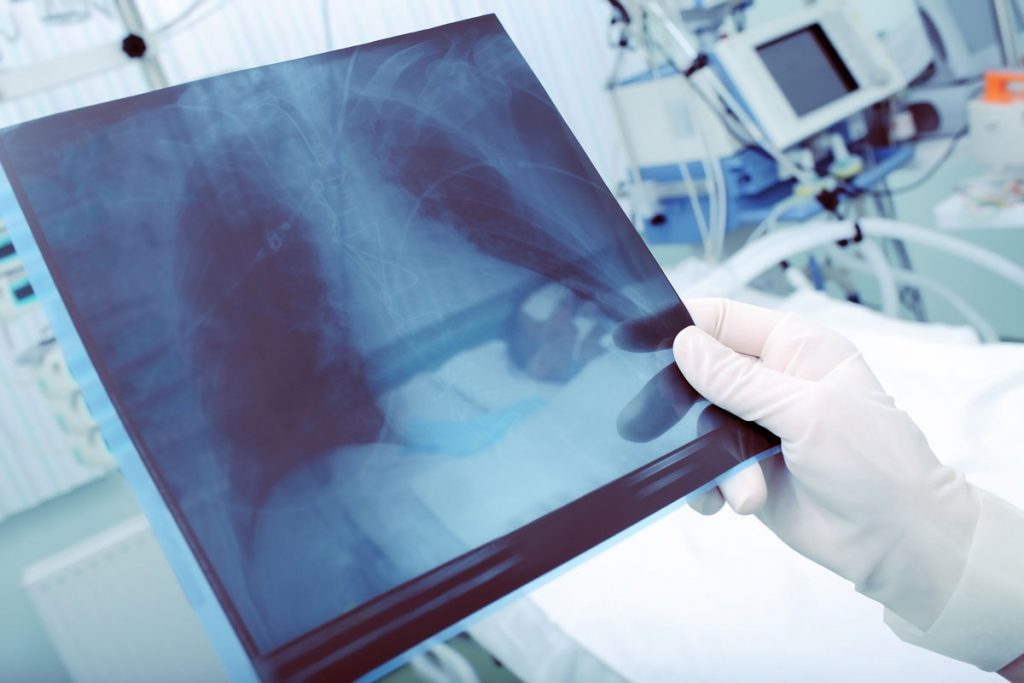
Pneumonia Rates Linked to Hospital Ventilators Have Not Dropped, Says Study
Contrary to data published by the CDC, a study led by a UConn Health researcher concluded that ventilator-associated pneumonia is still a significant risk to patients.
State’s Leading Institutions Launch International Effort to Advance Metabolic Research
UConn, Yale University, and the Jackson Laboratory linked with Weizmann Institute of Science in Israel to collaborate on projects that swiftly move investigations into clinical application and commercialization.

UConn to Launch State’s First Genetic Counseling Program
As demand grows for such counseling, there's an urgent need for training in how to interpret the results of genetic tests.

Detecting Hearing Loss, Vertigo Via Blood Tests
A UConn physician-scientist has filed for patents on blood tests that can provide early diagnosis of these common disorders.