UConn Health
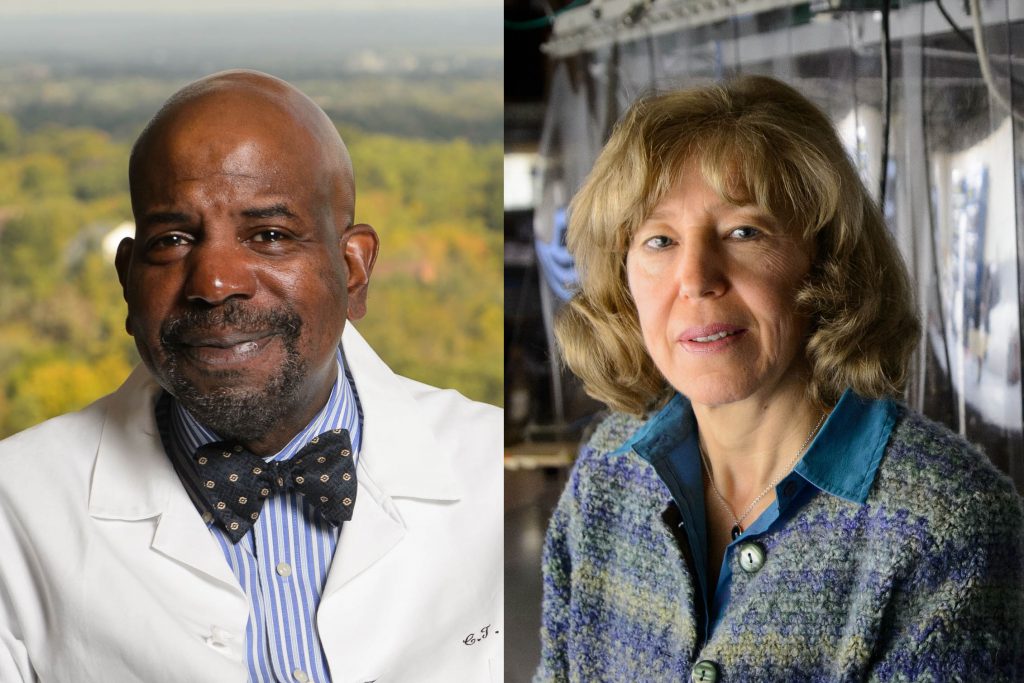
UConn Professors Elected to American Academy of Arts and Sciences
Dr. Cato Laurencin and physics professor Nora Berrah are among the academy's 239th class, along with former First Lady Michelle Obama, and other leaders.
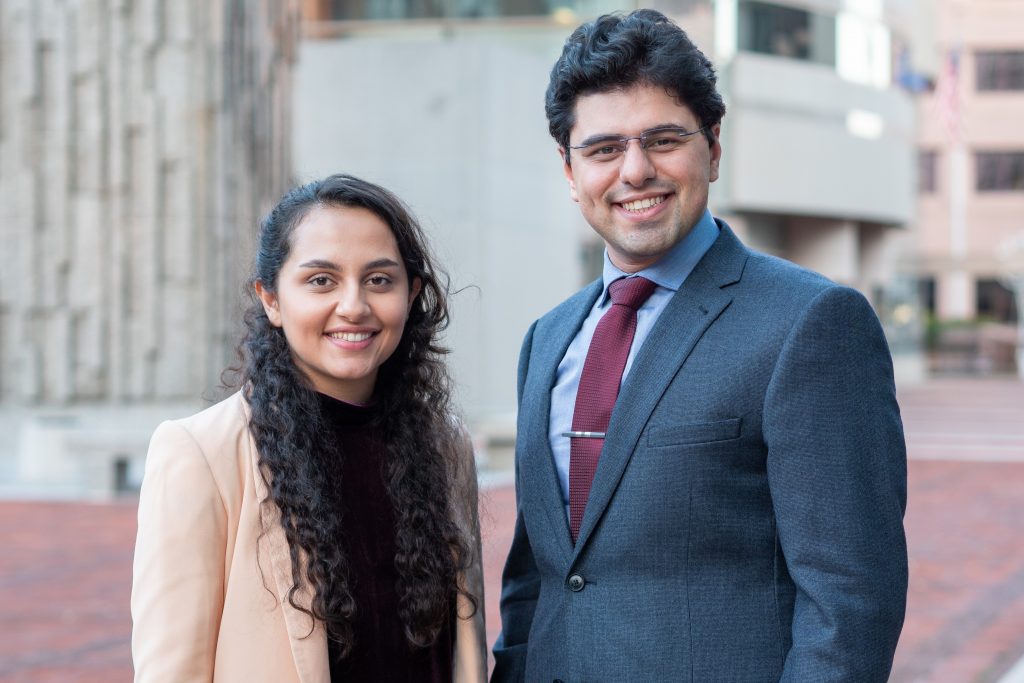
New Technology Designed to Reduce Mortality Rates in Cancer Patients
A pair of Ph.D. students developed a technology that takes a patient’s tumor cells and grows them outside of the body to test different cancer treatments.

Drug Discovery Partnership with AI Biotech Company Reaps Promising Early Results
At UConn Health, the technology is being used to pursue therapeutic treatments for strokes, for which there is “an urgent need for novel therapies that can move rapidly into clinical trials,” says Rajkumar Verma.

UConn and Foundation for Prader-Willi Research Create Stem Cell Biobank
The biobank will be able to supply induced-pluripotent stem cells for Prader-Willi syndrome to researchers throughout the world.
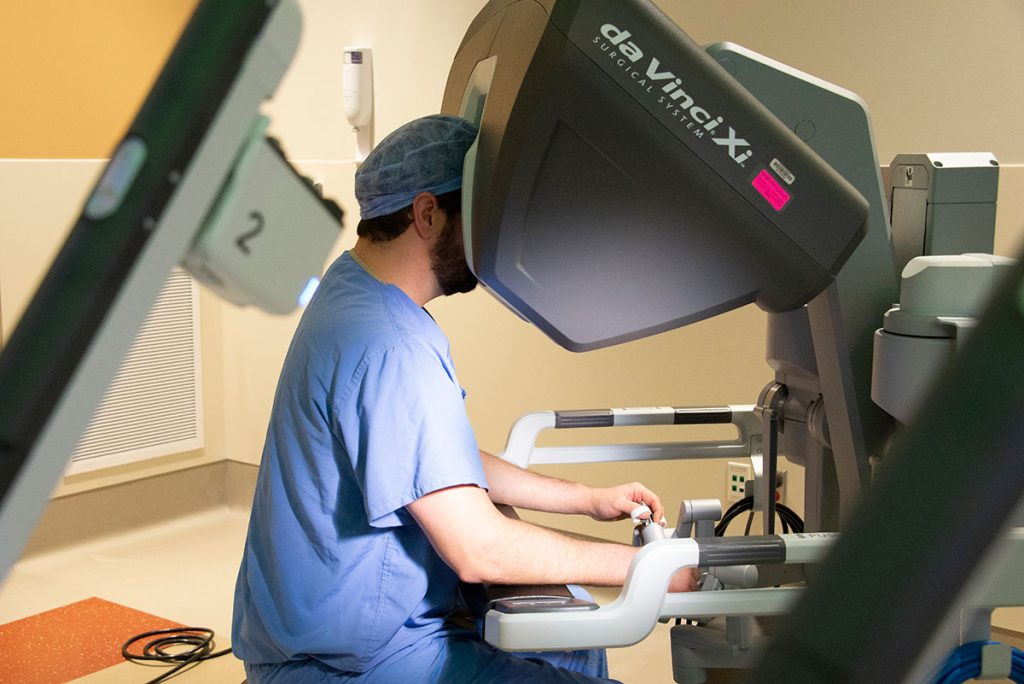
UConn Health Expands Robotic Surgery Capabilities
Dr. Eric Girard, a surgeon who specializes in colorectal surgery, says use of the new robot can translate to 'people feeling better faster and getting back to their families and their jobs sooner.'

Fighting the Opioid Epidemic With Data
UConn Health is part of a collaboration that aims to track crucial data and create an early warning system to alert the public to opioid overdoses.
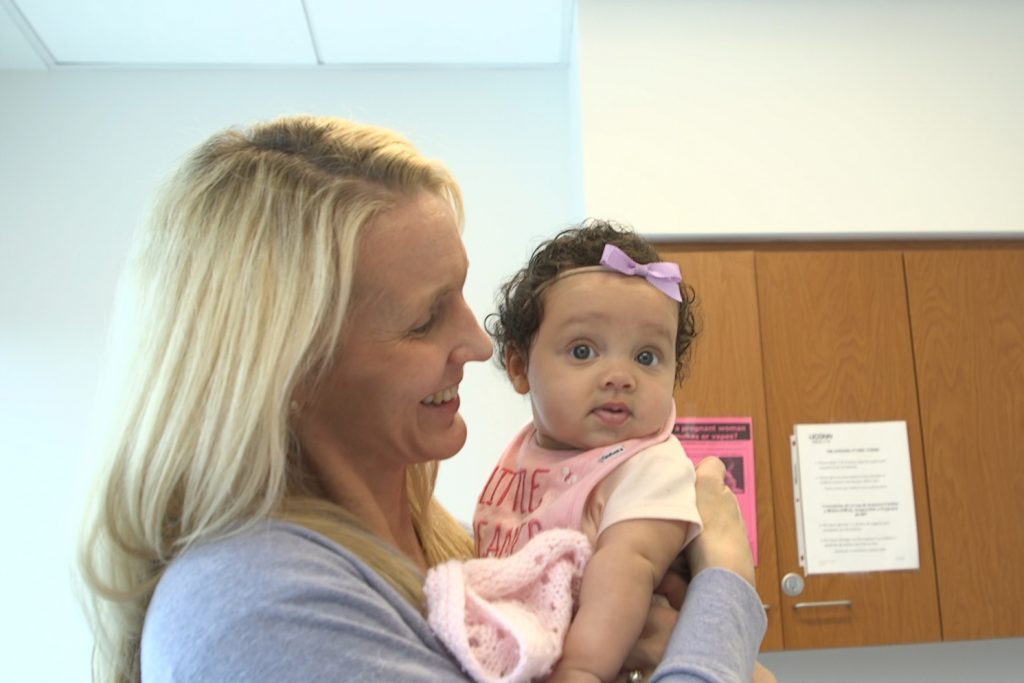
New Mom Shea Ralph Chose UConn Health
In honor of National Doctors' Day this week, we spotlight the work of UConn Health's Ramzi Alkass.
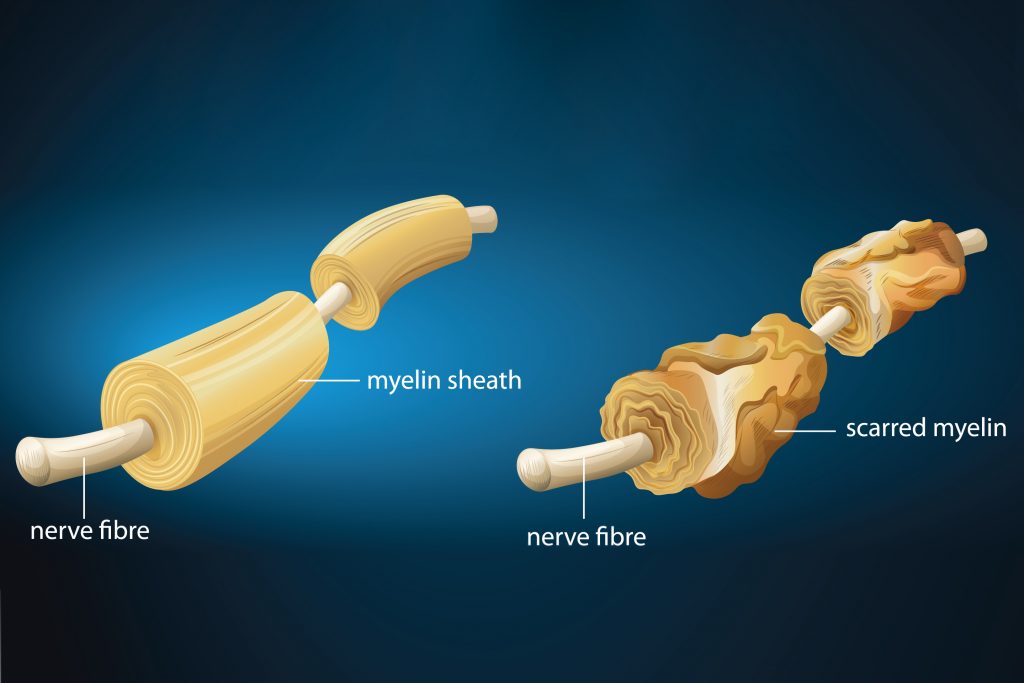
Study: Brain Stem Cells Age Faster in MS Patients
The prematurely old cells act differently in the brain than normal ones, and could be the key to new treatments for the disease, say researchers.
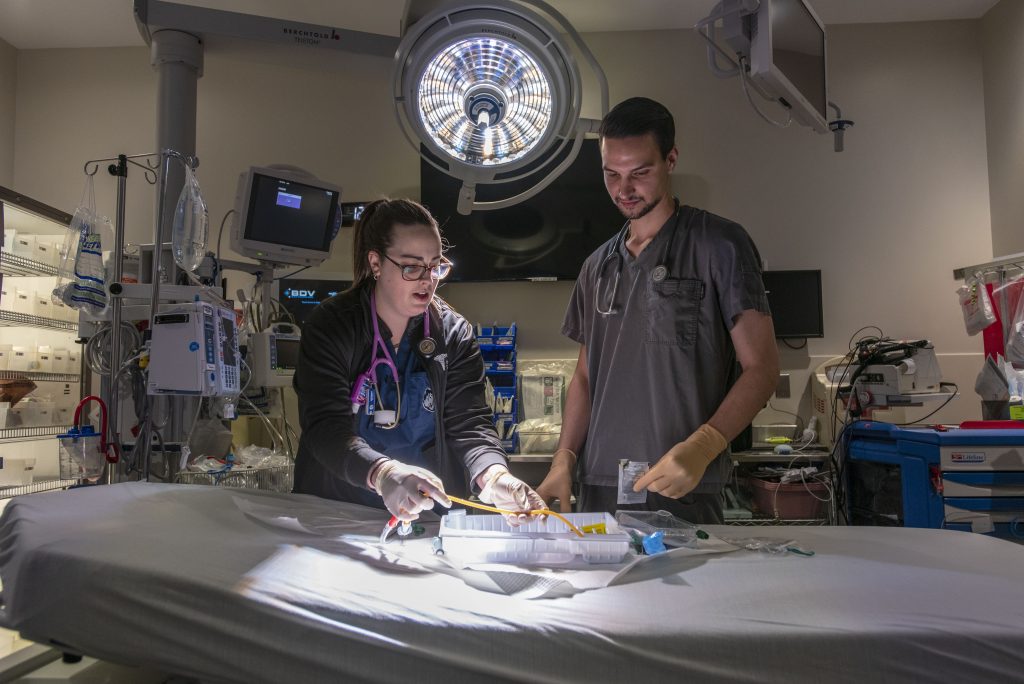
Life Work: Training to be a Nurse
Student nursing opportunities at UConn Health provide undergraduates in the field a chance to transfer knowledge from theory to practice.
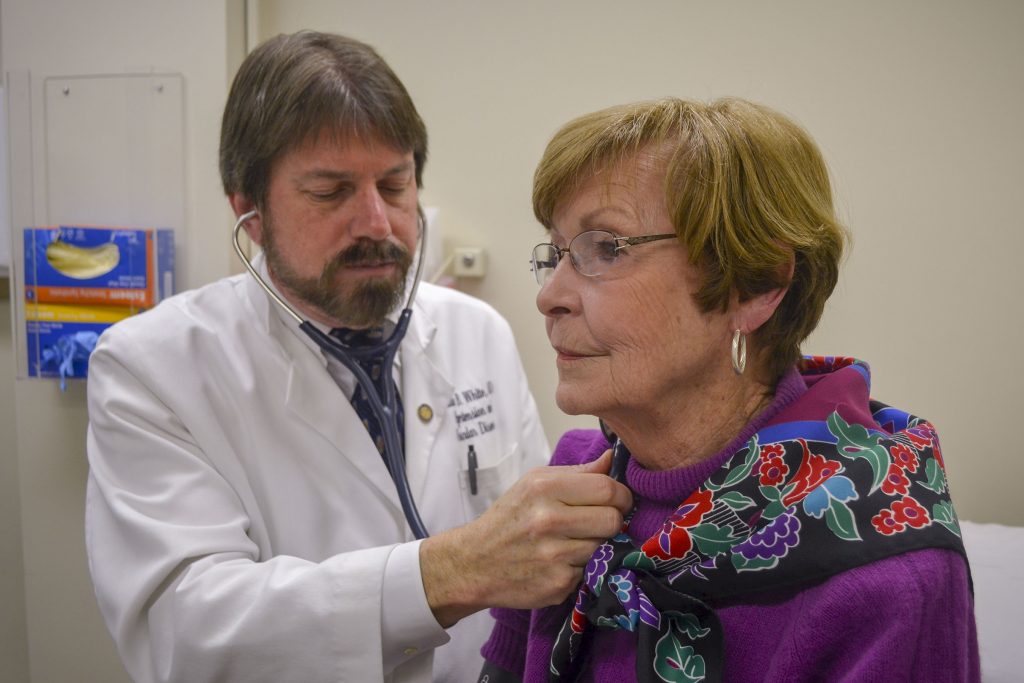
Hypertension Study Offers Promise for Brain Function in Elderly
Because maintaining lower blood pressure reduced the amount of brain lesions, it can be expected that over a longer period this would show benefits in mobility and cognitive function, said Dr. William White of UConn Health.