UConn Health

Meet the Researcher: Wizdom Powell, Health Disparities
In a recent conversation over coffee with Wizdom Powell, PhD, director of UConn’s Health Disparities Institute (HDI), two words kept popping up: commitment and passion. Powell leaves no doubt that she is both committed and passionate when it comes to her work, the communities she serves, and improving health outcomes for underrepresented populations. Powell, who […]
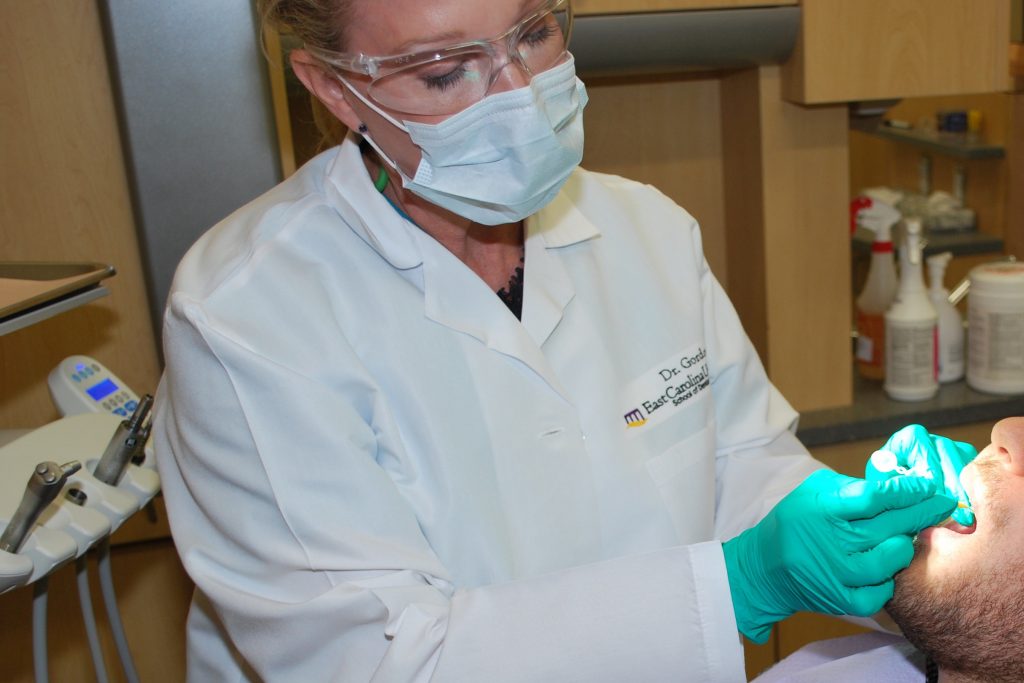
New Dental Dean Named
Sharon M. Gordon will be the first woman to serve as dean of the dental school in its more than 50 year history.
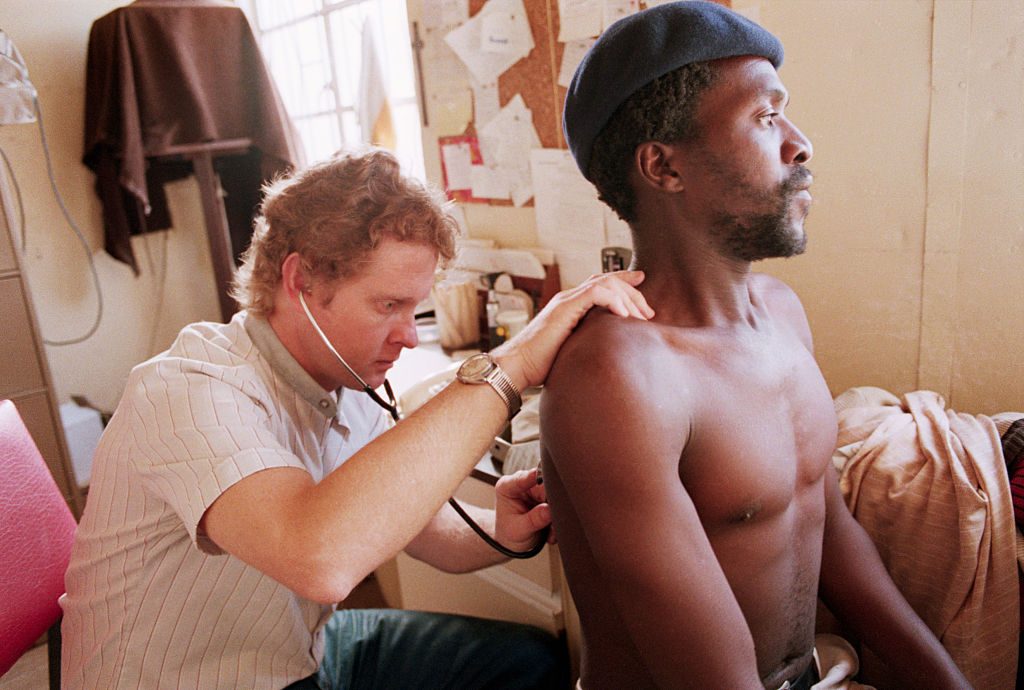
Racial, Ethnic, and Sexual Minority Males Among Unhealthiest People in U.S., Report Finds
For example, African-American men consistently have life expectancies six years shorter than white men, according to the study led by Wizdom Powell of UConn Health.

Scientists Discover Roles and Teamwork of CRISPR-Cas Proteins
Research out of UConn Health and the University of Georgia explains the way these proteins work together to save the cell and achieve immunity.
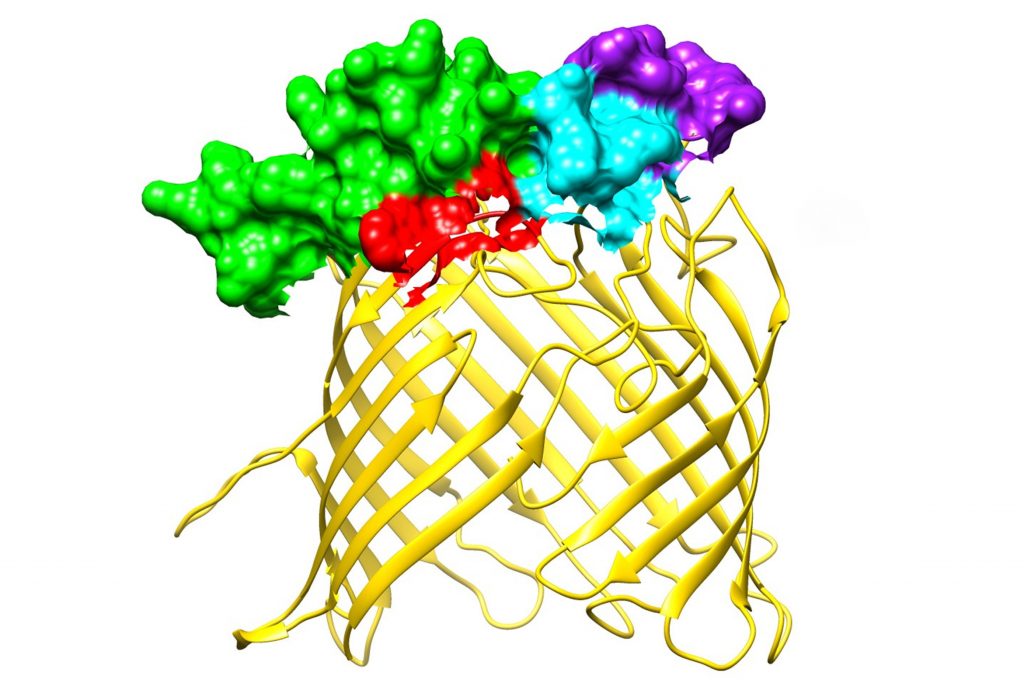
Syphilis Discovery Raises Possibility of Vaccine
UConn Health researchers have identified proteins on the outside of the bacteria, opening up the possibility of the world's first vaccine.

UConn Celebrates Opening of Innovative New Engineering & Science Building
The new building addresses a pressing need for space within the School of Engineering, where enrollment has doubled over the past decade.

African-Americans Still Disproportionately Affected by HIV
Ten years after a call for action, HIV diagnoses continue to rise in the African-American community, according to a new study led by UConn Health's Dr. Cato Laurencin.

For Anxiety, Single Intervention Is Not Enough
'We need a different model for mental health, one that includes regular checkups,' says UConn Health psychologist Golda Ginsburg.
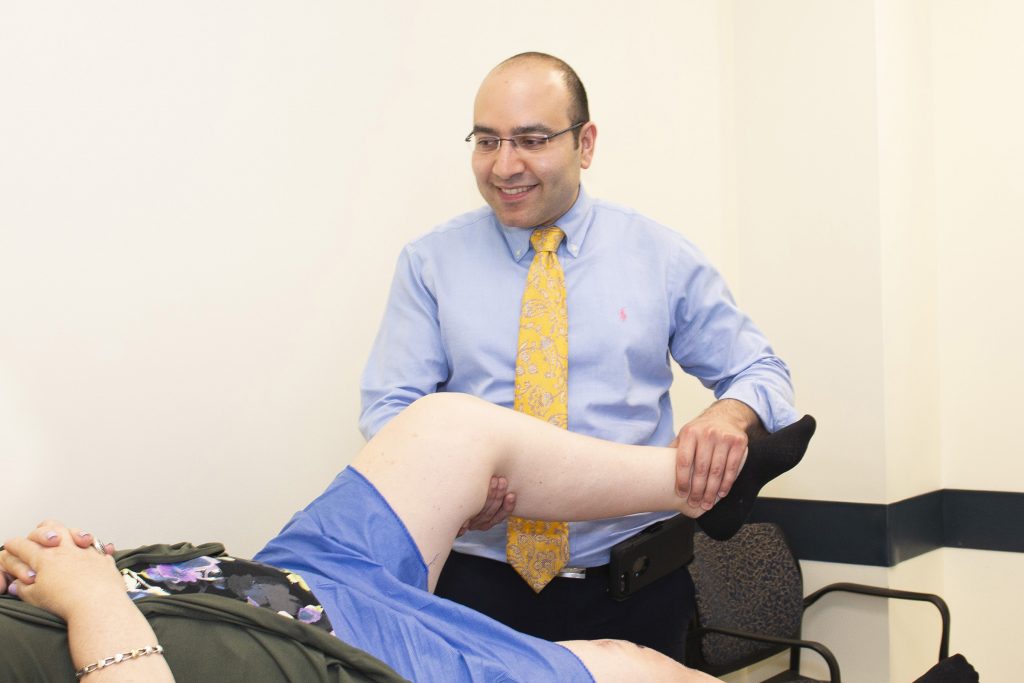
Next Up: Same-Day Hip or Knee Replacement
New surgical techniques, streamlined after-care, and close coordination among care providers have enabled many UConn Health joint replacement patients to go home within 24 hours, and some even the same day.

Improving Heart Health Could Prevent Frailty in Old Age
Many think frailty is an inevitable consequence of aging, but a new study found that severe frailty was far less likely in those with low heart disease risk factors.