Campus
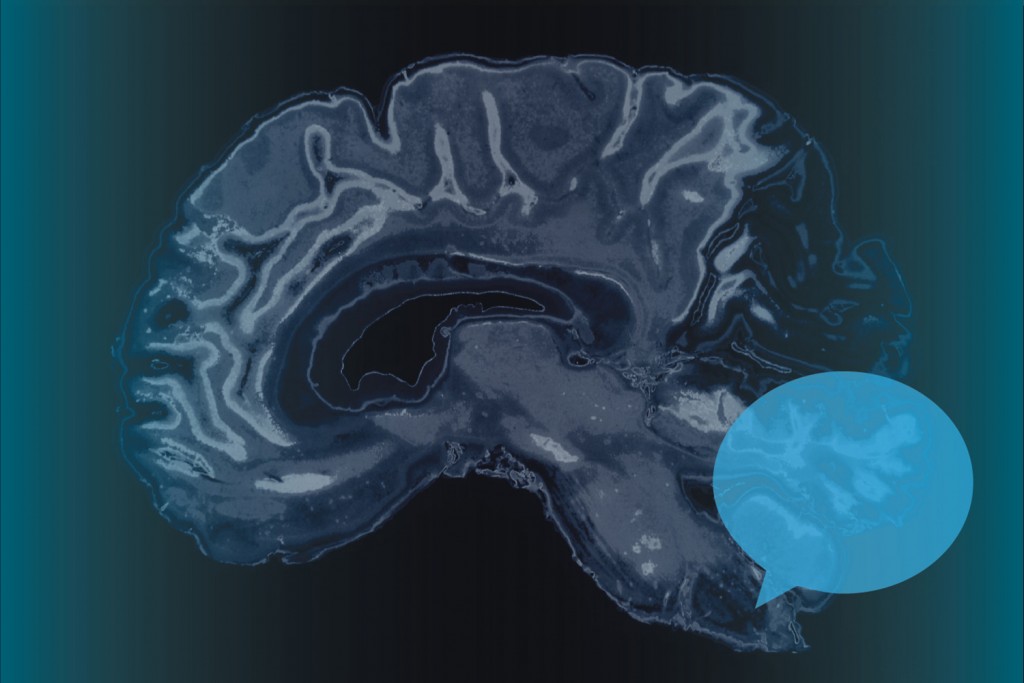
How the Brain Controls Speech
UConn research to better understand how the brain applies meaning to words could ultimately help people with communication disorders.

An Opportunity to Meet the Chief Diversity Officer Candidates
Three candidates for the University’s top diversity position will participate in public forums as part of the interview process.

Colorful Pigment Plays Role in Combating Liver Disease
A pigment that gives shrimp and flamingoes their color may help control and prevent non-alcoholic fatty liver disease.

Improving the Water Supply in a Drought-Stricken Village
Three UConn engineering students are working in partnership with a village in Ethiopia to help improve the water supply.

Keeping an Eye on Human Behavior
Humans behave better when they're being watched, but it depends who's watching, a UConn study finds.

Pharmacists Working to Combat Opioid Overdose
The UConn School of Pharmacy is helping train pharmacists to prescribe naloxone, an opioid overdose antidote.

Hot or Trustworthy?
Two UConn communication professors studied how users of dating sites perceive trustworthiness in the subjects of photos.

Exploring Masculinity Through Art
An exhibit at the Benton Museum through March 13 traces the history of the portrayal of the male body.

How the Human Brain Reads – In Any Language
UConn researchers find that what happens inside the human brain when reading is the same, no matter what the language or script.

Study of Cognitive Development in Deaf Children Revisits Longstanding Debate
In deaf children, excluding sign language in favor of auditory implants may be a risky approach for their cognitive development.