College of Engineering

Beyond Senior Design: Bringing Hospital Communications into the Future
Hospitals are one of the busiest places that an individual can be in. Doctors and nurses are running around, often supervising many patients, and during hectic times caregivers are confronted with the task of prioritizing patient’s needs, which is a very complex process. But two former UConn Engineering students are looking to streamline patient-caregiver interactions through a device called YouCOMM.

Beyond Senior Design: Bringing Hospital Communications into the Future
Hospitals are one of the busiest places that an individual can be in. Doctors and nurses are running around, often supervising many patients, and during hectic times caregivers are confronted with the task of prioritizing patient’s needs, which is a very complex process. But two former UConn Engineering students are looking to streamline patient-caregiver interactions through a device called YouCOMM.
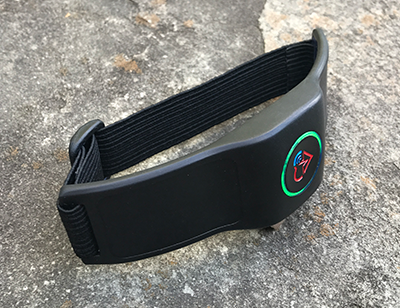
Mobile Sense Technologies Wins U.S. Patent, $225K from NSF
This UConn spinout is building foundational technology for off-the-chest wearables for long-term management of cardiac arrhythmias.

UConn Engineering Announced as Partner Institution for $14.2M Regional Transportation Center
In a coalition of schools led by the University of Maine, the University of Connecticut School of Engineering will be a participant in the Region 1 University Transportation Center: Transportation Infrastructure Durability Center (TIDC), funded by a five-year $14.2 million grant from the U.S. Department of Transportation.

UConn Engineering Announced as Partner Institution for $14.2M Regional Transportation Center
In a coalition of schools led by the University of Maine, the University of Connecticut School of Engineering will be a participant in the Region 1 University Transportation Center: Transportation Infrastructure Durability Center (TIDC), funded by a five-year $14.2 million grant from the U.S. Department of Transportation.

UConn Hosts Inaugural Brain Research Symposium
During the day-long event, nearly 30 scientists and clinicians “pitched” their current brain-related research projects to find potential collaborators.
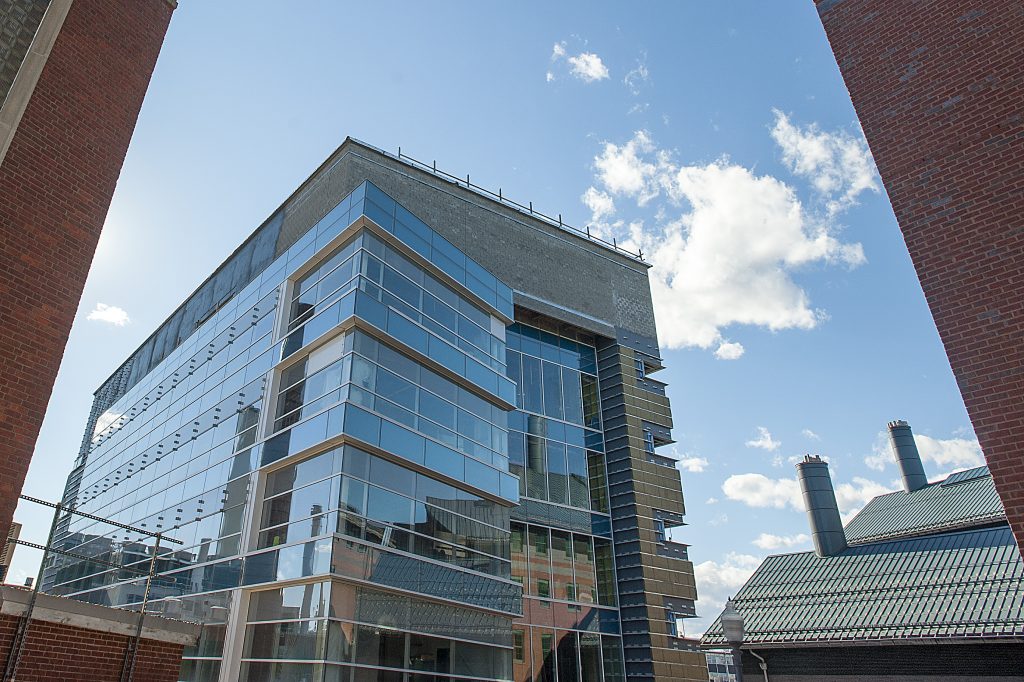
UConn Celebrates Opening of Innovative New Engineering & Science Building
The new building addresses a pressing need for space within the School of Engineering, where enrollment has doubled over the past decade.

Eight UConn Faculty Win NSF CAREER Awards
Eight early-career researchers in math, science, and engineering received the selective grant this spring.

Core Research Facility Spotlight: BioSupply
For some researchers, UConn's BioSupply facility is as critical for their scientific projects as the UConn Bookstore is to undergraduates.
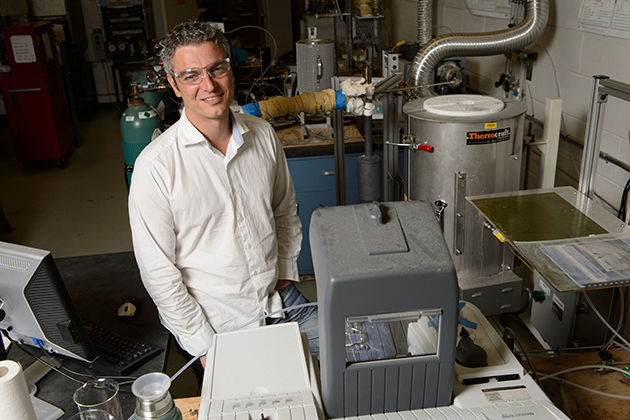
UConn Receives National Award to Improve Precision Manufacturing
UConn is one of ten projects selected by the Clean Energy Smart Manufacturing Innovation Institute (CESMII) to advance smart manufacturing technologies in the United States. The work is spearheaded by George Bollas, assistant professor of chemical materials and biomolecular engineering.