Research & Discovery
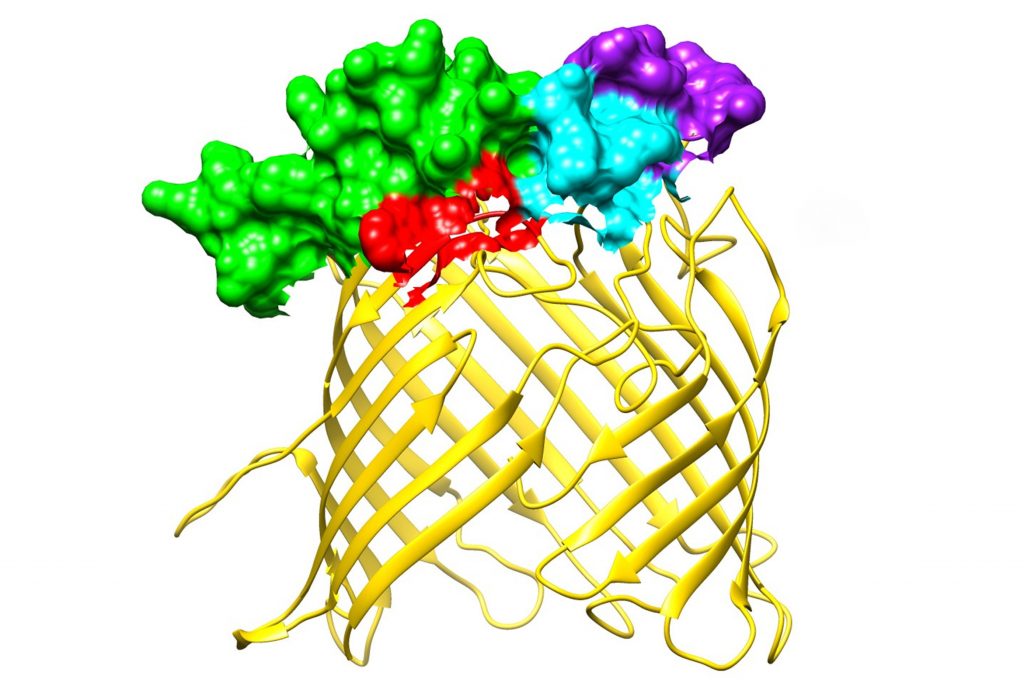
Syphilis Discovery Raises Possibility of Vaccine
UConn Health researchers have identified proteins on the outside of the bacteria, opening up the possibility of the world's first vaccine.

African-Americans Still Disproportionately Affected by HIV
Ten years after a call for action, HIV diagnoses continue to rise in the African-American community, according to a new study led by UConn Health's Dr. Cato Laurencin.

For Anxiety, Single Intervention Is Not Enough
'We need a different model for mental health, one that includes regular checkups,' says UConn Health psychologist Golda Ginsburg.

Improving Heart Health Could Prevent Frailty in Old Age
Many think frailty is an inevitable consequence of aging, but a new study found that severe frailty was far less likely in those with low heart disease risk factors.

MDMA Opens Door for PTSD Patients to Work Through Trauma
UConn Health is one of a dozen sites in the nation to host a phase three clinical trial of MDMA-assisted psychotherapy.
Blueprint for the Skull
A new UConn Health study has found that cleft palate is caused by a disruption of the regulatory pieces of DNA.

UConn Health, Connecticut Children’s, to Host First Gene Therapy Trial for GSD
The trial will test a gene therapy developed by Dr. David Weinstein that is designed to improve glucose control by replacing the deficient enzyme in a patient’s liver.

First Potential Biomarker for Noise-Induced Hearing Loss Identified
UConn Health physician-researcher Kourosh Parham says the new biomarker may facilitate early diagnosis of hearing loss in patients before their condition becomes severe.

Light at Night Can Disrupt Circadian Rhythms in Children. Are There Long-Term Risks?
There are at least three reasons that too much light during the evening could matter to the health of children, and all are terrible: depression, suicide, and cancer, writes Richard Stevens of UConn Health.
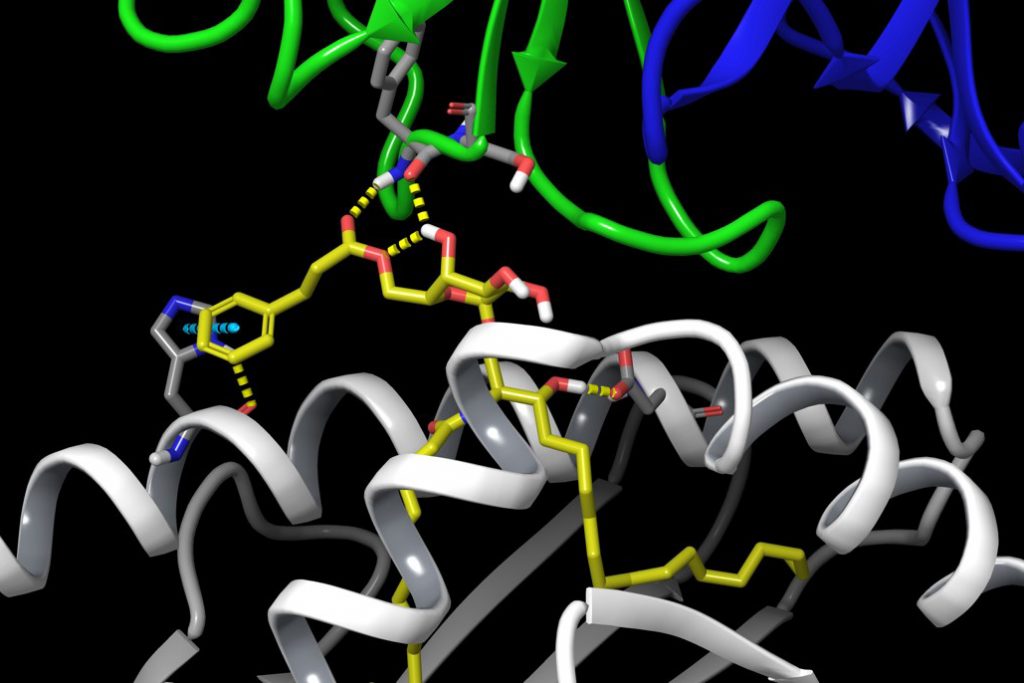
New Compound Helps Activate Cancer-Fighting T Cells
UConn researchers have identified mechanisms responsible for improved immune system activity, offering new approaches for more effective cancer treatments and vaccines.