Research & Discovery
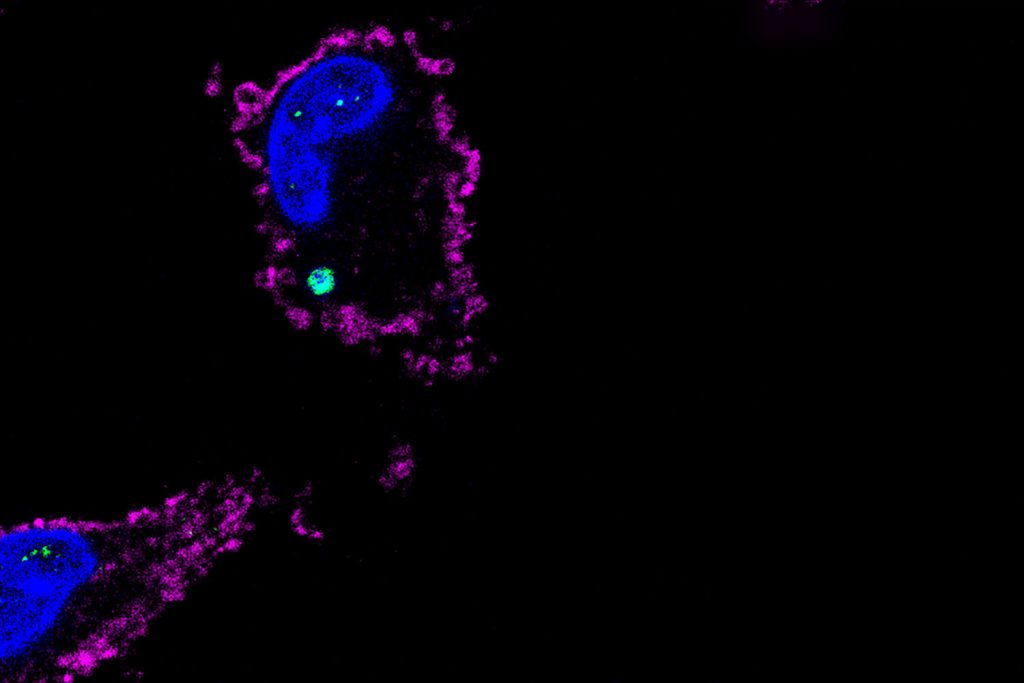
Cell Death Protein also Damps Inflammation
A new study by UConn Health researchers shows how the body keeps inflammation in check, making double use of a protein previously thought to be responsible only for cell death.
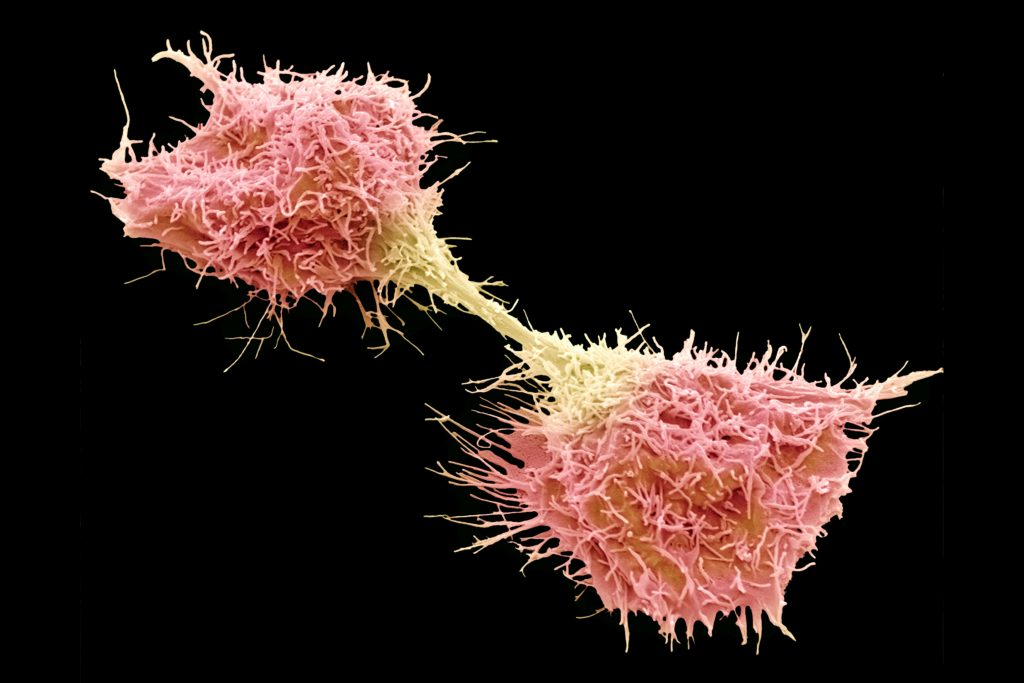
Stopping the Resistance of Cancer Cells to Treatment
UConn researchers have discovered molecules that could make cancer cells more vulnerable to chemotherapy.

When More Bone-making Cells Equal Less Bone
Researchers at UConn Health have shown how a mutated gene causes excess bone resorption in a rare bone disease known as Lehman Syndrome.

Ovarian Cancer Cells Hoard Iron to Fuel Growth
Researchers at UConn Health have found that iron may be playing a critical role in increased fatty acid synthesis in cancer.
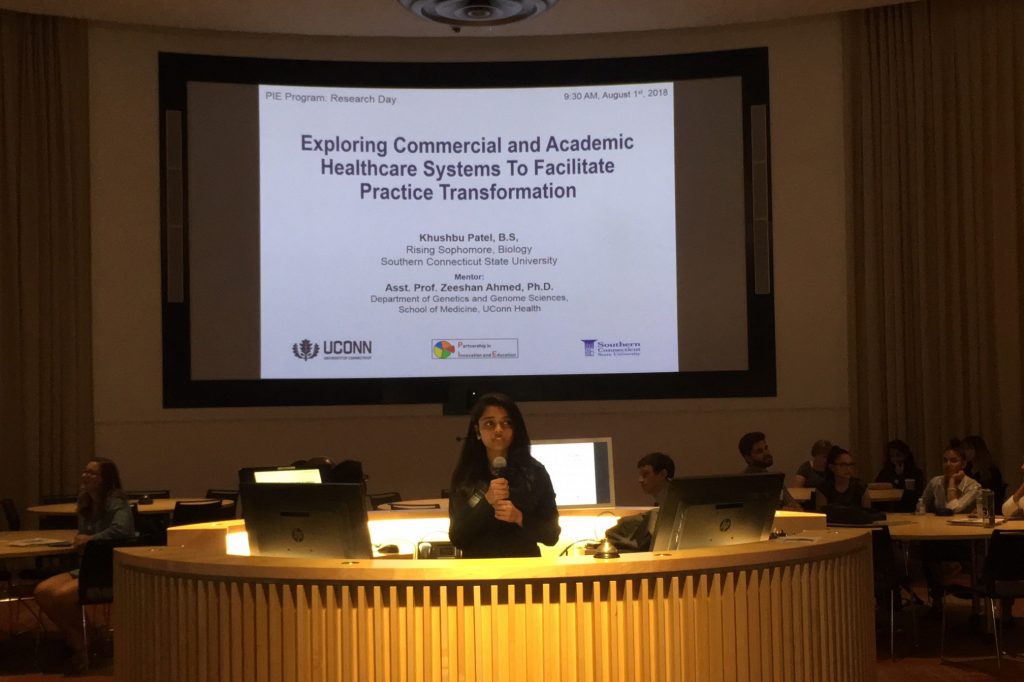
Connecticut Student Researchers Shine at UConn Health
You are 'at the heart of the state’s future bioscience ecosystem,' keynote speaker Susan Froshauer told students participating in a new innovation program headed by UConn Health's Caroline Dealy, during the Aug. 1 event.

Insight into Cells that Convey Data from Eye to Brain
'This knowledge could help develop more effective therapeutics to treat optic neuropathies and glaucoma,' says Ephraim Trakhtenberg of UConn Health, who led the study with The Jackson Laboratory.

New Guidelines to Help Diagnose, Manage Rare Endocrine Disorders
UConn Health researcher Dr. Emily Germain-Lee hopes the publication of guidelines she co-authored will lead to better care for patients worldwide.

Meet the Researcher: Wizdom Powell, Health Disparities
In a recent conversation over coffee with Wizdom Powell, PhD, director of UConn’s Health Disparities Institute (HDI), two words kept popping up: commitment and passion. Powell leaves no doubt that she is both committed and passionate when it comes to her work, the communities she serves, and improving health outcomes for underrepresented populations. Powell, who […]
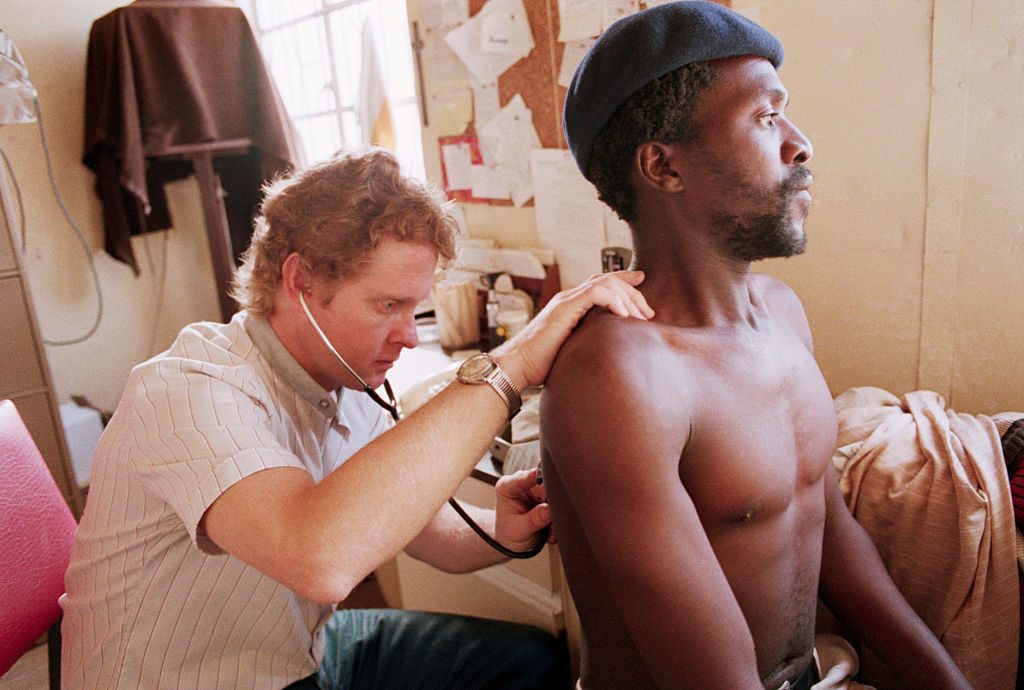
Racial, Ethnic, and Sexual Minority Males Among Unhealthiest People in U.S., Report Finds
For example, African-American men consistently have life expectancies six years shorter than white men, according to the study led by Wizdom Powell of UConn Health.
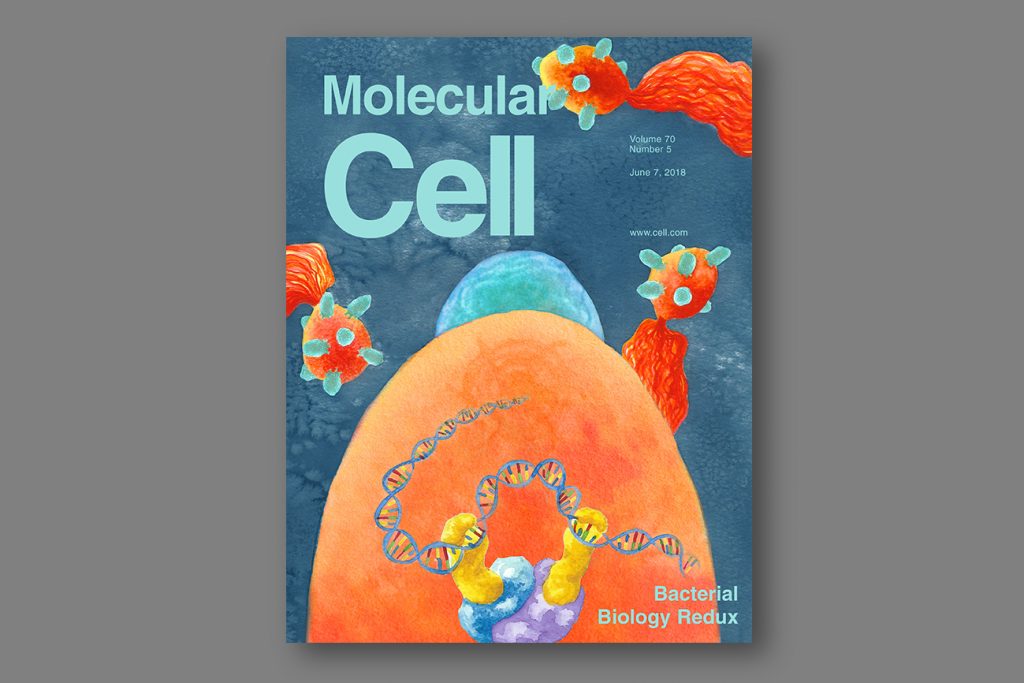
Scientists Discover Roles and Teamwork of CRISPR-Cas Proteins
Research out of UConn Health and the University of Georgia explains the way these proteins work together to save the cell and achieve immunity.