Research & Discovery

Air Purifiers May Reduce Heart Risks for People Exposed to Traffic Pollution
UConn School of Medicine study finds in-home HEPA air filters significantly lowered systolic blood pressure in adults with elevated readings.
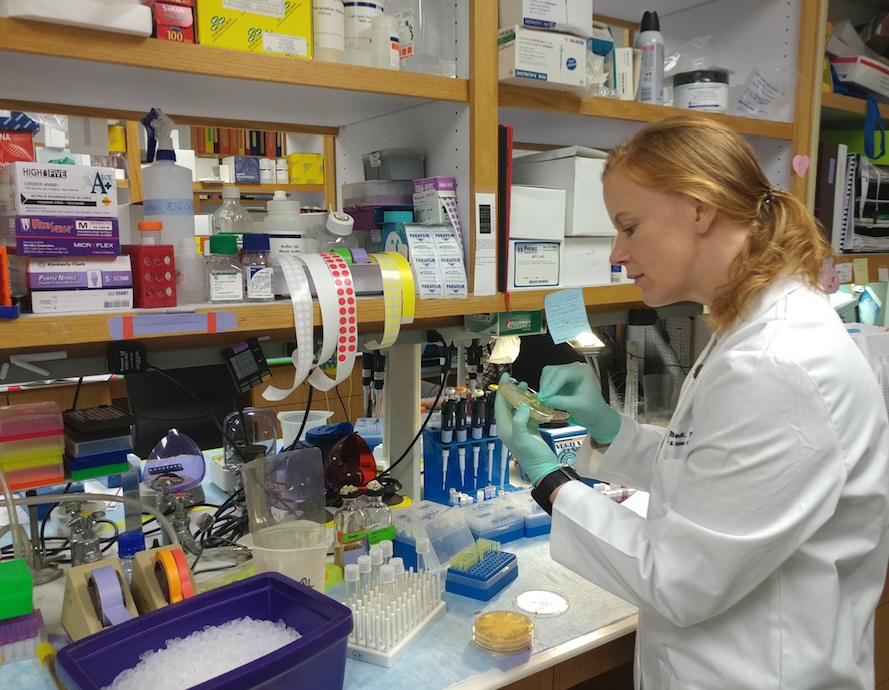
The Most Complete View of the Human Genome Yet Sets New Standard For Use In Precision Medicine
New collaborative research by UConn Health and The Jackson Laboratory decodes the most elusive, difficult-to-sequence regions of the genome from populations around the world

UConn Health Innovators Pitch Inventions to Industry and Investors
Inaugural ‘Innovation Catalyst’ event empowers innovators at UConn Health to transform their exciting research ideas into ventures

Demystifying the Link Between Major Depression and Alzheimer’s Disease
UConn investigators uncover new risk factors linking depression and dementia

World-First Gene Editing Trial for Rare Genetic Disease at UConn Health
UConn Health and Connecticut Children’s have made history by dosing the first patient in a clinical trial using gene editing to treat glycogen storage disease type 1a (GSD1a)

Increasing Contingency Management Incentives Will Help More Patients Recover from Addiction
JAMA Psychiatry study recommends nationwide Contingency Management care guardrails with data-driven, evidence-based reward amounts to ensure effective and better care outcomes

UConn Symposium Seeks to Integrate Nutrition with Immune Function to Shape New Disease Treatments
“We’re trying to set the stage for integrating these ideas”
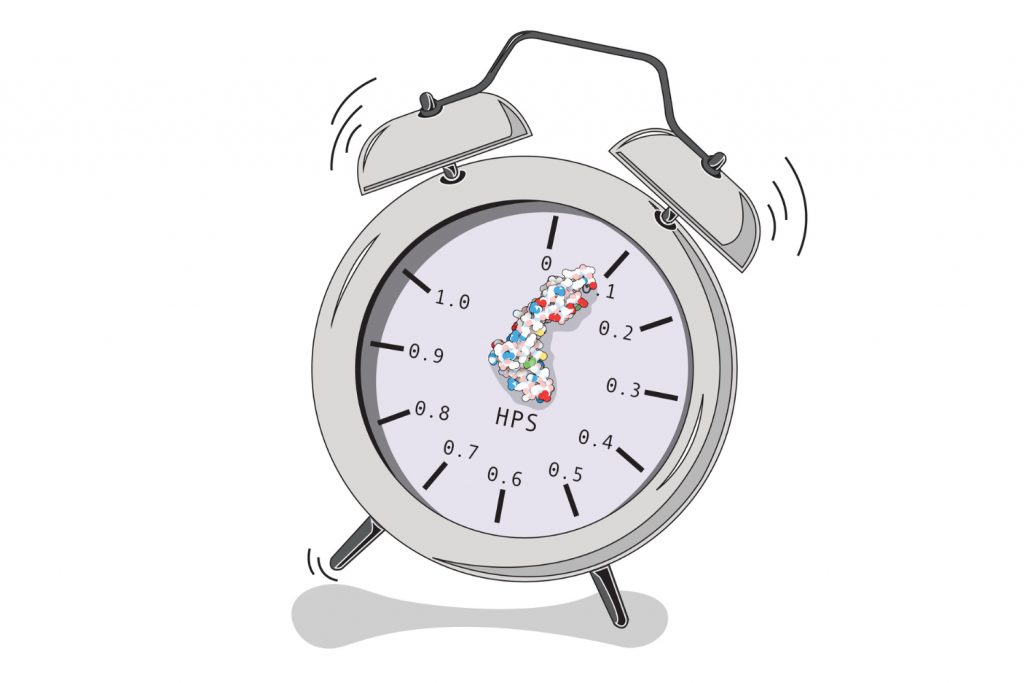
Scientists Develop New Blood-Based Proteomic Score to Predict Healthspan and Disease Risk
UConn School of Medicine study published in PNAS introduces Healthspan Proteomic Score as a biomarker for healthy aging

Our Health, Our Economy, Our Nation, Our Future
UConn research has an extensive, proud history of federal and state partnerships that have helped shape Connecticut and the world beyond.

Supervised Exercise Improves Broken Hip Outcomes in Older Women
JAMA Network Open Publishes Study Results of the STEP-HI Clinical Trial, Finding That Testosterone Gel Use in Women Recovering from Hip Fracture Does Not Improve Outcomes Compared to Supervised Exercise Alone