Research & Discovery
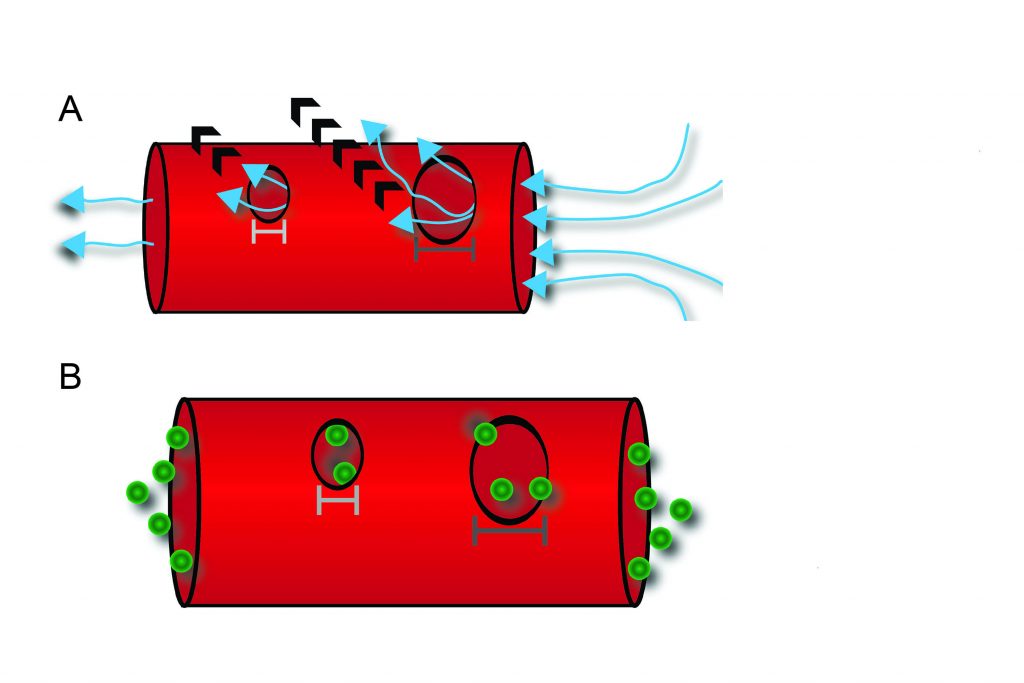
Common Steroid Could Soften Up Tumors for Chemo
A drug used to alleviate side effects of cancer treatment may also make the treatment more successful if given beforehand, researchers say.

Study: More Pharma Money, More Gabapentin
Gabapentin manufacturers paid physicians – mostly pain doctors and general practitioners – $11.5 million between 2014 and 2016, according to UConn research.
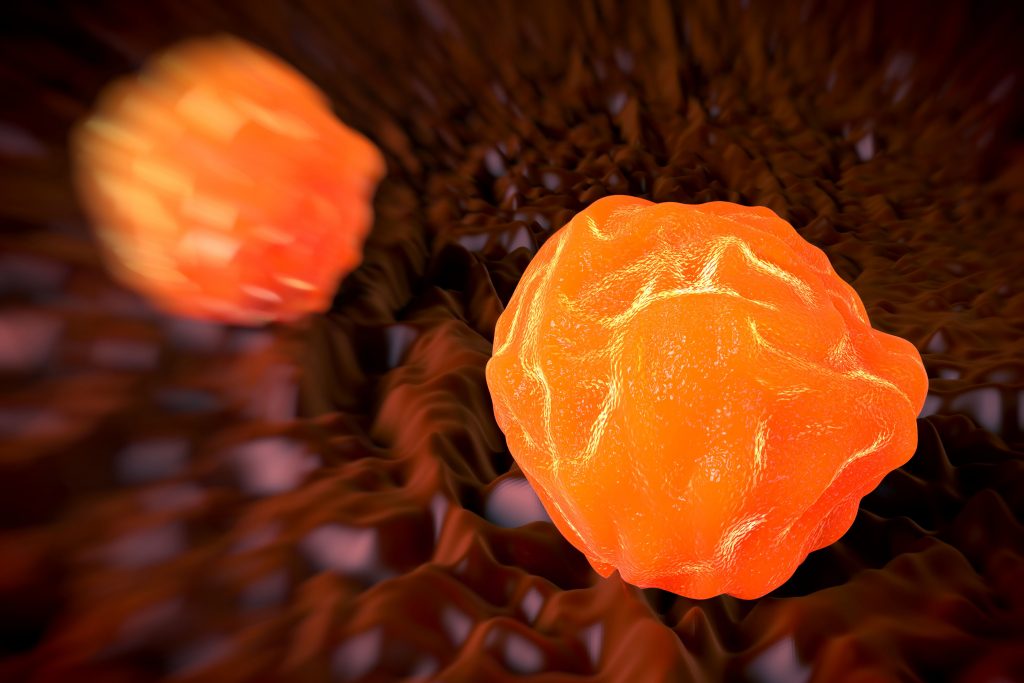
Tapping into the Way Cells Communicate
For the first time, scientists can record cells communicating in real time, opening the floodgates for new developments in cell therapy and other areas within cell biology.
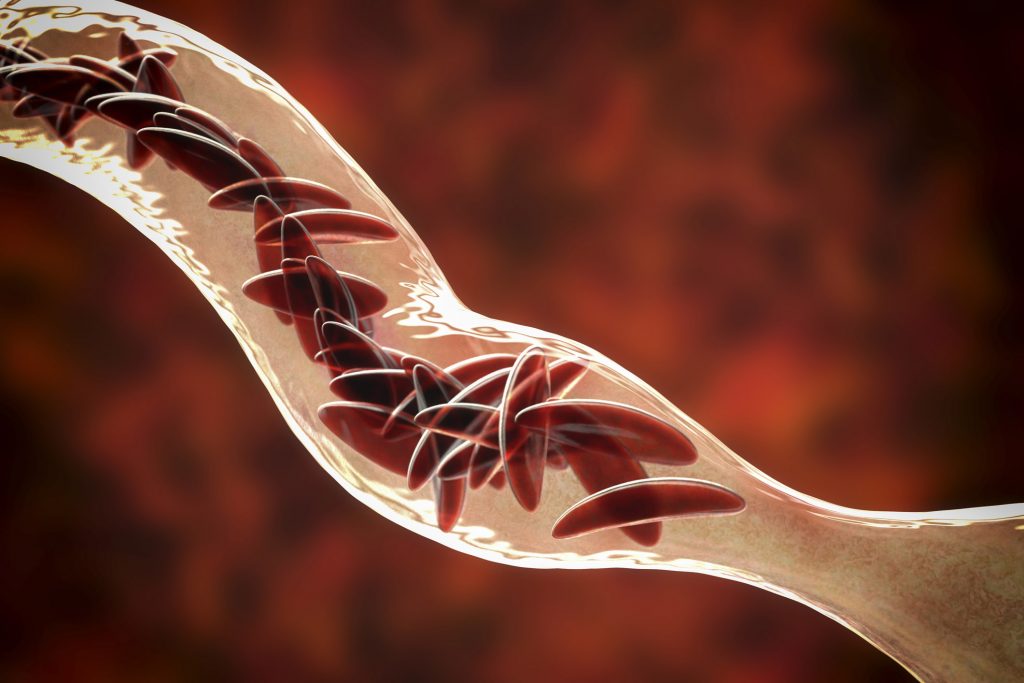
Sickle Cell Drug Showing Promise in Clinical Trial
In early clinical trial data, the experimental drug has shown promise for impacting important biological markers in the red and white blood cells of sickle cell patients.
UConn’s Alcohol Research Center Continues Unprecedented Run
With its latest five-year, $7.5 million award from the National Institutes of Health, UConn Health's Alcohol Research Center remains the longest funded in the nation.
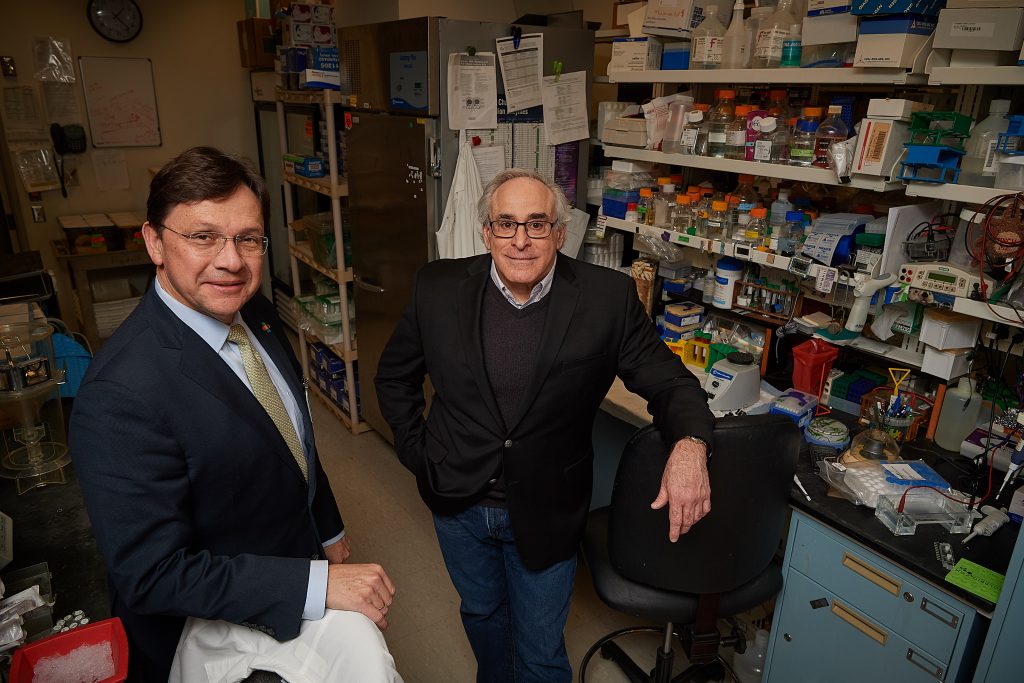
UConn Health Leads International Center to Develop Syphilis Vaccine
“An effective syphilis vaccine would represent a triumph for biomedical research over an ailment that has defied conventional public health strategies for prevention and control,” says Dr. Justin Radolf of UConn School of Medicine.
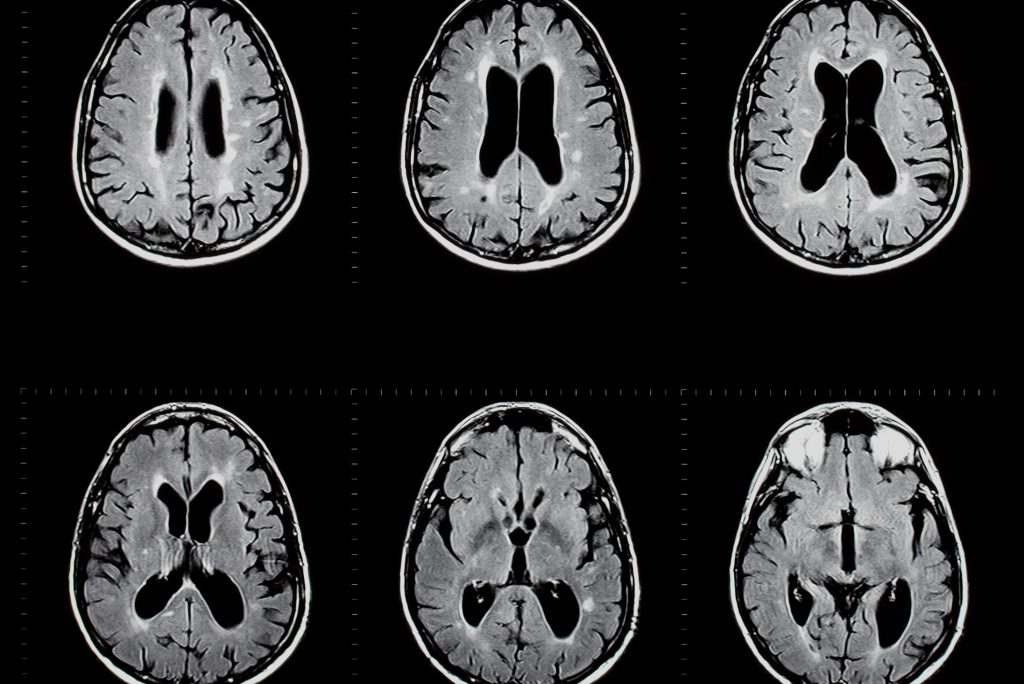
A New Culprit for Multiple Sclerosis Relapses
A molecule that helps blood clot may also play a role in multiple sclerosis relapses, according to a new study by a team that included researchers from UConn Health

Missing Molecule Hobbles Cell Movement
A new UConn study finds that cells missing a certain protein on their surface can’t move normally, with implications for wound repair as well as the spread of cancer.

Dental Researchers Get at Root Causes of Cancer Patients’ Mouth Sores
Oral mucositis, a common side effect of chemotherapy, is associated with detrimental changes in the oral microbiome, says new School of Dental Medicine research.

Setting Limits to Stop the Gambling Epidemic
The balance of money collected from gambling is a transfer from the poor to the rich, says Thomas Babor, addiction researcher at UConn Health.