Research & Discovery

Researchers Look at the Evolution of Mammals to Uncover Gene Regulation Connecting Pregnancy and Cancer Metastasis
'What we learned from other species has direct applications in advancing our understanding of human cancer'
UConn Researchers Improve Prediction of Heart Attacks
Foamy cells offer researchers better information on who might be most at risk
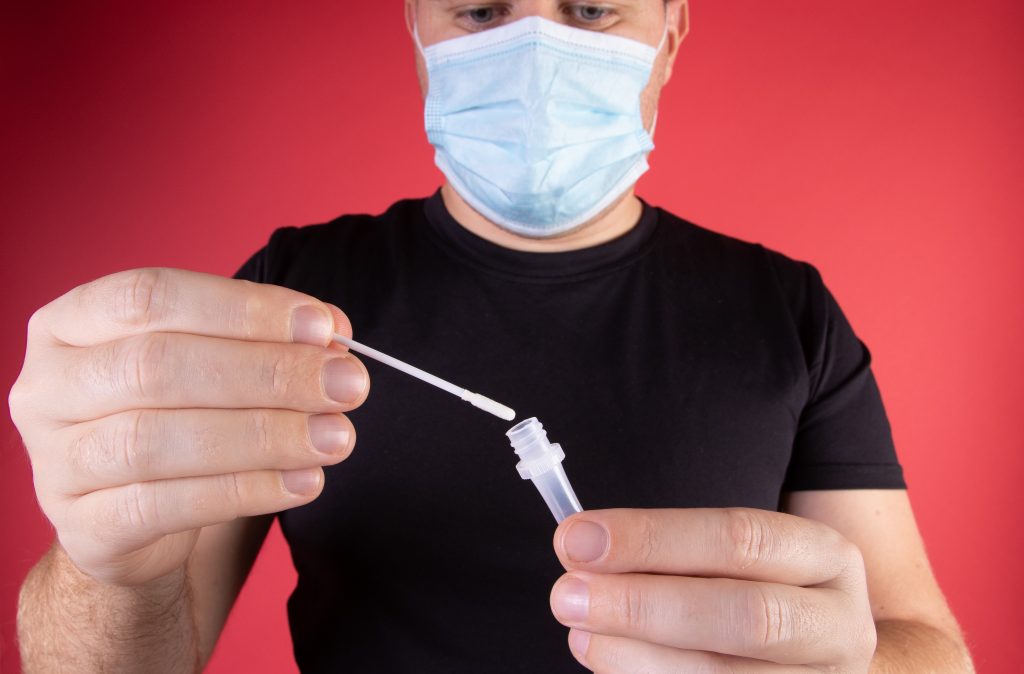
UConn Researcher’s Home COVID-19 Test Comparable to PCR Accuracy, Selectivity
A lab-on-paper platform that uses genetic markers to detect the virus even as it mutates

Meat, Multiple Sclerosis, and the Microbiome
Studying the connections between meat, gut bacteria, and autoimmune attacks on the nervous system
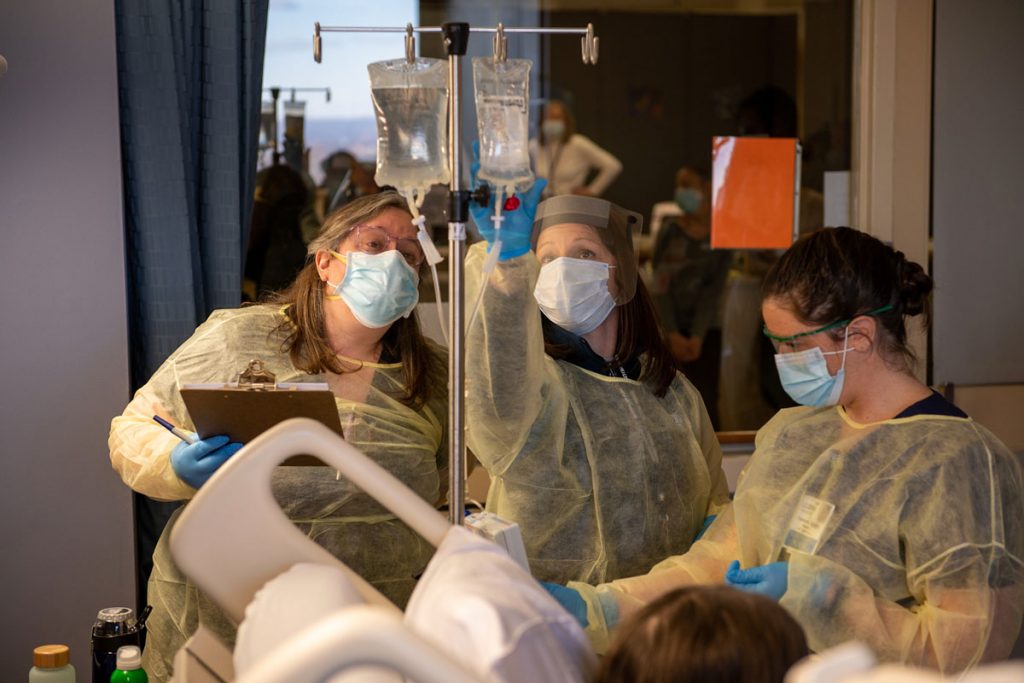
Ground-Breaking Clinical Trial Participant First in the World to Receive Phase III Infusion for GSD Type Ia
'“This is very exciting. It’s a culmination of over 20 years of research'
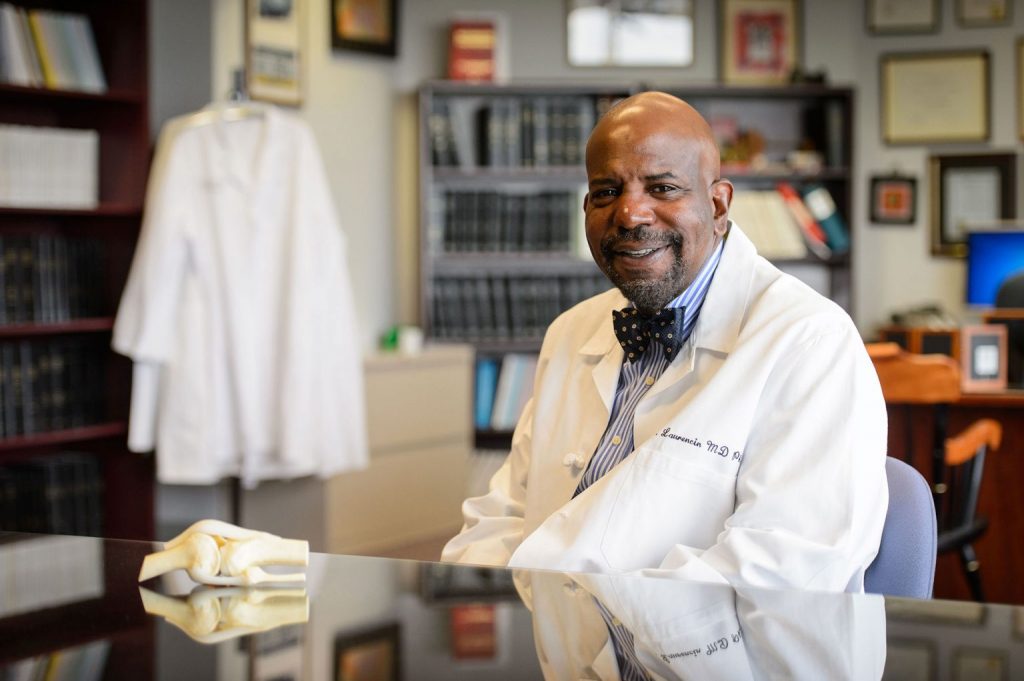
UConn’s Cato T. Laurencin Engineers Synthetic Artificial Stem Cells; Discovery Opens the Door for Advancement in Regenerative Therapies
A new way to avoid the potential pitfalls of traditional stem cell therapies

UConn Health Researcher Investigates Treatment for Eye Injuries from Mass Chemical Weapons Attacks
Royce Mohan will investigate how treatments for sodium hydroxide eye injury could be used to treat similar injuries caused by mustard gas.

Biophysics Core Facility Purchases New State-of-the-Art Instrument
Through a $190,000 S10 NIH Grant, the Biophysics Core Facility purchased a microscale thermophoresis instrument that will support research on drug discovery and understanding diseases.

Peter Setlow, at 50 Years and Counting: ‘I Really Like Doing Research’
What started in a trailer in 1971 would turn into a prolific scientific career spanning five decades. UConn Health’s longest-serving employee reflects on the institution’s evolution over his tenure and what’s driven him to stay. And he’s not getting fitted for a gold watch anytime soon either.
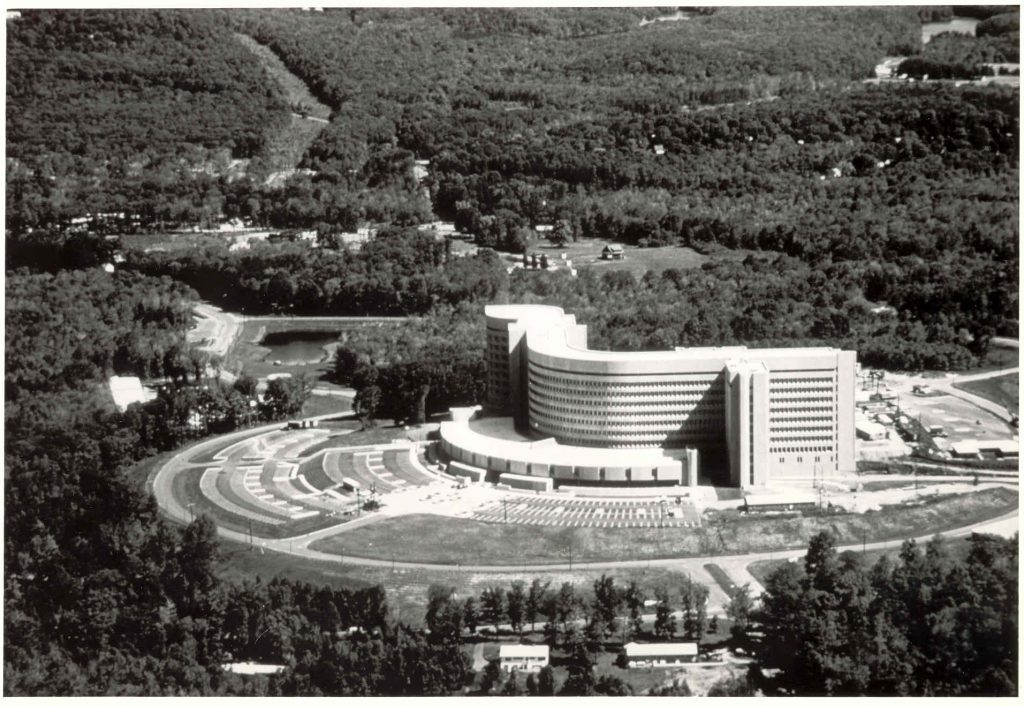
A Growing Public Health Mission Since 1971
50 years later UConn School of Medicine's Department of Public Health Sciences is still growing strong and staying true to its basic science roots. Meet the Department's 7 new faculty members.