College of Liberal Arts and Sciences
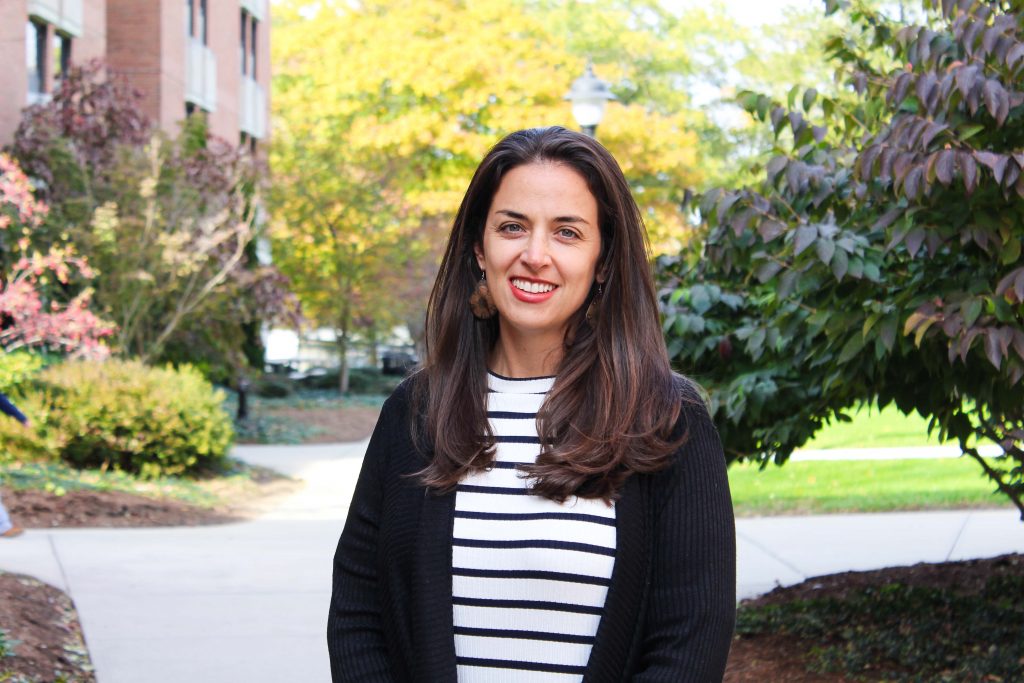
Meet the Researcher: Lisa Eaton, Human Development and Family Studies
Researcher Lisa Eaton has dedicated her career to combating the HIV/AIDS epidemic among gay/bisexual black men in the southeastern United States.
Meet the Researcher: Lisa Eaton, Human Development and Family Studies
Wandering through a graveyard on a genealogical expedition with her father, a young Lisa Eaton noticed tombstone after tombstone of young mothers and their babies from centuries ago. Her father told her: “We’re just getting out of the dark ages of medicine.” These early adventures had a lasting impact on Eaton, who has since dedicated […]

Why Clients Stop Going to Therapy
'People still hesitate. They think they should be able to resolve their own issues,' say UConn Human Development and Family Studies researchers.

Sacred Space in Short Supply at Arlington National Cemetery
Arlington National Cemetery holds a place in the American national imagination unlike any other location in the country, says history professor Micki McElya. But it's running out of space.
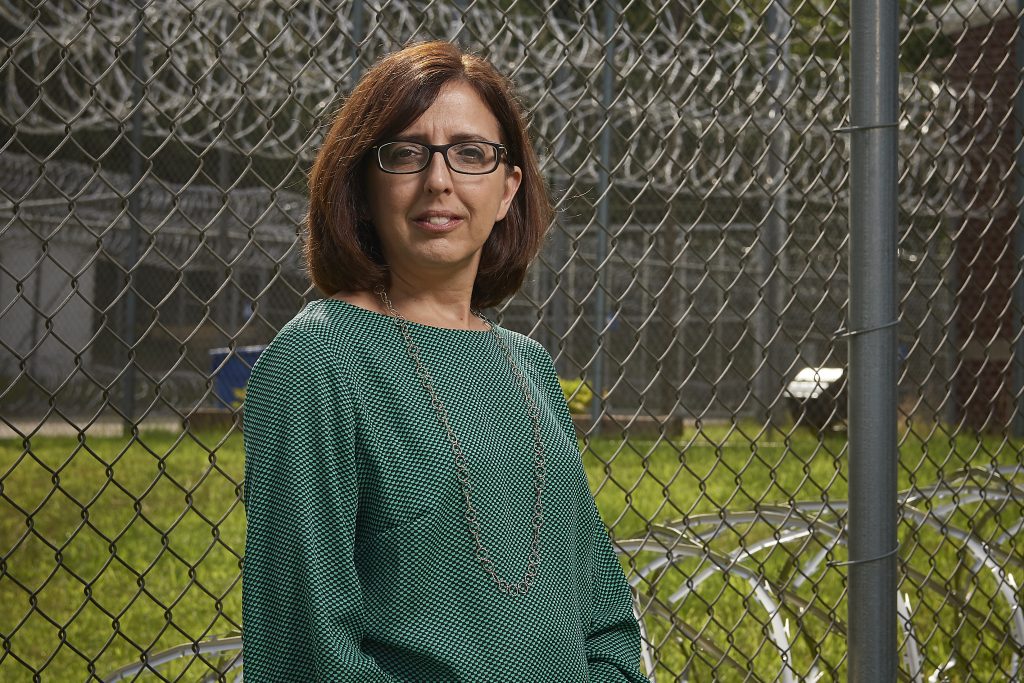
Coveted Class: Politics of Crime and Justice
Kimberly Bergendahl wants students to see how the law works in real life, so she introduced community-based service programs to her curriculum, including the opportunity to tutor inmates at a correctional institution.
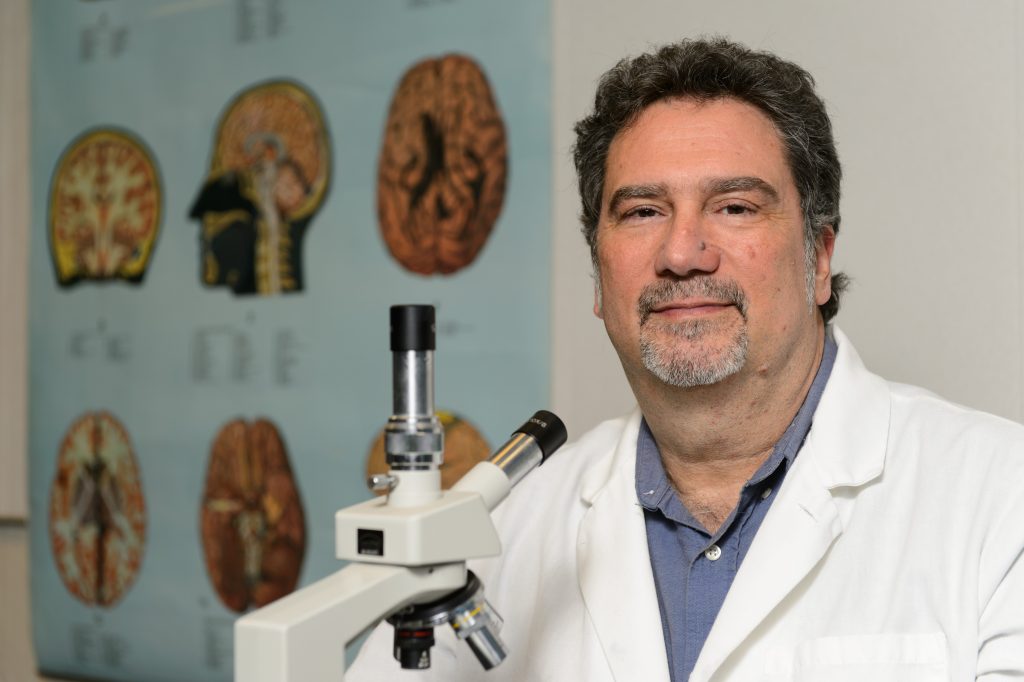
Moving the Motivation Meter
UConn researchers led by behavioral neuroscientist John Salamone have found that two experimental drugs boost motivation in rats, pointing the way to potential treatments.

The Morning After: Political Scientists on the 2018 Election
'People campaigned as friends or opponents of Donald Trump. There is something for everyone to be happy about and not happy about,' said political science professor Ron Schurin at a post-midterm panel.

‘Cryptic’ Interactions Drive Biodiversity Decline At Edge of Forest Fragments
An international team of researchers showed that forest fragmentation weakens the impact of some 'natural enemies' that help maintain diversity in a tropical system.
Addressing Accelerated Genetic Aging in African Americans
With a $3 million grant from the National Cancer Institute, UConn researchers will study several factors that potentially accelerate aging in the African American population to pave the way for future programs that could help improve health outcomes.
The Blitz of Neuroscience
UConn neuroscience researchers from across departments and campuses came together this week for a "datablitz," where several graduate students presented fast-moving summaries of their research to a live audience.