College of Engineering

Enhanced Tree Trimming Reduces Storm-Related Power Outages, UConn Study Finds
A new study found that regular tree trimming reduces power outages caused by downed transmission lines.

UConn Receives Eight Early Career Awards from NSF
The National Science Foundation’s most coveted award for early career researchers was given to scientists in chemistry, math, physics, statistics and engineering.
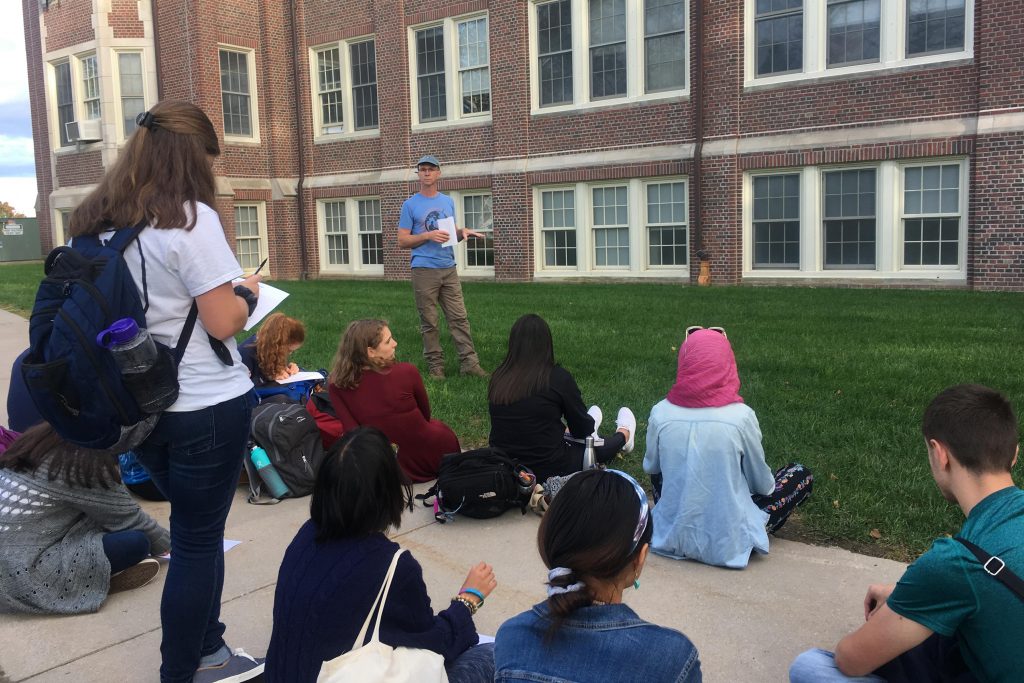
UConn Receives NSF Grant for ‘Environment Corps’ Project
UConn has received a $2.25 million grant from the National Science Foundation in support of a project entitled “Redefining Public Engagement at the University of Connecticut: Studying the Impact of an Innovative STEM Service Learning Model on the University Community.” The project is aimed at expanding and studying a new public engagement program that combines teaching, service learning, and Extension outreach.

Summer Undergraduate Researcher Ian Sands ’20 (ENG)
During his summer vacation, Ian Sands (BME '20) is researching nanoparticle drug delivery for the treatment of osteoarthritis in knee joints.

Common Steroid Could Soften Up Tumors for Chemo
A common drug used to alleviate side effects of cancer treatment may also make the treatment more successful if given beforehand, report a consortium of research institutions including the University of Connecticut.

Meet John and Sue, The Pioneers of the Internet at UConn
In a ceremony held at the end of June, in the Information Technologies Engineering Building, John Marshall stepped up to a computer, entered a short line of code, and shut down a server that served as the last known artifact linking the University of Connecticut to its earliest connections to the internet.

UConn’s New HuskyJet Brings 3D Printing to the Next Level
Adding on to the myriad of equipment and capabilities of the University of Connecticut’s Tech Park, the UConn National Science Foundation (NSF) SHAP3D site, and its site director, Associate Professor of Chemical Engineering Anson Ma, have acquired a state-of-the-art Pilot Scale industrial inkjet 3D-printer, appropriately named HuskyJet.
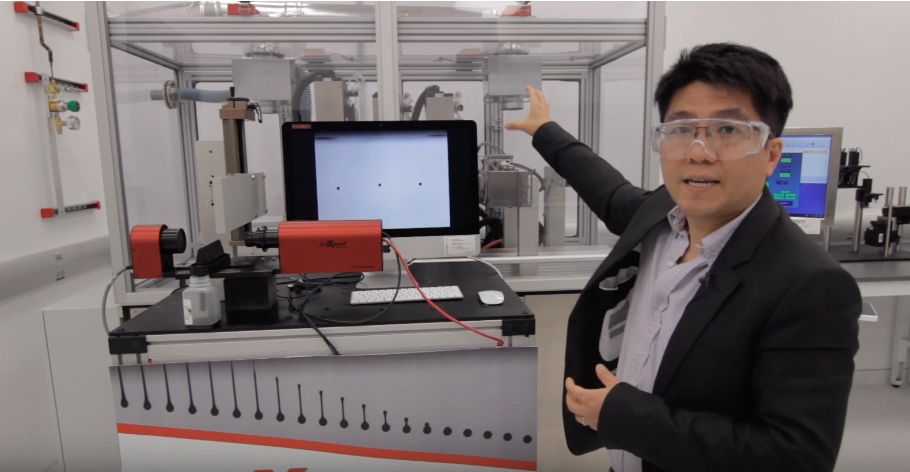
UConn’s New HuskyJet Brings 3D Printing to the Next Level
Adding on to the myriad of equipment and capabilities of the University of Connecticut’s Tech Park, the UConn National Science Foundation (NSF) SHAP3D site, and its site director, Associate Professor of Chemical Engineering Anson Ma, have acquired a state-of-the-art Pilot Scale industrial inkjet 3D-printer, appropriately named HuskyJet.

OVPR Announces Research Excellence Awards
The primary goal of the REP is to provide seed funding to fuel innovative research, scholarship, and creative endeavors with strong potential for significant extramural funding and/or achievements consistent with the highest standards of accomplishment in the discipline.
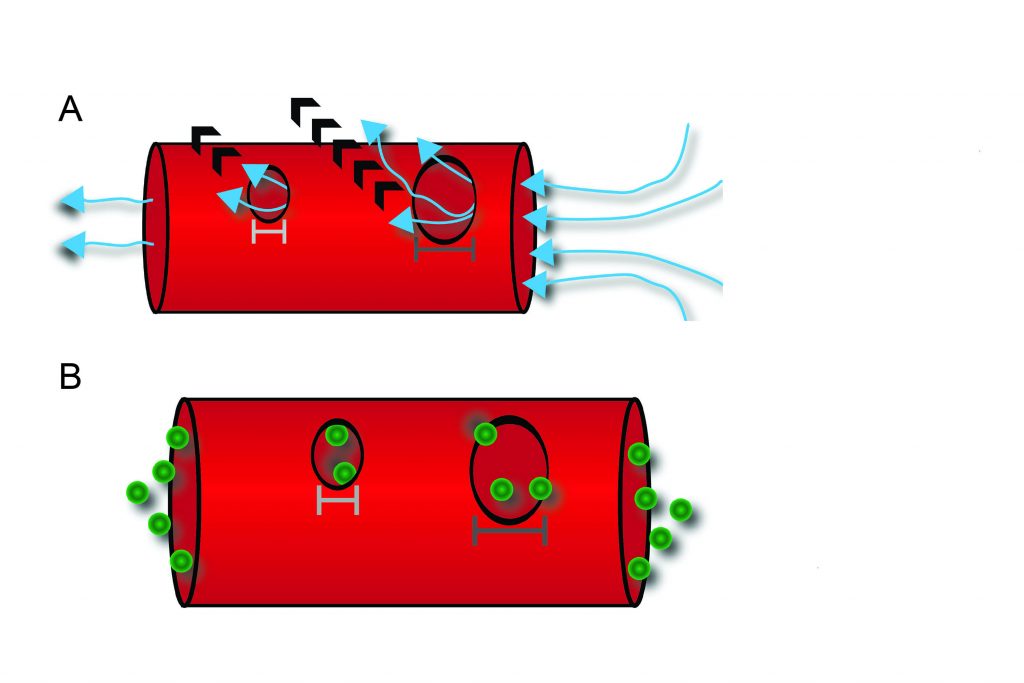
Common Steroid Could Soften Up Tumors for Chemo
A drug used to alleviate side effects of cancer treatment may also make the treatment more successful if given beforehand, researchers say.